
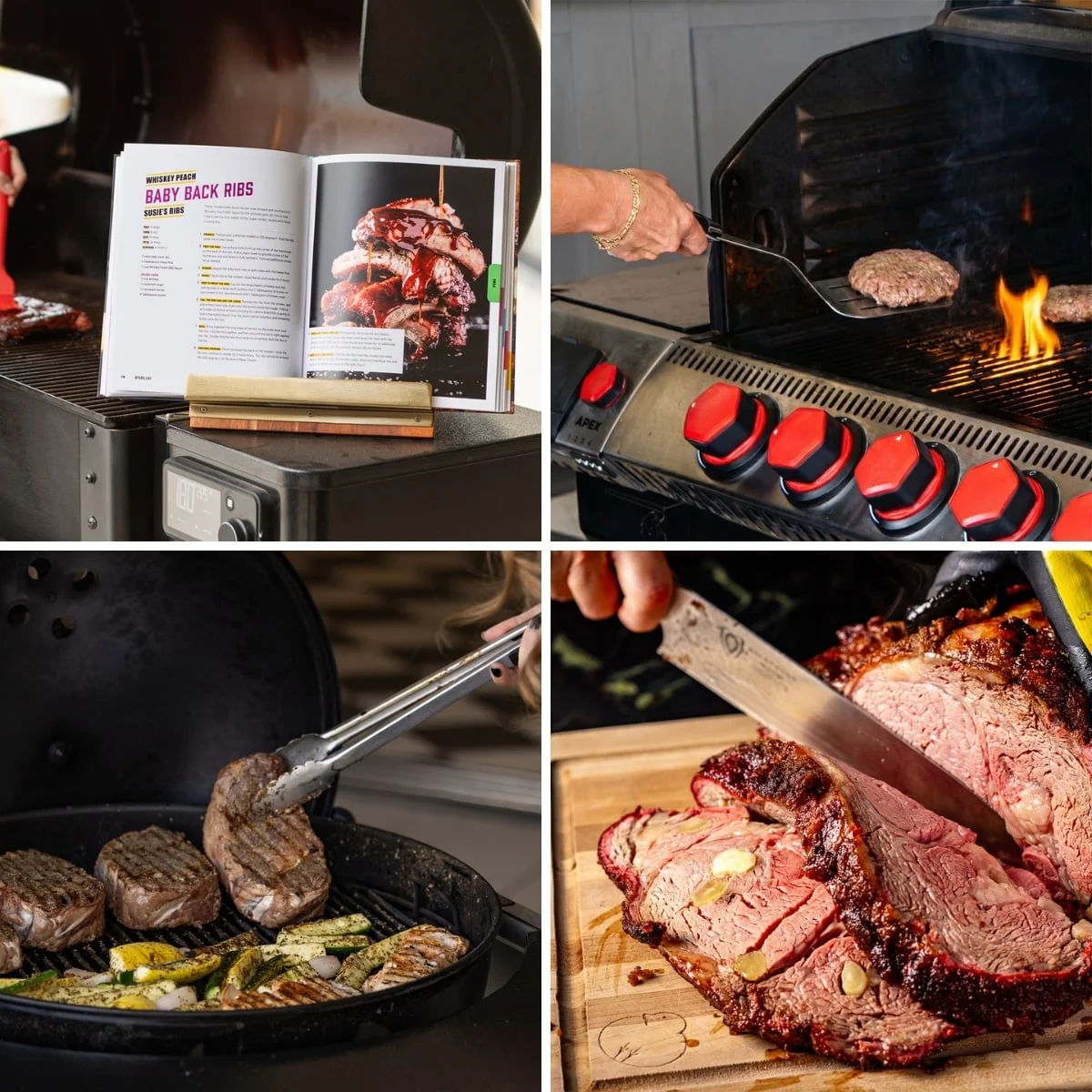
The culinary landscape of outdoor cooking has undergone a significant transformation over the last decade, transitioning from a casual weekend hobby into a sophisticated discipline that blends traditional techniques with precision engineering. As enthusiasts prepare for the 2026 summer season, the emphasis has shifted from accumulating a high volume of gadgets to investing in a curated selection of high-performance tools that prioritize safety, efficiency, and flavor integrity. Industry experts and professional pitmasters, including Susie Bulloch of the prominent BBQ platform Hey Grill Hey, emphasize that the distinction between a novice cook and a "backyard hero" often rests on the reliability of one’s equipment. This evolution reflects a broader consumer trend toward "slow food" and high-quality home preparation, driven by a global increase in outdoor living investments.

The Foundation of Modern Outdoor Culinary Success
At the core of the 2026 grilling ethos is the realization that technical accuracy is the most critical component of barbecue. For decades, home cooks relied on visual cues or "the palm test" to determine meat doneness, methods that are now considered unreliable by food safety and culinary standards. The primary tool recommended for any serious setup is the high-speed instant-read thermometer.
Leading the market in this category is the Thermapen ONE, a device capable of providing temperature readings in one second or less. The importance of this tool extends beyond mere convenience; it is a vital instrument for food safety and texture management. For instance, when smoking a brisket, the internal temperature must reach a specific range to allow collagen to break down into gelatin. Without a precision probe, the window between "tough" and "overcooked" is easily missed. Furthermore, using a thermometer prevents the unnecessary cutting of meat to check for color, which preserves the internal juices and prevents the protein from drying out.

Professional-Grade Protective Gear and Dexterity
The second pillar of a modern BBQ kit is protective wear that does not compromise manual dexterity. Traditional oven mitts and bulky leather welding gloves often lack the flexibility required for intricate tasks like pulling pork, handling greasy briskets, or slathering sauce on delicate ribs. The emergence of specialized "Pitmaster Gloves" has addressed this gap. These tools are typically engineered to be heat-resistant up to 500 degrees Fahrenheit while remaining waterproof and food-safe.
The shift toward silicone-based or high-grade synthetic gloves reflects a demand for hygiene in the BBQ space. Unlike fabric-based protection, modern pitmaster gloves are dishwasher-safe, ensuring that cross-contamination is minimized when moving between raw preparation and cooked handling. This focus on sanitation is a hallmark of the professionalization of the backyard kitchen.

Precision Cutlery and Meat Integrity
As barbecue techniques become more advanced, the demand for professional-grade cutlery has surged. The 2026 standard for backyard pitmasters involves moving away from serrated steak knives toward high-carbon steel chef’s knives, such as the Dalstrong Gladiator series. An eight-inch blade is widely considered the "workhorse" of the BBQ world, providing the necessary leverage for trimming silver skin from ribs, slicing through the bark of a smoked roast, or dicing vegetables for a grill basket.
The physics of a sharp blade are essential for meat quality. A dull knife tears at the muscle fibers, causing more moisture loss and an unappealing presentation. Conversely, a razor-sharp edge allows for clean slices that maintain the structural integrity of the meat. Maintenance remains a critical factor; pitmasters are increasingly investing in honing steels and whetstones to ensure their tools remain effective throughout the season.

Chronology of Innovation in Outdoor Cooking
The evolution of grilling tools can be traced through several distinct eras of consumer behavior and technological advancement:
- The Pre-2000s (The Basic Era): Grilling was largely synonymous with charcoal or gas heat sources using basic long-handled forks and flippers. Lighter fluid was the standard accelerant, often leaving a chemical aftertaste on the food.
- 2000–2015 (The Gadget Boom): A proliferation of low-quality, "all-in-one" grill kits flooded the market. While these kits offered many tools, they often lacked durability and professional utility.
- 2015–2023 (The Digital Revolution): The introduction of Wi-Fi and Bluetooth-enabled pellet grills and smart probes allowed for remote monitoring. This era saw a shift toward data-driven cooking.
- 2024–2026 (The Refined Essentialist Era): Consumers have begun to reject over-complicated gadgets in favor of high-quality, durable essentials. The focus is now on tools that offer a tactile connection to the cooking process while utilizing the best available materials (e.g., high-heat silicone, surgical steel, and rapid-response sensors).
Supporting Data: The Economic Impact of Outdoor Living
The move toward high-quality grill tools is supported by robust market data. According to industry reports, the global barbecue grill market was valued at approximately USD 5.4 billion in 2023 and is projected to reach over USD 7.5 billion by 2030. A significant portion of this growth is attributed to the "premiumization" of accessories.

Consumers are increasingly willing to spend more on a single, high-quality tool—such as a $100 thermometer or a $150 knife—rather than replacing $20 sets every year. This trend is driven by a desire for sustainability and the realization that superior tools lead to less food waste. In the United States alone, an estimated 15% of household food waste in the meat category is attributed to poor cooking techniques, including overcooking or improper storage, a statistic that professional-grade tools directly combat.
Hardware Essentials: Managing Airflow and Heat
For charcoal enthusiasts, the charcoal chimney remains the most significant advancement in fuel management. By utilizing the "stack effect," a chimney allows for the even ignition of briquettes or lump charcoal without the need for volatile organic compound (VOC)-heavy lighter fluids. This tool is essential for "two-zone grilling," a technique where one side of the grill serves as a direct sear station while the other provides indirect heat for gentle roasting.

Complementing this are heavy-duty locking tongs and wide-blade spatulas. The requirement for 2026 is length and tension. Long-handled tools are necessary for safety, keeping the cook’s hands away from the high-intensity heat zones of modern ceramic or infrared grills. Locking mechanisms are preferred for storage efficiency, a small but significant detail for those managing limited outdoor counter space.
Expanding the Menu: Baskets, Skewers, and Graters
Modern grilling has expanded beyond traditional proteins to include delicate seafood, small-cut vegetables, and even fruits. The grill basket has become an essential accessory to prevent food loss through the grates. This tool facilitates a "stir-fry" effect on the grill, allowing for high-heat caramelization on items like broccoli, shrimp, or peppers that would otherwise be difficult to manage.

Furthermore, the integration of kitchen tools into the outdoor space—such as microplane graters for zesting citrus or grating hard cheeses over grilled corn—signals a blurring of the lines between indoor and outdoor culinary arts. This "sneaky essential" allows pitmasters to add layers of fresh acidity and umami to heavy, smoked dishes, creating a more balanced flavor profile.
The Role of Information and Digital Ecosystems
In the 2026 landscape, a tool is no longer defined solely as a physical object. Digital resources, such as the Hey Grill Hey App and comprehensive digital cookbooks like "Backyard BBQ Hero," serve as the intellectual "cheat codes" for the modern cook. These platforms provide the timing, temperature guides, and wood-pairing charts necessary to utilize physical tools to their full potential.

The availability of these resources offline is a growing trend. As outdoor kitchens move into more remote areas—such as "overlanding" setups or off-grid cabins—physical cookbooks and downloaded apps ensure that the pitmaster’s knowledge base is not dependent on a stable internet connection.
Broader Implications and Culinary Outlook
The professionalization of backyard grilling has significant implications for the food industry. As home cooks become more proficient with professional tools, the demand for higher-quality meat cuts (such as Prime-grade brisket or Wagyu steaks) has increased. This, in turn, has pressured retailers to provide better sourcing information and more diverse offerings.

Furthermore, the emphasis on tools like the charcoal chimney and reusable silicone gloves reflects a growing awareness of the environmental impact of outdoor cooking. By eliminating chemical starters and reducing the disposal of cheap, broken tools, the BBQ community is moving toward a more sustainable model.
As we look toward the 2026 season and beyond, the message from industry leaders is clear: the best results are achieved not through the most expensive grill, but through the most reliable tools and the knowledge to use them. The investment in a sharp knife, a fast thermometer, and heat-resistant gear is an investment in the quality of the meal and the safety of the cook. In the high-stakes environment of live-fire cooking, these essentials are what separate a successful feast from a costly failure.
