
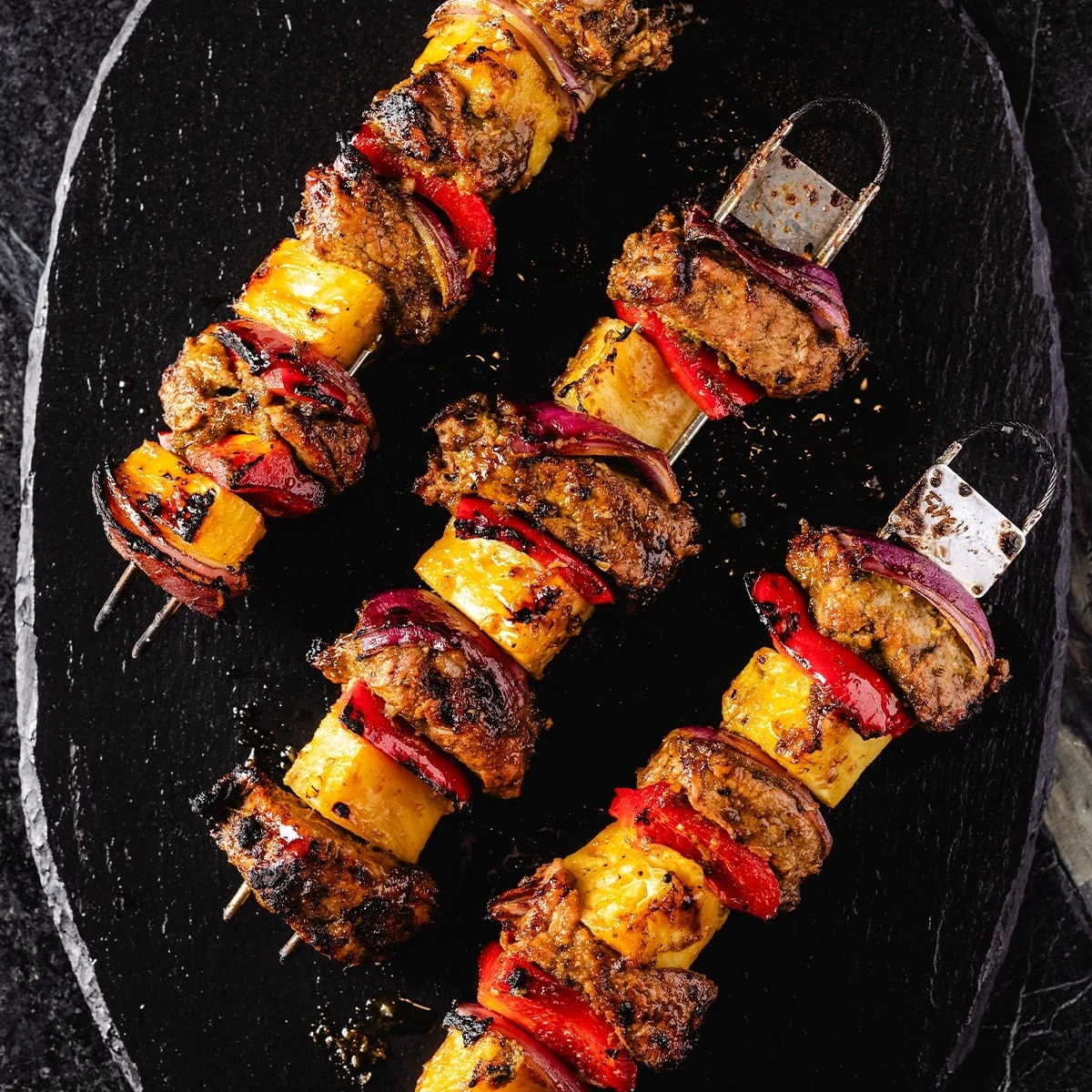
The preparation of Jerk Pork and Pineapple Kabobs represents a sophisticated intersection of historical Caribbean culinary traditions and the contemporary backyard grilling movement. By combining the intense, heat-driven profile of Jamaican jerk seasoning—centered on the Scotch bonnet pepper—with the enzymatic acidity and natural sugars of fresh pineapple, chefs and home cooks alike are able to achieve a complex flavor profile that balances smoke, spice, and sweetness. This dish has gained significant traction in recent years as a staple of outdoor culinary events, reflecting a broader trend in North American home cooking toward the integration of diverse, globally-inspired flavor profiles into traditional grilling methods.

Historical Context and the Evolution of Jerk
The foundation of this dish lies in "jerk," a style of cooking native to Jamaica that dates back to the 17th century. Historically, the Maroons—escaped enslaved people who lived in the mountainous regions of Jamaica—developed the technique to preserve meat and flavor it using local ingredients. The essential components of a traditional jerk marinade include Scotch bonnet peppers, allspice (often referred to in the Caribbean as pimento), thyme, ginger, and scallions. While traditional jerk is cooked over pimento wood to provide a distinct smoky aroma, modern adaptations, such as the pork and pineapple kabob, utilize charcoal or gas grills to achieve similar caramelization and infusion results. The addition of fruit, specifically pineapple, serves a functional purpose beyond flavor: the enzyme bromelain, found in fresh pineapple, acts as a natural meat tenderizer, breaking down protein structures in the pork tenderloin to ensure a succulent texture despite the high heat of the grill.
Chronology of Preparation and Marinade Dynamics
The success of high-quality pork kabobs is largely dictated by the timeline of preparation. Culinary experts suggest that a marination period of 8 to 24 hours is the industry standard for achieving optimal flavor penetration. During this window, the vinegar-based elements of the marinade—typically lime juice or cider vinegar—work alongside the capsaicin from the peppers to infiltrate the muscle fibers of the pork tenderloin.

The process typically follows a structured timeline:
- Pre-marination (24 hours prior): Preparation of the jerk paste, ensuring the Scotch bonnet peppers are finely minced to allow for even distribution.
- The Marination Phase (8 to 24 hours): The pork is submerged in the mixture. Research into food chemistry indicates that exceeding 24 hours can cause the acidity in the marinade to alter the texture of the pork too drastically, potentially resulting in a mushy consistency.
- Skewering (1 hour prior to cooking): The meat is threaded alongside red onion and pineapple. The use of metal skewers is recommended by professional pitmasters, as they conduct heat into the center of the meat, facilitating a more even internal cook.
- Glazing and Finishing (Final 5 minutes of grilling): A pineapple-ginger reduction is applied during the final stages of the cooking process. This prevents the high sugar content in the glaze from burning prematurely, allowing for a controlled Maillard reaction that results in a deep, dark caramelization.
Supporting Data and Nutritional Profiles
The popularity of these kabobs is often supported by their nutritional versatility, provided they are managed correctly. A standard serving of jerk pork and pineapple kabobs (typically two to three skewers) contains approximately 687 calories. While this caloric density is relatively high, it is balanced by a significant protein content—averaging 55 grams per serving—which is vital for muscle maintenance. The fiber content, derived from the red bell peppers, onions, and pineapple, sits at approximately 10 grams, aiding in digestion. However, home cooks are advised to monitor sodium intake, as traditional jerk seasoning blends can be high in salt; utilizing fresh herbs and citrus juice can mitigate the need for excess sodium while maintaining the vibrancy of the dish.

Technical Analysis of Grilling Methods
The technical challenge in preparing kabobs lies in the disparity between the cooking times of the protein and the vegetables. Pork tenderloin is a lean cut of meat that reaches an ideal internal temperature of 145 degrees Fahrenheit relatively quickly. Pineapple, however, requires high heat to activate its sugars for caramelization.
Professional kitchen analysis suggests the "high-heat, short-duration" approach. By utilizing direct heat over charcoal, the chef creates an immediate sear. The use of double-prong skewers is a specific intervention designed to prevent the meat and fruit from spinning when the skewer is turned. This technical design choice ensures that the pork is not overcooked on one side while the pineapple remains raw on the other.

Implications for the Backyard BBQ Industry
The rise of such fusion dishes highlights a shift in consumer behavior within the outdoor cooking sector. Data from culinary equipment manufacturers indicate a 15% increase in the sales of specialized grilling accessories, such as dual-prong skewers and heavy-duty basting brushes, over the past three years. This trend suggests that consumers are moving beyond basic burgers and steaks, seeking out recipes that require more active engagement and sophisticated preparation techniques.
Furthermore, the mainstream adoption of jerk seasoning reflects a broader cultural appreciation for Caribbean cuisine. Food historians note that the accessibility of ingredients like Scotch bonnet peppers and fresh pineapple in standard grocery chains has democratized this style of cooking. No longer confined to specialized restaurants, the "Jerk Pork and Pineapple Kabob" has become a pedagogical tool for home cooks to learn about heat management, flavor layering, and the chemistry of glazes.

Official Perspectives on Food Safety
While the dish is widely celebrated for its flavor, culinary safety boards reiterate the importance of cross-contamination protocols. Because the pork is marinated for an extended period, the marinade itself can become a vector for bacteria. Food safety experts advise that any marinade used for raw meat must be either discarded or boiled vigorously for several minutes before being used as a glaze. Using raw marinade as a finishing sauce is a common mistake that can lead to foodborne illness. By adhering to strict thermal processing—ensuring the glaze reaches a rolling boil—the home cook can enjoy the dish without compromising health standards.
Broader Impact and Culinary Legacy
The enduring appeal of the Jerk Pork and Pineapple Kabob lies in its ability to balance intense, complex heat with refreshing, acidic sweetness. As the industry continues to evolve, the focus is shifting toward "elevated casual" dining, where complex, historically rich flavors are presented in accessible, handheld formats. Whether served at a professional catering event or a neighborhood gathering, the dish serves as a testament to the versatility of the grill and the global exchange of culinary ideas. As enthusiasts continue to refine the balance of Scotch bonnet spice and pineapple sweetness, the kabob remains a definitive example of how traditional preservation techniques—like the Jamaican jerk method—can be reimagined for the modern palate, ensuring its relevance for years to come.
