
The competitive landscape of professional barbecue reached a new level of intensity during the fifth episode of the Food Network series Pitmasters. As the competition narrows, contestants Christie of Girls Can Grill and her partner faced a departure from the show’s typical thematic constraints. Instead of navigating "Big Burn" or "Flash Burn" rounds with creative gimmicks, the teams were subjected to the "Core Four" challenge. This rigorous test required the preparation of the four foundational pillars of American barbecue—chicken, pork ribs, pork shoulder, and beef brisket—under strict, rolling deadlines. The challenge served as a litmus test for technical mastery, stripping away the ability to rely on elaborate concepts and forcing a return to the fundamental skills that define the craft.
The structure of this episode introduced a unique financial incentive. Each individual round carried a $1,000 prize for the winning team, while the highest cumulative score across all four proteins would secure a $3,000 bonus. For the competitors, this format meant that consistency was as critical as individual performance. The judging panel emphasized the "Three T’s"—time, temperature, and texture—as the primary metrics for evaluation. In the high-stakes environment of professional competition, these metrics represent the baseline for excellence; any deviation, such as rubbery skin on chicken or improperly rendered fat on ribs, results in significant score deductions.

The Chronology of the Competition
The episode was marked by a shift in pace, as teams were required to manage multiple proteins simultaneously on a singular heat source. Recognizing the logistical complexity of this format, the team of Christie and her partner adopted a "hot and fast" cooking methodology. This strategic decision was necessitated by the rolling clock, which left little margin for the traditional, slow-cooking techniques often associated with low-and-slow barbecue.
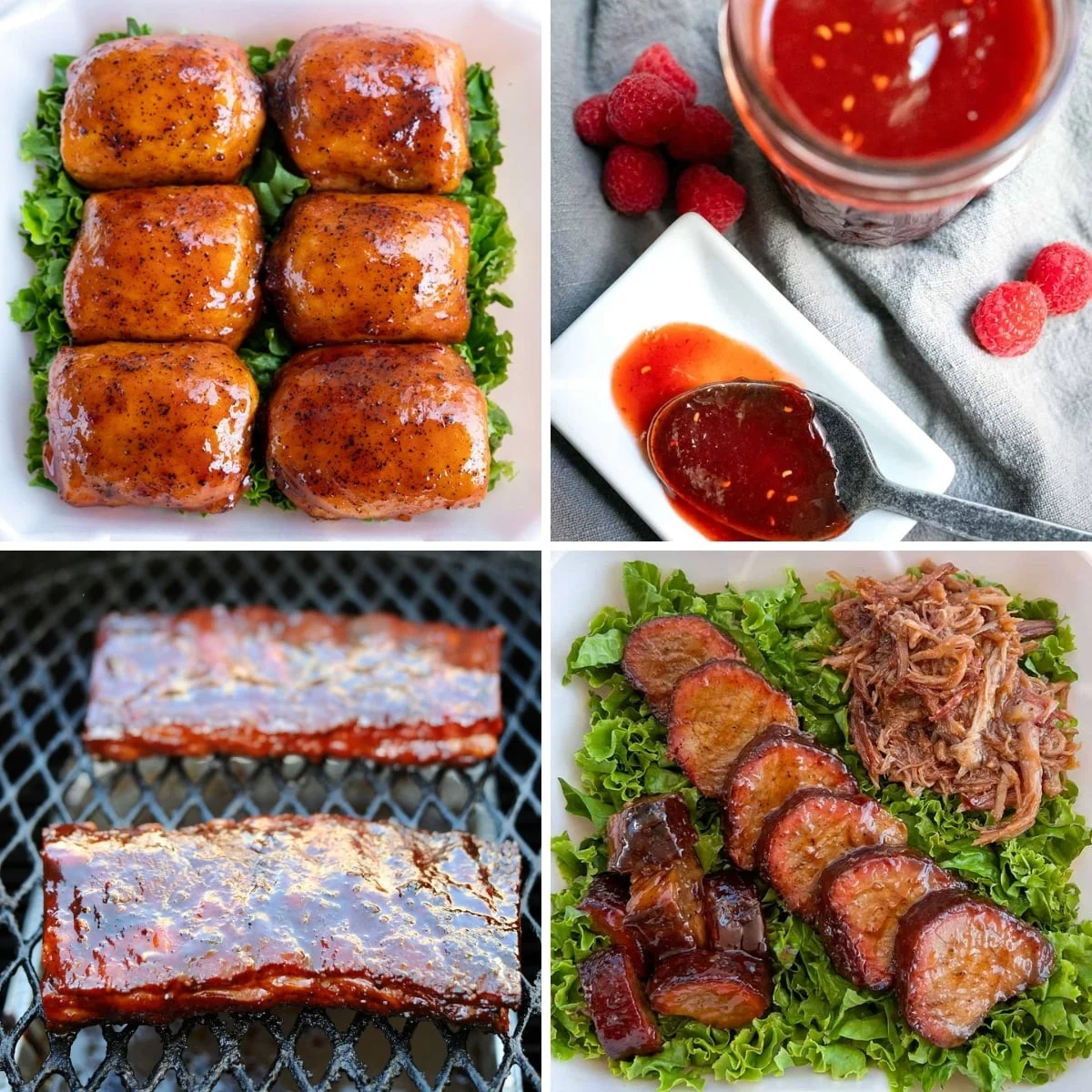
The first round, focused on chicken, saw the implementation of a smoked raspberry chipotle preparation. By breaking the whole bird into individual components—thighs, wings, and legs—the team gained granular control over cooking times and temperatures, a vital advantage given the three-hour window. Notably, the team opted to exclude the breast meat, utilizing crispy chicken skin as a garnish to provide textural contrast.
The challenge reached an inflection point approximately 27 minutes before the chicken deadline, when environmental conditions deteriorated rapidly. A sudden hail storm forced the competitors to manage their equipment and products under extreme weather conditions. This development underscored the physical endurance required of professional pitmasters, as they were tasked with maintaining internal grill temperatures while navigating heavy precipitation. Following the presentation, judges specifically lauded the team’s technique, with Big Moe Cason noting the successful rendering of the chicken skin, despite the challenging climate.

Technical Analysis: Flavor Profiles and Execution
In the second round, the competition shifted to pork ribs. The team utilized a "hot and fast" approach combined with a yuzu-based sauce. Yuzu, a Japanese citrus fruit, was chosen for its acidity, intended to cut through the heavy fat profile of the pork. While the culinary application of yuzu in a traditional American barbecue setting is non-traditional, it reflects an ongoing trend in the industry toward flavor profile experimentation. Feedback from the judging panel was mixed; while the texture was praised as "competition-style," some judges expressed reservations regarding the intensity of the citrus notes.
The third round, centered on pork shoulder, showcased the use of the "money muscle," a specific, highly marbled section of the pork butt. The preparation involved a whiskey-infused peach barbecue sauce. The technical execution was largely successful, with judges acknowledging the precise cooking of the meat. However, the team fell short on the final score due to a perceived lack of salinity. In the context of competitive barbecue, salt acts as a flavor enhancer; when improperly balanced, it can diminish the impact of other flavor components, illustrating the razor-thin margins that determine the outcome of these rounds.
Industry Implications and Professional Standards
The "Core Four" challenge serves as a broader commentary on the evolution of competitive barbecue. Historically, competitions were judged on simple, regional variations of meat preparation. Modern televised competitions have shifted the focus toward a hybrid model of technical skill and creative presentation. By removing the "thematic" buffer, the Pitmasters producers highlighted the necessity of foundational knowledge. The reliance on standardized tools, such as high-heat-resistant gloves, also points to a professionalization of the trade where safety and efficiency equipment are now integral to a pitmaster’s success.

The ongoing nature of the competition, which saw the episode conclude mid-challenge, underscores the psychological pressure exerted on the participants. The inability to rely on a "story" or "gimmick" places the burden of performance squarely on the quality of the product. For the viewer, this provides an unvarnished look at the difficulties inherent in high-volume, time-sensitive barbecue production.
Evaluating the Competitive Landscape
The performances in episode five reflect a growing divide in the barbecue world between purists and innovators. By forcing contestants to excel at the most basic level, the show effectively filters for those who possess deep technical understanding. The failure to secure a win in the pork shoulder round due to seasoning highlights the subjective nature of judging, where even a technically perfect cook can be penalized for a minor oversight in flavor balance.
As the series progresses, the emphasis on the "Core Four" will likely serve as a benchmark for the remaining competitors. The ability to handle unexpected environmental variables—such as the hail storm encountered during the chicken round—adds an element of grit to the competition that is often overlooked in traditional, controlled-environment culinary shows.

The upcoming episode, which will conclude the brisket round, remains the final obstacle before the overall winner of the segment is determined. The outcome will likely hinge on the team’s ability to recover from the setback in the pork shoulder round and maintain the technical consistency required to satisfy the stringent demands of the judging panel. As of this writing, the cumulative leaderboard remains undisclosed, keeping the focus on the remaining variables of the brisket preparation. For the participants, the stakes remain high, with both financial rewards and professional prestige tied to the results of the final turn-in. The Core Four challenge has successfully stripped away the artifice, leaving only the fundamental skills of the trade under the scrutiny of the judges.
