
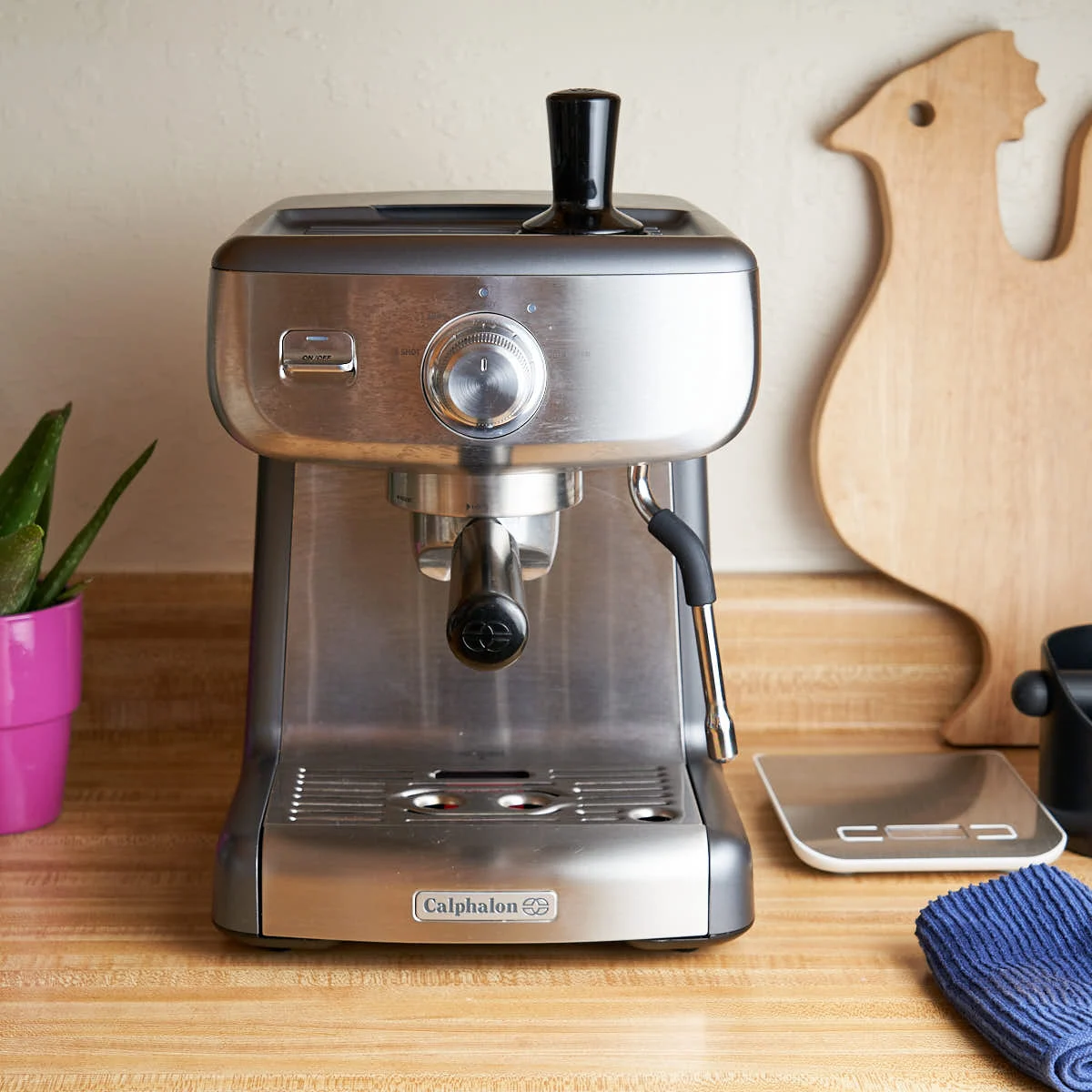
The evolution of the home coffee landscape has seen a significant shift toward professional-grade equipment, with the Calphalon Temp IQ Espresso Machine emerging as a notable contender for entry-to-mid-level consumers. Positioned as a direct response to the growing demand for cafe-quality beverages within the home, this machine focuses on temperature stability and user accessibility. Since its introduction to the market, the device has undergone rigorous testing by domestic users and industry observers alike, aiming to bridge the gap between expensive, complex commercial units and basic, low-pressure home brewers.
The Calphalon Temp IQ stands as a testament to the design philosophy of prioritizing thermal management. Espresso extraction is a delicate chemical process that relies on precise water temperature—ideally between 195°F and 205°F—to prevent the extraction of bitter compounds or sour, under-developed flavors. The "Temp IQ" branding refers to the machine’s integrated PID (Proportional-Integral-Derivative) controller, which regulates water temperature to ensure consistency throughout the extraction process. This technical inclusion is significant, as it addresses the most common failure point in budget-conscious espresso machines: temperature fluctuations that lead to inconsistent shot quality.
Technical Specifications and Operational Mechanics
At its core, the Calphalon Temp IQ utilizes a 15-bar pump, the standard pressure required to force water through finely ground coffee to produce the hallmark crema. The design of the interface is intentionally streamlined, featuring a singular control knob that manages the transition between standby, brewing, and steam functions. This minimalism is an intentional design choice meant to reduce the learning curve for novice users.
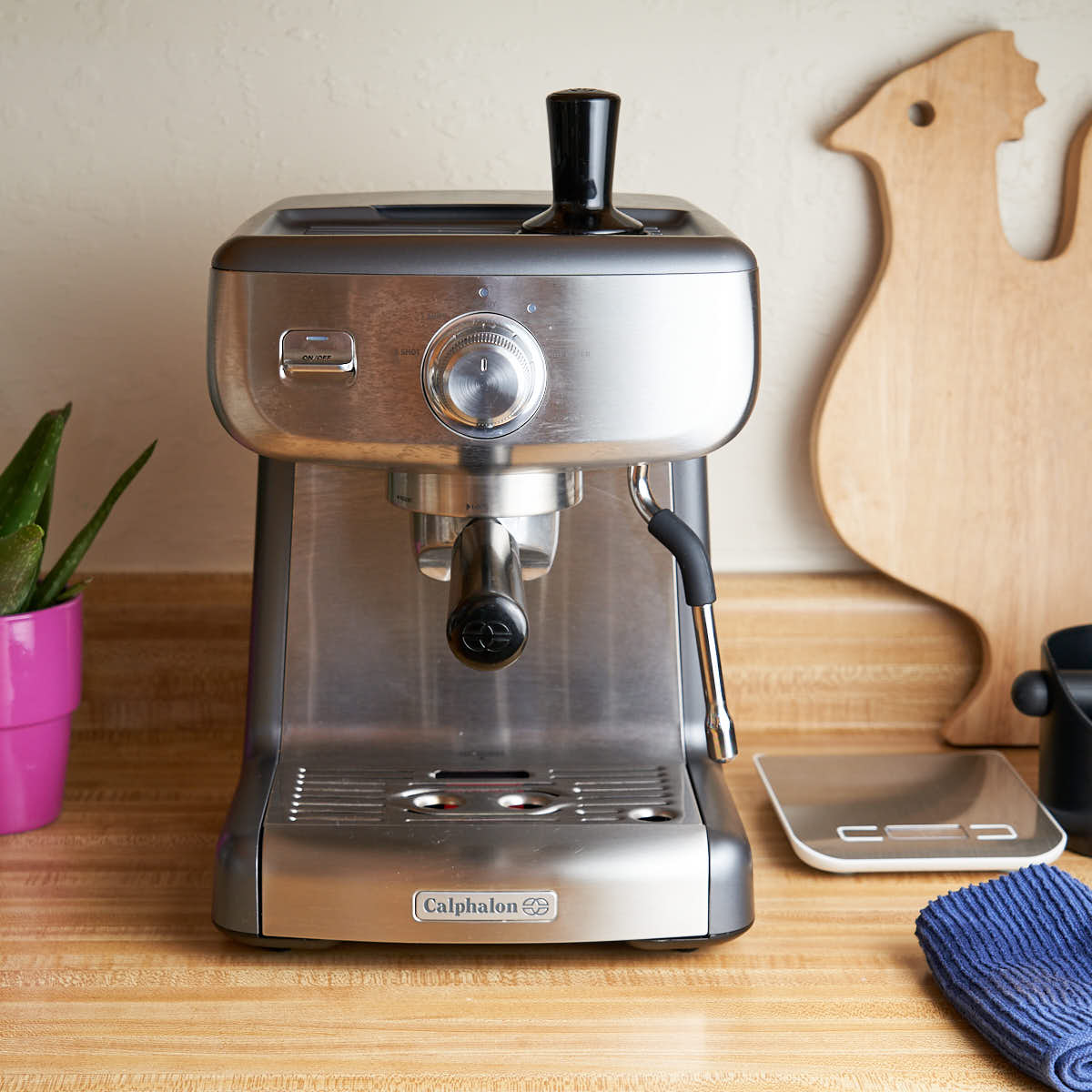
The machine functions on a 58mm portafilter system, a crucial detail for enthusiasts. Unlike many entry-level machines that utilize pressurized, smaller-diameter baskets—which often artificially mimic crema through mechanical means—the 58mm professional-sized portafilter allows for a more authentic extraction. This size is standard in commercial settings, enabling users to upgrade their baskets or tampers with third-party accessories.
Chronology of Consumer Adoption
Following its release, the product gained traction during the 2020 and 2021 period, a time characterized by a surge in home-cooking and "prosumer" kitchen equipment purchases. As consumers were forced to substitute daily trips to local cafes with home alternatives, the demand for machines that offered both simplicity and performance spiked.
Market data from this period indicated that while sales of high-end, multi-thousand-dollar machines remained stable, the mid-range segment—priced typically between $300 and $600—saw the highest growth. The Calphalon Temp IQ positioned itself as a "value-plus" option, offering a balance of aesthetics and functionality that appealed to both the minimalist kitchen aesthetic and the functional requirement of producing a reliable double shot.
Performance Analysis: The Steam Wand and Extraction
A common criticism of entry-level espresso machines is the inadequacy of their steam wands, which often fail to produce the "microfoam" necessary for latte art. The Calphalon Temp IQ, however, features a full-sized steam wand that provides sufficient pressure for milk texturing. This is achieved through a dedicated heating element that allows for a seamless transition from brewing espresso to steaming milk.
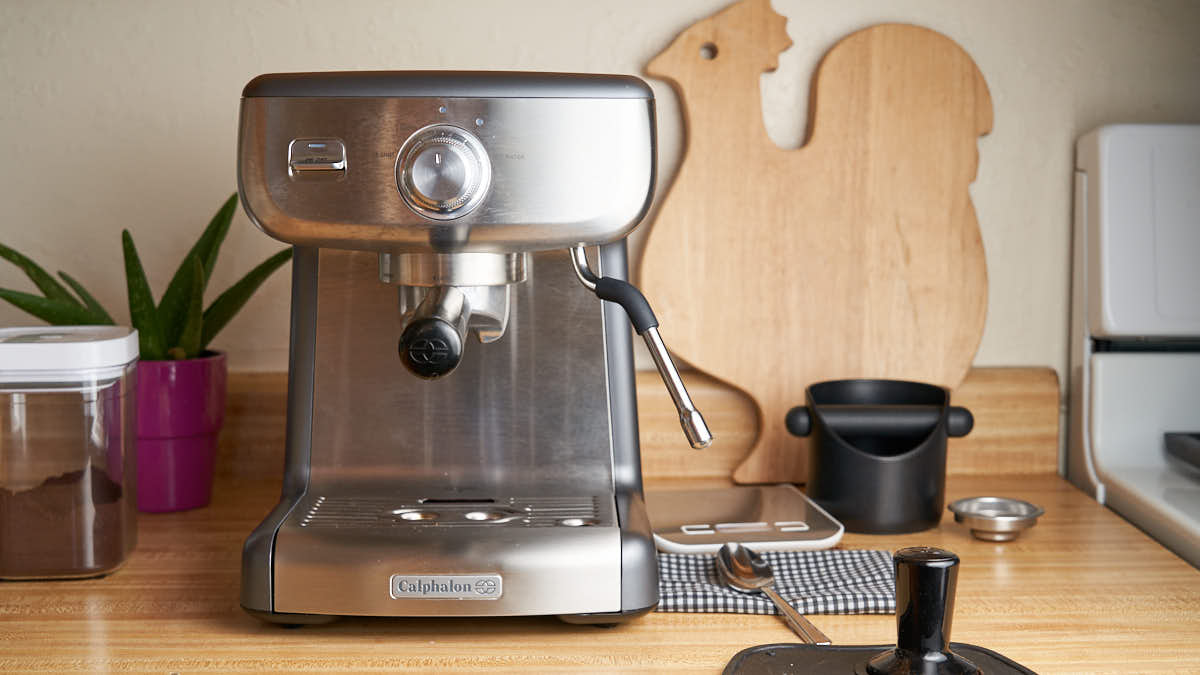
Data from recent long-term usage tests suggest that while the machine is capable of producing professional-grade textures, it requires a specific technique regarding the positioning of the pitcher. Because the machine lacks the boiler power of a commercial unit, it requires a slightly longer lead time to reach optimal steaming pressure. Users have reported that once the technique is mastered, the output is competitive with machines at a higher price bracket.
The Grinder Debate: Integrated vs. Standalone
The Calphalon Temp IQ is sold in two primary configurations: one with an integrated conical burr grinder and one without. Industry experts generally advocate for the use of a standalone, dedicated grinder. The rationale is based on the precision of the burr alignment and the heat transfer that occurs in combined units.
When a grinder is built into the chassis of an espresso machine, it is susceptible to the heat generated by the boiler. Coffee beans are sensitive to thermal changes, and exposing them to heat before they are ground can negatively impact the volatile aromatics and oils essential for a high-quality espresso. Furthermore, standalone grinders offer a wider range of micro-adjustments, which are vital for "dialing in" a specific coffee roast. For the serious home barista, the version without the integrated grinder is often the preferred choice, allowing for future hardware upgrades without replacing the entire machine.
Maintenance and Longevity
The maintenance protocol for the Temp IQ is straightforward, reflecting its accessible design. The machine includes a purge function for the steam wand and a removable drip tray, which are essential for preventing the buildup of old oils and bacteria.
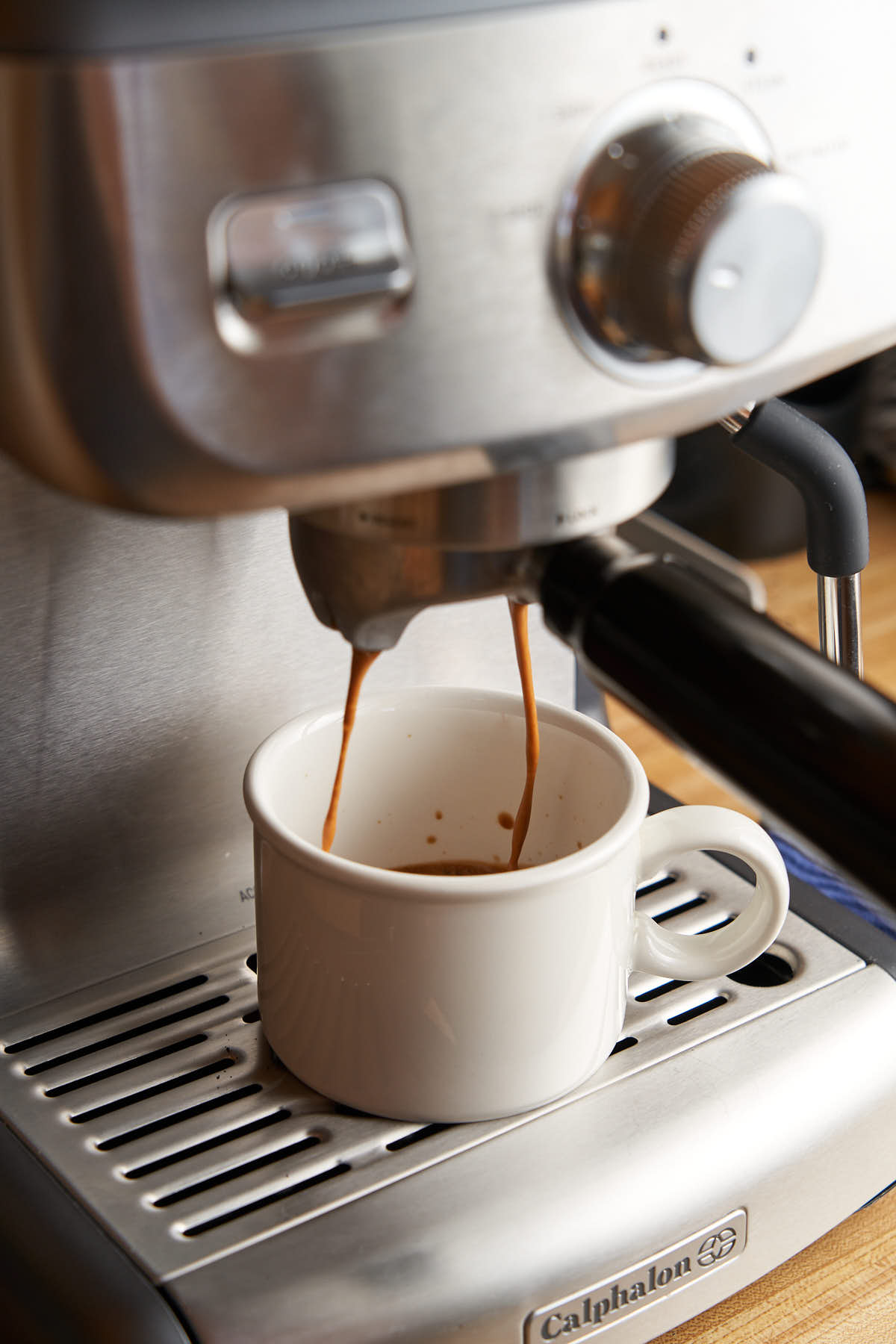
From a longevity standpoint, the machine utilizes a thermoblock heating system. While thermoblocks heat up significantly faster than traditional boilers, they are generally considered less durable over a decade-long lifespan compared to brass or stainless steel boilers. However, for a consumer-grade appliance, this trade-off is standard. Regular descaling—the process of removing mineral deposits from the water lines—remains the most critical factor in extending the machine’s operational life.
Broader Market Implications
The success of the Calphalon Temp IQ signals a larger shift in the appliance industry: the democratization of high-end home technology. As the barrier to entry for quality espresso drops, the specialty coffee industry has seen a corresponding increase in demand for premium, single-origin beans. This creates a symbiotic relationship where the quality of home equipment influences the consumer’s appetite for higher-quality, ethically sourced coffee.
Furthermore, the machine’s design reflects a broader move toward "right to repair" and modularity. By providing a standard 58mm portafilter, the manufacturer acknowledges that the user may eventually want to experiment with different baskets, puck screens, and distribution tools. This openness to the enthusiast community has helped the brand maintain a strong reputation in online coffee forums and review aggregators.
Conclusion: Evaluating Value
When analyzing the price-to-performance ratio, the Calphalon Temp IQ remains a benchmark for the mid-range market. It does not attempt to replicate the pressure profiling capabilities of luxury machines, nor does it carry the complexity of a manual lever-operated unit. Instead, it serves as a highly efficient, consistent, and user-friendly tool for the daily consumer.
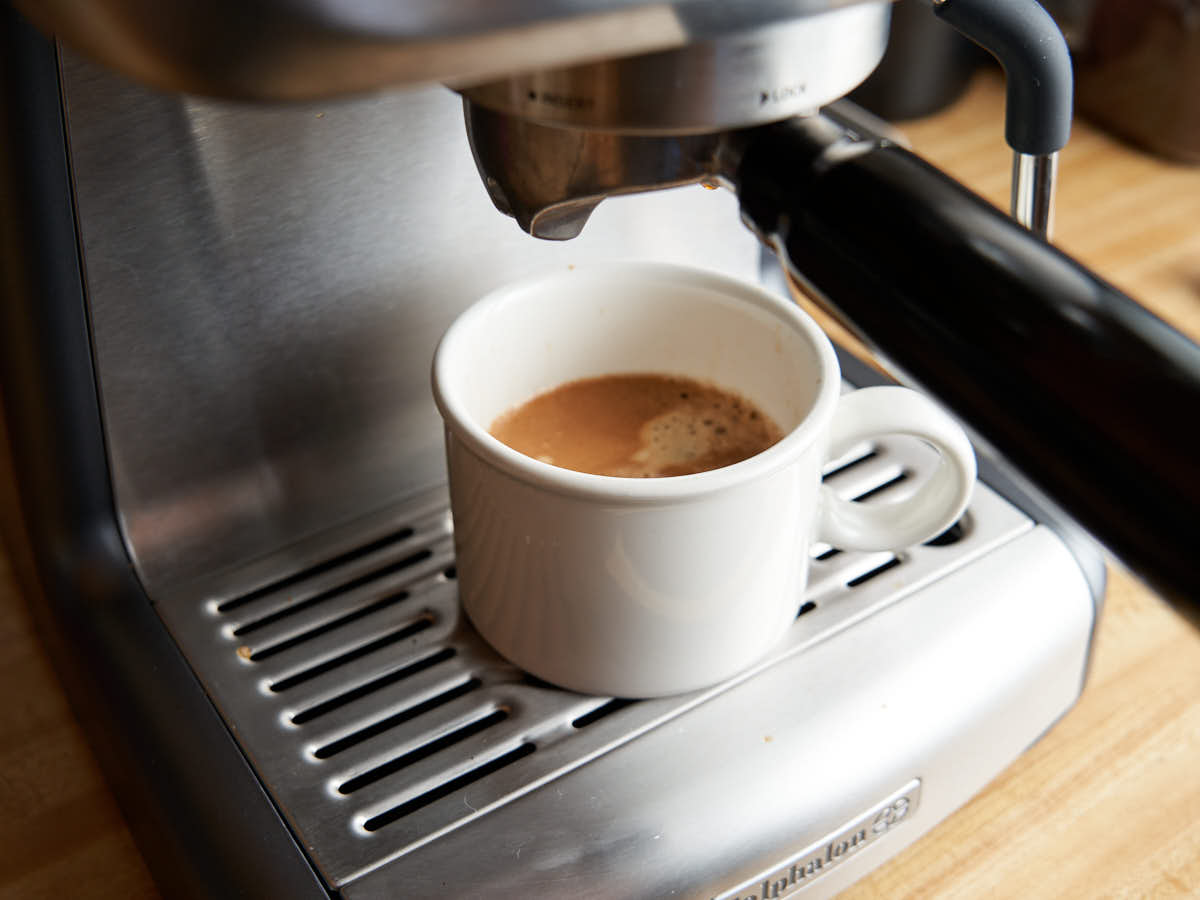
For those transitioning from capsule-based systems or basic drip coffee makers, the learning curve is manageable, supported by detailed documentation. For the more experienced user, the machine offers enough manual control to refine the variables of pressure and dose. As the home espresso market continues to mature, machines like the Temp IQ will likely remain the primary entry point for consumers seeking to elevate their daily routine from a simple caffeine delivery system to a practiced culinary craft. The combination of reliable temperature control, a standard group head size, and a capable steam system ensures its continued relevance in the modern kitchen.
