
The culinary landscape of the American South is more than a collection of recipes; it is a complex, often painful, and profoundly resilient narrative of cultural synthesis. The region’s gastronomy serves as a tangible record of the convergence of Indigenous American traditions, the forced migration of West Africans, and the influence of European settlers. This historical intersection has produced a cuisine that is recognized globally for its depth, soul, and technical ingenuity. While the origins of many of these iconic dishes are shrouded in the mists of oral tradition and undocumented history, historical analysis reveals a consistent pattern of innovation born from necessity, resourcefulness, and the enduring legacy of the enslaved labor force that anchored the Southern kitchen for centuries.
The West African Foundation of Gumbo
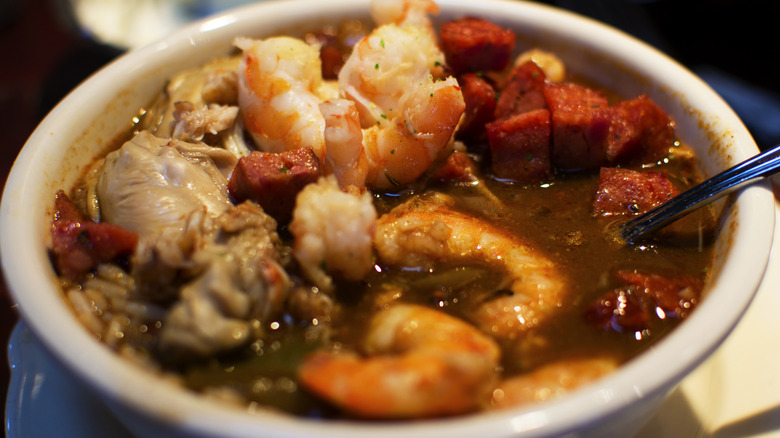
Gumbo stands as perhaps the most potent symbol of Louisiana’s cultural stratification. Its lineage can be traced back to the okra stews of West African nations such as Ghana, Nigeria, and Benin. Enslaved people brought with them both agricultural knowledge and specific culinary techniques, including the use of okra as a thickening agent. In the American context, this foundational stew adapted to local ingredients.
By the early 19th century, the dish had begun to formalize. Mary Randolph’s seminal 1824 cookbook, The Virginia Housewife, offers an early recipe, though it is markedly simpler than the complex versions seen today, focusing primarily on stewed okra and butter. The evolution of the dish accelerated throughout the 1800s, as documented in the 1885 collection La Cuisine Creole. This era marked the integration of filé—ground sassafras leaves, a staple of Indigenous Choctaw cuisine—and the French-inspired roux. The modern gumbo is a culinary amalgamation, reflecting the friction and cooperation between Cajun and Creole populations, and the persistent influence of the African diaspora.
The Evolution of Shrimp and Grits
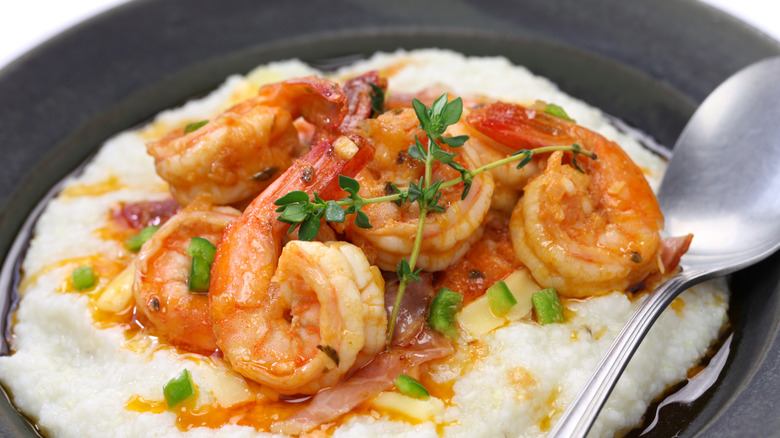
Shrimp and grits, now a staple of high-end Southern dining, originated as a humble breakfast dish among the Gullah Geechee people of the Lowcountry in South Carolina and Georgia. The Gullah Geechee, who preserved much of their West African heritage, were masters of utilizing the coastal abundance of the region.
Historically, this was a dish of the working class. Blanche S. Rett’s 1930 work, Two Hundred Years of Charleston Cooking, highlights the prevalence of shrimp and hominy in Charleston households, noting that it was a standard morning meal for the working population. The transition of the dish from a regional breakfast staple to a national phenomenon is largely credited to the 1980s culinary scene. Chef Bill Neal, through his restaurant Crook’s Corner in Chapel Hill, North Carolina, elevated the dish by introducing elements like sharp Cheddar, bacon, and mushrooms. This refinement sparked a nationwide interest, proving that the roots of Southern cuisine could sustain modern gastronomic experimentation.
The Labor Strike Origins of the Po’boy
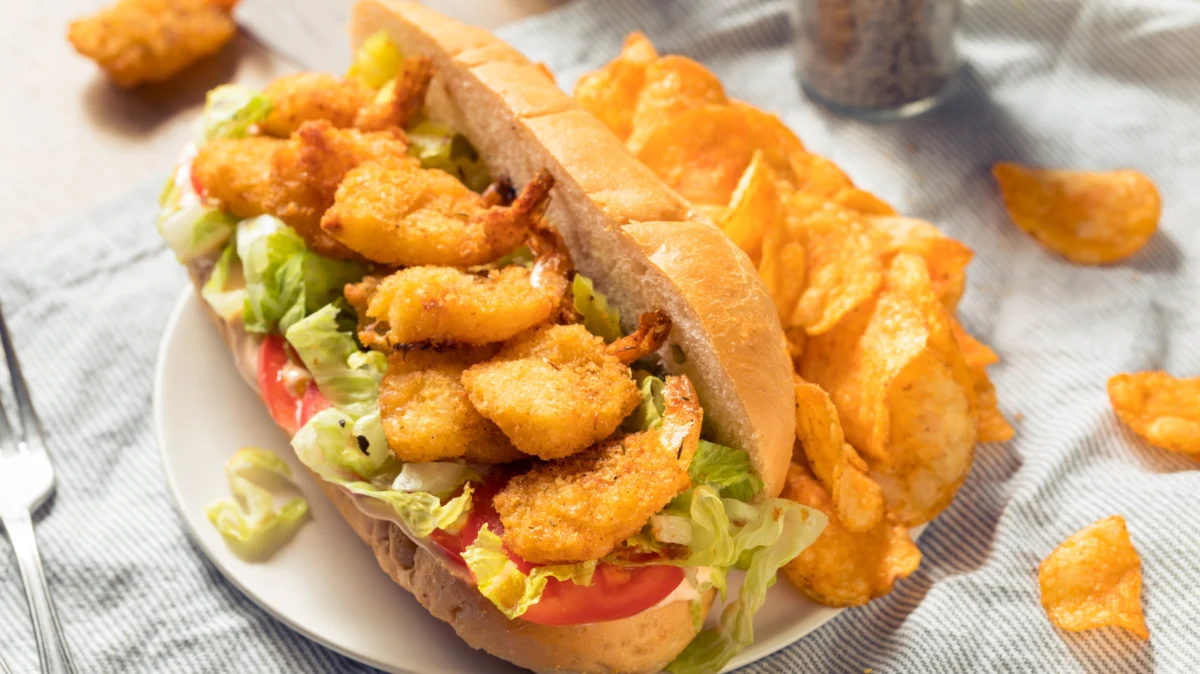
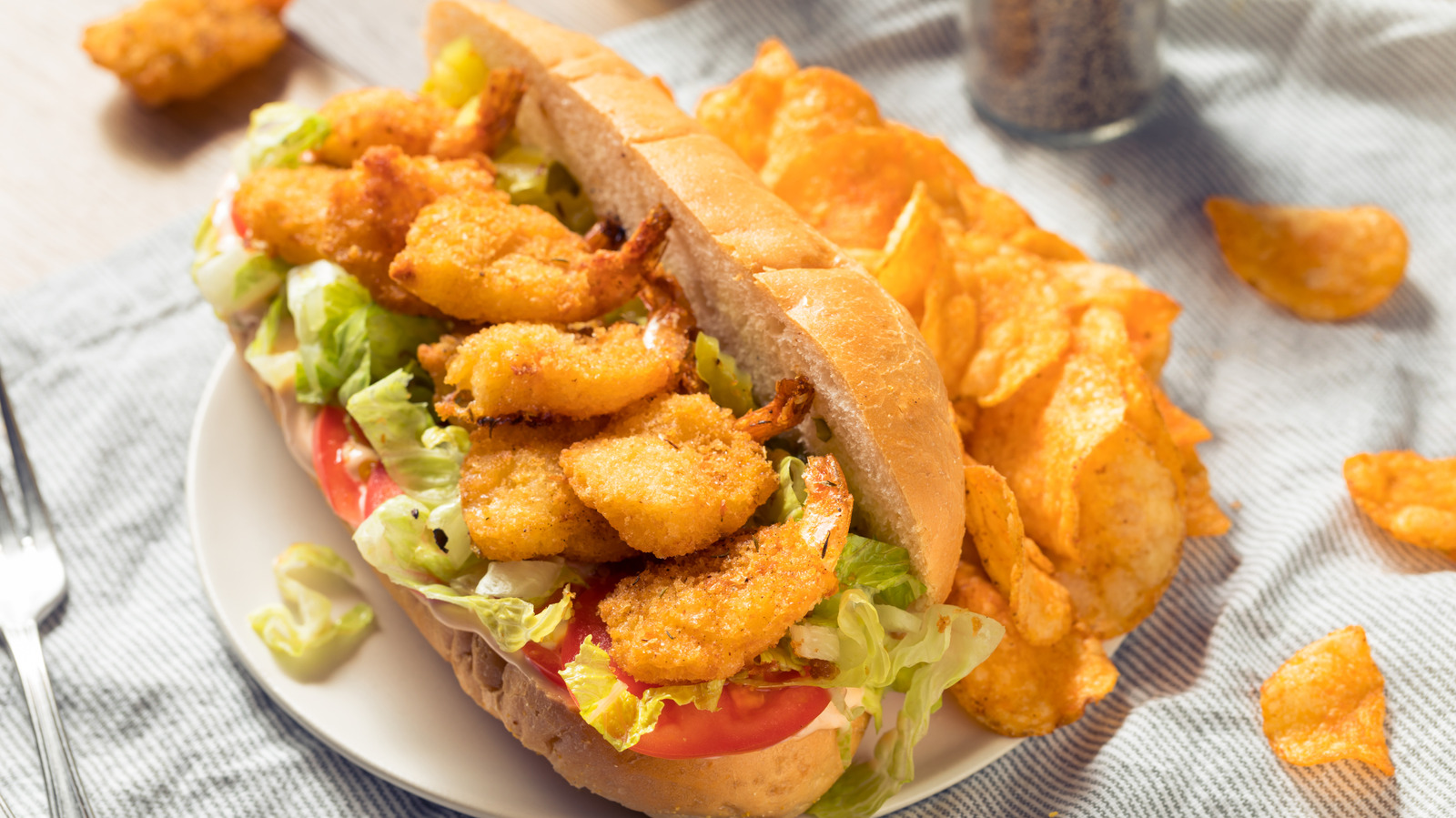
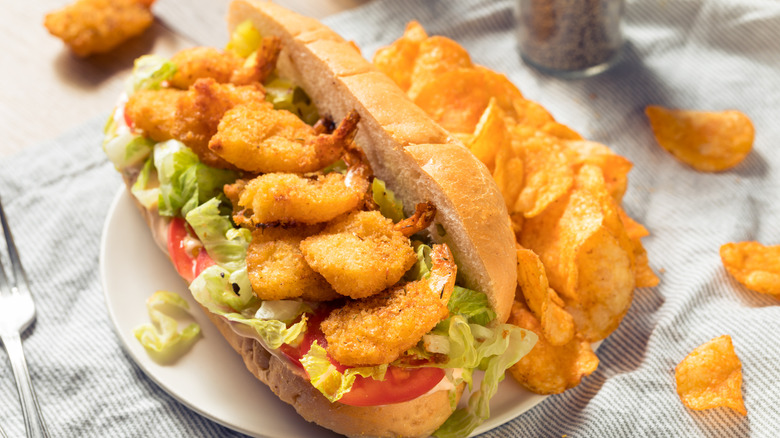
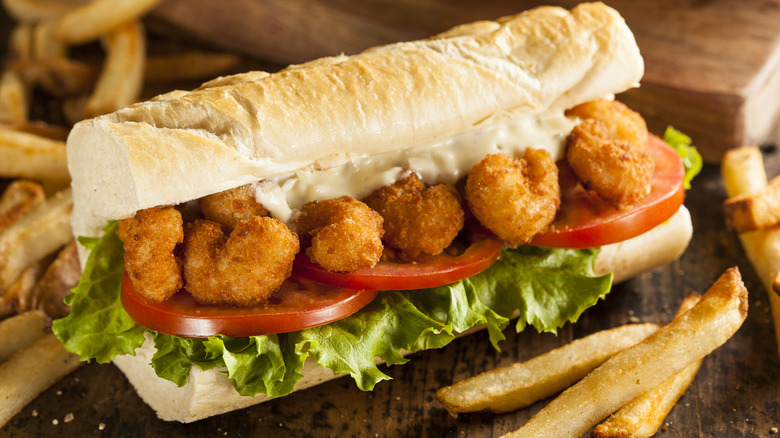
The po’boy sandwich serves as a unique case study in how labor history can directly influence food culture. In 1929, New Orleans was the site of a significant transit strike involving streetcar conductors and motormen. As these workers faced economic hardship, local restaurateurs Bennie and Clovis Martin—themselves former streetcar employees—sought to support their peers.
The brothers developed a cost-effective, hearty sandwich using long, uniform loaves of French bread sourced from the John Gendusa Bakery. These sandwiches were provided to the strikers, who were colloquially referred to as "poor boys." The practicality of the bread—which could be stuffed with inexpensive cuts of meat or fried seafood—allowed for an efficient distribution of calories. The longevity of this dish is verified by the continued operation of the John Gendusa Bakery, which remains a primary supplier of authentic po’boy bread, maintaining a direct link to the 1929 labor movement.
The Geographic Debate of Brunswick Stew
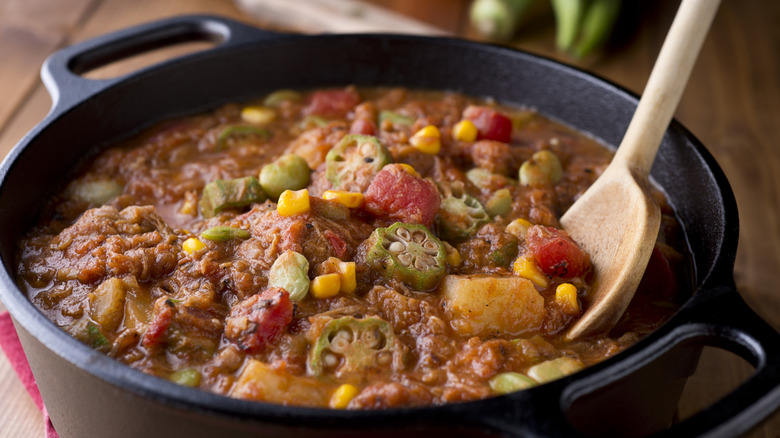
Brunswick stew exemplifies the difficulty of pinpointing a single origin for Southern dishes. Both Brunswick, Georgia, and Brunswick County, Virginia, assert legitimate claims to the dish’s creation. The recipe, traditionally featuring a base of chicken or squirrel, onions, tomatoes, and butter beans, reflects the "camp stew" tradition of the 18th and 19th centuries.
Annabella P. Hill’s 1867 cookbook provides a baseline for the dish, showing its integration into the domestic sphere following the Civil War. However, historians suggest that the true originators were Indigenous populations who shared their cooking techniques with early settlers. The debate between Georgia and Virginia remains an ongoing point of regional pride, but the consensus among food historians is that the stew likely evolved independently in various locations across the South, utilizing the wild game and seasonal vegetables accessible to rural communities.
From Hardtack to Fluffy Biscuits
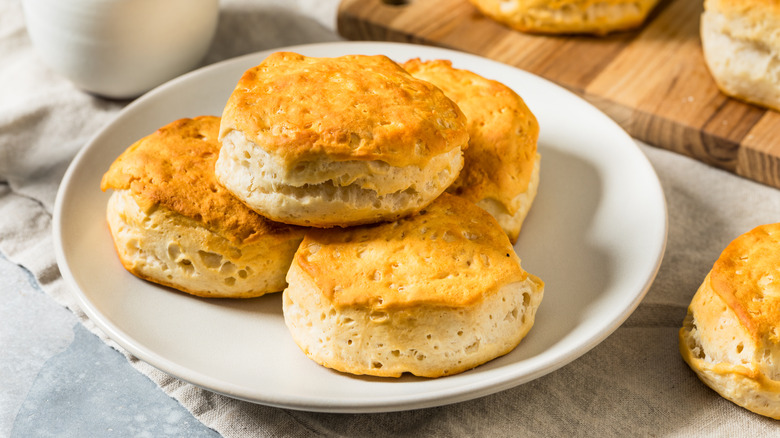
The trajectory of the Southern biscuit is a study in technological and cultural adaptation. Early European settlers brought the concept of the biscuit—a hard, flat, unleavened cracker—from the British Isles. These were practical, long-lasting sustenance for sailors and pioneers.
The transformation into the soft, buttery biscuit occurred through a combination of labor-intensive techniques and, later, industrial chemistry. In the 19th century, "beaten biscuits" were the norm, relying on the repetitive physical exertion of enslaved workers to aerate the dough. The defining moment for the modern Southern biscuit occurred in the mid-1800s with the patenting of baking powder by Harvard chemist Eben Horsford. This chemical leavening agent allowed home cooks to produce light, fluffy baked goods without the need for the arduous labor of beating dough, permanently altering the profile of the Southern breakfast table.
The Fusion of Fried Fish and Spaghetti
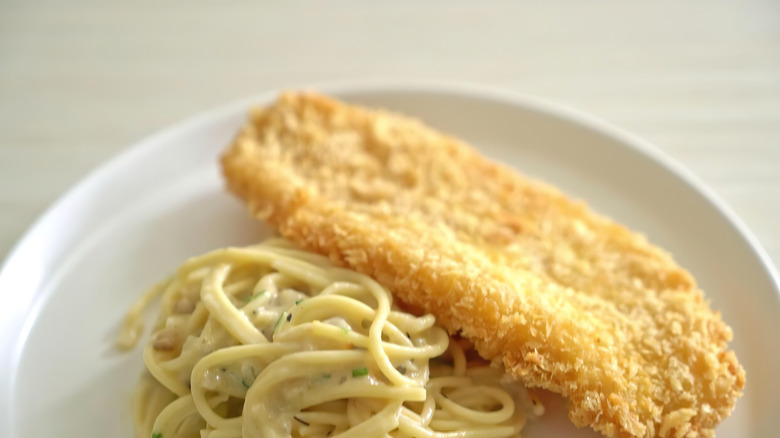
Fried fish and spaghetti, while appearing an unusual combination to outsiders, is a testament to the cultural shifts in the Mississippi Delta during the late 19th and early 20th centuries. The tradition of the "fish fry" was a vital social and sustenance-based practice among enslaved Black Americans, who utilized the abundant catfish of the Delta.
The introduction of spaghetti occurred as Italian immigrants arrived in the South to work in agriculture, often filling labor gaps following the Reconstruction era. The intersection of these two cultures resulted in a unique culinary hybrid. As Black families encountered Italian cuisine through new local eateries, the combination became an iconic meal. The dish gained broader national recognition following the Great Migration, as Southern families brought their culinary traditions to the Midwest, establishing fried fish and spaghetti as a staple in various Northern urban centers.
The Folklore of Hushpuppies
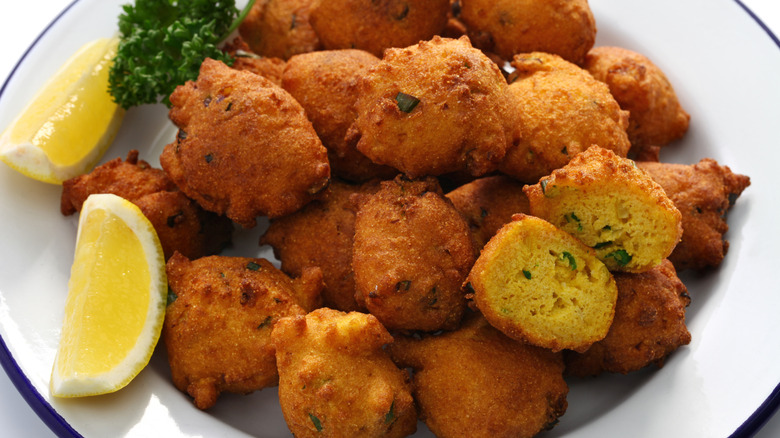
Hushpuppies represent the intersection of Southern folklore and culinary history. The simple preparation of cornmeal batter fried in hot oil is universally associated with the South, yet its specific origin remains elusive. The most prevalent theory involves the necessity of silence during hunting or military expeditions. Legend suggests that hunters or soldiers would fry cornmeal to feed their dogs, using the command "hush, puppy" to quiet the animals during tense situations.
An alternative, albeit more localized, theory posits that the term was a euphemism for fried "water dogs" (salamanders), which were consumed by impoverished populations in Louisiana who wished to avoid social stigma. Despite these varying narratives, the hushpuppy has transcended its origins as a scrappy, improvised side dish to become a permanent fixture of the Southern culinary lexicon, favored for its texture and pairing with fried seafood.
The Global-to-Southern Transition of Fried Chicken
Fried chicken is often perceived as the quintessential Southern dish, yet its origins are global. The concept of frying chicken in fat dates back to ancient Roman times and was present in various West African cultures long before the transatlantic slave trade. The Southern iteration, characterized by the use of flour and spices, was perfected in the kitchens of the antebellum South.
Enslaved people, who were responsible for the vast majority of food preparation, refined the techniques for seasoning and frying that define the modern version. Following the Civil War and emancipation, many Black women utilized these skills to establish independent businesses, selling fried chicken at train stations and local markets. While the mid-20th-century rise of fast-food franchises like KFC brought the dish to a global audience, it is essential to recognize that the fundamental techniques were established by Black cooks navigating the restrictions of a segregated society.
Broader Impact and Implications
The development of Southern cuisine is a direct reflection of the demographic shifts and social structures of the American South. The reliance on cheap, accessible ingredients—such as cornmeal, okra, and local fish—was a response to economic necessity. However, the artistry applied to these ingredients elevated them into a distinct culinary category.
The analysis of these eight dishes underscores a vital historical reality: the "Southern kitchen" was a space of significant cultural exchange, albeit one dictated by power dynamics and systemic oppression. Today, these dishes are recognized not only for their flavor profiles but as historical artifacts that preserve the contributions of the enslaved, the immigrant, and the Indigenous peoples of the region. As interest in Southern food continues to grow, there is an increasing scholarly effort to document these histories with accuracy, ensuring that the labor and innovation behind these iconic foods are acknowledged as central to the American experience.
