
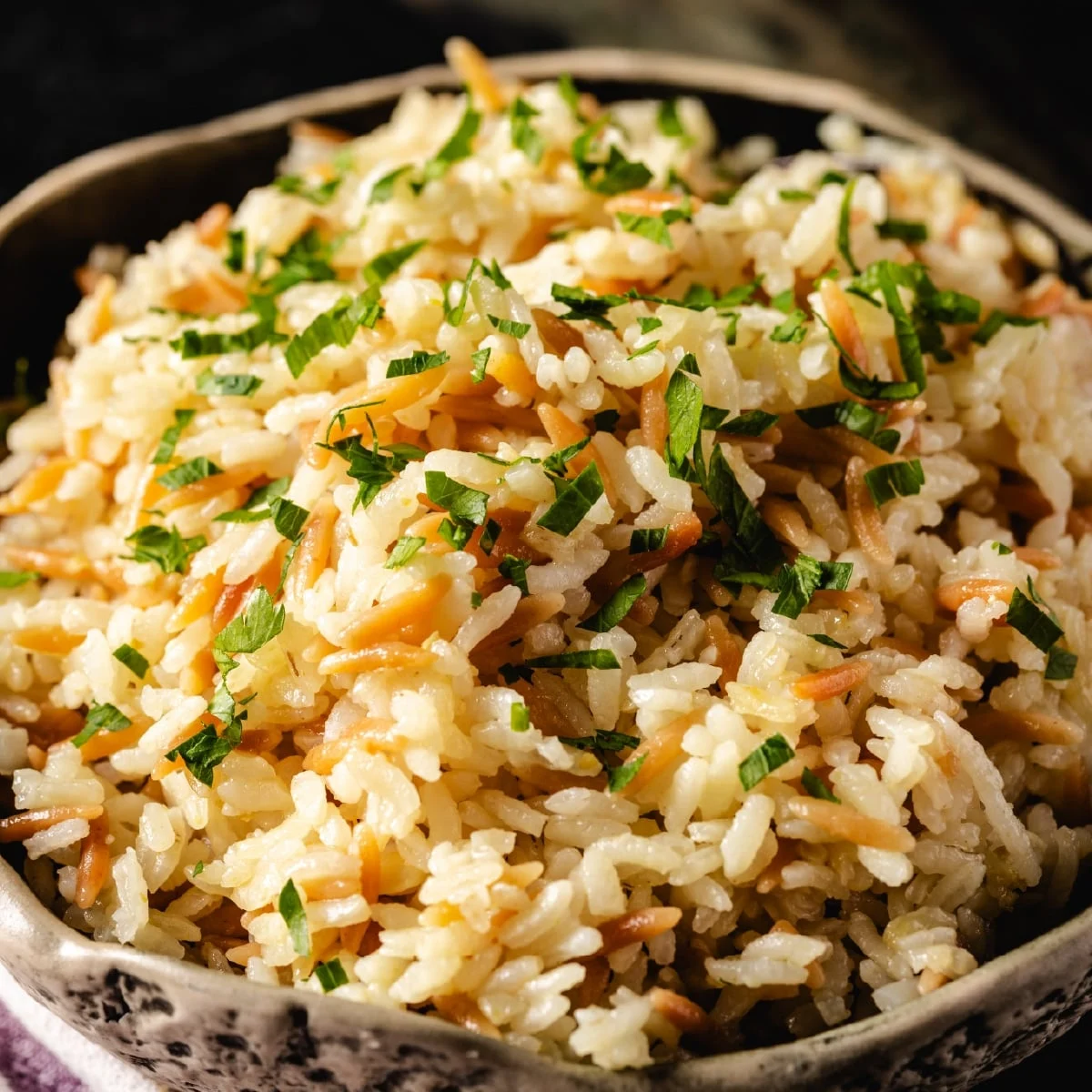
The evolution of backyard culinary arts has transitioned from simple protein-centric preparation to a holistic approach that prioritizes the quality of side dishes as much as the primary smoked meat. Among these developments, the resurgence of the Garlic Rice Pilaf as a foundational side dish for open-fire cooking has captured the attention of culinary experts and home cooks alike. By utilizing basic pantry staples—medium grain rice, orzo pasta, butter, garlic, and savory stock—this dish offers a complex flavor profile that complements the high-heat, smoky environments characteristic of modern outdoor kitchens.
Historical Context and Culinary Evolution of Pilaf
The concept of pilaf, or pilau, is deeply rooted in ancient history, with records suggesting its origins date back to the Indian subcontinent and the Middle East as early as 300 BCE. Historically, the dish served as a method for preserving grains and providing a high-energy meal for nomadic populations and military units. In the modern American outdoor cooking context, the dish has been adapted to function as a vehicle for absorbing rendered fats and savory glazes from smoked meats.

Culinary historians note that the specific technique of toasting grains in fat before the addition of liquid—a process known as the "pilaf method"—is essential for achieving a distinct texture. When orzo is toasted in butter, it undergoes a Maillard reaction, developing a nutty, browned aroma that serves as a necessary contrast to the starchier, neutral profile of long or medium grain rice. This duality of texture is what distinguishes a well-executed pilaf from standard steamed rice.
Technical Composition and Preparation Methodology
The effectiveness of a Garlic Rice Pilaf in an outdoor setting is largely dictated by the thermodynamic properties of the cooking vessel. The use of a cast-iron skillet is highly recommended by professionals due to its high thermal mass, which allows for consistent heat retention when moving from a stove-top environment to a grill grate.
The preparation process involves a three-stage sequence:

- Toasting: The orzo is sautéed in butter or a high-smoke-point oil until it achieves a golden-brown hue. This stage is critical for moisture regulation, as the fat coats the starch, preventing the grains from clumping during the simmer.
- Aromatization: Freshly minced garlic is introduced briefly to prevent burning while ensuring the infusion of volatile oils into the base.
- Absorption: The addition of room-temperature stock follows the toasting phase. The ratio of liquid to grain is typically 2:1, though this may fluctuate depending on the humidity of the environment and the specific type of rice utilized. A steady simmer, rather than a violent boil, ensures the grains remain intact and fluffy.
Nutritional Data and Dietary Implications
From a nutritional standpoint, the standard serving of this pilaf provides approximately 286 calories, with a carbohydrate content of 50 grams and 8 grams of protein. While it is often perceived as a simple starch, the inclusion of orzo—a form of pasta—slightly alters the nutritional profile compared to traditional basmati or jasmine rice.
Data regarding the glycemic index of such dishes suggests that when rice is cooked with fats and proteins, the overall absorption rate of glucose is moderated. This makes it a preferred side dish for high-protein, meat-heavy menus common in barbecue competitions and community cookouts. However, dietitians advise that the sodium content, which averages 240mg per serving, should be monitored by individuals with hypertension, particularly if the stock used contains added salt.
Integration with Modern Barbecue Trends
The rise of the "Backyard BBQ Hero" archetype—a term increasingly used in culinary marketing—reflects a broader cultural trend toward self-sufficiency in food preparation. According to market research from the National Barbecue Association, sales of outdoor cooking accessories, including heavy-duty cast-iron cookware, have seen a consistent year-over-year increase of 4.2% since 2022.

The Garlic Rice Pilaf fits into this trend by acting as a "sponge" for the products of the barbecue process. When a brisket or pork shoulder is rested, it releases a significant amount of collagen-rich rendered fat. Culinary professionals suggest that placing the pilaf beneath the resting meat allows the grains to absorb these juices, effectively elevating a simple side dish into a sophisticated component of the meal. This practice minimizes food waste and maximizes the flavor density of the entire plate.
Storage, Safety, and Food Handling
The technical challenge of rice-based dishes lies in the prevention of Bacillus cereus, a common bacterium that can survive the initial cooking process if rice is stored at improper temperatures. Food safety experts emphasize that the "danger zone"—between 40°F and 140°F—must be avoided.
For optimal storage, the pilaf should be cooled to room temperature within two hours of cooking before being transferred to an airtight container or a commercial-grade storage bag. When stored in a refrigerator at or below 40°F, the dish remains viable for consumption for 3 to 4 days. While reheating, adding a small amount of liquid or butter can help restore the original texture, as refrigeration tends to cause the starches to undergo retrogradation, leading to a firmer, less desirable consistency.

Industry Perspectives on Side Dish Innovation
Leading chefs and pitmasters have recently shifted their focus toward the synergy between traditional sides and contemporary smoking techniques. The consensus among the professional community is that side dishes should no longer be an afterthought. By utilizing simple, high-quality ingredients, home cooks can achieve results that mirror professional restaurant standards.
"The beauty of a dish like Garlic Rice Pilaf is its scalability," says a representative from the Global Culinary Research Council. "It is equally effective for a family dinner of four as it is for a large-scale catering event. The core technique remains the same, requiring only minor adjustments in vessel size and heat distribution."
Future Implications for Home Cooking
As consumers continue to seek out "from-scratch" cooking experiences, the demand for recipes that offer high impact with minimal complexity is expected to grow. The Garlic Rice Pilaf represents a shift away from pre-packaged, additive-heavy convenience foods toward a more intentional approach to home meal preparation.

Furthermore, the environmental implications of adopting such recipes are noteworthy. By relying on bulk dry goods like rice and orzo, and utilizing standard kitchen staples, consumers can reduce their reliance on single-use plastic packaging often found in processed side dishes. This shift aligns with the broader movement toward sustainable, home-based culinary practices that prioritize both efficiency and high-quality outcomes.
In conclusion, the integration of a well-prepared Garlic Rice Pilaf into the standard repertoire of a home grill enthusiast serves as a testament to the importance of foundational techniques. By mastering the balance of toasted grains, aromatic garlic, and precise liquid absorption, the amateur cook elevates the standard of their outdoor meals, ensuring that the accompaniments are as noteworthy as the primary proteins. As the culture of backyard cooking continues to mature, it is likely that such versatile, cost-effective, and historically grounded dishes will remain at the forefront of the modern menu.
