
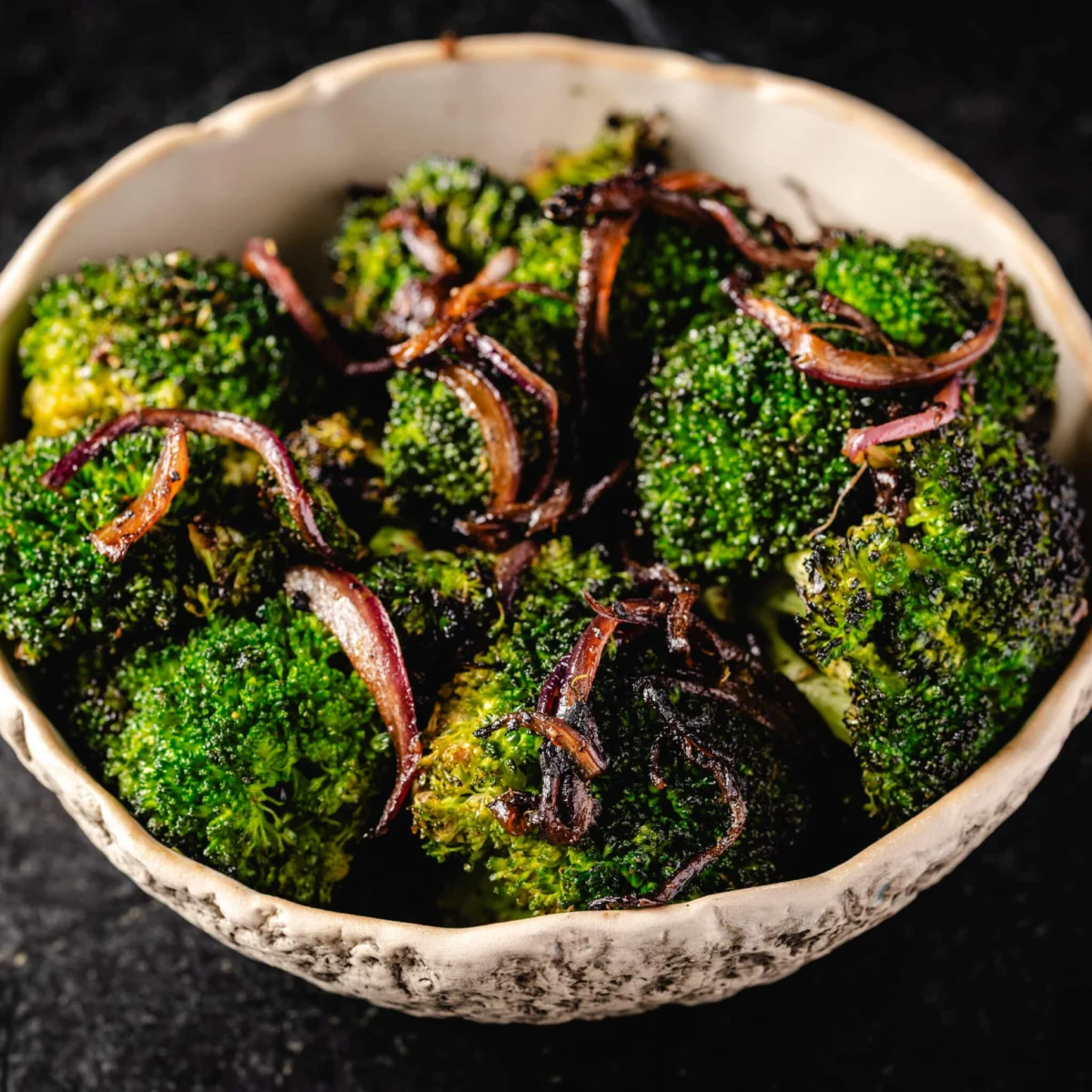
The integration of cruciferous vegetables into traditional barbecue culture represents a significant shift in contemporary outdoor culinary practices. As backyard grilling evolves from a meat-centric tradition to a holistic gastronomic experience, the preparation of charred broccoli and red onions has emerged as a standard for those seeking to balance smoky, savory proteins with nutrient-dense, plant-based accompaniments. This shift is supported by broader nutritional trends, as home cooks increasingly seek to maximize the utility of their outdoor heating equipment.
The Evolution of Outdoor Vegetable Preparation
Historically, grilling was primarily associated with high-protein cuts such as brisket, ribs, and burgers. However, over the past decade, culinary experts have demonstrated that the Maillard reaction—the chemical process responsible for the savory flavor and browning of food—is equally effective on vegetables. Broccoli, specifically, possesses a high surface area within its florets, making it an ideal candidate for absorbing smoke and developing texture over direct or indirect heat.

When subjected to the intense heat of a grill, the cellular structure of broccoli undergoes a transformation. The natural sugars caramelize, providing a depth of flavor that is unattainable through traditional steaming or boiling methods. The inclusion of red onions further enhances this profile; as the onions grill, they lose their sharp, raw pungency and develop a mild, syrupy sweetness that complements the earthy notes of the charred broccoli.
Technical Methodology and Essential Equipment
Achieving the optimal consistency for grilled broccoli requires a controlled environment. The primary challenge in grilling smaller vegetables is their propensity to fall through standard cooking grates. To mitigate this, the culinary industry has standardized the use of stainless steel grill baskets. These perforated vessels allow for the circulation of heat and smoke while ensuring the integrity of the vegetable cuts.
Professional grill masters advise that the process should begin with the thorough cleaning and drying of the broccoli florets. Moisture content is a critical variable; excess water can lead to the vegetable steaming within the basket rather than charring, resulting in a texture that many consumers find unappealing. Once dried, the application of a fat—such as olive or avocado oil—serves as a conductive medium for heat transfer.

The application of a zesty Italian dressing serves a dual purpose: it acts as a flavor profile enhancer and a protective barrier. The acidity from the vinegar component helps to tenderize the fibrous stalks of the broccoli, while the herbs and spices infuse the florets during the cooking process. Whether utilizing a house-made blend of oregano, garlic, and red pepper flakes or a high-quality commercial alternative, the goal remains to achieve a balanced flavor profile that bridges the gap between the fresh, crisp nature of the vegetable and the robust, heavy notes of the barbecue smoke.
Chronological Execution for Optimal Results
For those looking to integrate this dish into a broader meal schedule, the preparation timeline is relatively efficient, typically requiring less than 30 minutes of active and passive cooking time.
- Pre-Grill Preparation (0-10 minutes): The broccoli is cut into uniform florets to ensure even cooking, while red onions are sliced into thick wedges to prevent them from disintegrating under heat. The dressing is prepared or measured, and the grill is preheated to a medium-high temperature, approximately 400°F (204°C).
- The Charring Phase (10-20 minutes): The vegetables are placed in the grill basket and positioned over direct heat. Frequent agitation of the basket is necessary to ensure uniform browning. During this phase, the internal sugars in the onions begin to break down, while the broccoli florets develop a characteristic charred exterior.
- Finishing and Plating (20-25 minutes): Once the desired level of tenderness is achieved—typically identified by a fork-tender stalk—the vegetables are removed from the heat. A secondary application of dressing is often recommended immediately upon removal to ensure the aromatics are fresh and vibrant at the time of service.
Nutritional Profile and Health Implications
From a dietary perspective, the transition to grilled vegetables offers tangible health benefits. Broccoli is a significant source of Vitamin C, Vitamin K, and dietary fiber. When cooked via grilling, the vegetable retains these micronutrients more effectively than through prolonged boiling, which often results in the leaching of water-soluble vitamins into the cooking water.

According to nutritional data, a standard serving of grilled broccoli and red onions provides approximately 117 kilocalories, with a balanced distribution of macronutrients. The low fat content—approximately 5 grams per serving—combined with a high fiber count (6 grams) makes this dish a nutritionally dense choice. Furthermore, the inclusion of red onions introduces organosulfur compounds, which have been studied for their potential anti-inflammatory properties.
Broader Market Impact and Culinary Trends
The rise of recipes like grilled broccoli suggests a broader democratization of culinary skills. As instructional content becomes more accessible through digital platforms, home cooks are experimenting with techniques that were previously reserved for professional kitchens. This trend is further evidenced by the inclusion of such vegetable-forward recipes in mainstream barbecue literature, moving the discourse away from exclusively meat-based "Backyard Hero" narratives and toward a more inclusive, diverse plate.
Industry experts note that the "vegetable-on-the-grill" segment is currently one of the fastest-growing niches in the home-cooking appliance market. Sales of grill-safe accessories, such as cast-iron planchas and heavy-duty vegetable baskets, have seen a marked increase, correlating with the rising interest in plant-forward diets. This market data confirms that consumers are not just looking for protein-centric meals, but are seeking ways to elevate the status of vegetables to the center of the plate.

Professional Recommendations for Success
To ensure consistent success, culinary professionals emphasize the importance of temperature management. Grilling is an exercise in heat regulation; if the temperature is too low, the vegetables become mushy; if it is too high, the exterior chars before the interior is cooked through. A steady, medium-high heat is the "sweet spot" for achieving the desired textural contrast—a crispy, charred exterior paired with a tender, firm interior.
Additionally, while the recipe allows for versatility in seasoning, the acidity of the dressing remains the most vital component. The brightness provided by the vinegar or lemon juice cuts through the fattiness of any accompanying proteins, effectively "cleansing" the palate between bites. This balance is a cornerstone of professional menu design and is easily replicable in a residential setting.
In conclusion, the preparation of grilled broccoli and red onions serves as an accessible entry point for those looking to refine their outdoor cooking techniques. By focusing on the fundamentals—moisture control, heat management, and the judicious use of acidity—home cooks can produce a restaurant-quality side dish that complements a variety of main courses, ultimately enhancing the versatility and enjoyment of the backyard grilling experience. As the industry continues to prioritize health-conscious and vegetable-centric cooking, dishes like this are likely to remain staples of the modern outdoor menu for years to come.
