
The Evolution of Convenience Cuisine
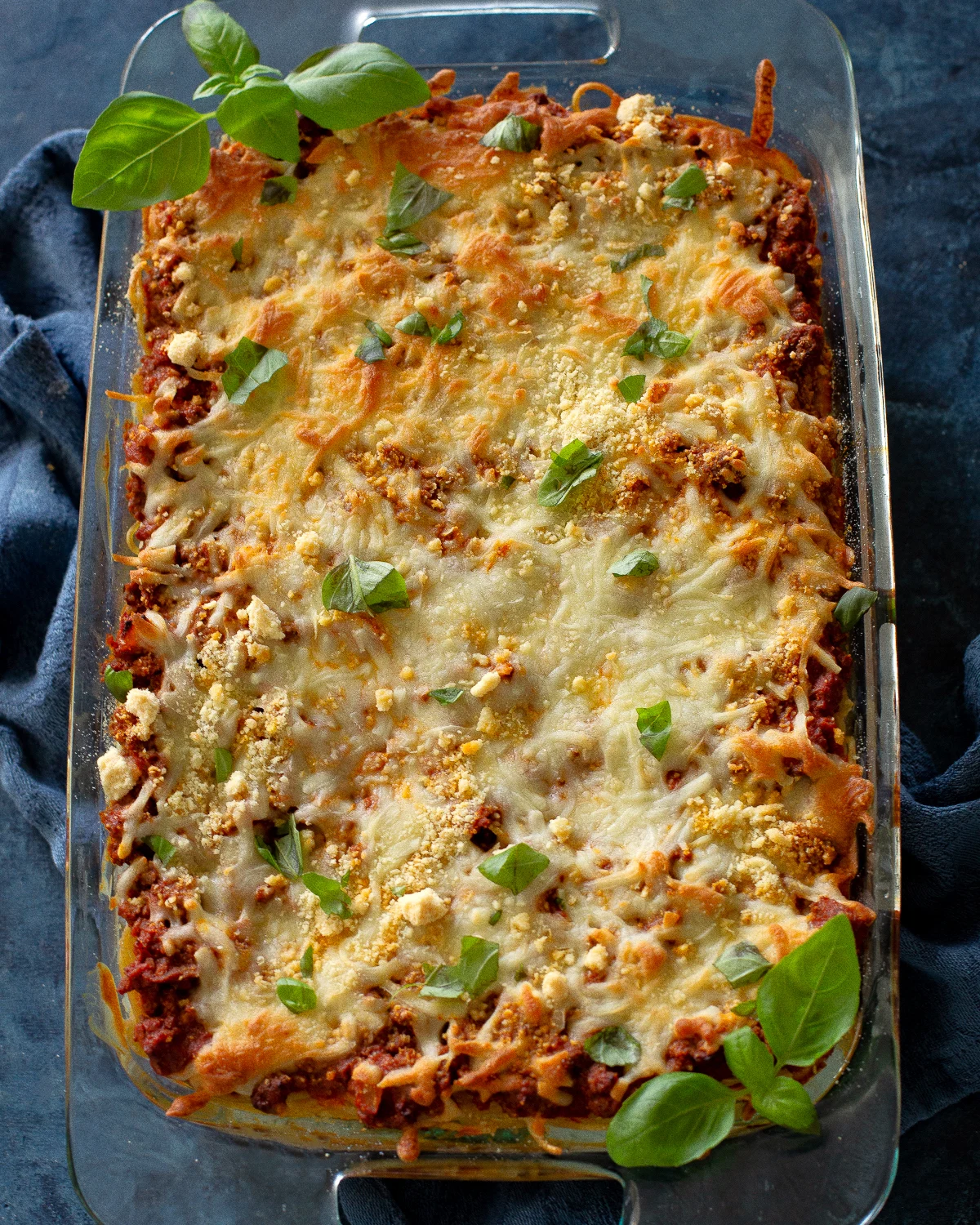
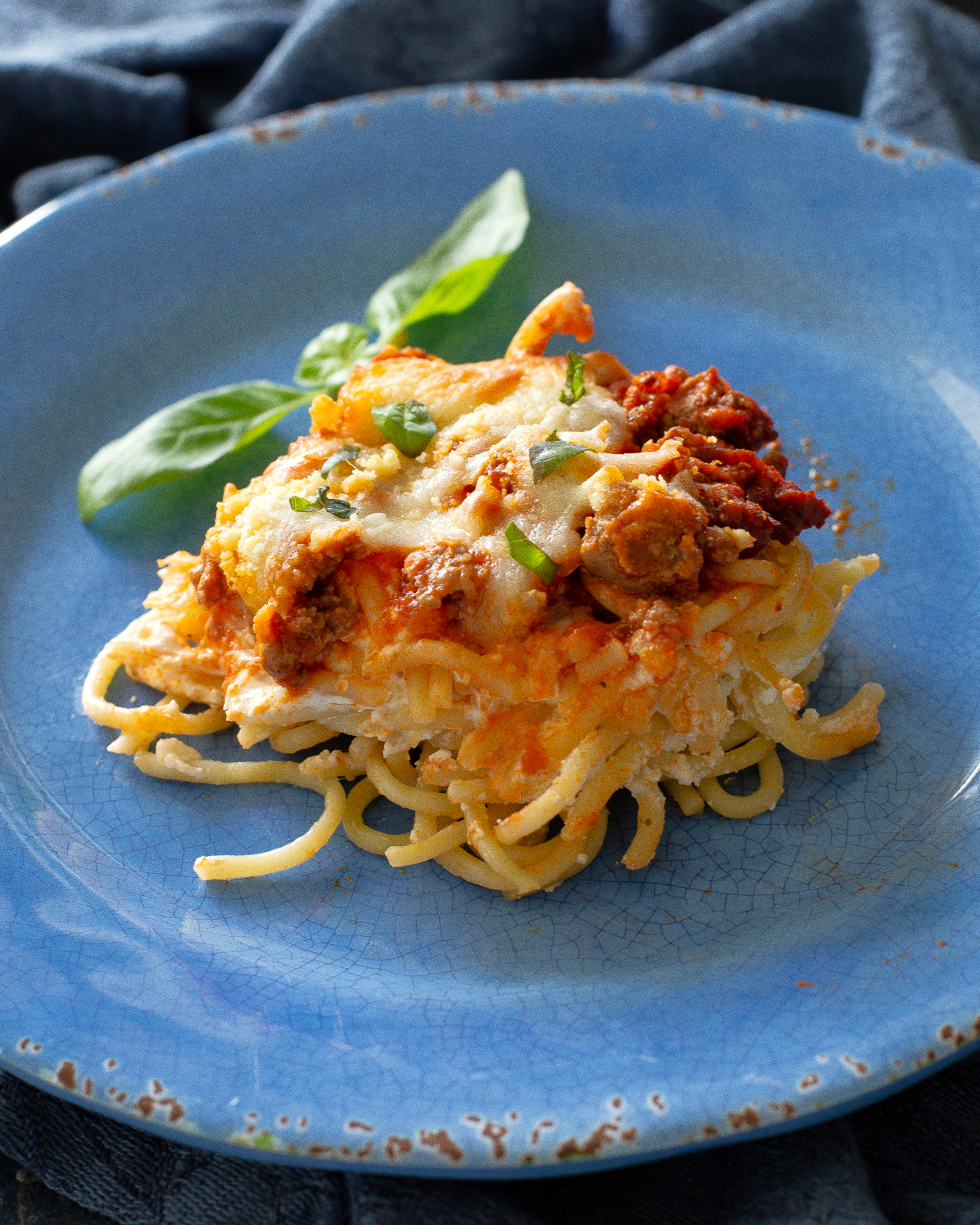
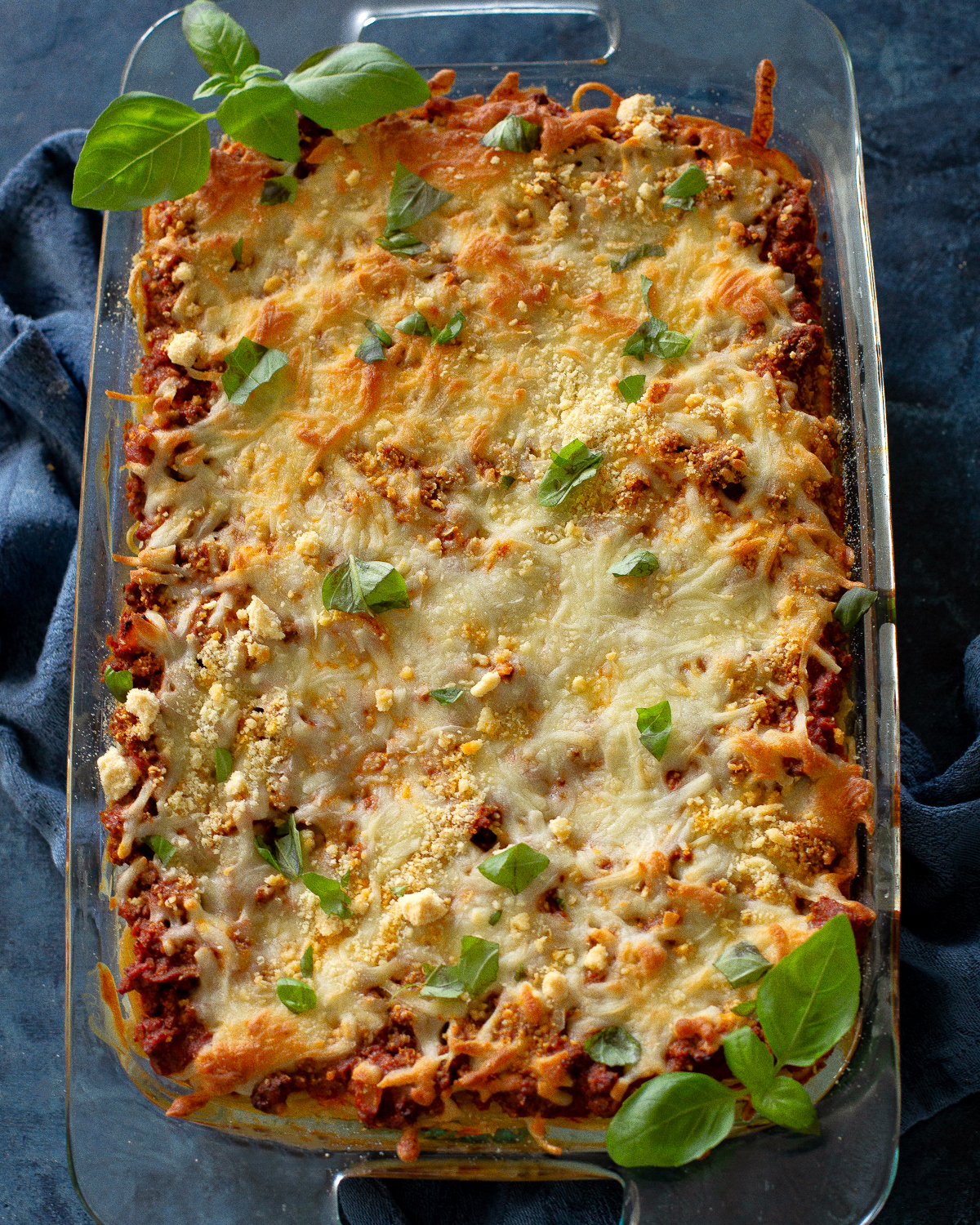
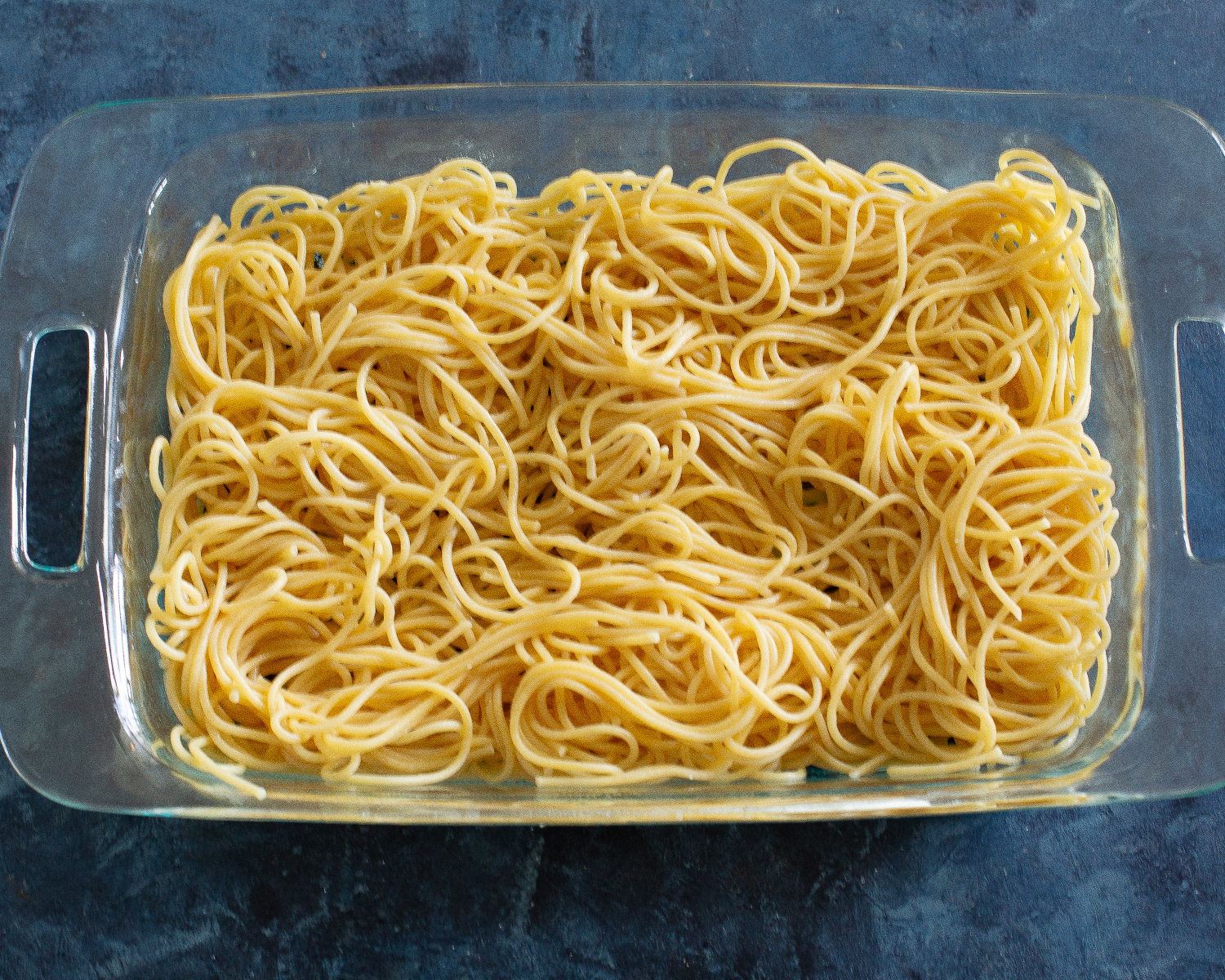
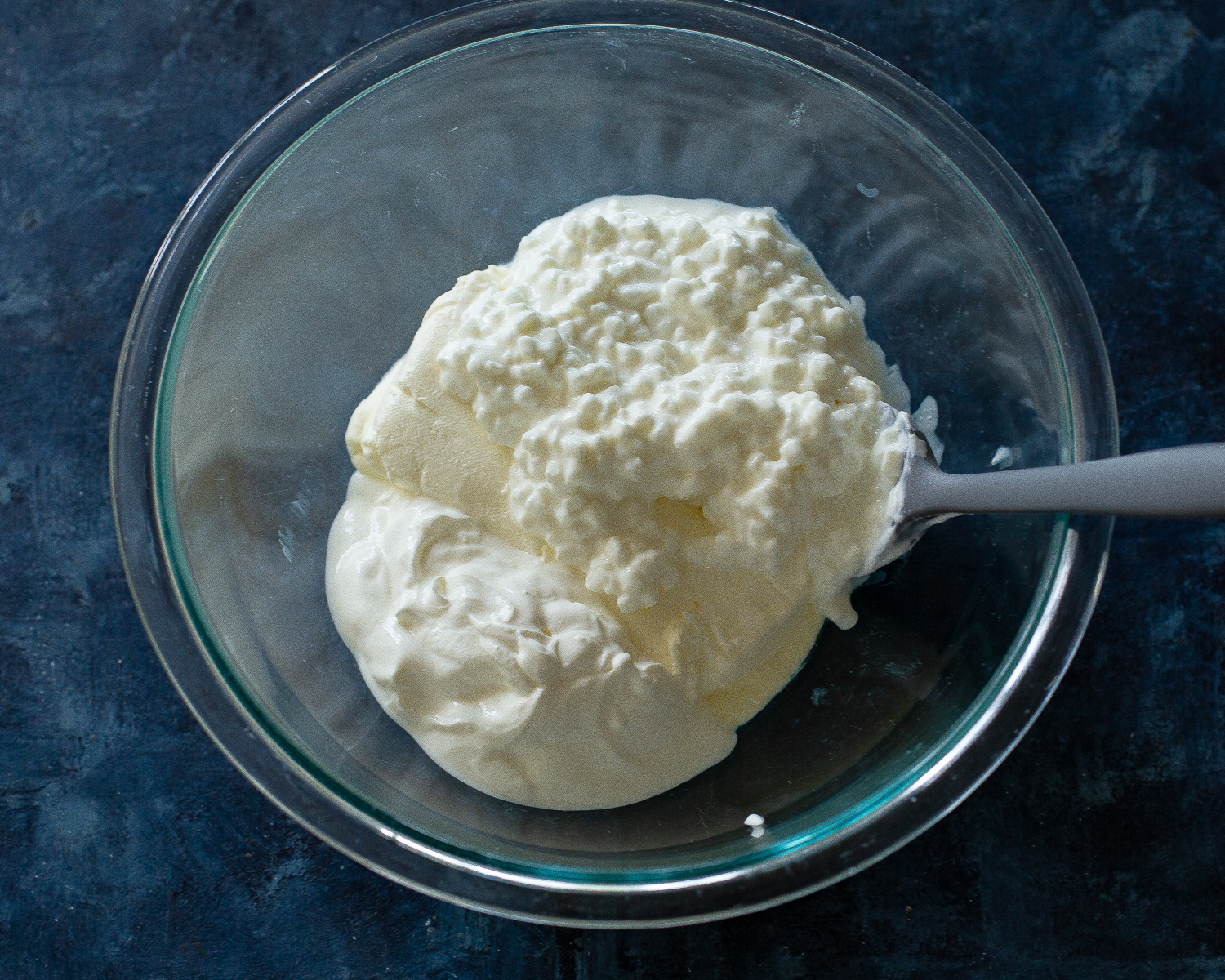
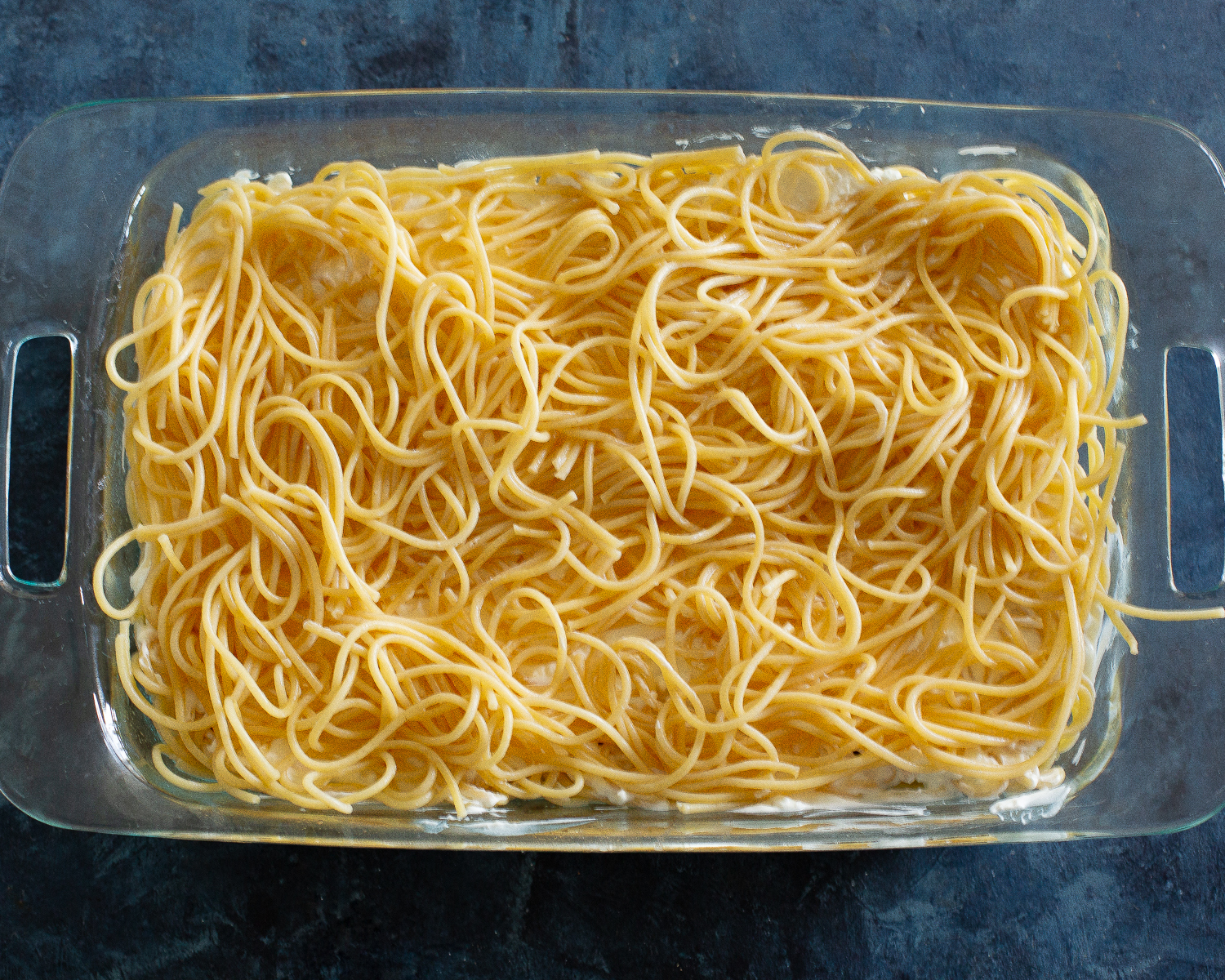
The concept of the "Million Dollar Spaghetti" originates from the American mid-century tradition of casserole cookery, which prioritized the assembly of pantry staples into hearty, filling meals. In contemporary food culture, this dish has evolved into a strategic solution for busy households. By layering seasoned beef, pasta, and a rich, creamy binder composed of cottage cheese, cream cheese, and sour cream, the dish mimics the structural integrity of a lasagna without the requirement of manually layering delicate pasta sheets or creating a slow-simmered béchamel sauce.
The efficiency of this dish is rooted in its compatibility with modern freezer storage. According to home food safety guidelines provided by the USDA, most cooked pasta dishes can be safely frozen for up to three months without a significant decline in quality, provided they are stored at 0°F (-18°C) or lower. This makes Million Dollar Spaghetti a prime candidate for "batch cooking"—a practice that has seen a resurgence in popularity due to its potential to reduce food waste and minimize the frequency of grocery shopping.
Chronology of Preparation and Storage
The preparation of this meal typically follows a standardized workflow that emphasizes scalability. For those looking to maximize their time, the process is divided into three distinct phases: protein preparation, binder integration, and assembly.
- Protein Preparation: The process begins by browning ground beef or alternative proteins. Nutritionists often suggest draining excess fat to maintain the integrity of the sauce, particularly if the dish is intended for freezing, as excess moisture can lead to freezer burn or texture degradation.
- Binder Integration: The signature "Million Dollar" quality comes from the creamy mixture. By blending cottage cheese, cream cheese, and sour cream, the cook creates a high-fat, stable emulsion that acts as a structural anchor for the noodles. This mixture is often cited as a "hidden" ingredient, as the texture becomes uniform once baked, effectively neutralizing the distinct curds of the cottage cheese.
- Assembly and Freezing: Once the components are layered, the casserole can be transferred to a freezer-safe container. Professional chefs recommend covering the dish with multiple layers of moisture-resistant film to prevent ice crystal formation. When the meal is required, it must be thawed in a refrigerator—typically over a 12 to 24-hour period—to ensure that the internal temperature rises uniformly during the subsequent baking process.
Analytical Perspectives on Freezer-Friendly Meals
The rise of freezer-friendly dishes like Million Dollar Spaghetti represents a broader shift in domestic labor. Research into household management suggests that individuals who engage in structured meal planning report lower levels of stress and a higher adherence to nutritional goals. By automating the "dinner decision," families can avoid the reliance on processed takeout options, which are often higher in sodium and preservatives.
From a culinary standpoint, the dish provides a study in flavor layering. While a traditional lasagna relies on the separation of distinct layers, the Million Dollar Spaghetti allows for the ingredients to meld more aggressively. The inclusion of cream cheese adds a level of richness that is often absent in standard spaghetti bakes, providing a mouthfeel that justifies the "million dollar" moniker—a colloquial term often applied to recipes that deliver high-value results from modest ingredients.
Nutritional and Economic Considerations
When analyzing the impact of such meals, one must consider both the economic and nutritional dimensions. Economically, purchasing ingredients in bulk—specifically pasta, ground beef, and dairy products—can reduce the cost per serving significantly. For a standard recipe that yields 12 servings, the cost of ingredients is relatively low compared to pre-packaged, single-serve frozen meals found in retail outlets.
Nutritionally, while this dish is considered a "comfort food," it is not inherently unhealthy when portion-controlled. Nutritionists often advise pairing the pasta with nutrient-dense sides, such as a crisp green salad or roasted vegetables, to balance the glycemic load of the pasta. The inclusion of high-protein dairy bases provides a modest increase in calcium and protein content compared to a traditional tomato-based pasta dish.
Official Responses and Culinary Best Practices
In the context of food safety and storage, experts in domestic science provide specific guidance for those adopting this style of cooking:
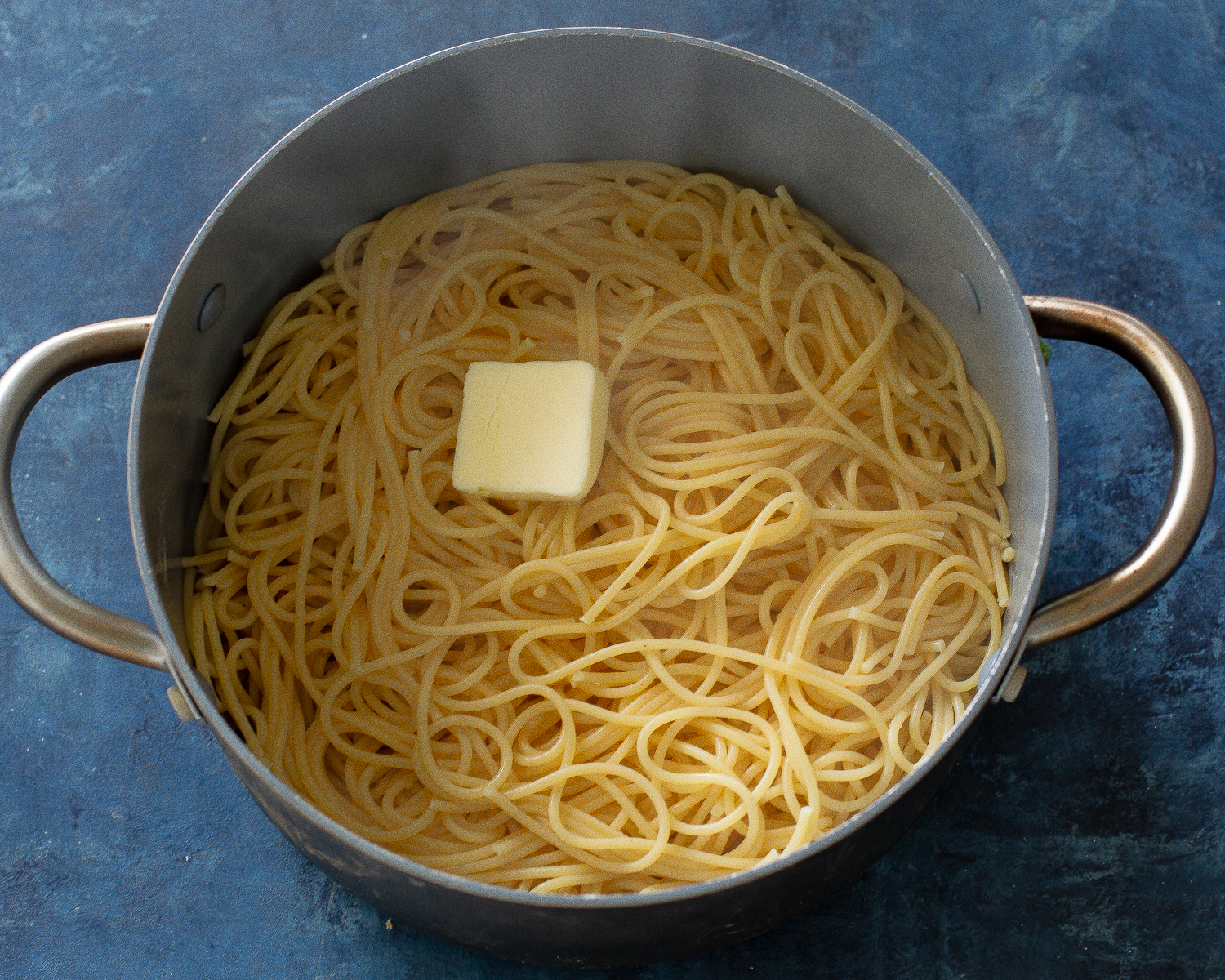
- Avoid Overcooking Pasta: When preparing pasta for a casserole intended to be frozen, the noodles should be cooked to "al dente" or slightly less. During the final baking phase, the noodles will absorb moisture from the sauce. If they are overcooked initially, the final product may result in a mushy texture.
- Temperature Regulation: The USDA emphasizes that casseroles should reach an internal temperature of 165°F (74°C) to ensure safety. For a large, frozen casserole, this often requires an extended baking time, sometimes involving a "foil-on, foil-off" technique to ensure the center is heated through without burning the top layer of cheese.
- The Role of Moisture: Creamy binders are susceptible to separation if the dish is cooked at temperatures that are too high for an extended duration. Keeping the heat consistent and moderate is key to maintaining the integrity of the dairy components.
Broader Impact on Domestic Habits
The enduring popularity of the Million Dollar Spaghetti highlights a shift in how society views the "home-cooked meal." In an era characterized by rapid technological advancement and time poverty, the ability to produce a high-quality, comforting, and reliable dinner on demand is a significant asset.
This dish has moved beyond the pages of cookbooks and into the digital sphere, where social media and food blogs have facilitated a community of practice. By sharing tips on everything from the best types of pasta to use to the most effective ways to thaw frozen casseroles, home cooks are democratizing the knowledge required to manage a busy household.
Furthermore, the environmental implications of this approach cannot be overlooked. By relying on home-prepped meals rather than store-bought frozen dinners, households reduce the amount of single-use plastic packaging typically associated with processed, individual meals. The focus shifts toward reusable glassware or durable aluminum pans, aligning with broader sustainability efforts.
Conclusion
Million Dollar Spaghetti serves as more than just a recipe; it is a manifestation of contemporary efficiency. By streamlining the preparation process of a classic Italian-American favorite, it offers a pragmatic solution for individuals navigating the complexities of modern life. Whether viewed through the lens of nutritional value, economic savings, or simply the desire for a reliable, comforting meal at the end of a demanding day, the dish remains a testament to the utility of traditional cooking methods adapted for the modern era. As the culinary landscape continues to evolve, the emphasis on dishes that prioritize both flavor and functionality will likely remain a cornerstone of domestic kitchen management, ensuring that "Faux Lasagna" retains its place as a staple in the modern repertoire.
