

The Rise of One-Pan Culinary Methods
The one-pan pasta technique has gained significant traction in the culinary industry over the last decade. Historically, pasta preparation required separate vessels for boiling water and preparing sauces. The modern iteration, which involves simmering pasta directly in a broth or sauce base, relies on the starch released from the noodles to emulsify the liquid, creating a naturally creamy consistency without the need for traditional roux or heavy-handed additives.
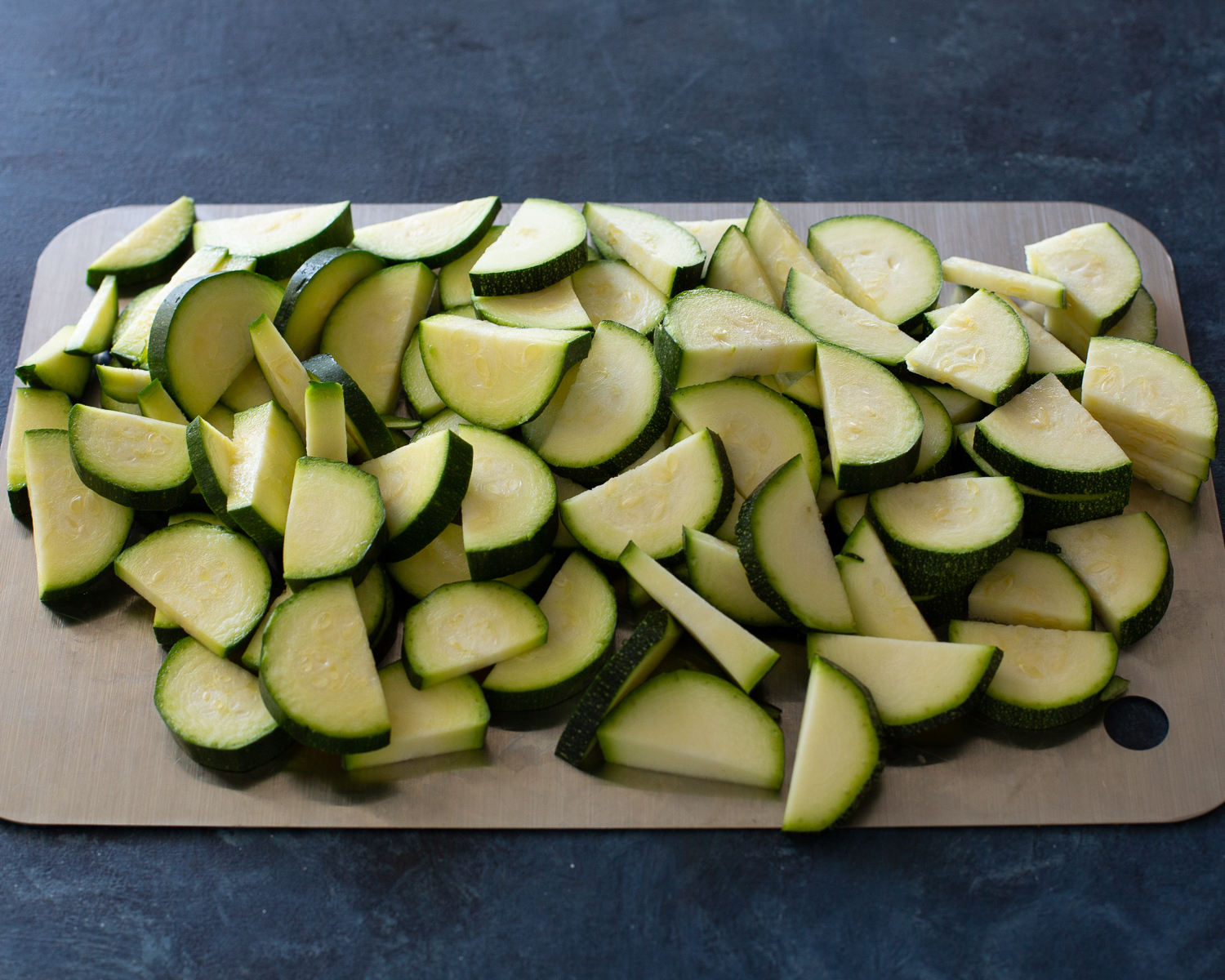
This specific application, focusing on zucchini and yellow squash, serves as a response to the agricultural phenomenon of the "zucchini glut." During peak harvest months—typically July through September in the Northern Hemisphere—home gardeners and commercial growers alike often find themselves with an overwhelming surplus of Cucurbita pepo. Because zucchini is highly perishable and produces prolific yields, consumers have sought innovative ways to incorporate the vegetable into daily diets beyond traditional sautéing or roasting.

Nutritional Context and Seasonal Agriculture
Zucchini and yellow squash are members of the summer squash family, prized for their high water content, low caloric density, and versatility in cooking. According to data from the United States Department of Agriculture (USDA), a single cup of raw, sliced zucchini contains approximately 17 calories and provides significant amounts of Vitamin C, potassium, and manganese.
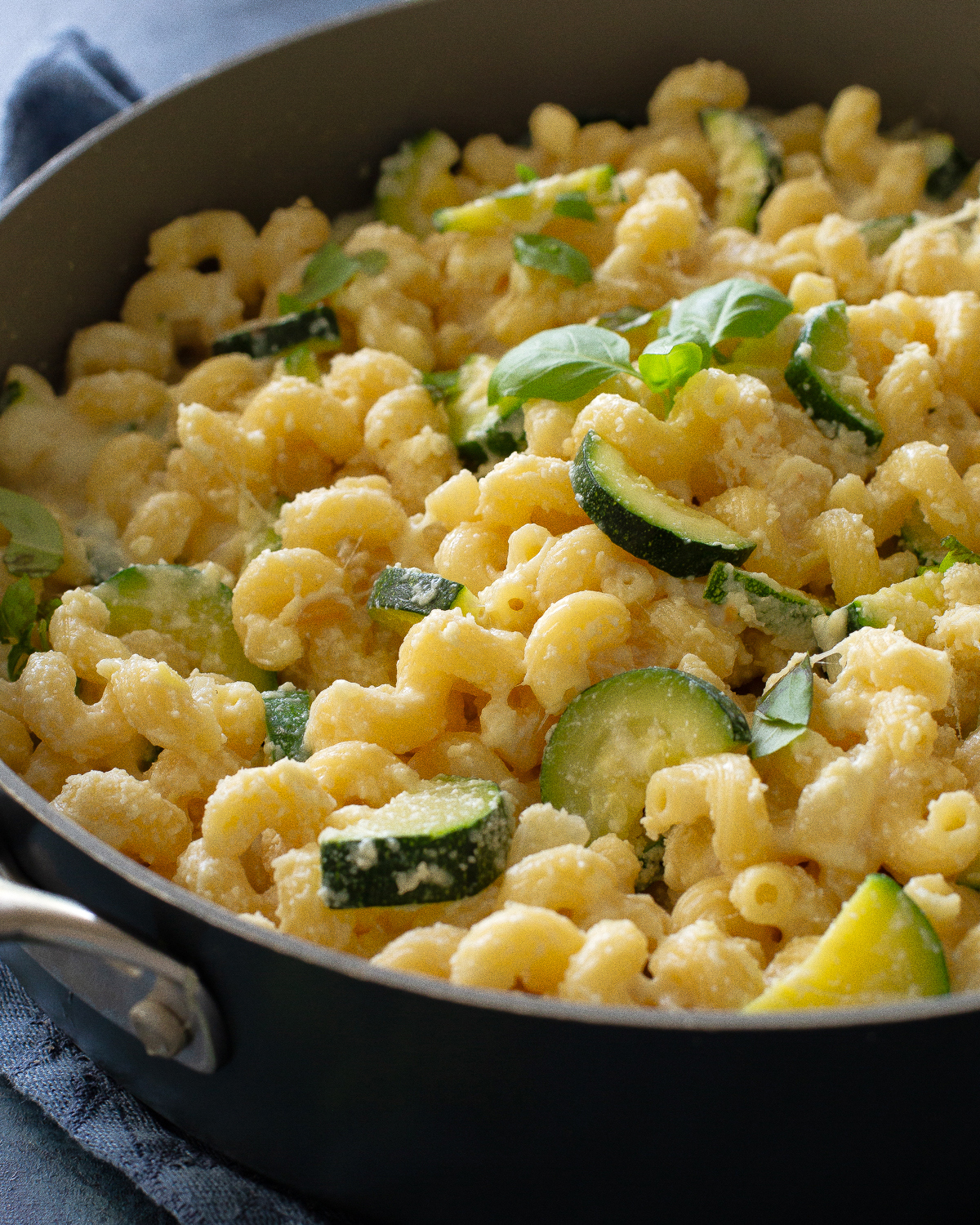
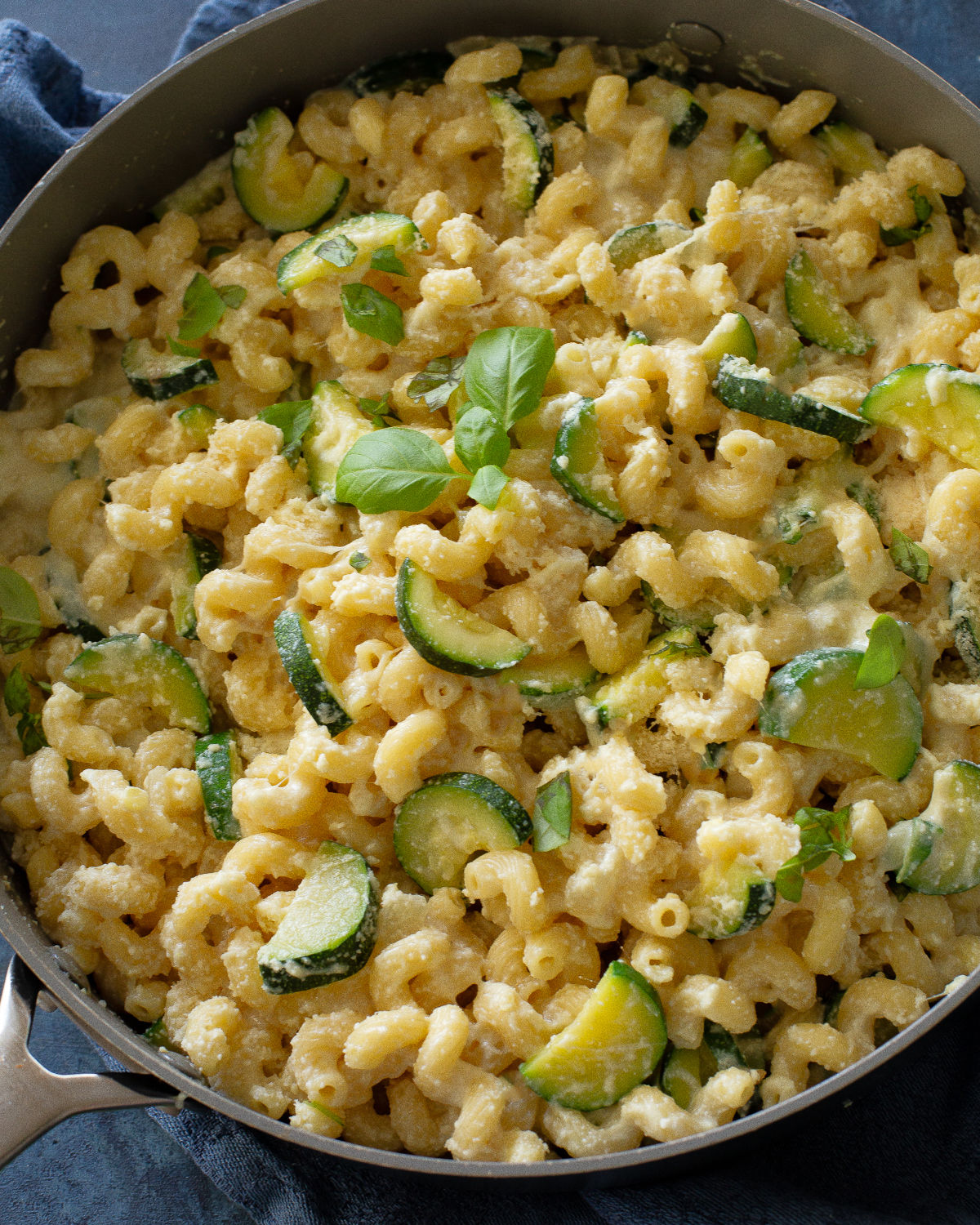
The decision to pair these vegetables with a rich, cheese-based sauce—specifically utilizing ricotta, mozzarella, and Parmesan—is nutritionally strategic. The high moisture content of the squash allows it to soften rapidly under heat, releasing its natural sugars and creating a delicate texture that complements the density of the cheeses. Ricotta provides a creamy, mild base; mozzarella adds the characteristic "stretch" and elasticity; and Parmesan introduces a sharp, umami-rich finish that balances the subtle sweetness of the summer squash.
Culinary Chronology: The Evolution of the Dish
The history of squash-based pasta can be traced back to Mediterranean traditions where local vegetable harvests dictated the contents of the kitchen pantry. However, the systematic integration of one-pan methodology into this dish follows a specific timeline:
- Early 2010s: The "one-pot pasta" concept gained widespread popularity in the United States, popularized by food journalists and cooking bloggers who sought to simplify the weeknight meal process for working families.
- Mid-2010s: Chefs began experimenting with "creamy" vegan and vegetarian pasta bases, moving away from heavy cream towards starch-water emulsions and ricotta-based sauces.
- 2020-2024: The post-pandemic culinary landscape saw a surge in "pantry cooking," where convenience and the utilization of garden-fresh ingredients became a priority. The One-Pan Creamy Zucchini Pasta emerged as a definitive staple during this period, bridging the gap between farm-to-table freshness and high-speed convenience.
Ingredient Synergy and Technical Execution
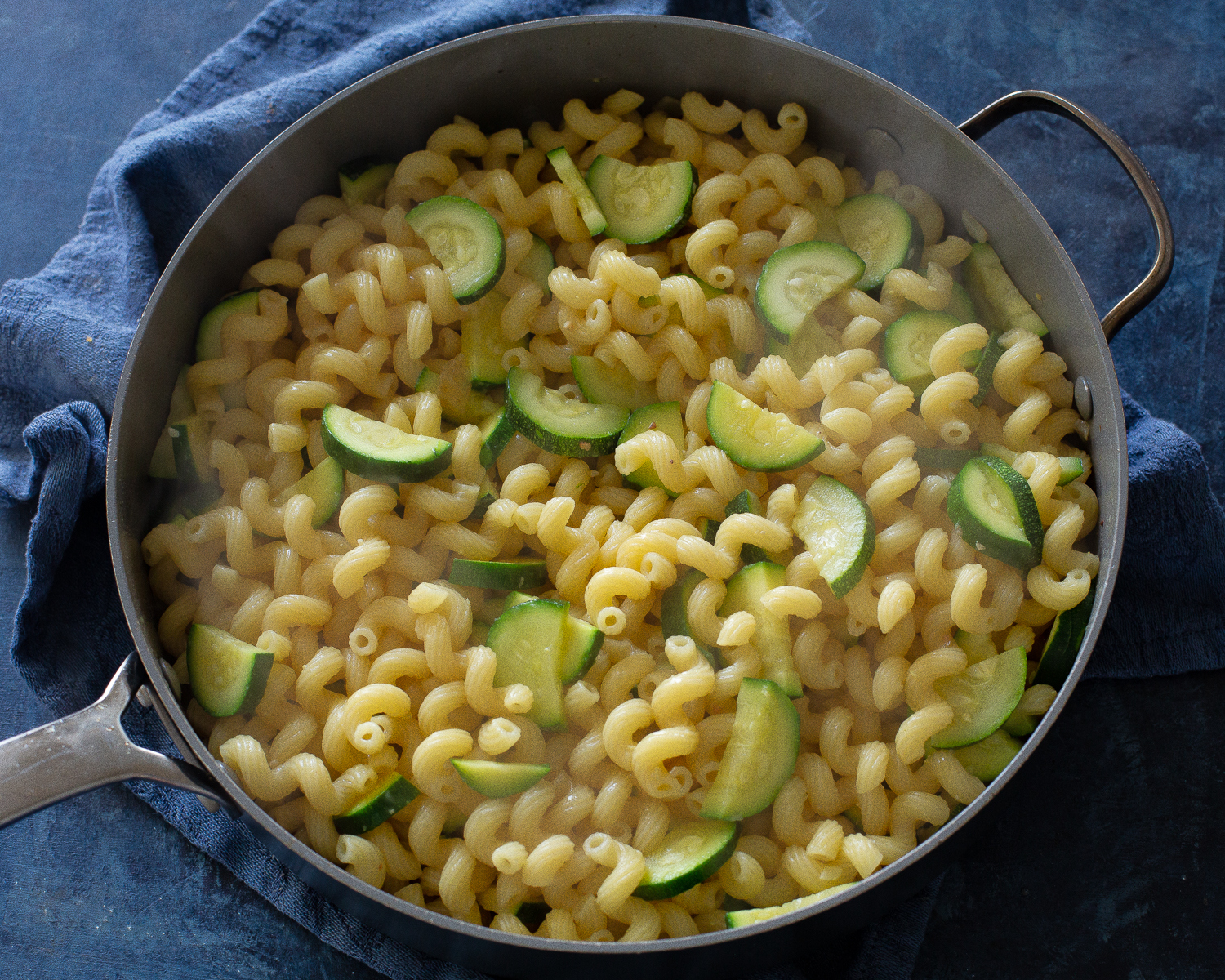
Professional chefs often emphasize that the success of a one-pan dish relies on the ratio of liquid to starch. When cooking pasta in a single vessel with zucchini, the timing of vegetable addition is critical. If added too early, the zucchini loses structural integrity, turning into a puree; if added too late, it remains raw and unintegrated.
The optimal method, as utilized in current culinary standards, involves searing the squash briefly before the liquid and pasta are introduced. This preserves the color and texture of the vegetables. The introduction of the cheeses—specifically the ricotta and mozzarella—should occur in the final stage of cooking, after the pasta has absorbed the majority of the liquid. This ensures the cheese does not separate or become overly oily.
Economic and Environmental Implications
The move toward one-pan meals is not merely a matter of convenience; it has tangible economic and environmental impacts. By utilizing a single pan, households reduce their water usage—an essential factor in sustainable living—and lower energy consumption associated with heating multiple burners.
Furthermore, the emphasis on using seasonal produce like zucchini serves as a form of food waste mitigation. Many households discard surplus garden vegetables when they cannot consume them quickly enough. Recipes that call for large quantities of these specific vegetables encourage consumers to prioritize local, seasonal produce over imported alternatives, thereby reducing the carbon footprint associated with long-distance food transportation.
Nutritional Analysis and Dietary Considerations
For health-conscious consumers, the inclusion of summer squash in a pasta dish increases the overall fiber content of the meal. While traditional pasta is often viewed as a refined carbohydrate, the addition of two or more cups of zucchini per serving significantly lowers the glycemic load of the meal compared to plain pasta consumption.
The cheese selection is also noteworthy. Parmesan, being an aged cheese, is relatively low in lactose, making it accessible to many individuals with mild sensitivities. The use of ricotta, a whey-based cheese, provides a lighter protein source compared to traditional heavy cream or butter-based sauces. This creates a profile that is satisfying without the heaviness associated with classic Alfredo or carbonara preparations.
Broader Impact on Home Cooking Trends
The persistence of the One-Pan Creamy Zucchini Pasta in the current culinary zeitgeist reflects a broader cultural shift toward "simplified cooking." In an era where time is a premium commodity, the reduction of cleanup time is just as important as the quality of the finished product.
Industry analysts suggest that the popularity of this dish underscores a growing consumer preference for "functional home cooking." Consumers are no longer looking for recipes that are merely aesthetically pleasing; they are searching for solutions that solve logistical problems—such as what to do with a garden surplus—while maintaining high standards of flavor and nutrition.
Future Perspectives in Recipe Development
As food technology continues to evolve, the application of one-pan methodology is expanding into other food groups. The success of the zucchini-based model has led to similar approaches involving heartier vegetables like broccoli, cauliflower, and even protein-heavy additions like chickpeas and lentils.
Furthermore, the integration of digital tools—such as recipe apps and AI-driven meal planners—has allowed home cooks to adapt these one-pan templates to their specific dietary requirements. Whether it is adjusting the type of cheese for a lactose-free diet or swapping the pasta for a gluten-free alternative, the underlying framework of the one-pan dish remains robust and adaptable.
In conclusion, the One-Pan Creamy Zucchini Pasta stands as a testament to the efficacy of simple, ingredient-forward cooking. By leveraging the natural properties of the ingredients and applying a streamlined cooking technique, it offers a sustainable, efficient, and nutritionally balanced option for modern households. Its continued relevance in the culinary landscape is a reflection of a society that increasingly values both the convenience of the modern world and the traditional rewards of seasonal, plant-based cooking.
