
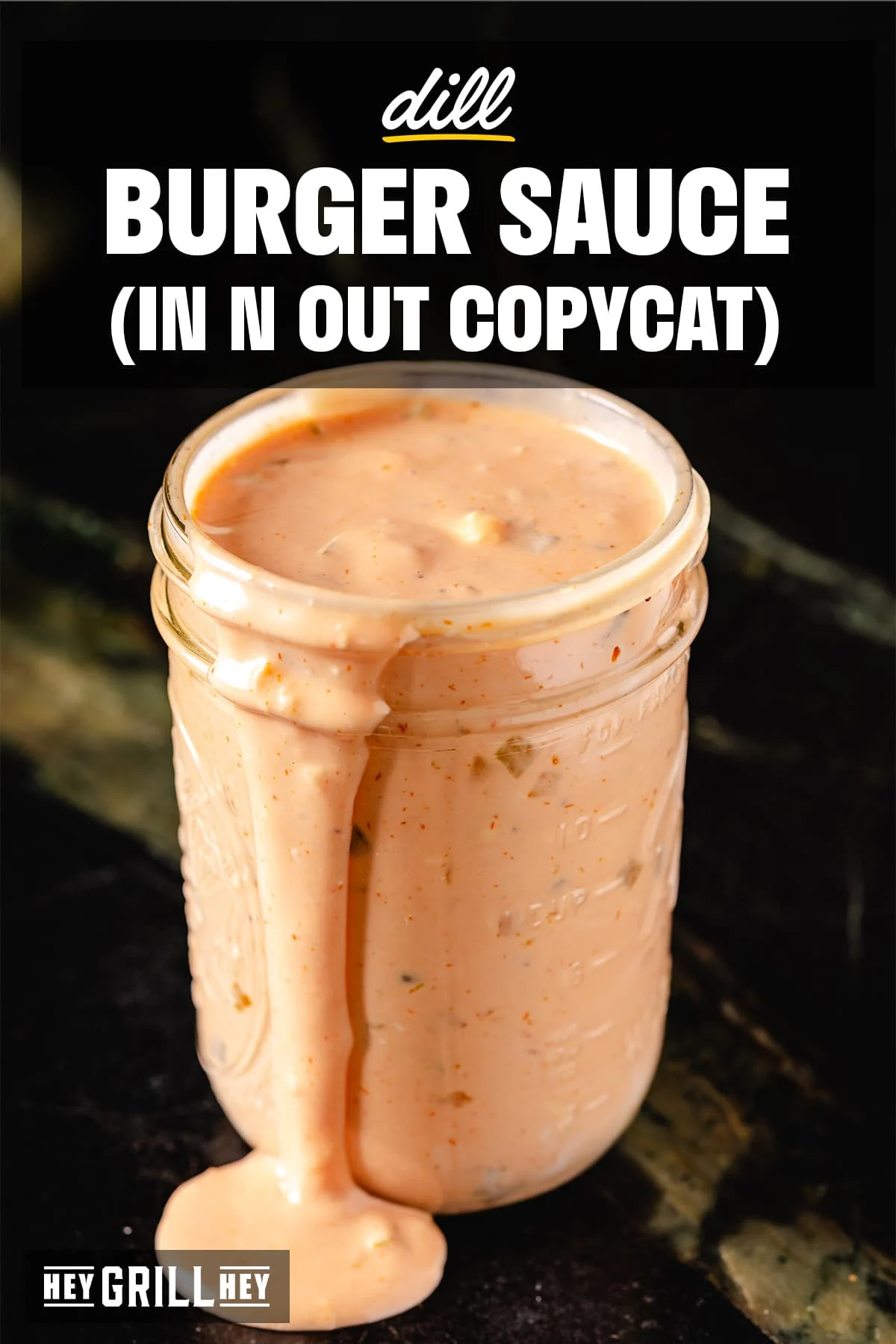
The landscape of American casual dining has long been defined by the signature "secret sauces" that distinguish regional burger chains from one another. Among the most recognizable is the spread popularized by the California-based In-N-Out Burger, a creamy, savory-sweet condiment that has achieved near-cult status in the culinary world. This specific profile—characterized by a mayonnaise-ketchup emulsion punctuated by finely diced pickles—is now a staple in home kitchens, driven by a growing trend of "copycat" cooking that seeks to replicate restaurant-grade experiences with pantry staples.
The Anatomy of a Classic Burger Spread
The foundation of the classic diner-style burger sauce rests on the principle of emulsification. At its core, the sauce utilizes a base of mayonnaise and ketchup. The mayonnaise provides the necessary fat content to create a mouth-coating, velvety texture, while the ketchup introduces acidity, sweetness, and the signature pink hue associated with "fry sauce" or "special sauce."
What differentiates the specific In-N-Out style variation is the inclusion of finely diced dill pickles or relish. Unlike other iterations that may rely heavily on sweet relish, the dill-forward approach introduces a sharp, briny brightness that cuts through the richness of a beef patty. According to food science analysis, the inclusion of vinegar—often added to the base mixture—acts as a stabilizer, balancing the sugar content of the ketchup while enhancing the herbaceous notes of the dill.
Historical Context and the Rise of Secret Sauces
The concept of the "secret sauce" dates back to the mid-20th century, a period marked by the explosion of the American drive-thru culture. As burger joints sought to differentiate themselves from competitors, the development of a unique, proprietary condiment became a strategic marketing tool. For In-N-Out, which opened its first location in 1948, the spread was not merely an afterthought but a central component of the menu’s identity.

In recent years, the democratization of culinary techniques through digital media has shifted the power dynamic between institutional fast food and the home cook. Data from social media engagement trends indicate that "copycat recipes" consistently rank among the most searched culinary queries. This shift suggests that consumers are no longer satisfied with merely consuming a product; they are increasingly interested in the technical mastery required to reproduce high-quality food in a domestic setting.
Technical Preparation and Ingredients
The process of constructing this sauce requires minimal equipment, emphasizing efficiency and accessibility. The standard ingredient list typically includes:
- Mayonnaise: Acting as the lipid-heavy carrier.
- Ketchup: Providing the tomato-based umami and sweetness.
- Distilled White Vinegar: Used to brighten the profile and adjust the pH balance.
- Granulated Sugar: Employed in small quantities to mellow the bite of the vinegar.
- Diced Dill Pickles: Serving as the primary aromatic and textural element.
From a preparation standpoint, the primary challenge is the uniform distribution of the pickle solids. Culinary experts recommend a fine dice to ensure that the texture remains consistent across the spread. Once the ingredients are combined, the sauce benefits from a "melding" period—a resting time of at least 30 minutes in the refrigerator allows the flavors to integrate, specifically allowing the vinegar to hydrate the dry components and the pickle brine to infuse the mayonnaise base.
Nutritional Profile and Dietary Implications
For the health-conscious consumer, understanding the caloric and macronutrient density of such condiments is essential. A standard serving of this sauce, approximately one to two tablespoons, typically contains around 100 to 120 calories, primarily derived from the fats in the mayonnaise.
While the carbohydrate content is relatively low—usually hovering around 3 to 4 grams per serving—the sodium content is a notable factor. The combination of ketchup and store-bought pickles contributes to a sodium level of approximately 240 milligrams per serving. For individuals monitoring cardiovascular health or blood pressure, these figures underscore the importance of portion control when using high-fat, high-sodium condiments.

The Broader Impact on Culinary Trends
The popularity of the dill burger sauce reflects a broader trend toward "premiumization" in home cooking. As consumers face rising costs for dining out, there is a measurable pivot toward upgrading home-cooked meals with sophisticated, chef-inspired components. The ability to produce a restaurant-quality sauce in under five minutes using five common ingredients provides a high "value-to-effort" ratio, which is a key driver in current consumer behavior.
Furthermore, this trend has implications for the retail condiment market. Manufacturers have begun to notice the decline in generic condiment sales in favor of specialized, flavor-forward spreads. By providing the public with the tools to create these sauces at home, content creators are effectively disrupting the traditional supply chain, shifting reliance from mass-produced, shelf-stable bottles to fresh, customizable alternatives.
Storage and Food Safety Standards
Given the high mayonnaise content, the shelf life of this homemade sauce is governed by strict food safety guidelines. Unlike commercial versions, which are shelf-stable due to high-temperature pasteurization and preservatives, homemade iterations are highly perishable.
Professional food safety standards suggest that the sauce should be kept in an airtight, glass container—glass being preferred for its non-porous surface which prevents the absorption of lingering odors. When maintained at a constant refrigerator temperature of 40°F (4°C) or below, the sauce remains safe for consumption for a period of up to 14 days. If the sauce begins to separate, or if the color shifts significantly toward a dull brown, it is an indicator that the emulsion has broken or the vinegar has begun to degrade the texture, and the product should be discarded.
Culinary Versatility and Future Projections
While the sauce was originally intended for beef patties, its utility has expanded significantly. Culinary applications now include its use as a dip for french fries, a spread for turkey or chicken sandwiches, and even as a dressing for chopped salads. This versatility is testament to the balanced flavor profile—the "sweet-tangy-salty" triad is a universally appealing combination in Western palate profiles.

As we look toward the future of home cooking, it is expected that the demand for "scratch-made" condiments will continue to climb. The rise of home-based "BBQ influencers" and culinary educators has provided the necessary guidance for amateur cooks to experiment with base recipes, tweaking ratios to suit personal preferences—such as adding smoked paprika for a hint of wood-fired depth or using fermented pickles for a complex, probiotic-rich twist.
Ultimately, the Dill Burger Sauce is more than just a recipe; it is a cultural artifact of the American dining experience. By mastering this simple, five-ingredient formula, home cooks are participating in a long-standing tradition of culinary innovation that prioritizes flavor, efficiency, and the satisfaction of recreating an iconic taste within the comfort of their own kitchens. Whether it is used to elevate a backyard barbecue or to provide a nostalgic touch to a quick weeknight dinner, the sauce remains a fundamental pillar of modern burger culture.
