
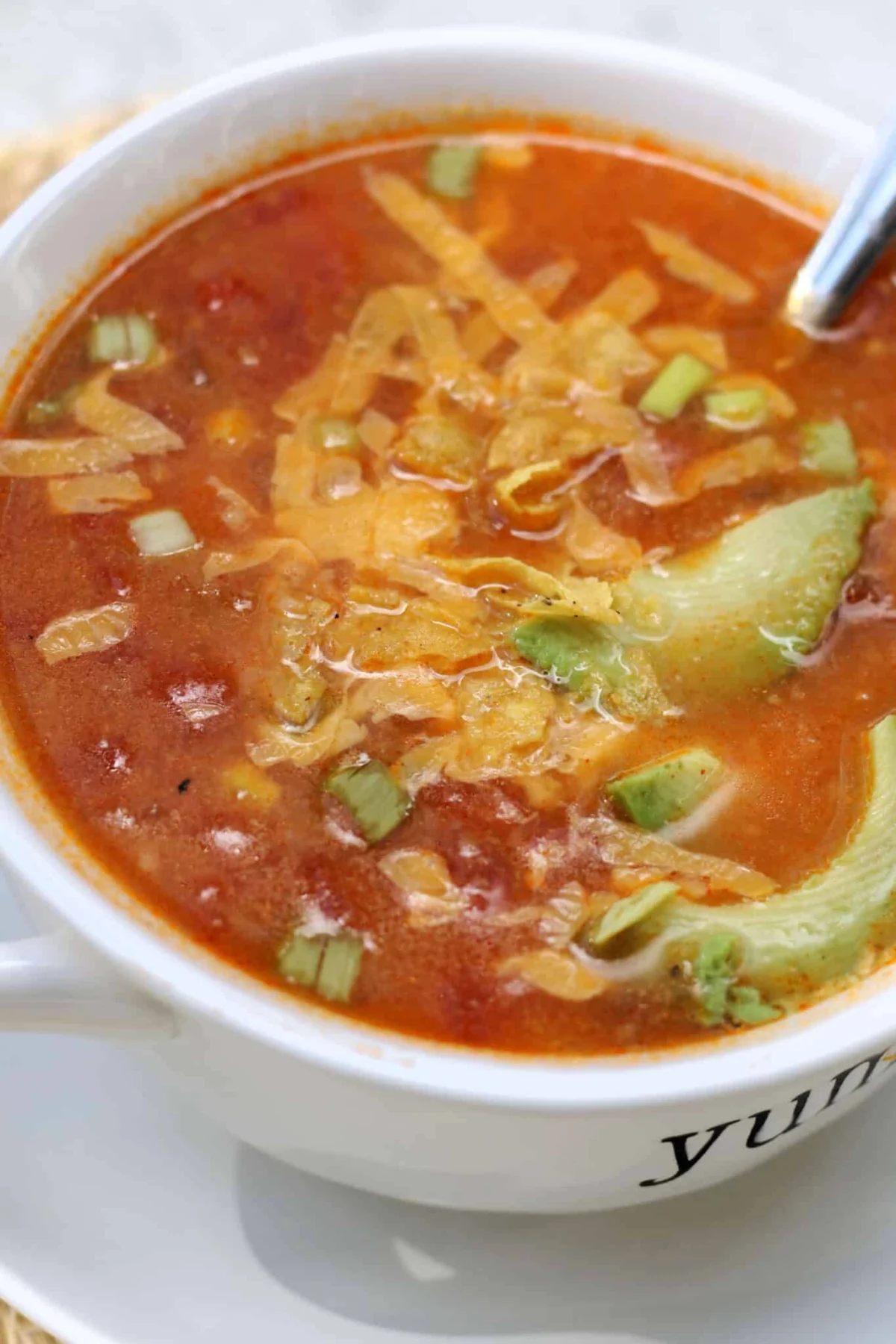
The culinary landscape of the American restaurant industry has long been defined by the intersection of regional comfort food and efficient, scalable kitchen practices. Among the iconic menu items that have garnered a dedicated following is the Sedona Tortilla Soup, a staple associated with California Pizza Kitchen (CPK). While the restaurant chain has maintained its position as a pioneer of the "California-style" pizza movement since its inception in 1985, its secondary offerings—particularly its robust, vegetable-forward soups—have become equally significant in shaping the brand’s identity as a versatile dining destination.
The Evolution of the Sedona Tortilla Soup
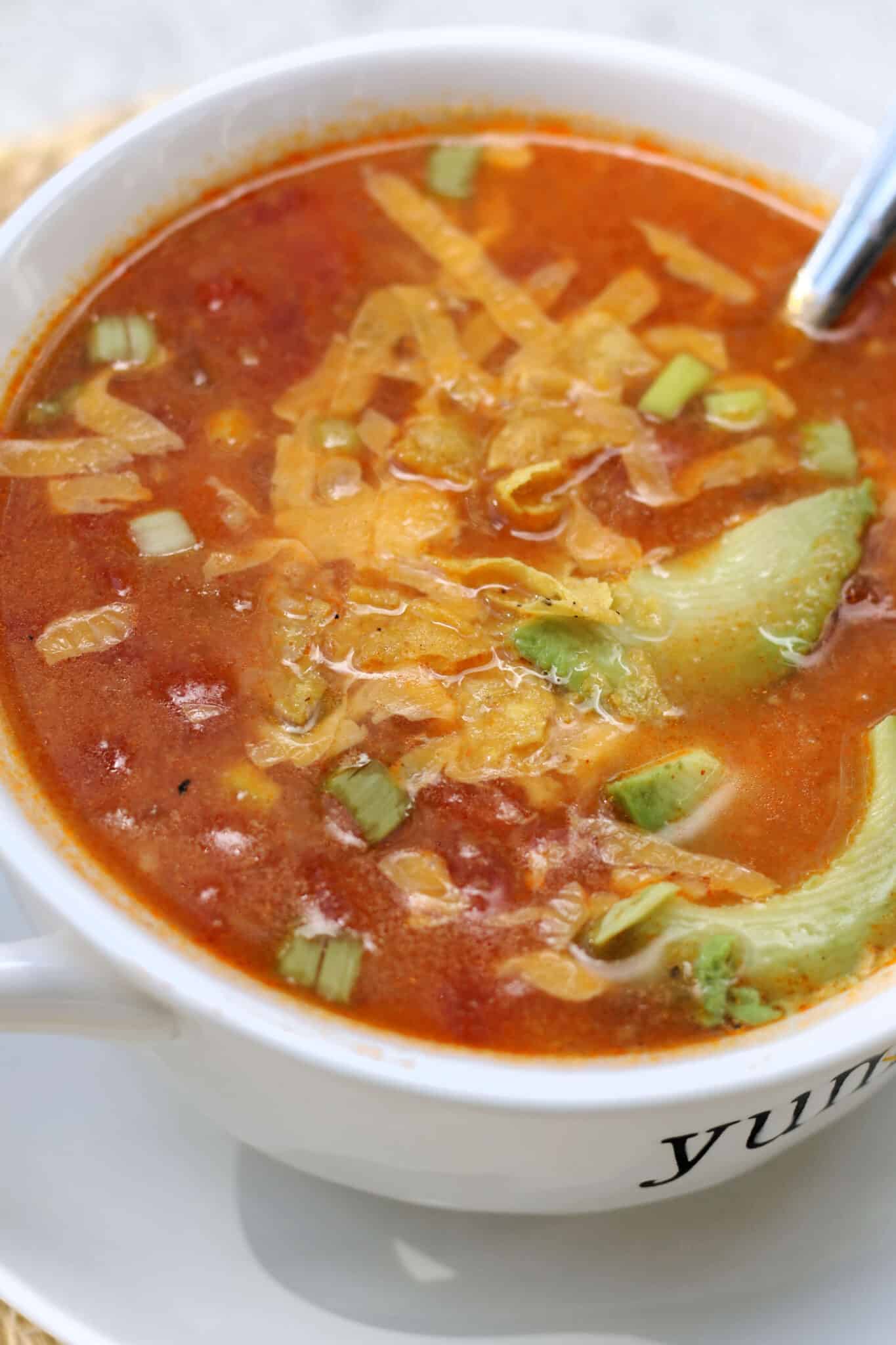
The Sedona Tortilla Soup represents a strategic marriage of traditional Southwestern flavor profiles and the high-volume, consistent service requirements of a national chain. Historically, the dish is characterized by a tomato-based broth infused with aromatic garlic, fresh jalapeño, and the sweetness of corn. The defining technical element of this particular recipe is the integration of corn-based components directly into the cooking process to serve as both a flavoring agent and a natural thickening mechanism.
In professional culinary environments, tortilla soup is frequently prepared by simmering fresh corn tortillas, which disintegrate into the broth to provide body and texture. As domestic cooking appliances like the Instant Pot and high-end slow cookers have proliferated in American households, the methodology for replicating such restaurant-quality dishes has shifted. Modern home adaptations—such as those utilizing pre-made tortilla chips—have effectively democratized the dish, allowing for a reduction in labor-intensive prep work without sacrificing the structural integrity of the final product.
Culinary Methodology and Technical Execution
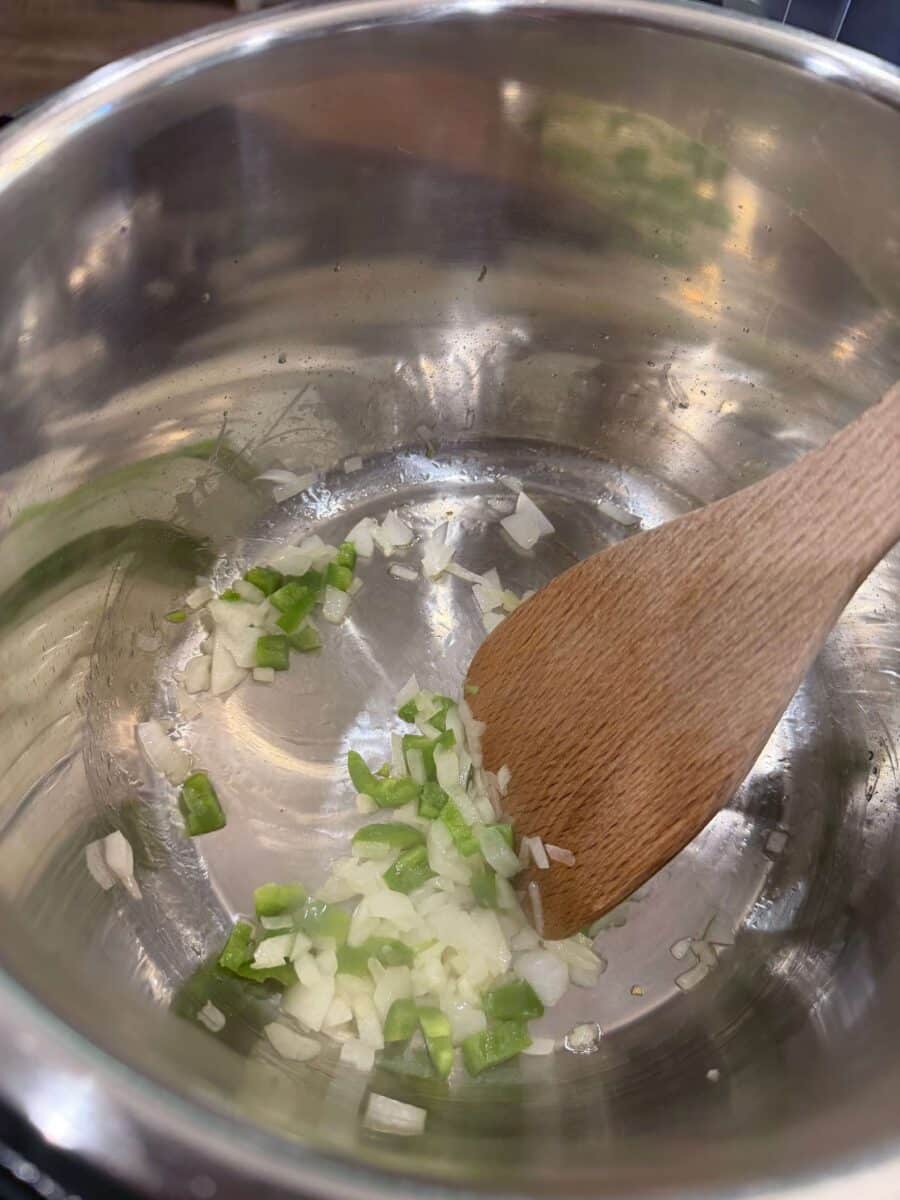
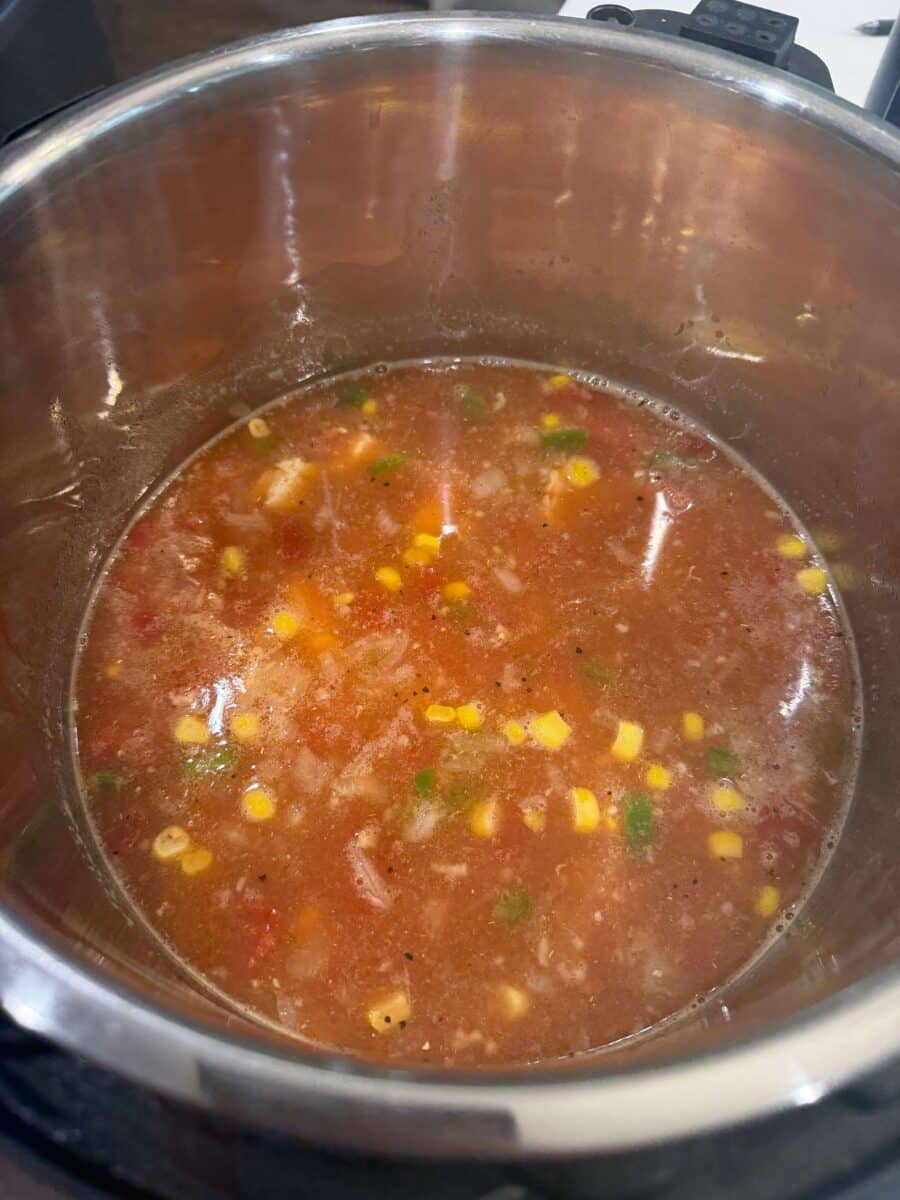
The preparation of this soup relies on the extraction of flavor from fundamental aromatics. The initial phase involves the sautéing of onions and jalapeños in a neutral oil, a step that serves to soften the fibrous vegetables and release capsaicin and essential oils into the base of the pot. The subsequent addition of minced garlic requires precise timing, as the volatile compounds in garlic can turn bitter if scorched.
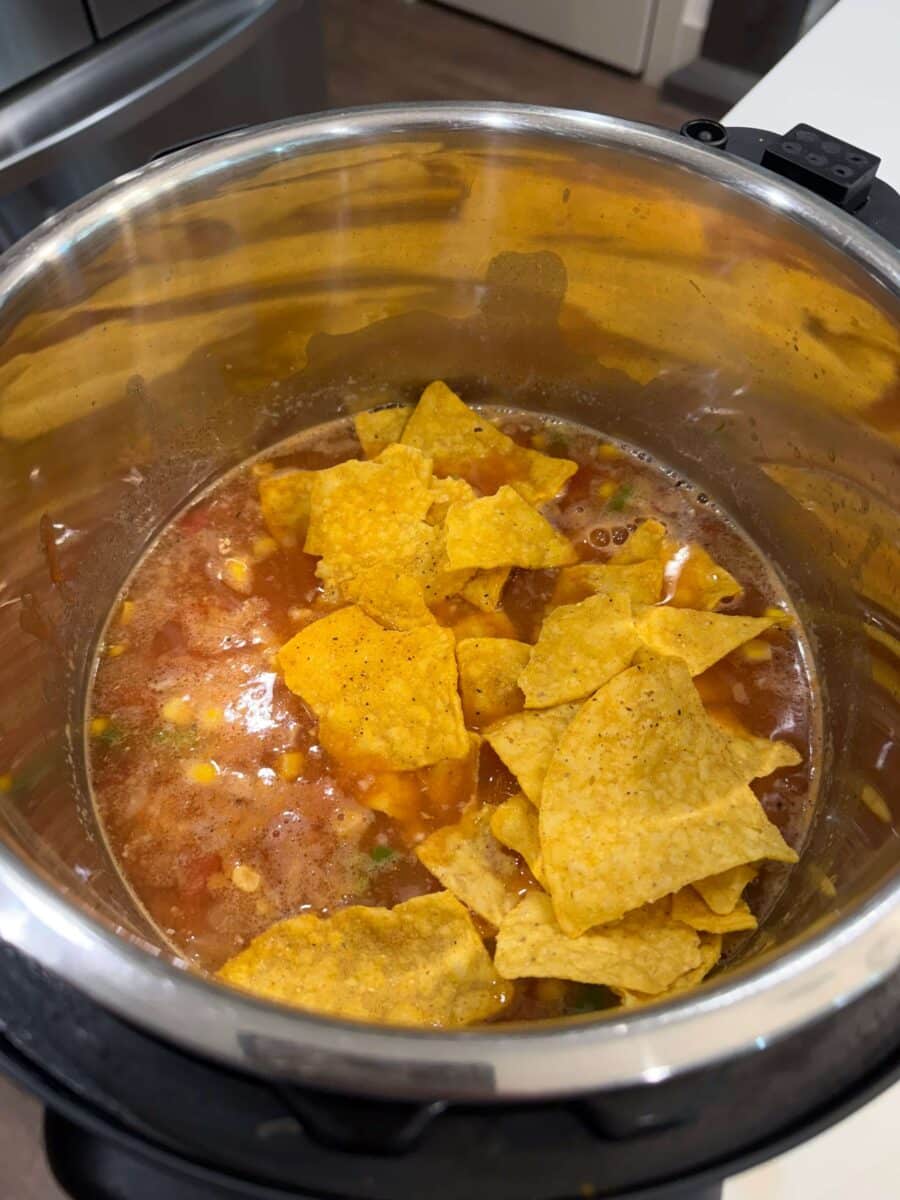
The technical innovation in this specific recipe lies in the "one-pot" approach. By introducing tortilla chips directly into the broth during the pressure-cooking or slow-cooking cycle, the cornmeal base of the chips hydrates and breaks down, thickening the liquid into a hearty, velvety consistency. This technique mirrors the traditional use of masa harina or fried corn strips but utilizes the salt and fat content of prepared chips to enhance the overall flavor profile.
Comparative Nutritional and Flavor Profiles
From a nutritional standpoint, the soup offers a balanced profile when prepared with lean proteins, such as chicken breast. The inclusion of tomatoes provides a significant source of lycopene, while corn adds essential fiber and carbohydrates. When analyzed alongside other popular restaurant-style tortilla soups, the Sedona variation stands out for its relatively clean ingredient list, provided the salt levels are managed carefully.
Professional chefs often emphasize that the quality of the chicken broth is the single most important variable in this dish. Using a high-quality, low-sodium bone broth significantly elevates the finished product, allowing the subtle heat of the jalapeño and the earthiness of the cumin to remain the focal points. For those seeking to replicate the restaurant experience, the addition of fresh, cold toppings—specifically avocado, sour cream, and cilantro—is not merely aesthetic; these elements provide a necessary temperature and texture contrast to the hot, thick broth.
Broader Impact on Home Cooking Trends
The rise in popularity of "copycat" recipes—or home-prepared versions of restaurant favorites—reflects a broader consumer trend toward kitchen autonomy. Data from the home cooking sector indicates that consumers are increasingly prioritizing recipes that mimic the "dining out" experience while maintaining the health and cost benefits of eating at home. The ability to utilize multi-cookers to achieve results that previously required hours of stovetop simmering has led to a surge in interest for these specific types of "dump-and-go" meals.
This shift has also had a ripple effect on the grocery industry. The demand for specific components, such as high-quality, lightly seasoned corn chips and fresh aromatics, has remained stable even during periods of economic volatility. The versatility of the soup as a "leftover" meal, which often improves in flavor as the ingredients marry over a 24-hour period, aligns with the modern consumer’s focus on meal planning and waste reduction.
Strategic Implications for the Culinary Industry
The enduring success of the Sedona Tortilla Soup recipe highlights the importance of "signature" items in a restaurant’s portfolio. For a brand like California Pizza Kitchen, maintaining the perceived quality of these items is essential for customer retention. When recipes are successfully adapted for home use, it does not typically cannibalize restaurant sales; rather, it reinforces brand loyalty by embedding the restaurant’s flavor profile into the domestic routine.
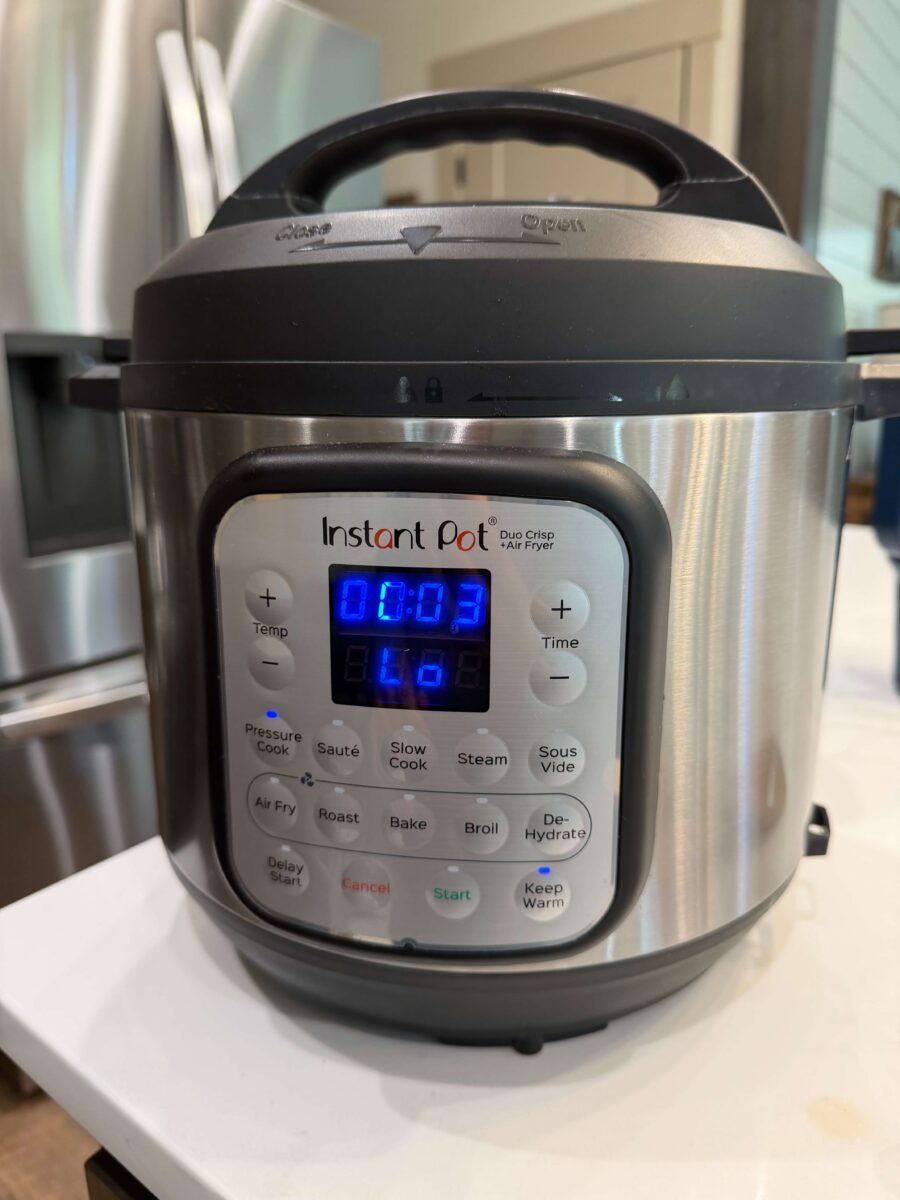
Furthermore, the adaptation of this recipe for modern appliances like the Instant Pot demonstrates the democratization of culinary techniques. The pressure-cooking environment creates an accelerated Maillard reaction and flavor extraction that, in previous decades, would have required traditional Dutch oven cooking methods over several hours. By providing clear, replicable instructions, culinary enthusiasts are able to achieve professional-grade results with minimal intervention, a testament to the sophistication of modern kitchen technology.
Conclusion and Best Practices
When preparing this dish, the key to success lies in the balance of acidity, heat, and salt. Because the tortilla chips act as a thickening agent, their sodium content must be considered when seasoning the broth. It is highly recommended to hold off on adding extra salt until the very end of the cooking process, allowing the ingredients to reach their full potential before adjusting to taste.
For those looking to expand upon the base recipe, the addition of beans, roasted bell peppers, or even a splash of lime juice at the time of service can provide further depth. The use of premium, "lightly seasoned" tortilla chips is preferred by culinary experts to ensure the corn flavor is prominent without overpowering the soup with excessive artificial seasoning.
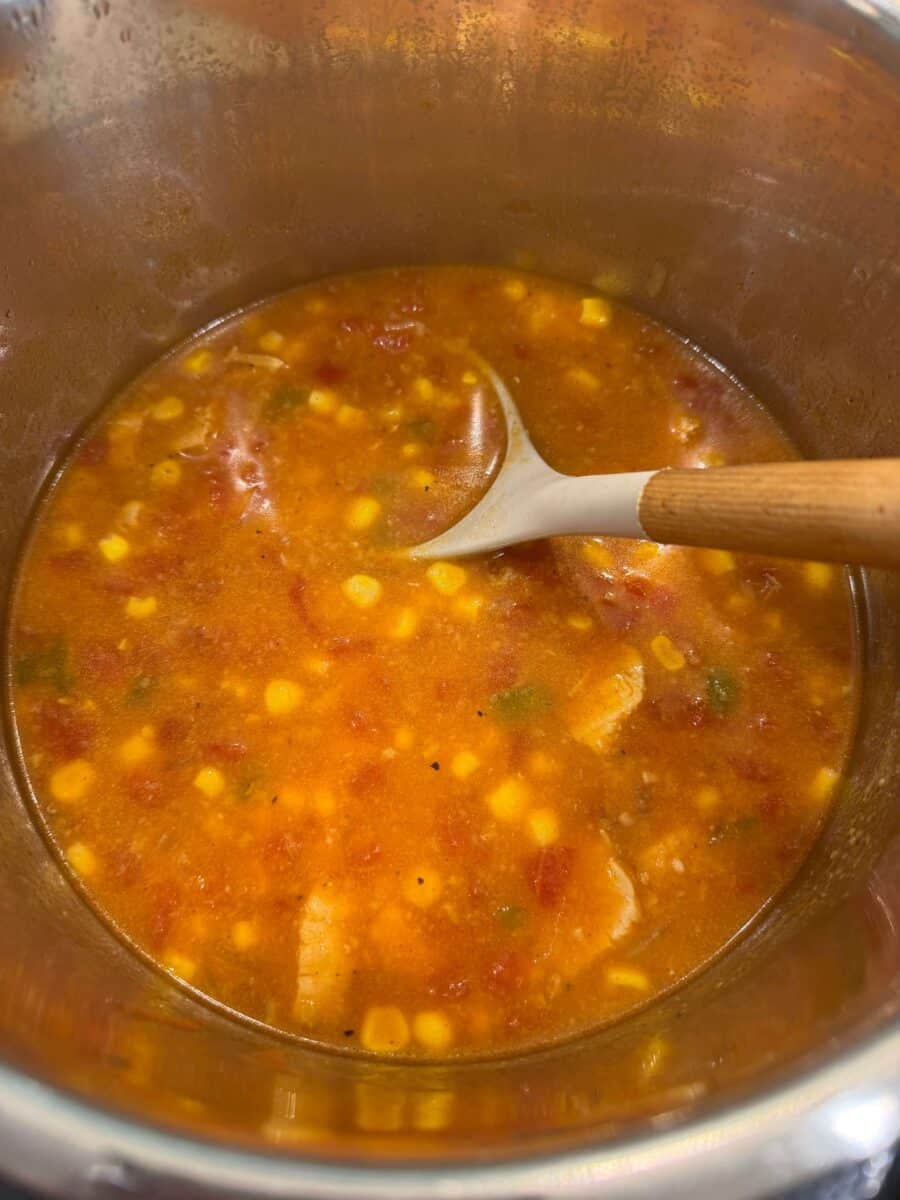
Ultimately, the Sedona Tortilla Soup remains a testament to the power of simple, high-quality ingredients transformed by sound technique. Whether prepared in a restaurant kitchen or a home pressure cooker, its appeal lies in its consistency, its comfort, and its ability to serve as a versatile foundation for a variety of fresh, vibrant toppings. As the culinary world continues to lean toward accessible, flavor-forward dishes, this soup remains a benchmark for what can be achieved with a handful of staples and a bit of patience.
