
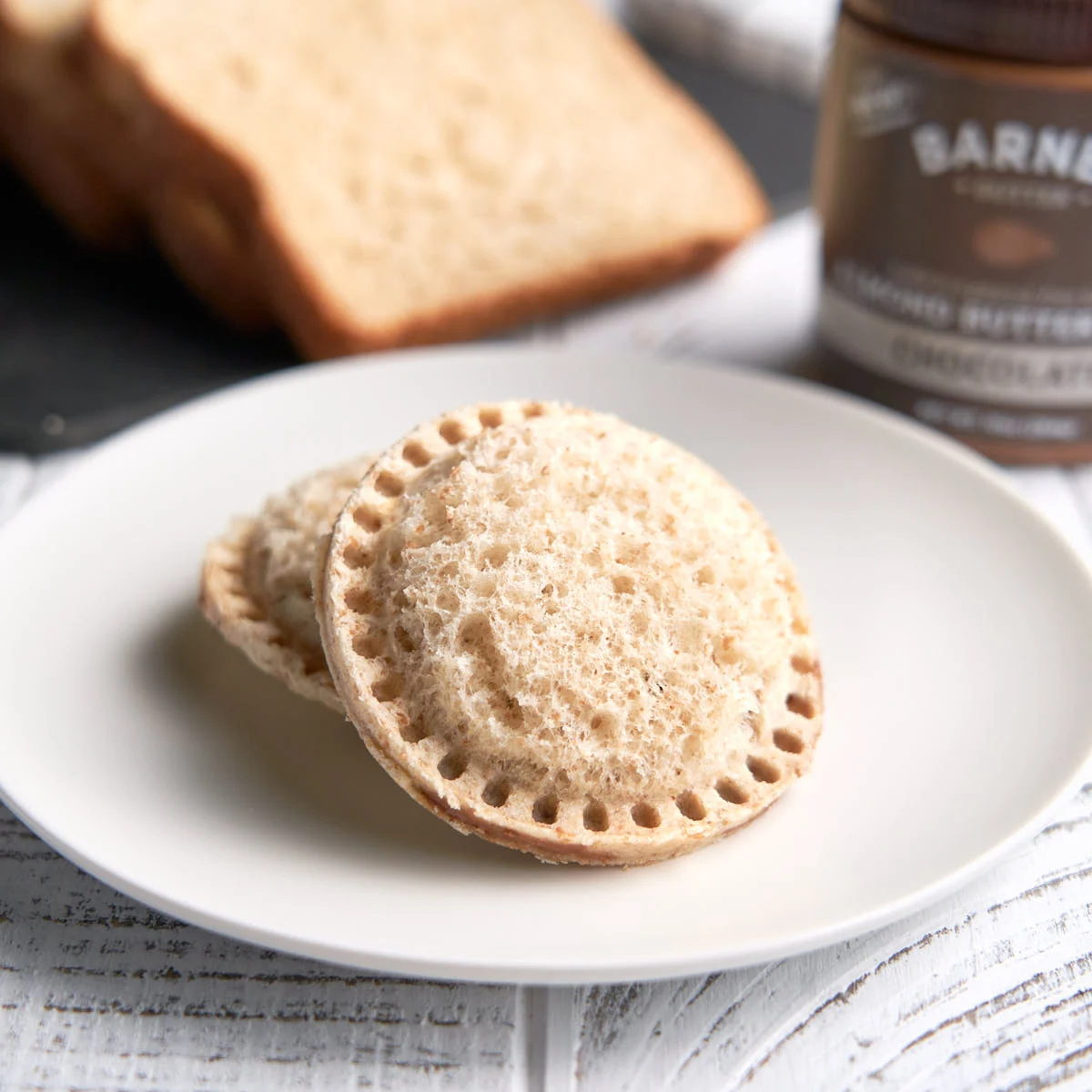
The Rise of the Sealed-Crust Sandwich Market
The "uncrustable" concept originated as a logistical solution to a common parental dilemma: children often refuse to consume bread crusts, leading to significant food waste. In 1999, the J.M. Smucker Company acquired the patent for a process to seal peanut butter and jelly inside a round, crustless sandwich. The product became a staple in school lunch programs and convenience stores nationwide.

However, the convenience of pre-packaged options often comes at a nutritional cost. Standard commercial chocolate hazelnut spreads frequently contain high levels of palm oil and excessive added sugars—often exceeding 20 grams per serving. As public health awareness grows, particularly regarding childhood nutrition, households are increasingly turning to "copycat" methods to maintain the convenience of the sealed sandwich while exercising greater control over the caloric and chemical profile of the meal.
Chronology of the DIY Trend
The transition from store-bought to homemade preparation has accelerated over the past five years, driven by three distinct factors:

- Technological Accessibility (2018–2020): The proliferation of affordable, high-quality stainless steel and BPA-free plastic sandwich cutters on e-commerce platforms enabled home cooks to achieve a professional-grade "crimp" without industrial machinery.
- Ingredient Diversification (2020–2022): The rise of specialized nut and seed butters, such as chocolate-infused almond butter, provided a healthier, protein-dense alternative to traditional hazelnut spreads.
- Inflationary Pressures (2022–Present): With food costs rising, consumers have pivoted toward bulk-buying bread and spreads to create their own versions, often resulting in a per-unit cost reduction of approximately 40% compared to retail prices.
Comparative Analysis: Nutritional Impact
When examining the shift toward homemade chocolate-filled sandwiches, the primary driver is the reduction of refined sugars. Standard commercial chocolate hazelnut spreads often rely on sugar as the primary ingredient. In contrast, artisanal or health-focused alternatives, such as Barney Butter’s Chocolate Almond Butter, focus on roasted almond bases.
Data indicates that a typical serving of traditional commercial spread contains roughly 21 grams of added sugar. Premium almond-based alternatives, conversely, can contain as little as 2 grams of added sugar per serving. This ninefold reduction in added sugar significantly lowers the glycemic impact of the breakfast, providing more stable energy levels for children throughout the school day.
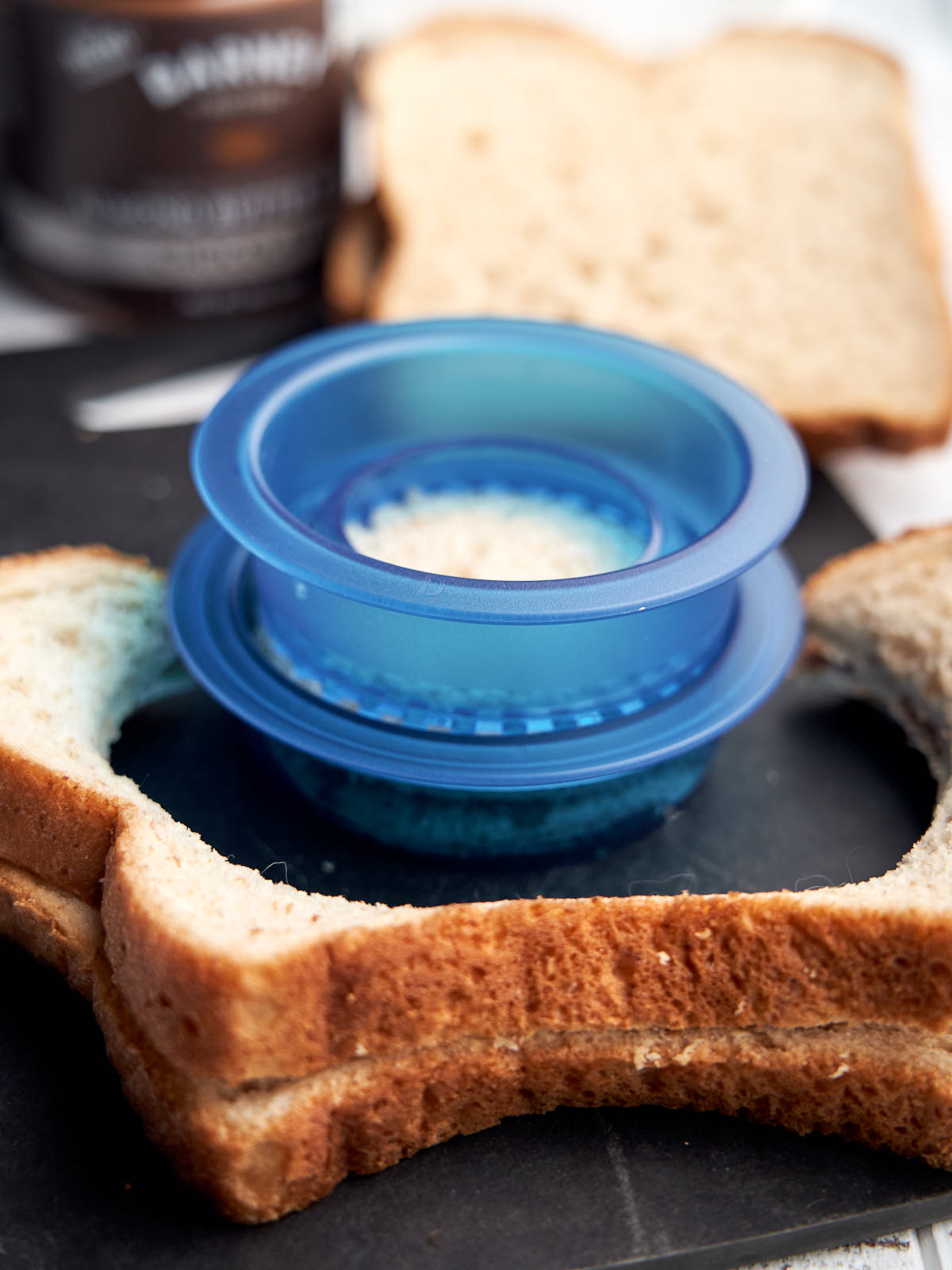
Technical Methodology: The Mechanics of the Seal
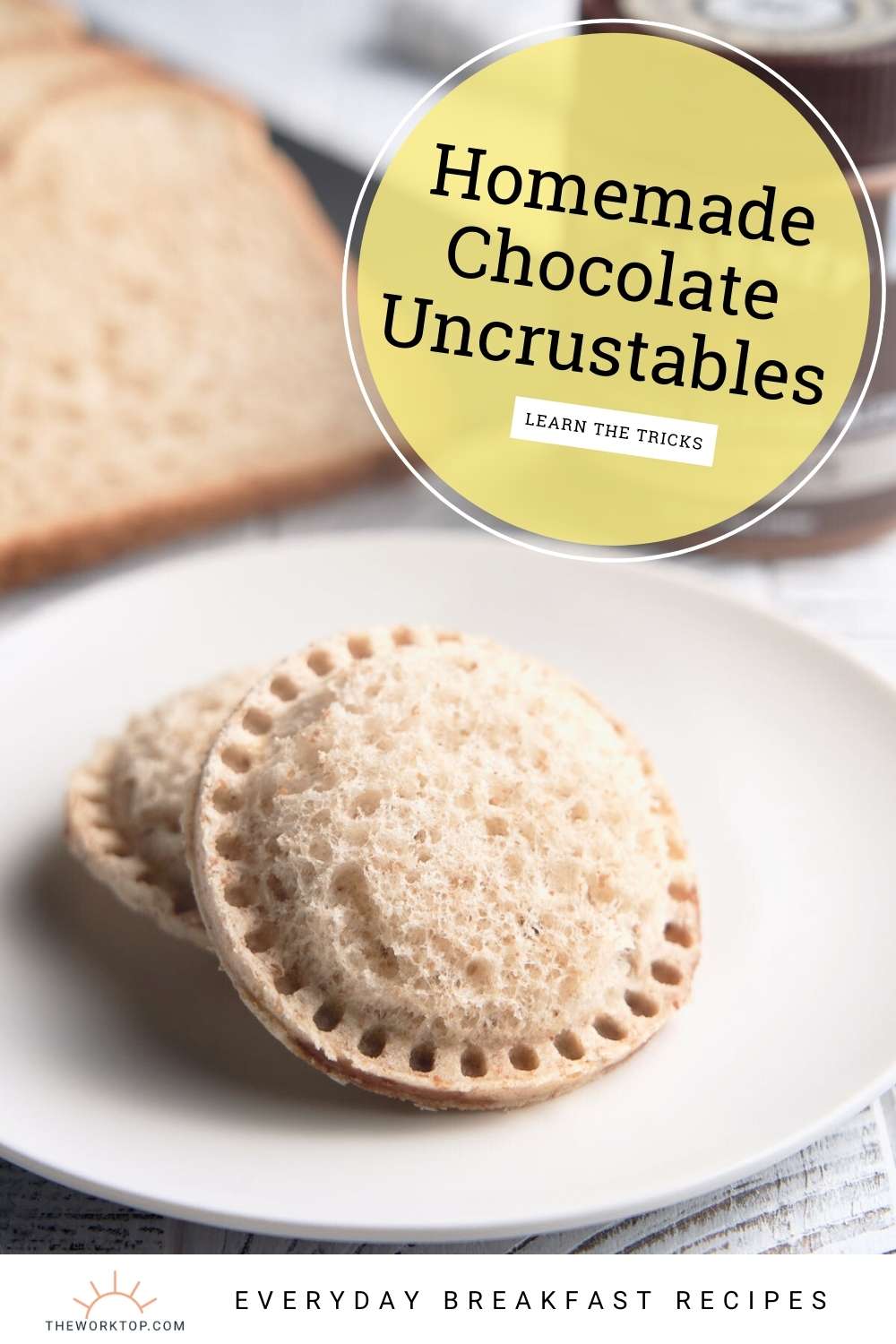
The efficacy of the homemade uncrustable relies on the "crimp and seal" mechanism of modern kitchen gadgets. A standard sandwich sealer functions through a two-stage process. First, a sharpened outer ring cuts through two layers of bread. Second, a weighted or spring-loaded inner plate presses the edges of the bread together, effectively fusing the proteins and starches of the dough.
For the best results, experts recommend specific bread characteristics:
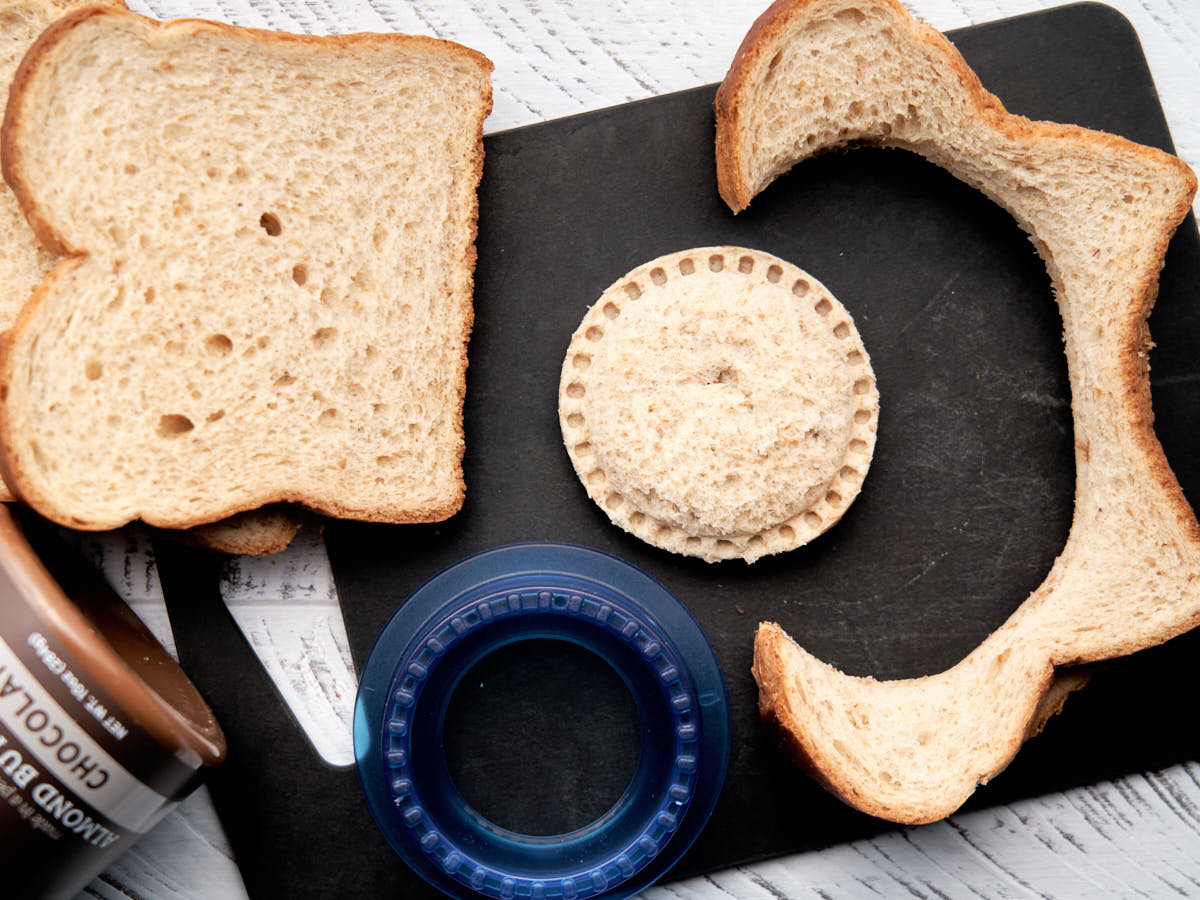
- Bread Texture: Soft, commercially sliced white or honey wheat bread provides the necessary elasticity to be compressed without fracturing. Dense, artisan-style sourdough or heavily seeded loaves lack the required pliability and often crack under the pressure of the sealer.
- Filling Geometry: The "ooze" factor—where filling leaks during the sealing process—is the most common failure point. Industry best practices suggest placing the spread in a concentrated circular mound in the center of the bread, leaving at least a half-inch border of empty space to ensure a clean seal.
Industry Implications and Consumer Behavior
The shift toward homemade versions of processed snacks signals a broader trend in consumer behavior: "the democratization of manufacturing." Families are effectively functioning as their own small-batch food producers. Retailers have noticed this shift, leading to an increase in the availability of "crustless-friendly" bread packaging and specialized sandwich-sealing kits.
From a culinary standpoint, the flexibility of the homemade approach allows for customization that mass-market producers cannot provide. For instance, parents can incorporate chia seeds, flax, or low-sugar cocoa powders into the filling, effectively turning a "treat" into a nutrient-dense breakfast.
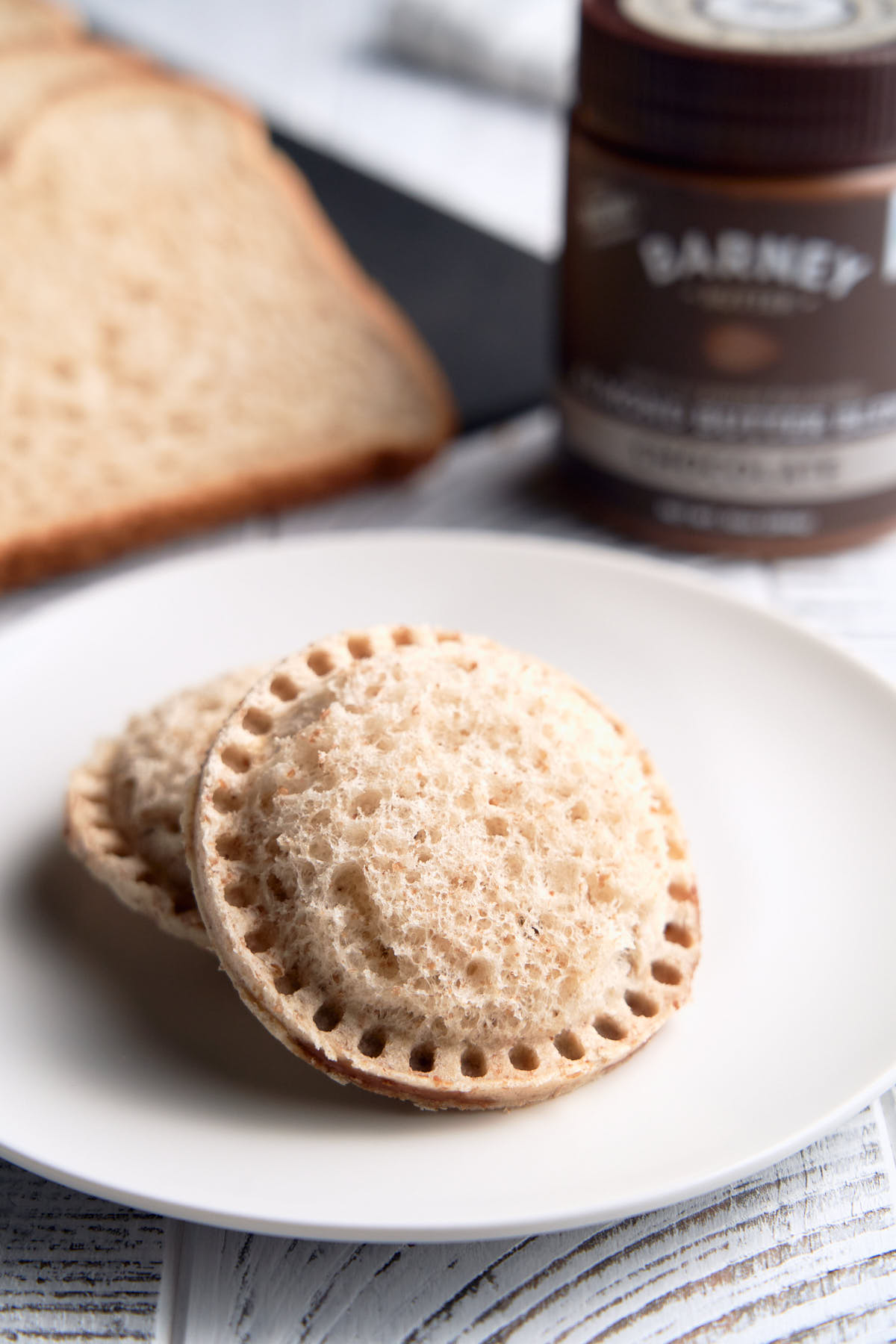
Expert Recommendations for Quality Control
For those looking to adopt this practice, the selection of the correct tool is paramount. While numerous sandwich presses are available, those that mimic the specific diameter and edge-pattern of traditional commercial models ensure the highest success rate with children accustomed to the store-bought aesthetic.
Furthermore, the "soft-bread rule" remains the most critical technical tip. Bread that is too dry or toasted will inevitably result in structural failure. Fresh, high-moisture sandwich bread acts as the ideal adhesive agent when crimped.
Broader Economic and Environmental Context
Beyond the immediate benefits of health and cost, the homemade movement carries environmental implications. By producing sandwiches at home, households significantly reduce the amount of single-use plastic packaging and foil wrappers associated with individual commercial snacks. A typical household preparing five lunches per week for one child can divert approximately 260 individual wrappers from landfills annually.
As this trend continues to evolve, it highlights a disconnect between the convenience-driven food industry and the values of the modern, health-conscious consumer. While the commercial "uncrustable" remains a convenient fixture in the American diet, the move toward "do-it-yourself" preparation represents a significant shift in how families view food production—not as a chore, but as an opportunity to curate the nutritional intake of the next generation. Whether through the use of high-protein spreads or the reduction of synthetic preservatives, the homemade movement offers a robust, actionable template for improved dietary habits in the modern household.
