
The Rise of the DIY Lunchbox Movement
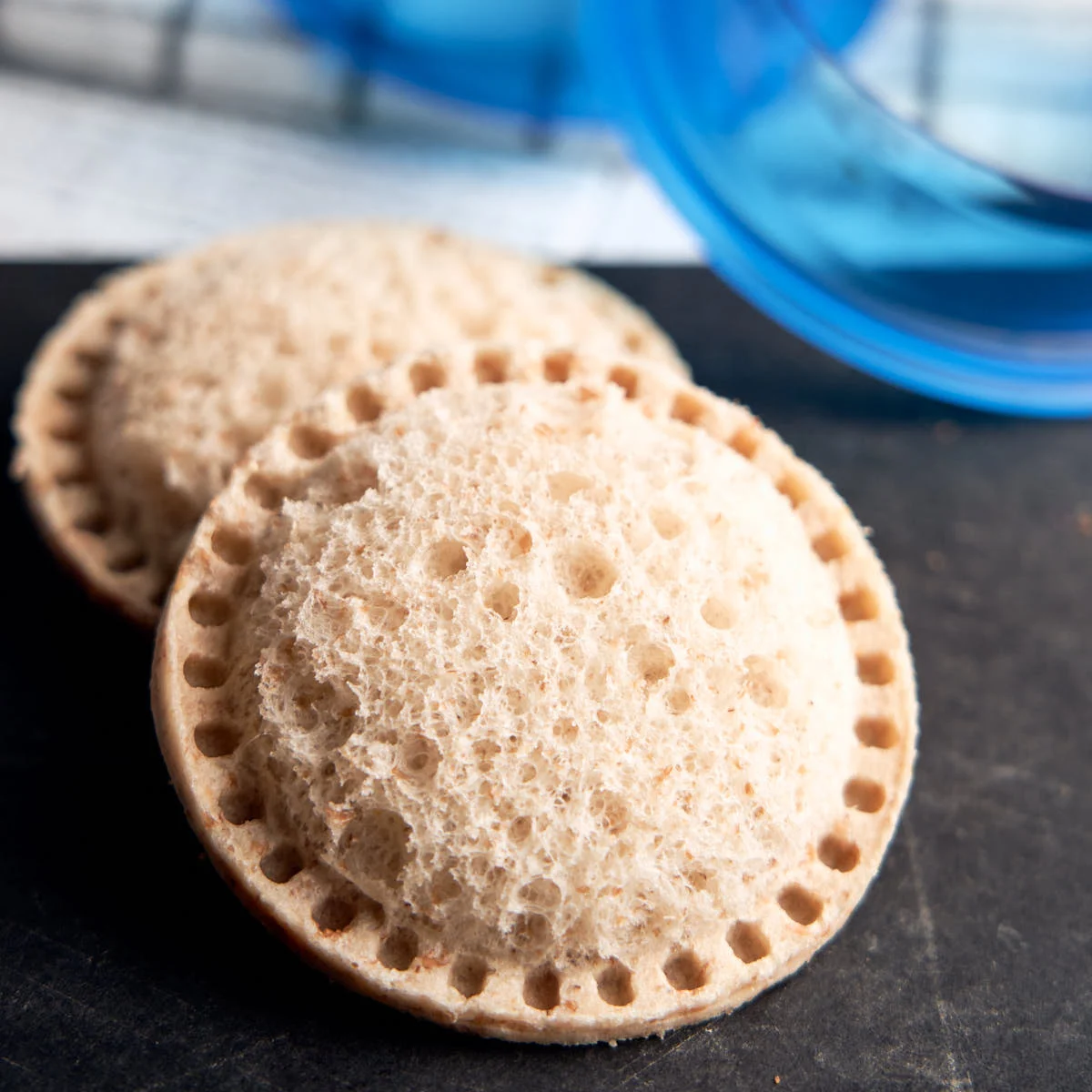
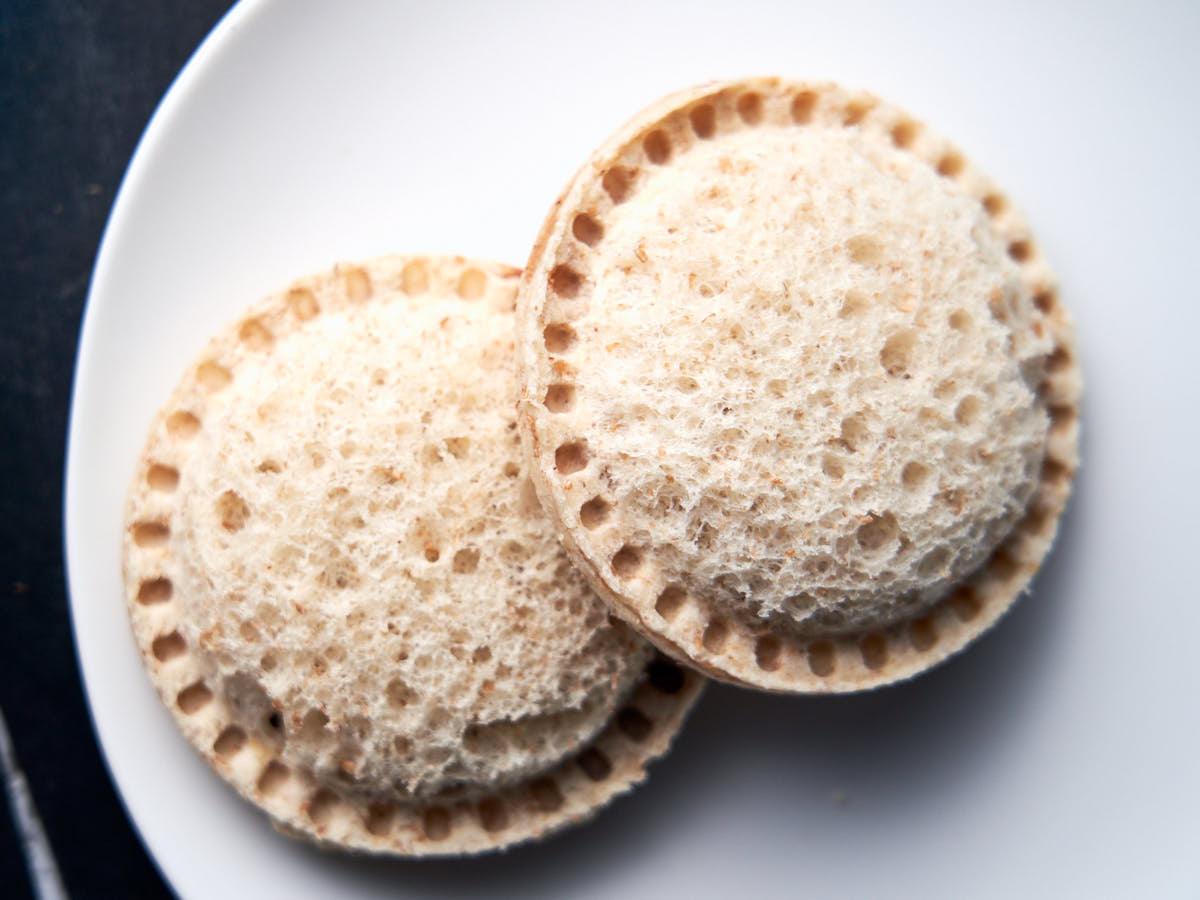
The popularity of the "uncrustable"—a crustless, sealed pocket sandwich—dates back to the late 1990s when the Smucker’s brand introduced the concept to the American market. Designed as a solution for parents seeking to streamline lunch preparation, the product became a staple of the convenience food industry. However, recent trends indicate a pivot. Modern consumers are prioritizing "clean label" eating, which involves selecting foods with minimal, recognizable ingredients.
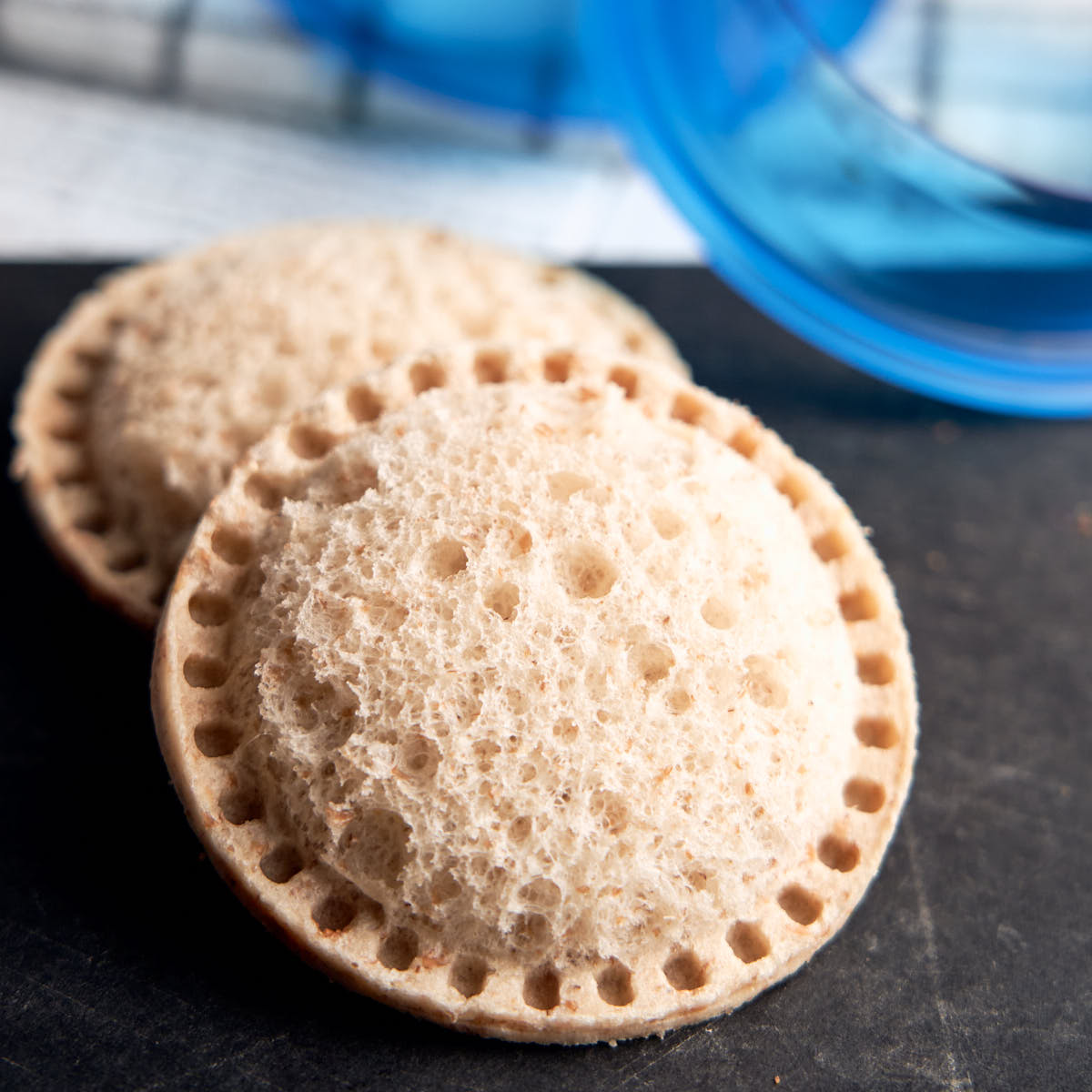
The DIY movement is not merely a hobby; it is a response to the nutritional profiles of highly processed convenience items. Commercially produced sealed sandwiches often contain shelf-stabilizing agents, emulsifiers, and significant amounts of added sugar. In contrast, the homemade version allows for the use of natural peanut butter—containing only peanuts and perhaps a touch of salt—and pure, unrefined honey. This shift represents a broader cultural movement of "re-skilling," where domestic tasks once outsourced to corporations are brought back into the home kitchen to provide better control over diet and expenditure.
Chronology and Evolution of the Trend
The transition from store-bought to homemade convenience foods began in earnest with the increased availability of affordable, high-quality kitchen gadgets. Over the past five years, the market for "sandwich sealers" and "uncrustable makers" on platforms like Amazon has surged.
- 2010s: The Convenience Era: The pre-packaged sandwich market experienced record sales as busy households prioritized speed over nutritional customization.
- 2020: The Pandemic Pivot: Global lockdowns forced families to spend more time in the kitchen. With supply chain disruptions making some store-bought goods scarce, consumers turned to making their own staples from scratch.
- 2022-Present: The Sustainability Focus: As environmental awareness grows, the focus has shifted toward reducing single-use plastics. Each store-bought sandwich comes individually wrapped in plastic, whereas homemade versions allow for the use of reusable silicone bags or beeswax wraps, significantly lowering the household carbon footprint.
Comparative Nutritional Analysis
When evaluating the difference between a mass-produced sandwich and its homemade counterpart, the primary factors are ingredient quality and glycemic impact. A standard store-bought peanut butter and honey sandwich often lists sugar as a primary ingredient in its "honey spread" or as an additive in the peanut butter to enhance shelf life and texture.
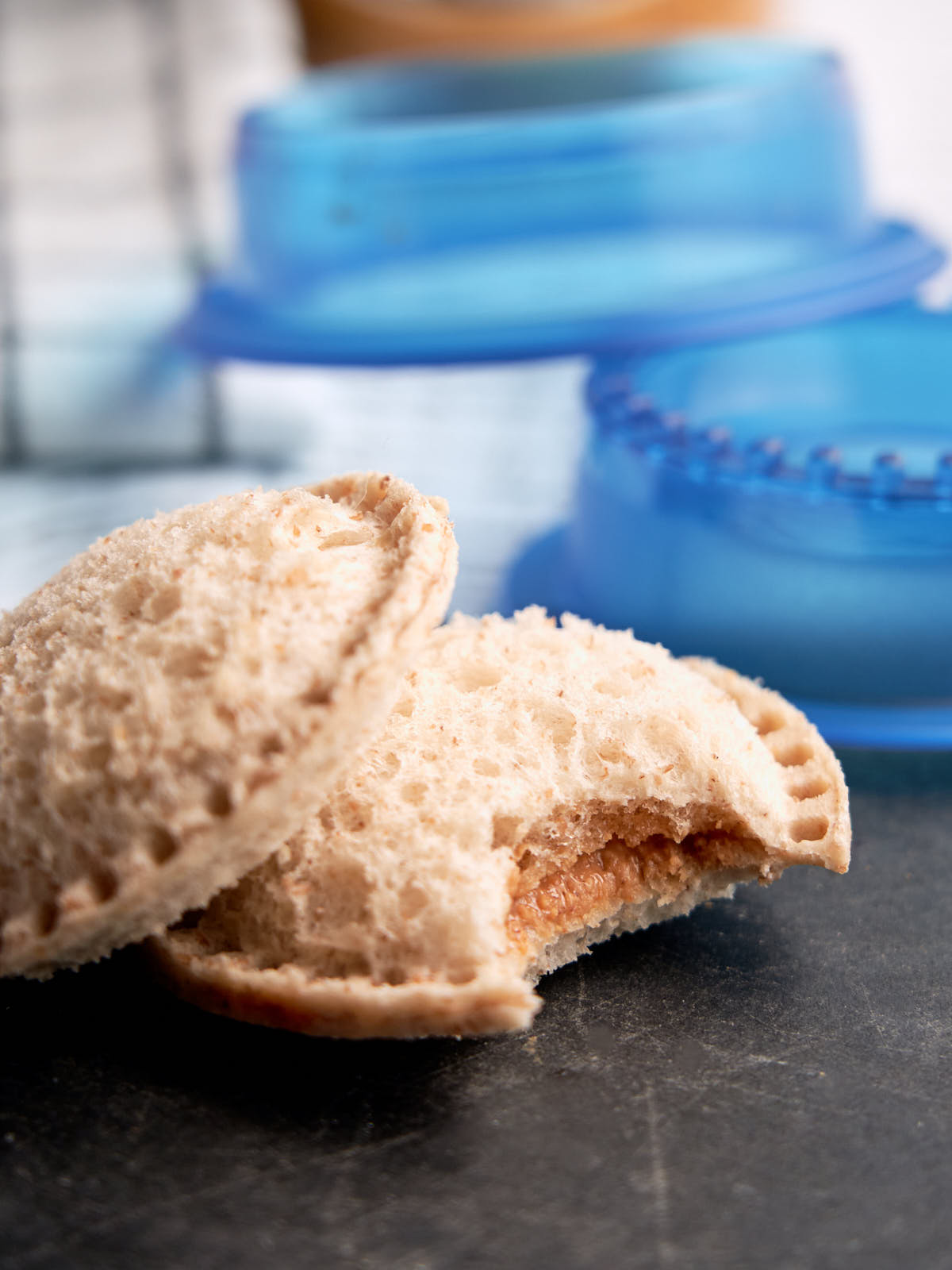
By contrast, the homemade model utilizes three base ingredients: whole-grain or white bread, natural peanut butter, and raw honey. According to dietary guidelines, replacing processed spreads with natural alternatives can reduce caloric intake from added sugars by up to 30% per serving. Furthermore, consumers who prepare these items at home are able to select bread varieties that offer higher fiber content or gluten-free options, a level of customization that is impossible with standard retail products.
Economic and Environmental Implications
Beyond nutrition, there is a clear economic argument for the transition. Data suggests that the cost per unit of a homemade sandwich is approximately 40% to 50% lower than the retail price of the equivalent branded product. When extrapolated over a school year, a family of two children could save hundreds of dollars annually by opting for homemade lunch solutions.
The environmental impact is equally significant. A single store-bought sealed sandwich generates one plastic wrapper. For a student eating these three times a week, that equates to over 100 pieces of plastic waste per child, per year. By transitioning to reusable containers, households can mitigate a portion of the estimated 300 million tons of plastic waste produced annually.
Addressing the Issue of Food Waste
A common criticism regarding the homemade "uncrustable" is the generation of bread crusts, which are removed during the sealing process. However, modern culinary techniques have turned this "waste" into a value-add. Nutritionists and home economists have identified several ways to repurpose these trimmings, effectively achieving a "zero-waste" kitchen.
- Crouton Production: By tossing crusts in olive oil and seasoning them with herbs, they can be pan-fried or baked into croutons for salads or soups.
- Breadcrumb Fabrication: Crusts can be dehydrated in a low-temperature oven and processed into breadcrumbs, which serve as a binder for meatballs or a coating for proteins.
- Hummus Dippers: Cutting crusts into uniform strips allows them to be used as vessels for dips, transforming what was once trash into an intentional component of a meal.
The Role of Technology in the Kitchen
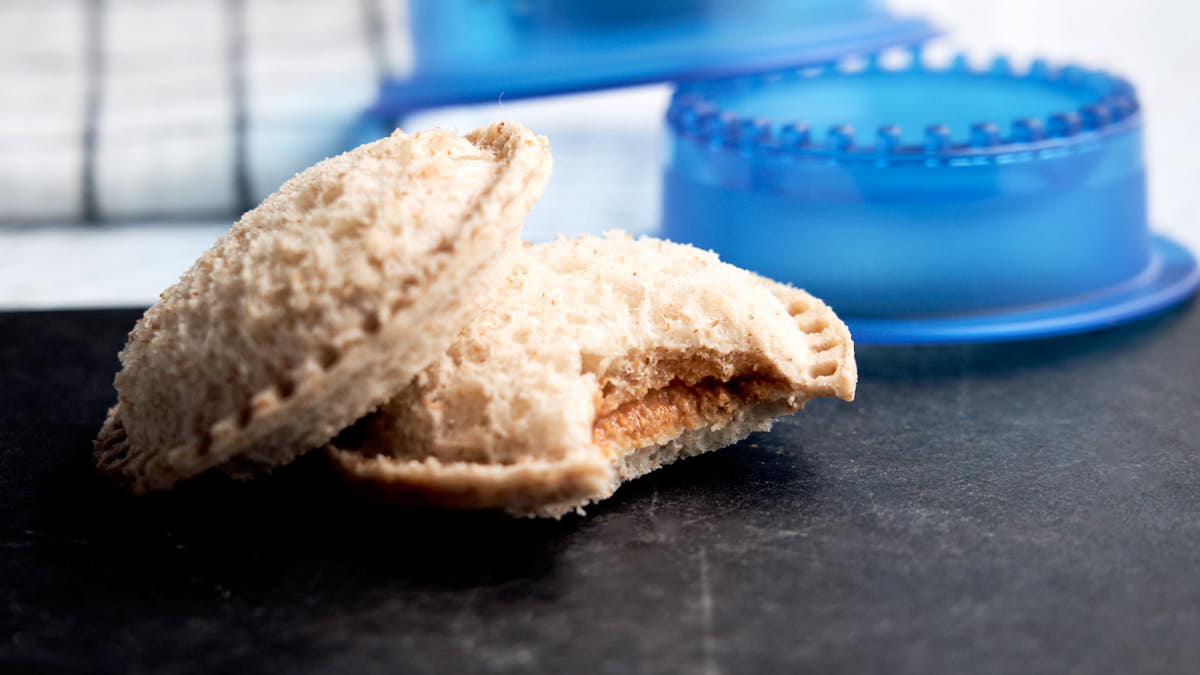
The success of the homemade uncrustable is inextricably linked to the design of the sandwich sealer. These tools typically feature a two-part system: an outer ring that cuts the bread to the appropriate size and an inner press that crimps the edges to create a hermetic seal.
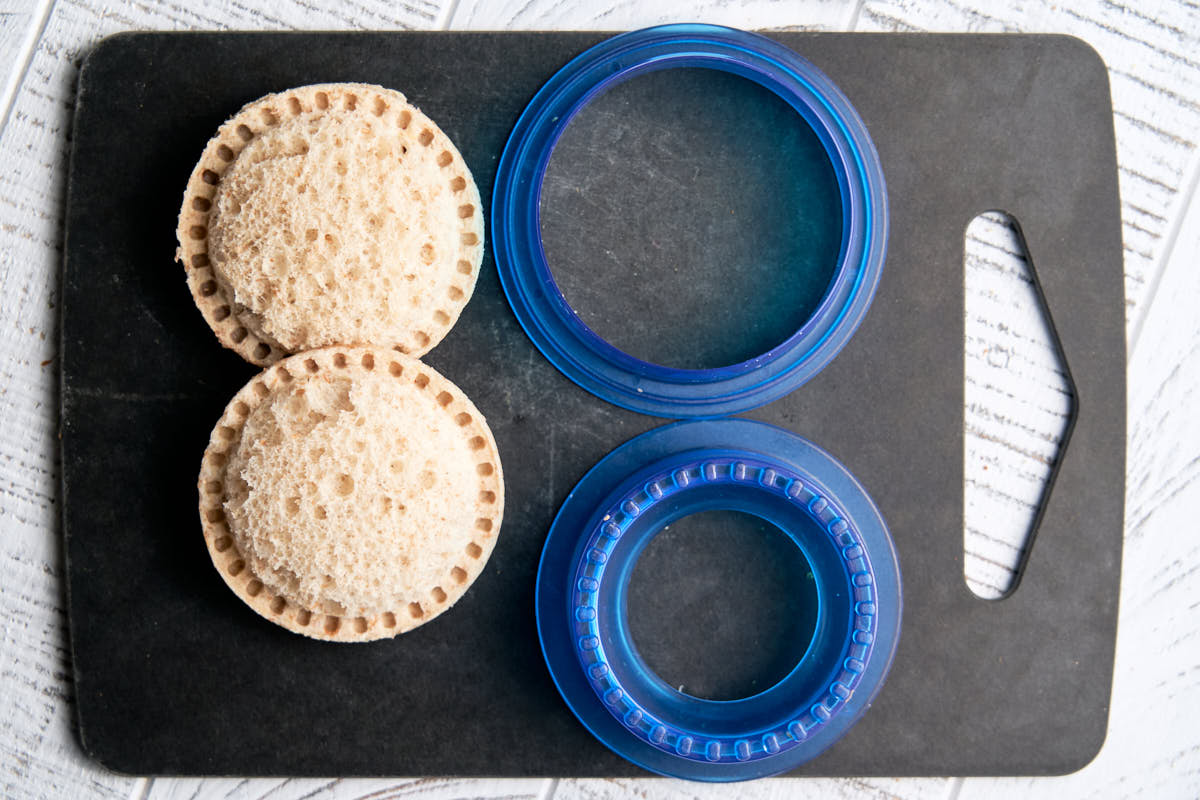
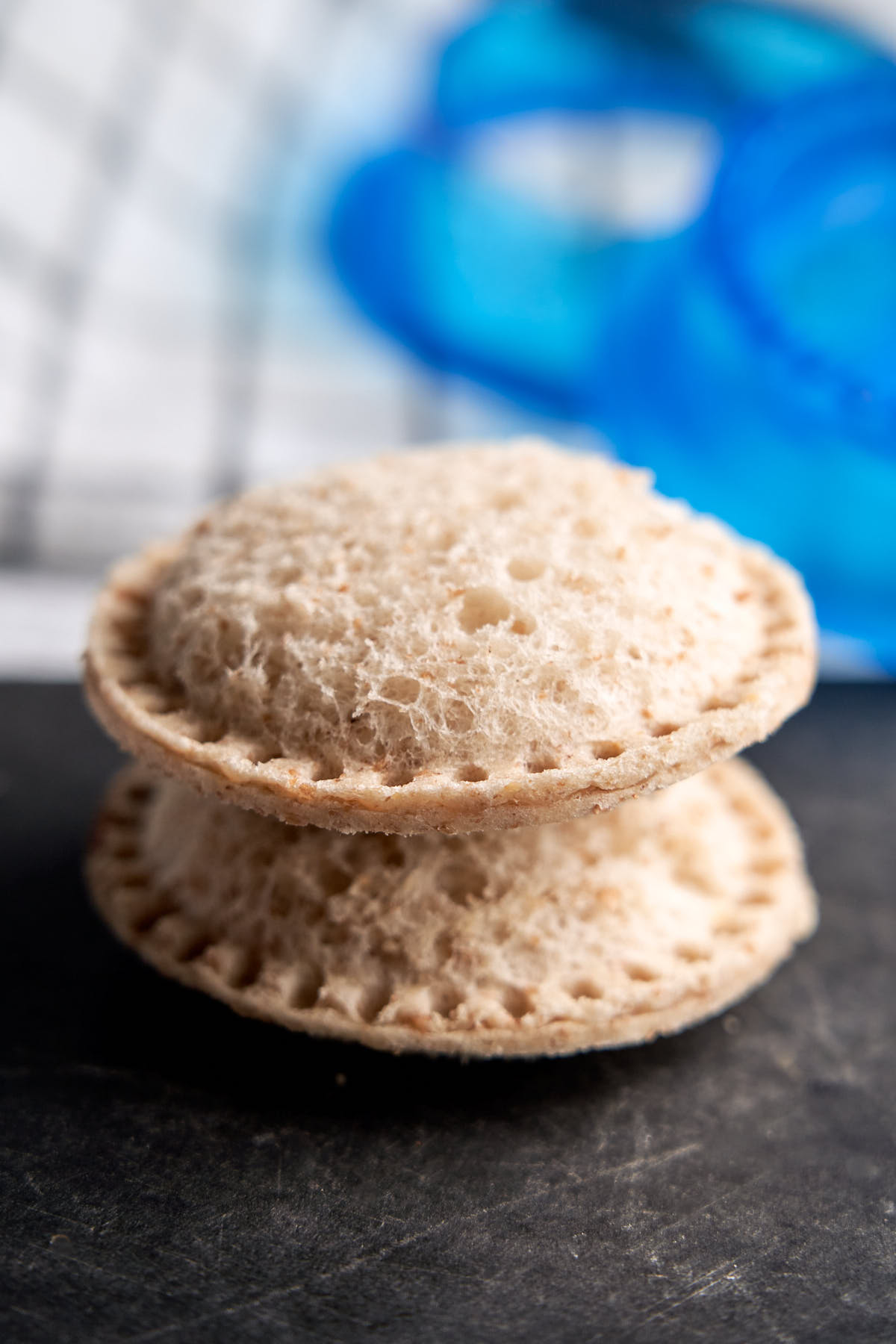
Market research indicates that the "classic" circular design remains the most popular, as it mimics the aesthetic of the original commercial product, which many children find familiar and appealing. This familiarity is a psychological driver in food acceptance; by keeping the form factor the same, parents can introduce healthier ingredients without the resistance often associated with "new" or "strange" foods.
Implications for the Future of Lunch Preparation
The rise of homemade sealed sandwiches is part of a larger, systemic shift in how the public perceives food production. As consumers become more adept at identifying ultra-processed foods, the demand for simple, mechanical tools that facilitate home cooking will likely continue to grow.
Retailers and food manufacturers are watching this trend closely. While the convenience sector is not at risk of disappearing, there is a clear segment of the population that is willing to invest time in exchange for health, cost-savings, and environmental sustainability. This behavior signals a maturation of the consumer base, where the definition of "convenience" is being redefined to include the long-term benefits of home preparation.
Ultimately, the act of making a sandwich at home with a child serves as a learning opportunity. It introduces young children to the fundamentals of food preparation, the importance of ingredient selection, and the value of waste reduction. By involving children in the process, parents are not just making lunch; they are fostering a generation that is more conscious of what they consume and how it is produced. As the availability of high-quality, durable kitchen tools remains stable, the practice of creating homemade, crustless sandwiches is expected to remain a permanent fixture in the modern, health-conscious household.
