
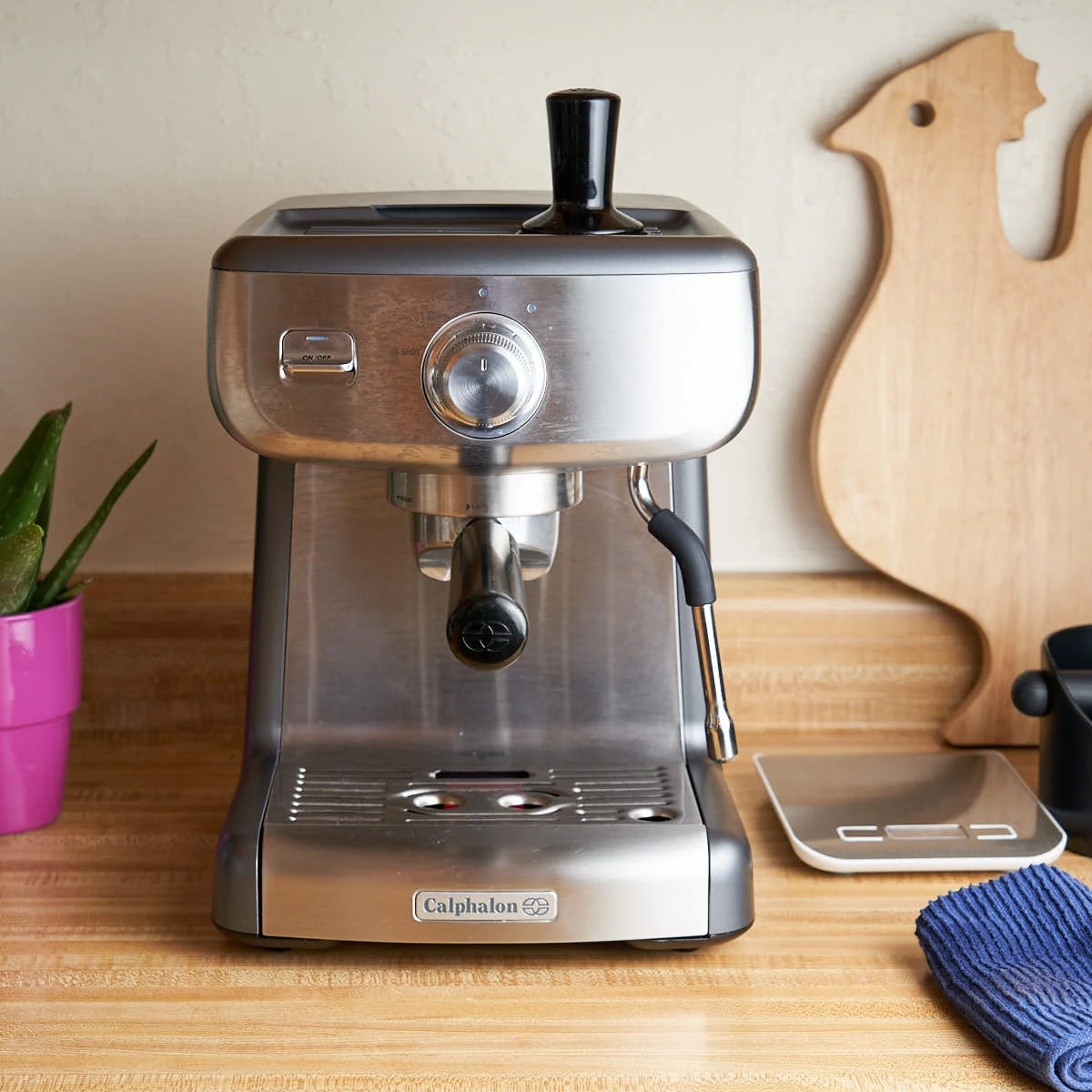
The home espresso market has experienced significant growth over the past decade as consumers seek to replicate the cafe experience within their own kitchens. Among the competitive field of entry-level and mid-range machines, the Calphalon Temp IQ Espresso Machine has emerged as a noteworthy contender. Designed to bridge the gap between amateur brewing and professional-grade extraction, this unit provides a thermal-stable environment and simplified user interface that appeals to both novices and experienced home baristas.
Background and Market Context
The rise of the "prosumer" coffee movement can be traced back to an increasing demand for specialty coffee transparency and the rising cost of daily visits to commercial coffee chains. Calphalon, a brand traditionally recognized for its high-end cookware, expanded into the appliance sector to leverage its expertise in temperature control and durable manufacturing. The Temp IQ model was specifically engineered to address the most common failure point in home espresso brewing: temperature inconsistency.
The machine utilizes a Thermoblock heating technology, which is designed to heat water rapidly and maintain a consistent temperature throughout the extraction process. In the world of espresso, water temperature is critical; a variance of even a few degrees can be the difference between a balanced, sweet shot and a bitter, over-extracted mess. By integrating PID (Proportional-Integral-Derivative) temperature control, the Calphalon Temp IQ ensures that the water remains within the optimal range for espresso extraction, which typically sits between 195°F and 205°F.
Design Specifications and Technical Features
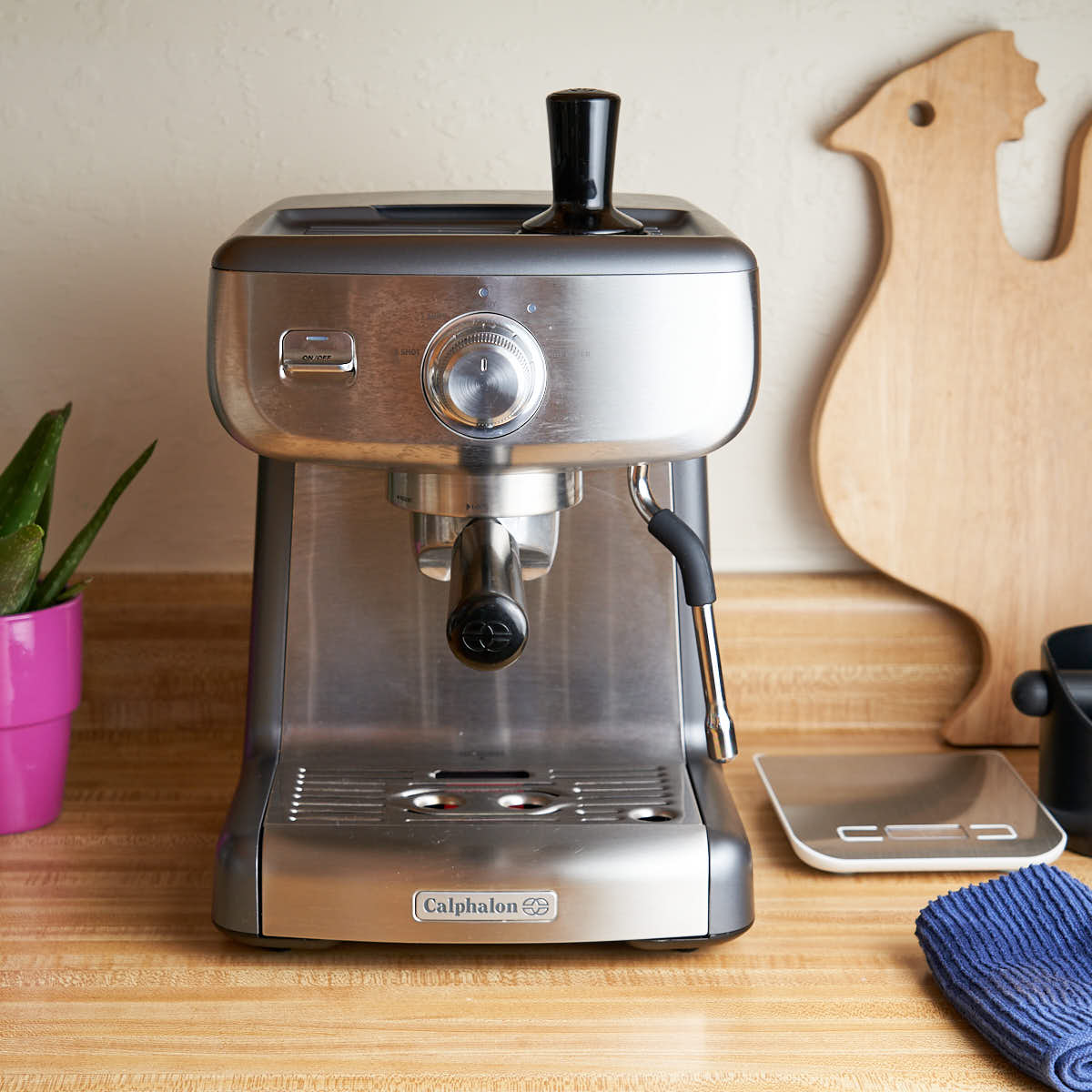
The Calphalon Temp IQ is characterized by its compact, stainless-steel footprint. Its design philosophy centers on accessibility. Unlike industrial machines that require complex plumbing and electrical setups, this model operates on standard household power and features a removable water reservoir that simplifies maintenance.
The machine is available in two distinct configurations: one with an integrated conical burr grinder and one without. The version lacking the integrated grinder is often favored by enthusiasts who prefer to pair the machine with a dedicated, high-quality burr grinder, as consistency in particle size is paramount for successful extraction.
Key technical specifications include:
- Pump Pressure: 15-bar pump, standard for producing sufficient pressure to push water through tightly packed coffee grounds.
- Portafilter Size: 58mm commercial-sized group head, which provides better heat retention and wider distribution compared to smaller, proprietary sizes found on cheaper models.
- Steam Wand: A manual steam wand capable of producing dry steam, necessary for creating the fine microfoam required for latte art.
Chronology of Performance
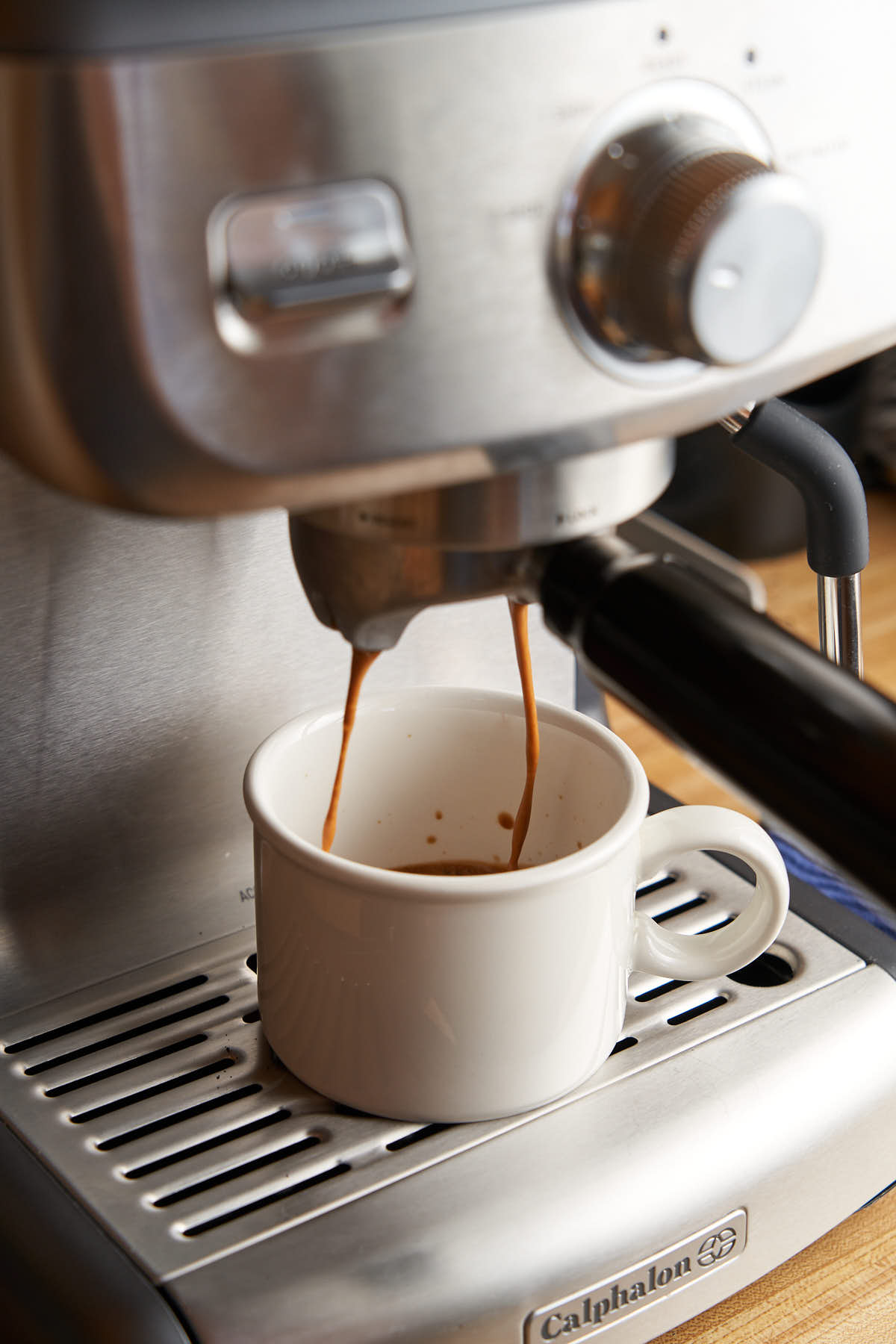
During the initial phase of ownership, the machine requires a "break-in" period, during which the user must familiarize themselves with the calibration of the extraction volume. The machine is factory-set to dispense 1 oz for a single shot and 2 oz for a double shot. However, the programmability of these volumes allows for fine-tuning based on the specific roast and origin of the coffee beans being used.
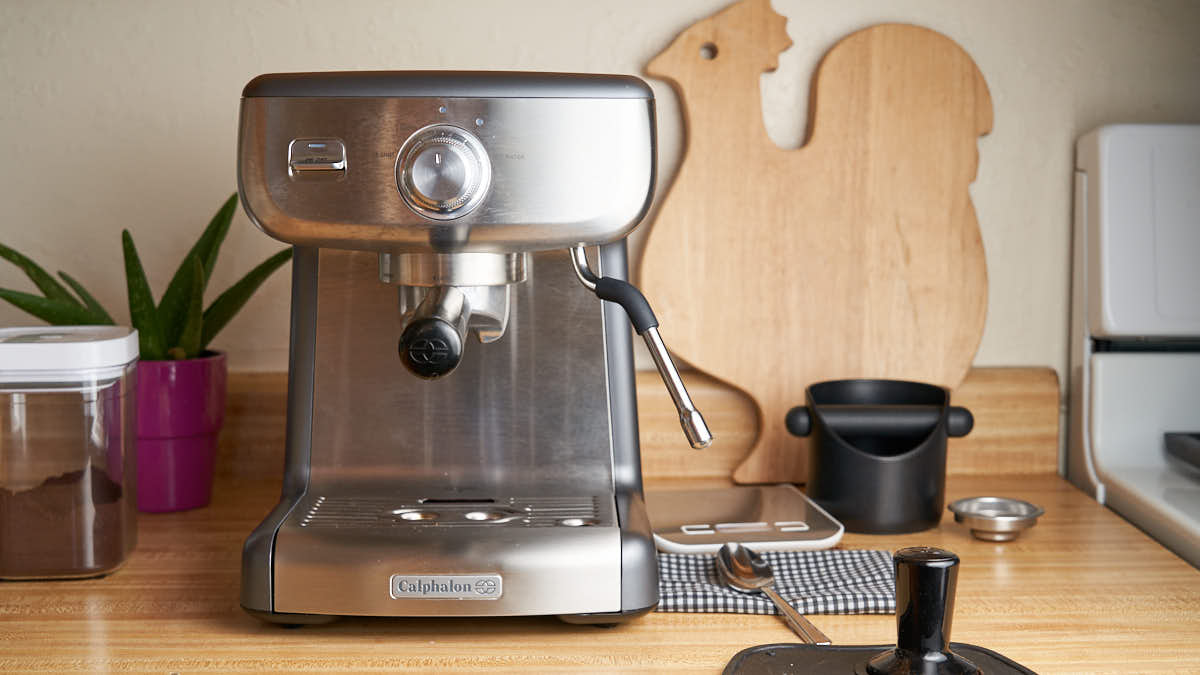
Over a sustained period of daily usage, the machine maintains a consistent heat-up time of approximately 30 to 45 seconds. This efficiency is a notable improvement over older boiler-based systems that could require ten minutes or more to reach operational temperature. Users report that the interface—consisting of a centralized control knob—removes the anxiety often associated with the multi-switch panels found on more complex machines. The four-position dial allows for seamless transitions between standby, extraction, and steam modes.
Comparative Analysis: The Grinder Debate
A central point of contention for potential buyers is whether to purchase the version with an integrated grinder. Industry experts generally suggest that while an integrated grinder offers convenience, it often limits the user’s ability to upgrade their equipment as their skills improve.
By purchasing the machine without the grinder, the user can allocate a larger portion of their budget toward a high-performance external grinder. Professional baristas frequently emphasize that the grinder is the most important piece of equipment in a coffee setup. An external unit often features a wider range of micro-adjustments, allowing the user to dial in their espresso to the second, compensating for changes in humidity, bean age, and roast profile.
Maintenance and Operational Longevity
The durability of an espresso machine is directly linked to the user’s commitment to a maintenance routine. The Calphalon Temp IQ requires a strict cleaning regimen to ensure the integrity of the espresso. This includes:
- Backflushing: While the machine design is simplified, ensuring the group head is purged of old oils after every use prevents rancidity.
- Steam Wand Maintenance: Because the wand interacts with milk, it must be purged with steam and wiped with a damp cloth immediately after use to prevent bacterial growth and the clogging of the steam tip.
- Water Quality: The use of filtered or soft water is highly recommended to prevent calcium buildup (scale) inside the internal heating elements, which is the primary cause of failure for home espresso machines.
The Impact of Freshness
The quality of the final beverage is ultimately dictated by the freshness of the beans. Data from specialty coffee roasters indicate that coffee beans reach their peak flavor profile between 7 and 21 days post-roast. Users of the Calphalon Temp IQ are encouraged to source beans from local roasters and request a grind size specifically calibrated for a "home espresso machine."
Because the Calphalon uses a pressurized basket system, it is slightly more forgiving of grind size inconsistencies than a bottomless portafilter on a commercial machine. However, as the user’s skill level advances, transitioning to a non-pressurized basket will allow for even greater control over the body and crema of the shot.
Broader Market Implications
The success of machines like the Calphalon Temp IQ signals a shift in the domestic appliance market. Manufacturers are no longer targeting only the casual drinker; they are now creating "prosumer" gear that respects the science of coffee extraction. The inclusion of commercial-sized 58mm components is a clear indicator that the brand is listening to the feedback of the specialty coffee community, which has long advocated for standardized parts.
For the holiday season or as a long-term investment, the machine provides a high value-to-cost ratio. While it may not feature the aesthetic flourishes or the dual-boiler systems of machines costing four times as much, it succeeds in its primary mandate: delivering a high-quality, cafe-style espresso experience at home.
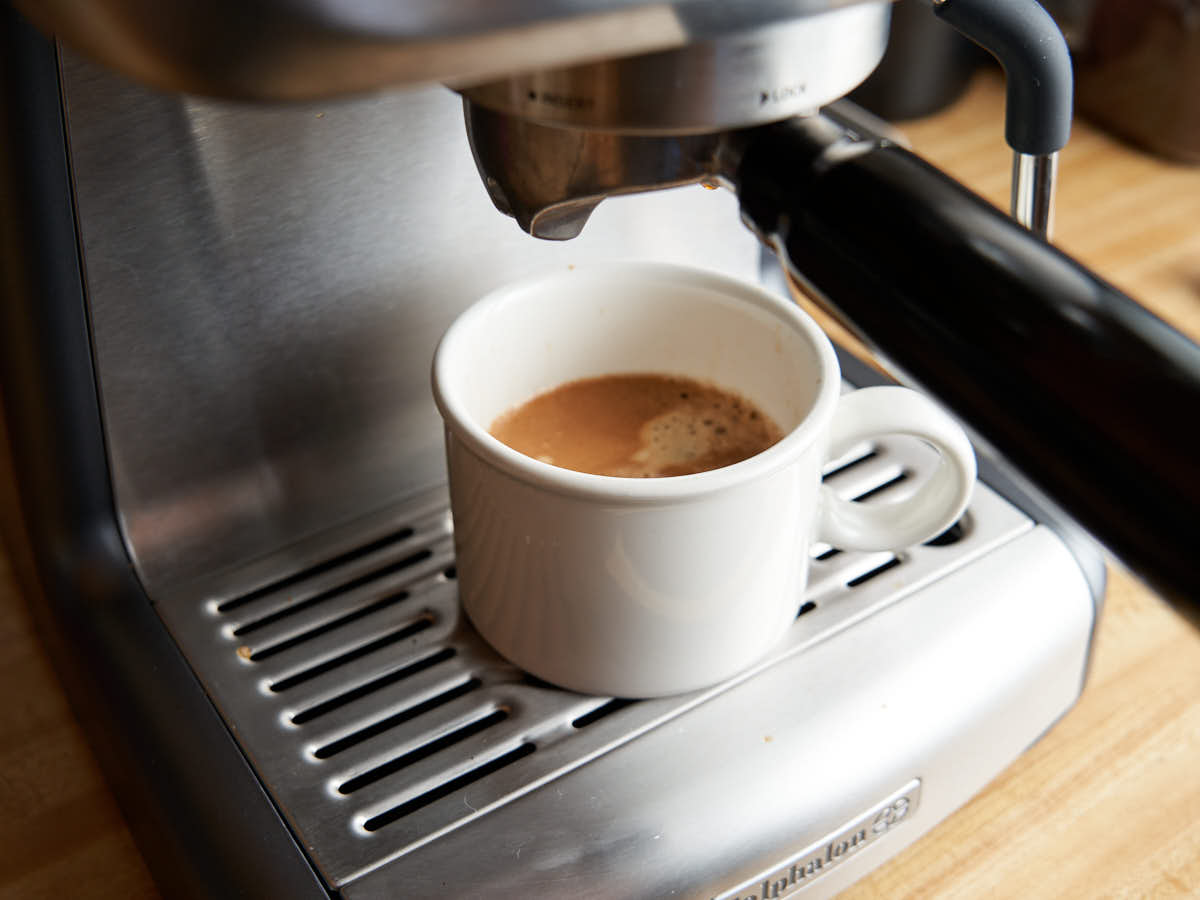
In conclusion, the Calphalon Temp IQ represents a balanced entry point into the world of manual espresso. Its combination of thermal stability, ease of use, and professional-sized components makes it a reliable choice for the consumer who wants to move beyond the limitations of automatic pod-based machines without the steep learning curve of a commercial-grade setup. With proper maintenance and a commitment to using high-quality, freshly roasted beans, the machine serves as a capable foundation for any home coffee bar.
