
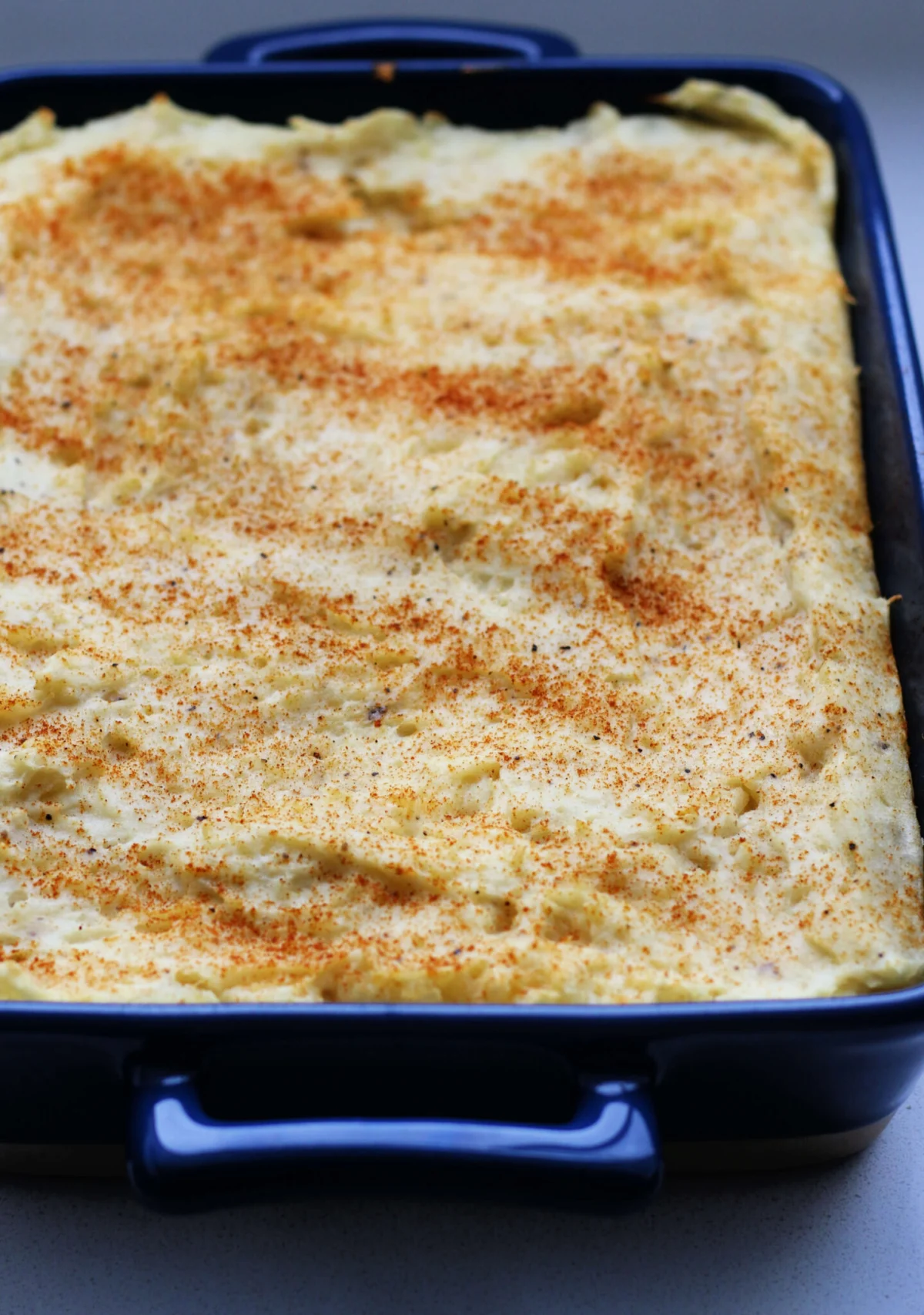
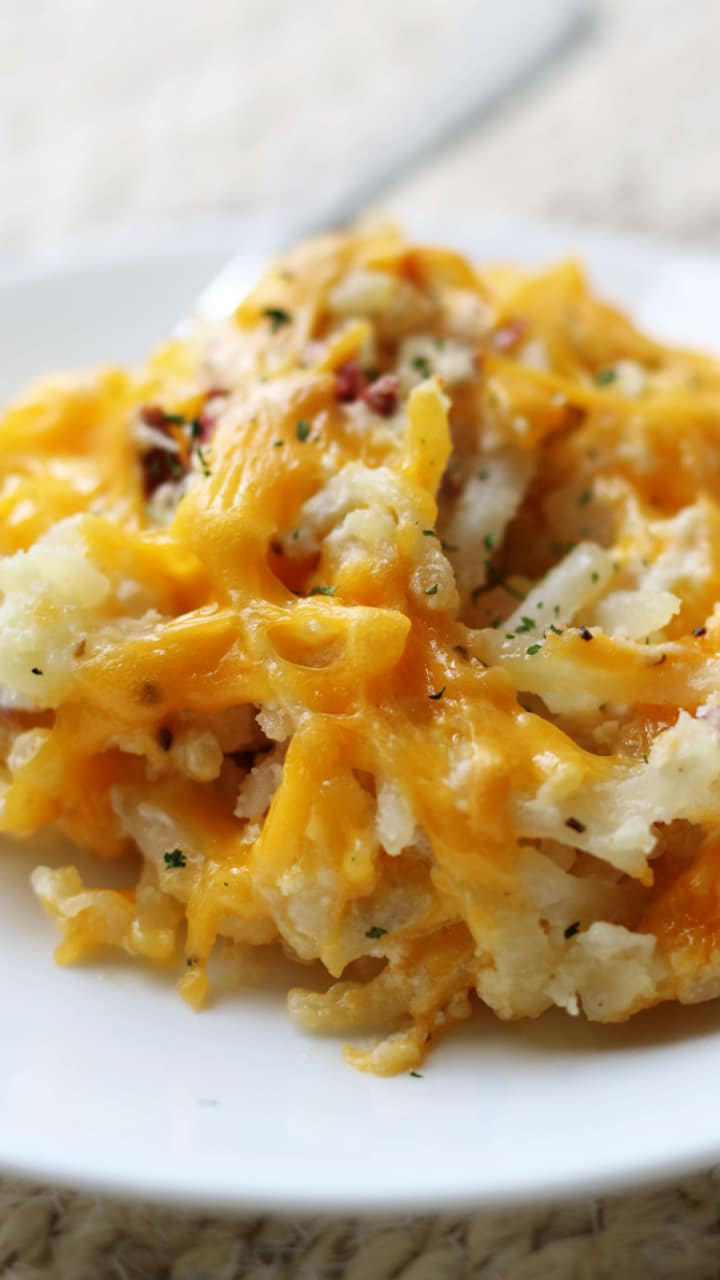
The landscape of modern home cooking is increasingly defined by a demand for efficiency, minimalism, and the elevation of humble staples. Among the most recent additions to the repertoire of simplified comfort food is Aunt Bee’s 3-Ingredient Casserole, a dish that has garnered attention for its ability to produce a sophisticated, scratch-made side dish while bypassing the processed additives common in traditional convenience-style recipes. By relying on red potatoes, high-quality sour cream, and sharp cheddar cheese, the recipe serves as a template for the growing trend of "stripped-back" culinary preparation.
The Evolution of the Potato Casserole
Historically, potato casseroles—often categorized under the mid-century "hot dish" phenomenon—relied heavily on canned "cream of" soups, frozen pre-shredded hash browns, and excessive salt content to achieve texture and flavor. These recipes became institutionalized during the 1950s and 60s as industrial food production prioritized convenience for working families. However, as public awareness regarding nutrition and the benefits of whole-food preparation has grown, culinary influencers and home chefs have sought to replicate the creamy, savory profile of these traditional dishes using fresh ingredients.
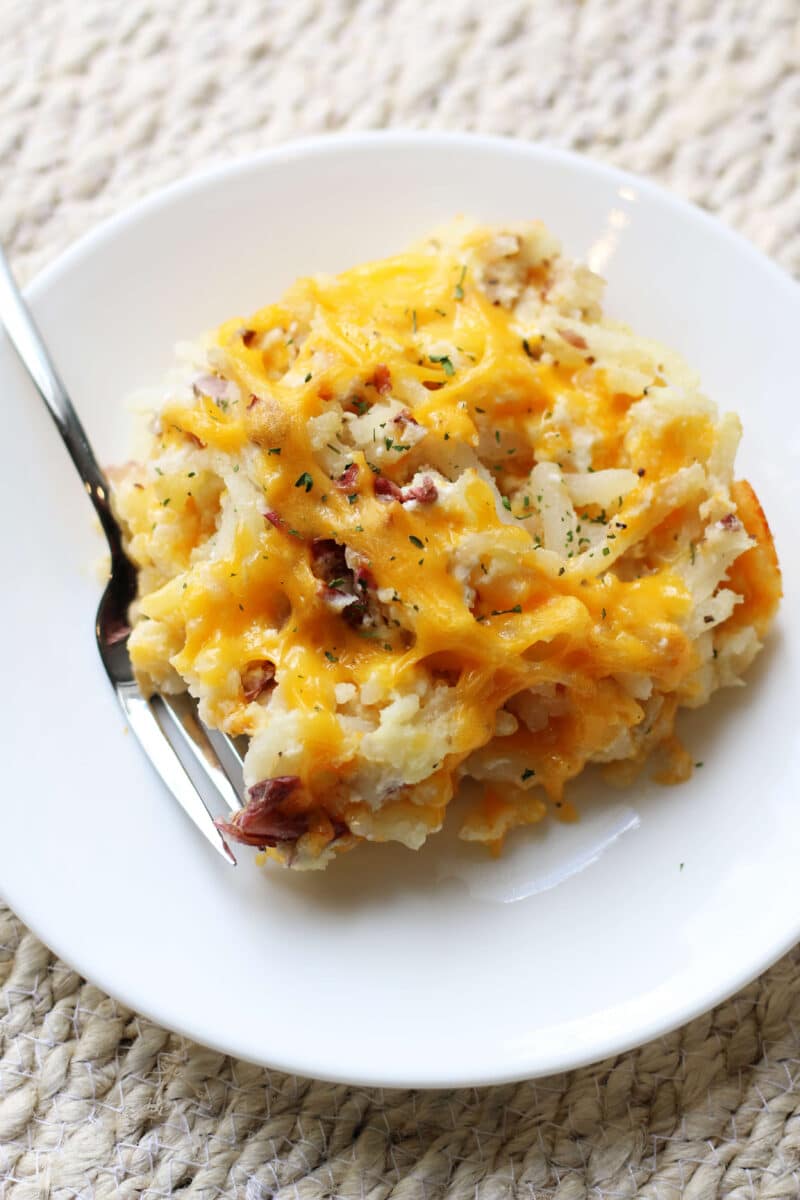
Aunt Bee’s 3-Ingredient Casserole represents a pivot toward this cleaner approach. The recipe, adapted from professional culinary sources and traced back to a traditional family preparation shared by the author known as "Aunt Bee," strips away the industrial shortcuts. By substituting fresh red potatoes for frozen variants and removing the processed binding agents, the dish offers a nutritional profile that is more transparent, if not necessarily lower in caloric density, than its processed predecessors.
Culinary Methodology and Technical Preparation
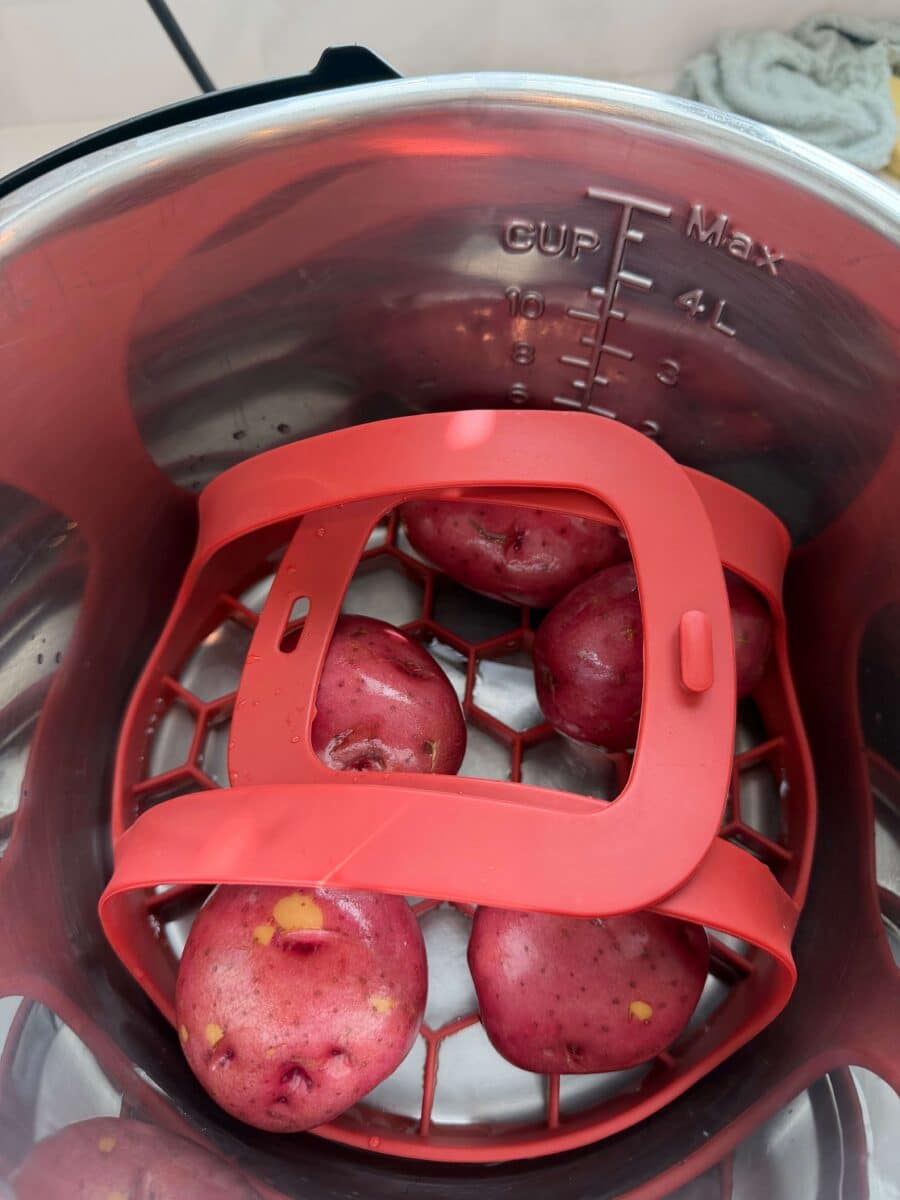
The preparation of this casserole highlights the intersection of modern kitchen technology and traditional stovetop methods. The process begins with the preparation of 20 ounces of red potatoes, which provide a waxy, firm texture that holds up better to baking than starchy russets.
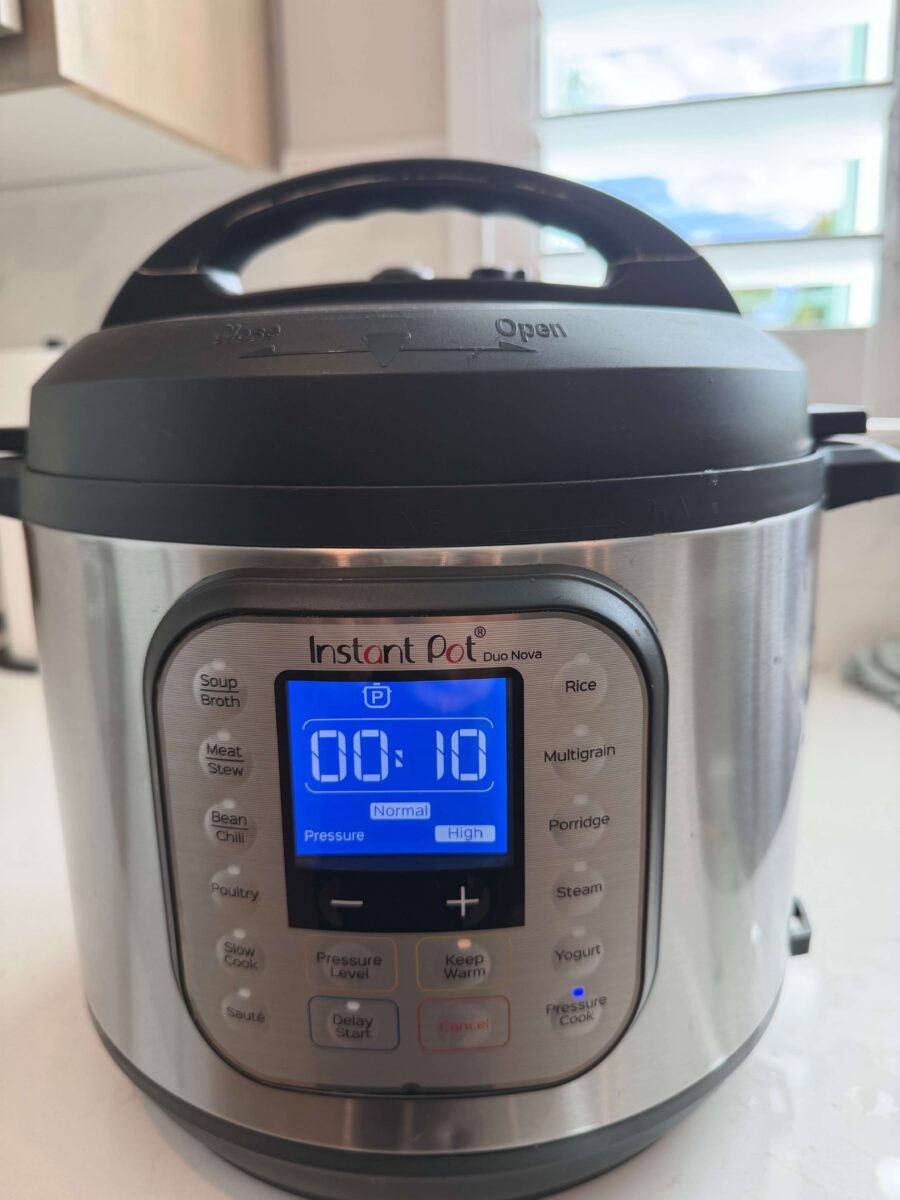
The primary innovation in this recipe is the use of the Instant Pot for steaming. Steaming the potatoes under pressure for 10 minutes ensures a uniform, tender consistency that is difficult to achieve consistently through traditional boiling. This step is critical; properly steamed potatoes maintain their moisture content, which is essential for the final binding process. For those without high-pressure equipment, the alternative remains a standard boil of 10 to 15 minutes, though this method requires careful monitoring to ensure the potatoes do not become waterlogged.
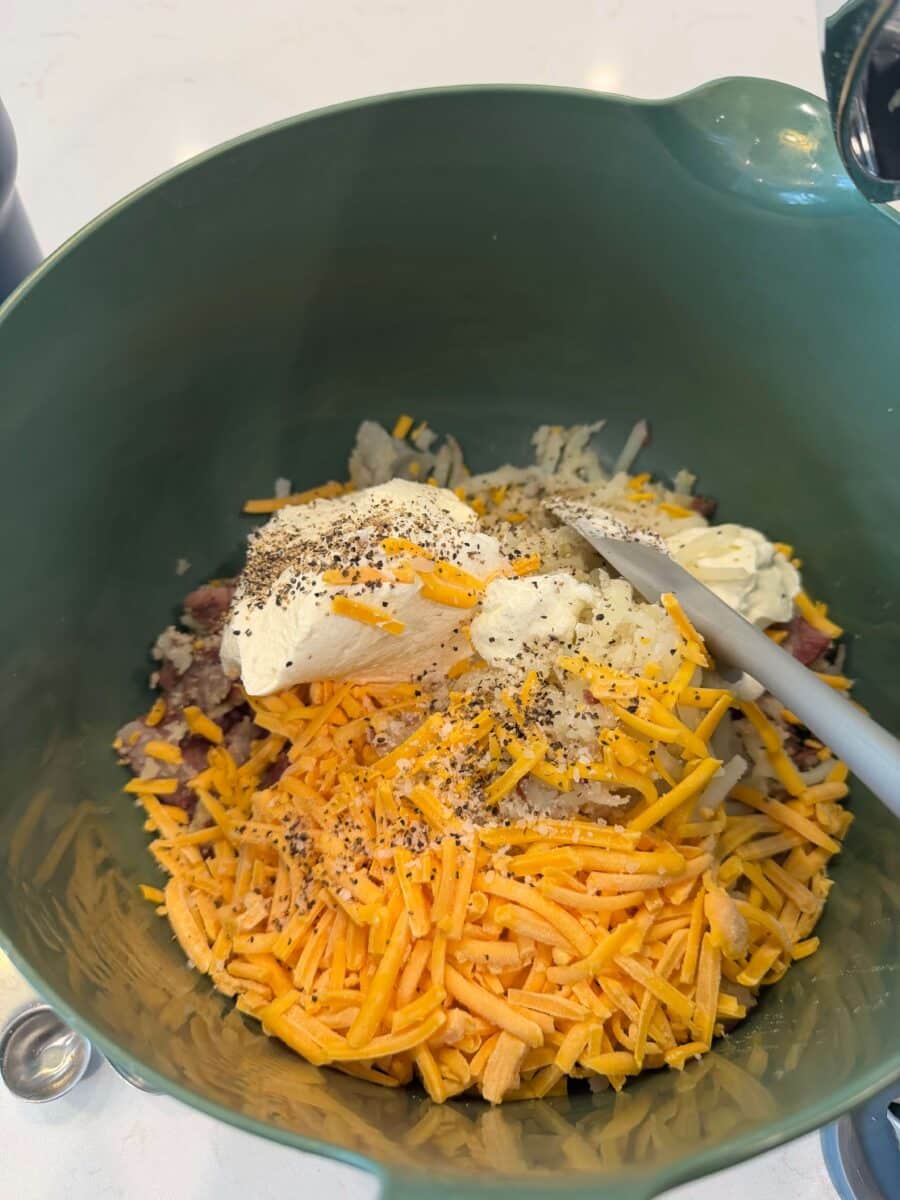
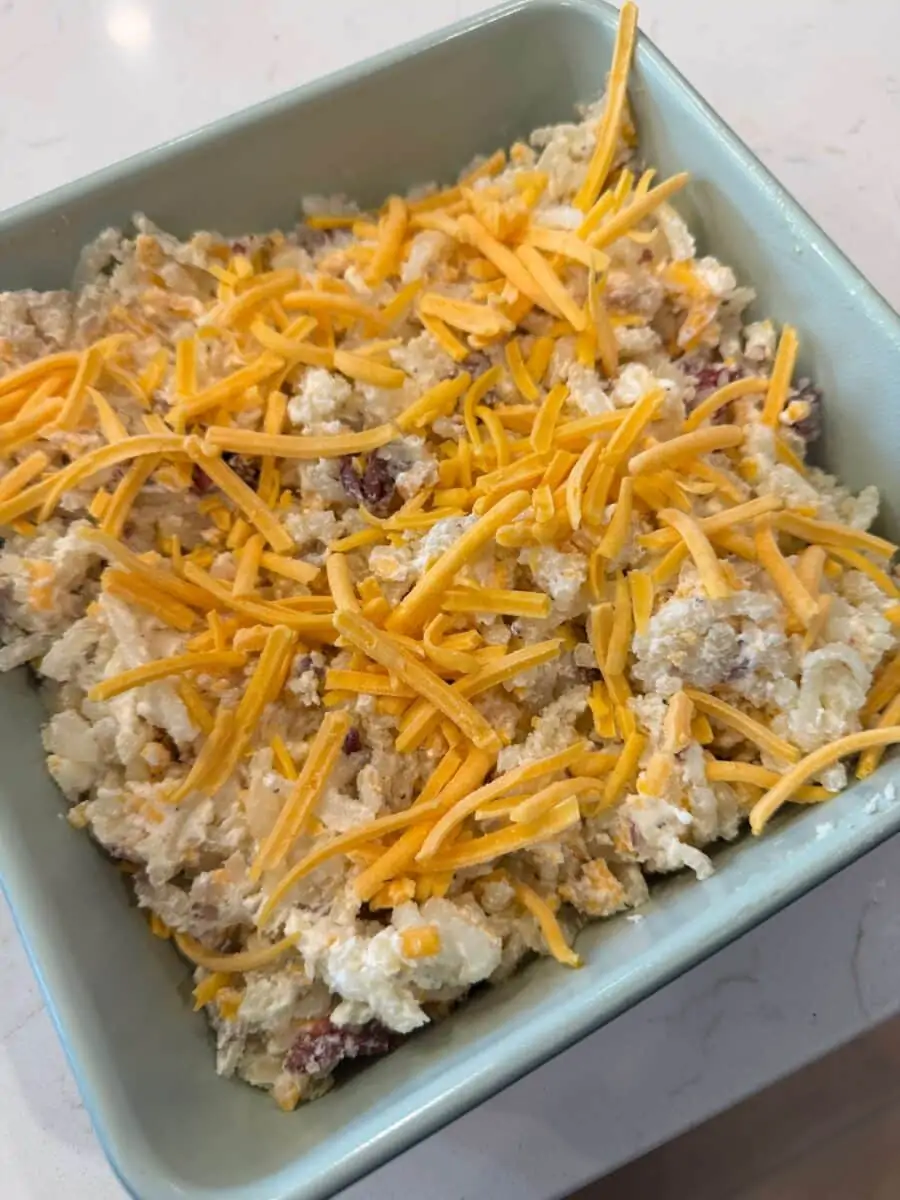
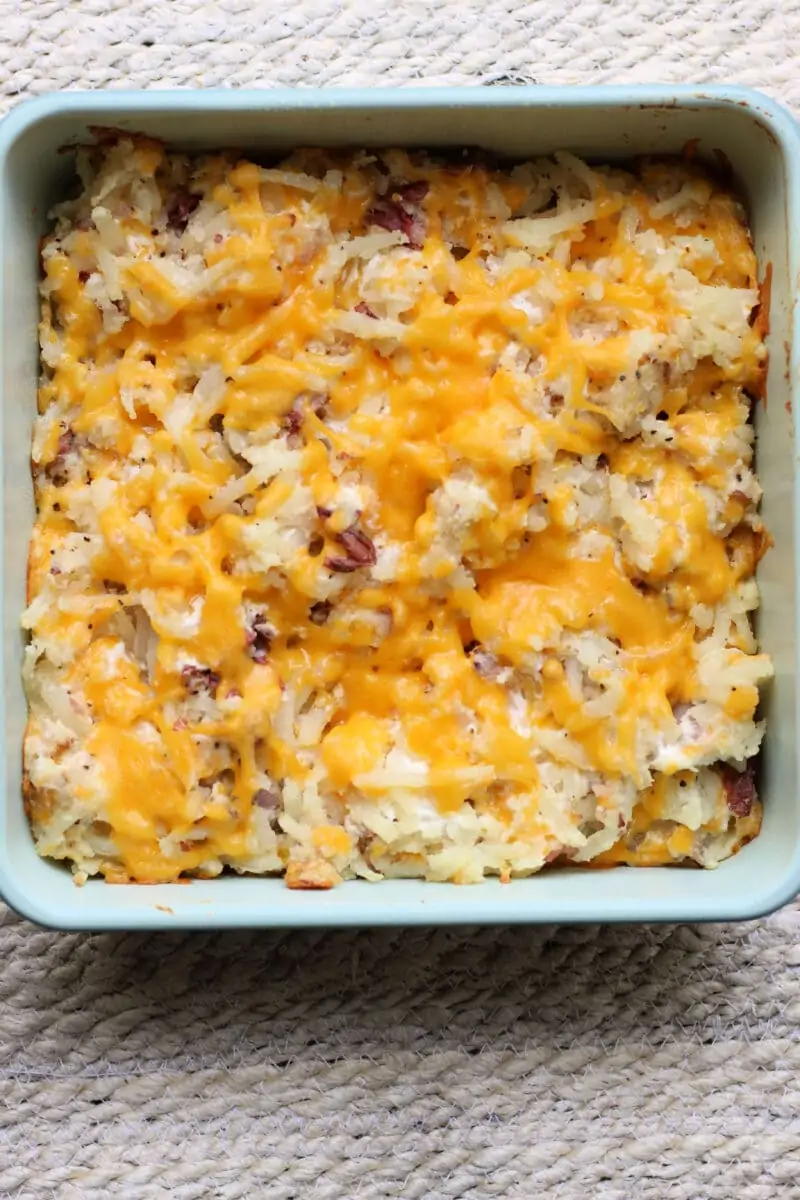
Following the initial cook, the potatoes are cooled—a step that allows the internal starches to set, facilitating a cleaner shred. The mixture is then combined with sour cream and one cup of shredded cheddar cheese. The remaining half-cup of cheese is reserved for the topping, ensuring a golden, crusty finish after 25 minutes of baking at 350°F.
Nutritional Context and Ingredient Selection
While comfort food is rarely associated with dietary restriction, the specific selection of ingredients in this dish has implications for home cooks. Red potatoes are characterized by their thin skins and lower starch content compared to baking potatoes, making them a source of potassium, vitamin C, and dietary fiber.
The reliance on sour cream and sharp cheddar introduces a significant amount of dairy-based fats. From a nutritional analysis perspective, the dish provides a high-energy side option. Unlike recipes that incorporate condensed soups—which often contain high levels of sodium, modified corn starch, and artificial thickeners—this recipe allows the home cook to control the salt content. By requiring only one teaspoon of kosher salt and a half-teaspoon of black pepper, the recipe provides a baseline that can be easily adjusted for individuals with dietary restrictions regarding sodium intake.
Comparative Analysis of Potato Side Dishes
In the current culinary marketplace, the "3-ingredient" model is competing against a crowded field of convenience-focused recipes. For instance, dishes like the Mississippi Mud Casserole or various "farmhouse" potato recipes often incorporate bacon, onion, or complex seasonings. While these additions increase flavor complexity, they also increase the number of steps and the potential for food waste.
Aunt Bee’s Casserole functions as a "control" dish in this category. It serves as a base that can be customized with herbs like chives or proteins like bacon, yet it is functional and complete as written. This scalability is likely why the recipe has seen a surge in interest on digital platforms like Pinterest, where users frequently search for "minimalist" and "time-efficient" meal solutions.
Economic and Practical Implications
The broader impact of such recipes lies in their economic accessibility. In an era where food costs have been subject to inflationary pressures, a side dish that relies on three primary, inexpensive staples—potatoes, dairy, and cheese—provides a high yield for a low per-serving cost.
Furthermore, the integration of these recipes into digital databases that allow for filtering by cooking method (e.g., Instant Pot vs. slow cooker) suggests that the modern home kitchen is increasingly becoming a hybrid environment. Users are looking for ways to utilize their appliances to save time without sacrificing the quality of the meal. The transition from frozen convenience foods to fresh, appliance-steamed preparations is not merely a trend but a reflection of the "democratization" of cooking, where high-quality results are accessible regardless of the cook’s skill level.
Broader Culinary Trends
The persistence of the potato as a central component of the American diet is well-documented. According to industry data, potatoes remain the most consumed vegetable in the United States, largely due to their versatility and shelf stability. Recipes like Aunt Bee’s capitalize on this ubiquity, offering a "new" way to serve an old standard.
As the industry moves toward 2026 and beyond, the trend toward "scratch-made" convenience is expected to continue. We are seeing a distinct shift where consumers prioritize the "ingredient list" over the "prep time." By reducing the list to just three key components, the recipe effectively eliminates the confusion and anxiety often associated with complex, multi-step baking.
Future Outlook
The success of simple, direct recipes like this one indicates that the future of home cooking is not necessarily in more complex technology or exotic ingredients, but in the refinement of the basics. By focusing on the structural integrity of the potato and the quality of the dairy, this dish serves as a case study in how to improve upon the classic family casserole without adding unnecessary culinary friction.
For the average household, the utility of such a recipe cannot be overstated. It provides a reliable, repeatable result that serves as a cornerstone for family gatherings, potlucks, and holiday meals. As home cooks continue to balance busy schedules with a desire for wholesome food, the reliance on minimalist, high-impact recipes will likely remain a dominant force in home kitchen strategy. Through the lens of this simple casserole, one can see the wider pattern of a generation rediscovering the comfort and necessity of the home-cooked meal, refined for the efficiency of the modern age.
