
The Intersection of Heritage and Modern Technology
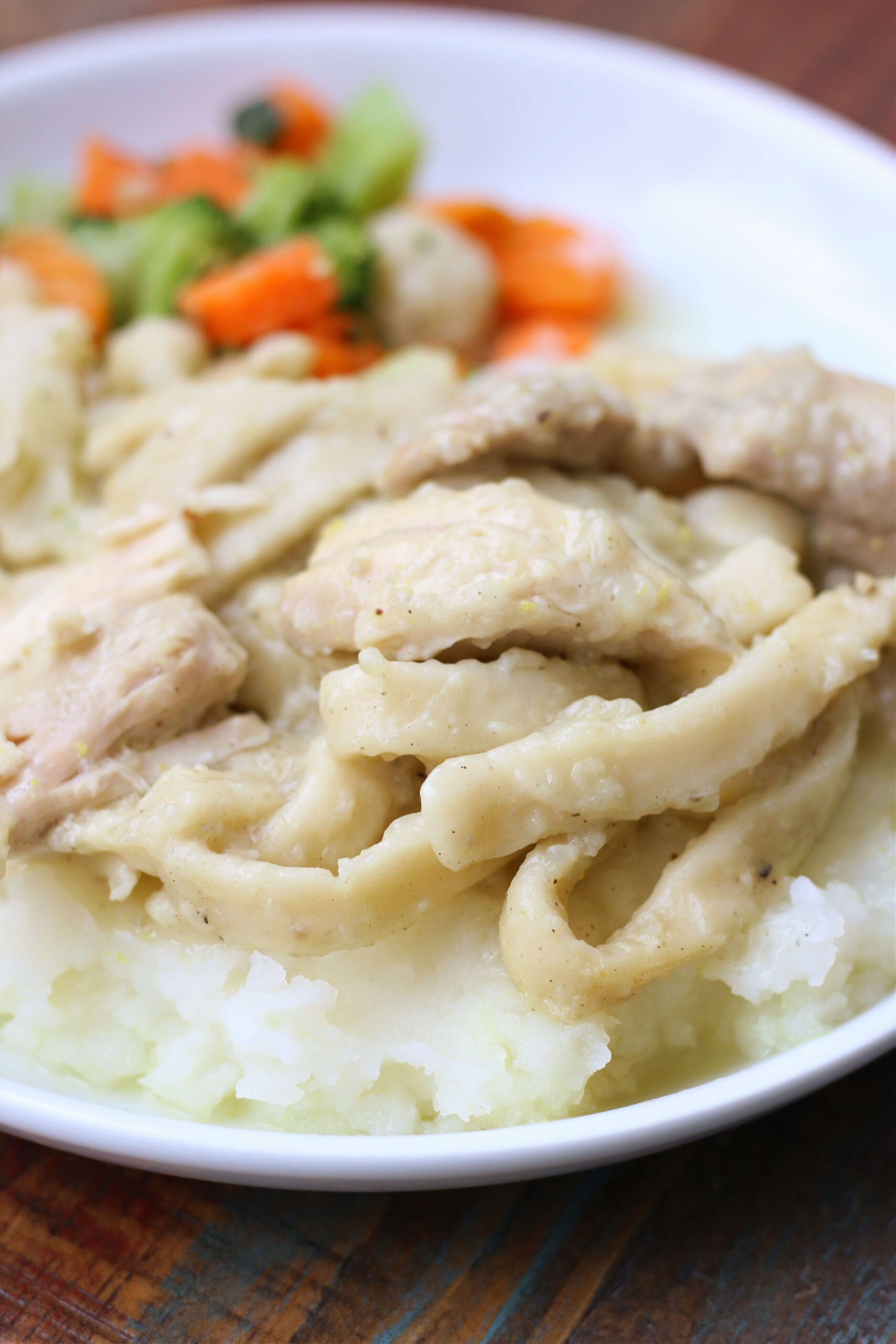
The origins of traditional Amish noodle dishes are rooted in the agricultural traditions of Pennsylvania Dutch country. These recipes typically emphasize high-quality, simple ingredients—primarily egg-based noodles, rich fats, and dairy—prepared over long periods to achieve a signature tender texture. The traditional method often involves boiling noodles in broth or stock until they reach a state of complete tenderness, a process that can be labor-intensive and requires constant monitoring on a stovetop.
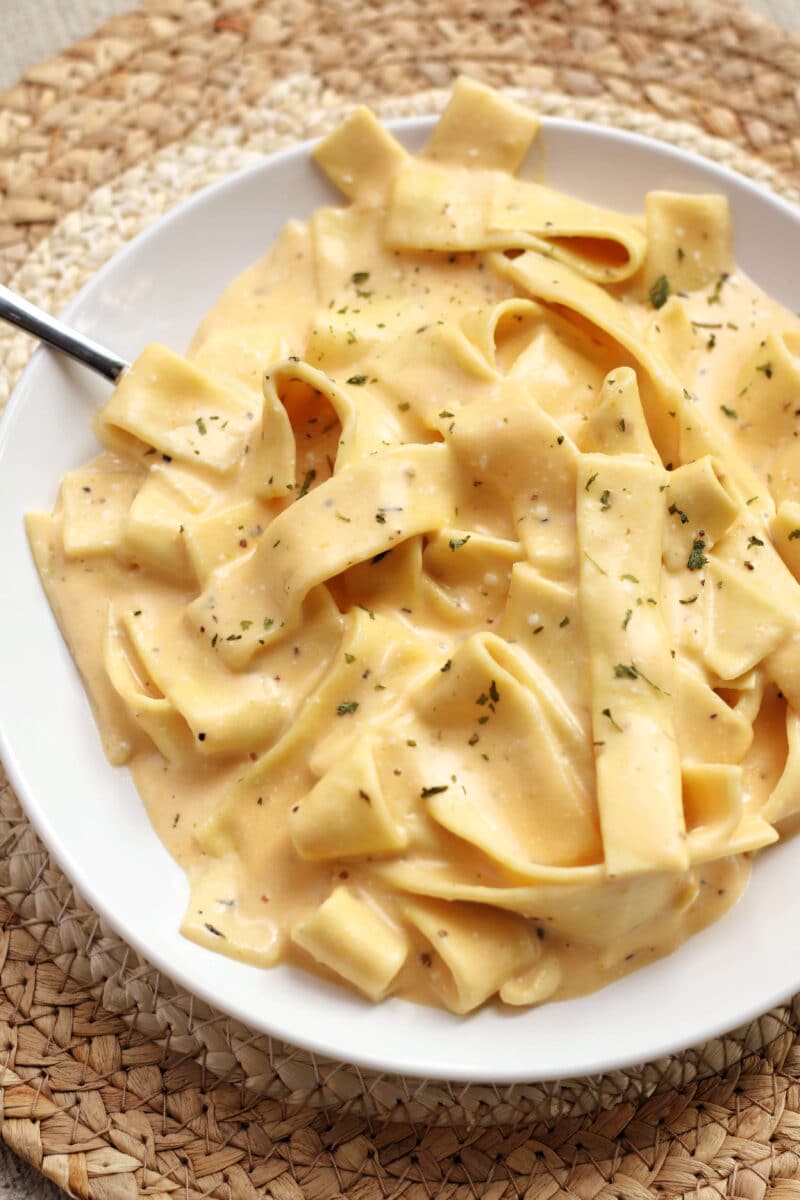
In contrast, the adaptation of these recipes for the Instant Pot represents a significant shift in preparation methodology. By utilizing high-pressure environments, the cooking time for traditional egg noodles is reduced to a fraction of the time required for conventional simmering. This technological intervention allows the starch to gelatinize and absorb the surrounding broth and fats under pressure, resulting in a cohesive, creamy consistency that typically requires significantly more manual effort to achieve.

Culinary Methodology and Technical Specifications
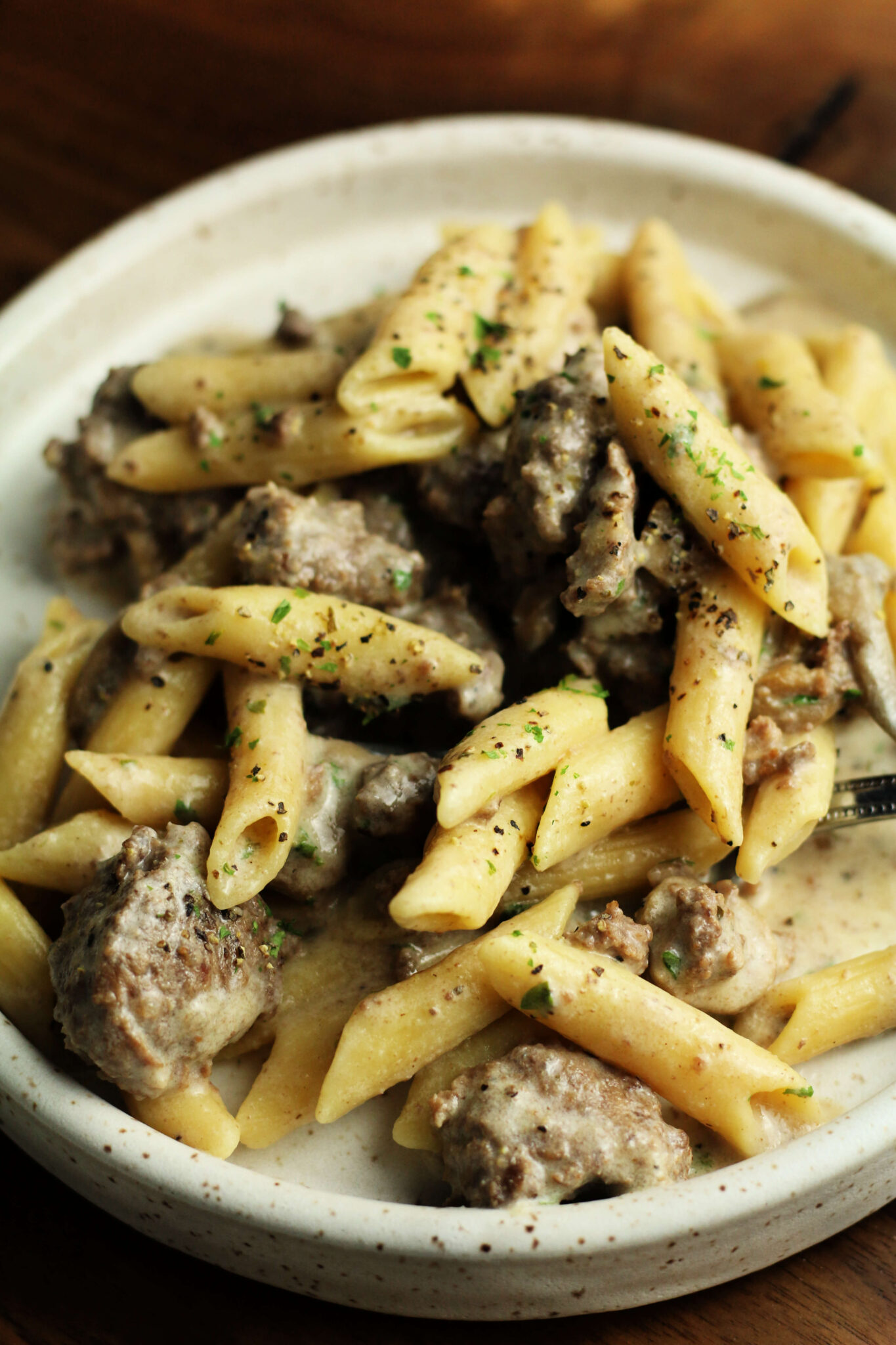
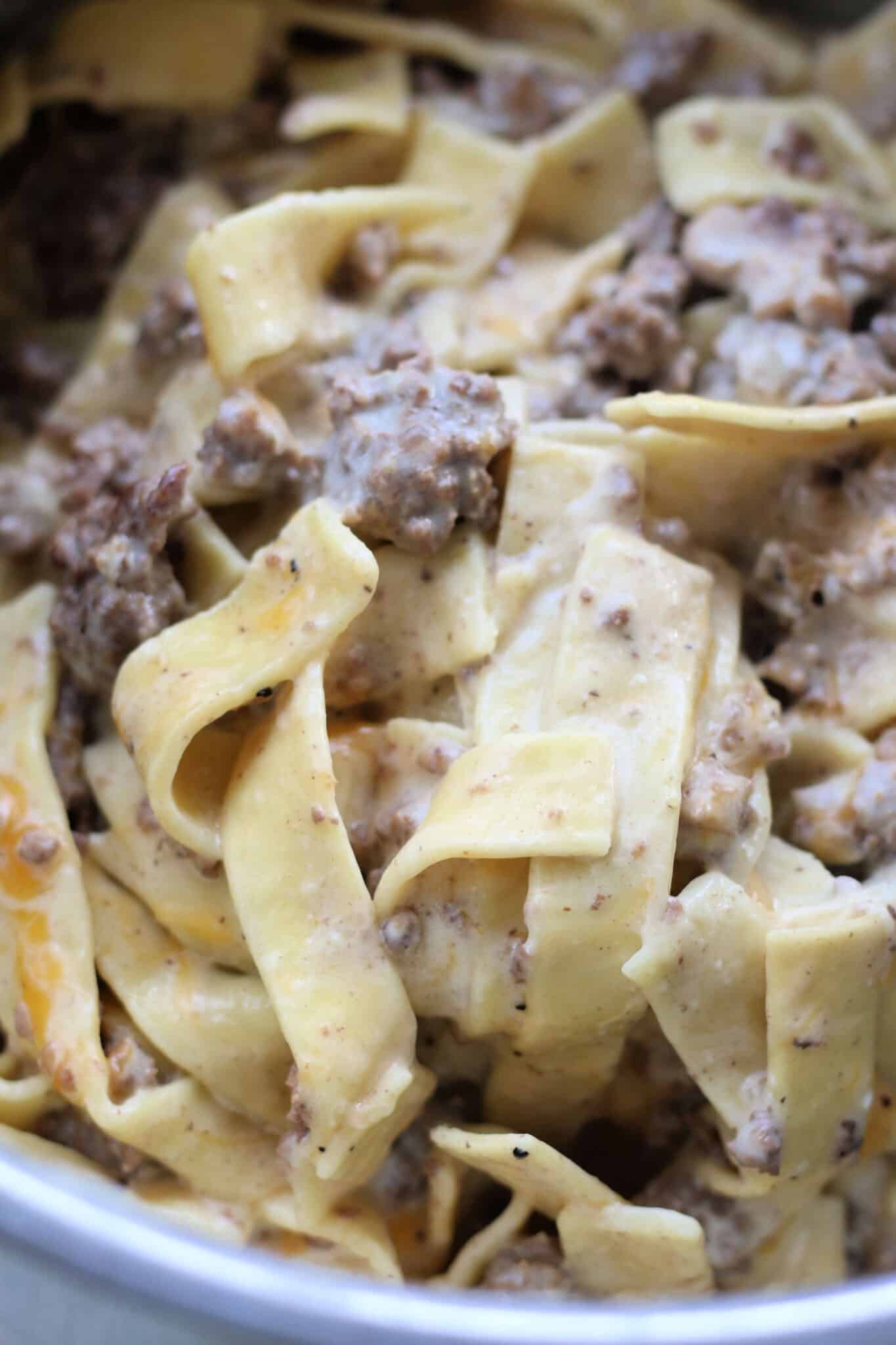
The preparation of Amish Cheesy One Pot Noodles requires a precise calibration of liquid-to-solid ratios. The recipe relies on 8 ounces of traditional egg noodles combined with 2 cups of chicken broth. The integration of 4 ounces of cream cheese and 4 ounces of sharp cheddar provides the fat content necessary to emulsify the sauce.

The chronological sequence of the preparation is as follows:
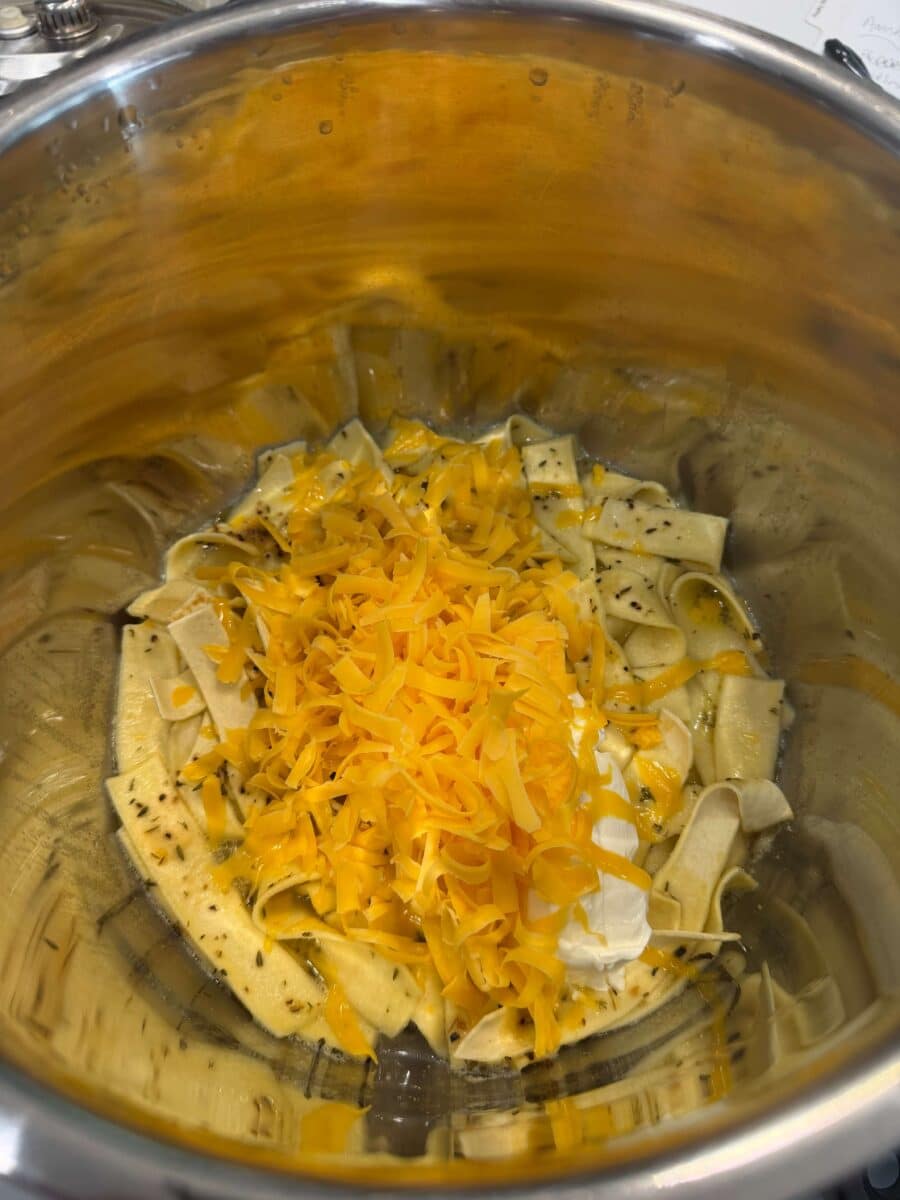
- Initial Assembly: Chicken broth is introduced to the inner pot, followed by the addition of the egg noodles.
- Layering: Essential seasonings—including kosher salt, garlic powder, onion powder, black pepper, and dried thyme—are layered atop the noodles, along with butter and cream cheese. Crucially, the layering technique is designed to prevent the dairy components from scorching at the bottom of the vessel while ensuring the noodles are adequately submerged.
- Pressure Phase: The device is sealed and set to a manual pressure cook cycle of five minutes.
- Controlled Depressurization: Following the pressure cycle, a standing time of 5 to 10 minutes is required. This allows for a gentle release of pressure, which is vital for maintaining the structural integrity of the delicate egg noodles.
- Emulsification: Once the lid is removed, the shredded sharp cheddar is folded into the mixture. The residual heat from the broth and the pressure-cooked ingredients facilitates the melting of the cheese, resulting in a uniform, stable sauce.
Nutritional Context and Ingredient Selection
The nutritional profile of this dish is characterized by high energy density, a common feature in rural, labor-intensive culinary traditions. The reliance on egg noodles provides a significant protein base, while the inclusion of butter, cream cheese, and sharp cheddar contributes to a high lipid content.

From a culinary science perspective, the use of sharp cheddar is a deliberate choice. Unlike milder varieties, aged sharp cheddar possesses higher protein content and lower moisture levels, which allows for a more pronounced flavor profile that can stand up to the mildness of the chicken broth and the richness of the cream cheese. The substitution of low-sodium chicken broth is often recommended for home cooks looking to manage the overall sodium content of the dish, as the cheese and butter inherently add significant salt.

Broader Impact on Home Cooking Trends
The rise of "one-pot" cooking methods within the context of the Instant Pot has had a measurable impact on household meal planning. Market data suggests that consumers are increasingly prioritizing "active prep time" reduction, with many households seeking recipes that require less than 15 minutes of manual labor.
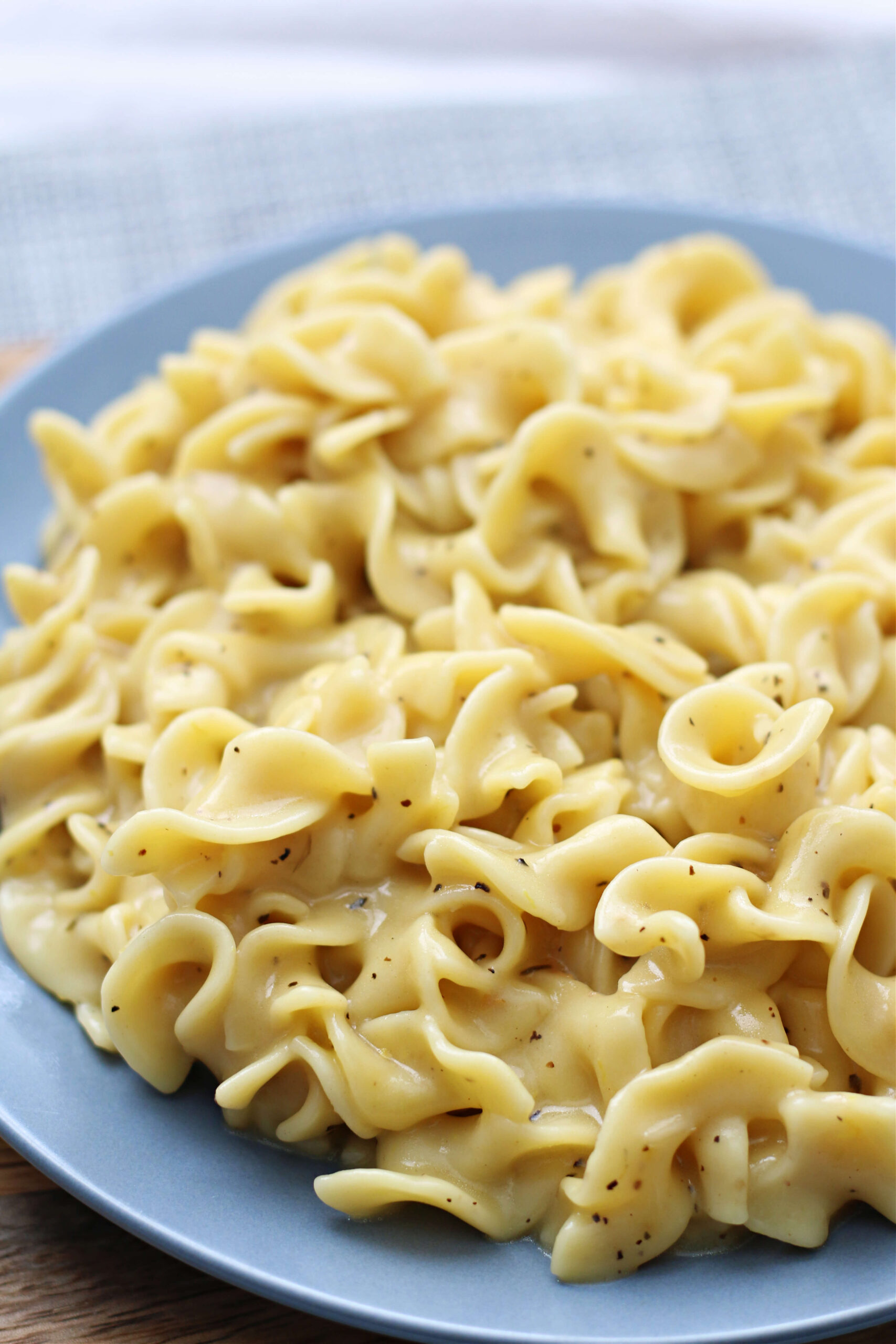
The adaptation of historical recipes—such as the Amish Cheesy One Pot Noodles—serves as a bridge between the desire for "slow food" quality and "fast food" convenience. This shift has implications for the food industry, as manufacturers have begun to tailor noodle products specifically for pressure-cooking applications, often adjusting the thickness and protein content of the pasta to ensure it does not disintegrate under high-pressure conditions.
Expert Analysis of Convenience Cooking
Culinary historians note that the "Amish" moniker in modern recipe naming conventions often denotes a style of cooking that values simplicity, frugality, and the use of pantry staples. The ability to create a restaurant-quality, creamy noodle dish without the need for a separate roux or a complex reduction sauce is a hallmark of this new era of home cooking.
However, experts also emphasize the necessity of understanding the mechanics of the appliance. Unlike a stovetop, where evaporation can be controlled, the sealed nature of a pressure cooker means that the initial ratio of liquid is final. Consequently, the success of dishes like these is highly dependent on the accuracy of measurement. The transition from a traditional stovetop pot to an electric pressure cooker is not merely a change in heat source; it is a change in the chemical environment in which the ingredients interact.
Chronology of Modernization
The integration of such recipes into the digital landscape has been facilitated by the rapid growth of "food blogs" and online recipe repositories. Between 2020 and 2026, the volume of search queries related to "one-pot pressure cooker pasta" has seen a consistent upward trajectory. This surge coincides with the increased saturation of multi-cooker appliances in domestic kitchens.
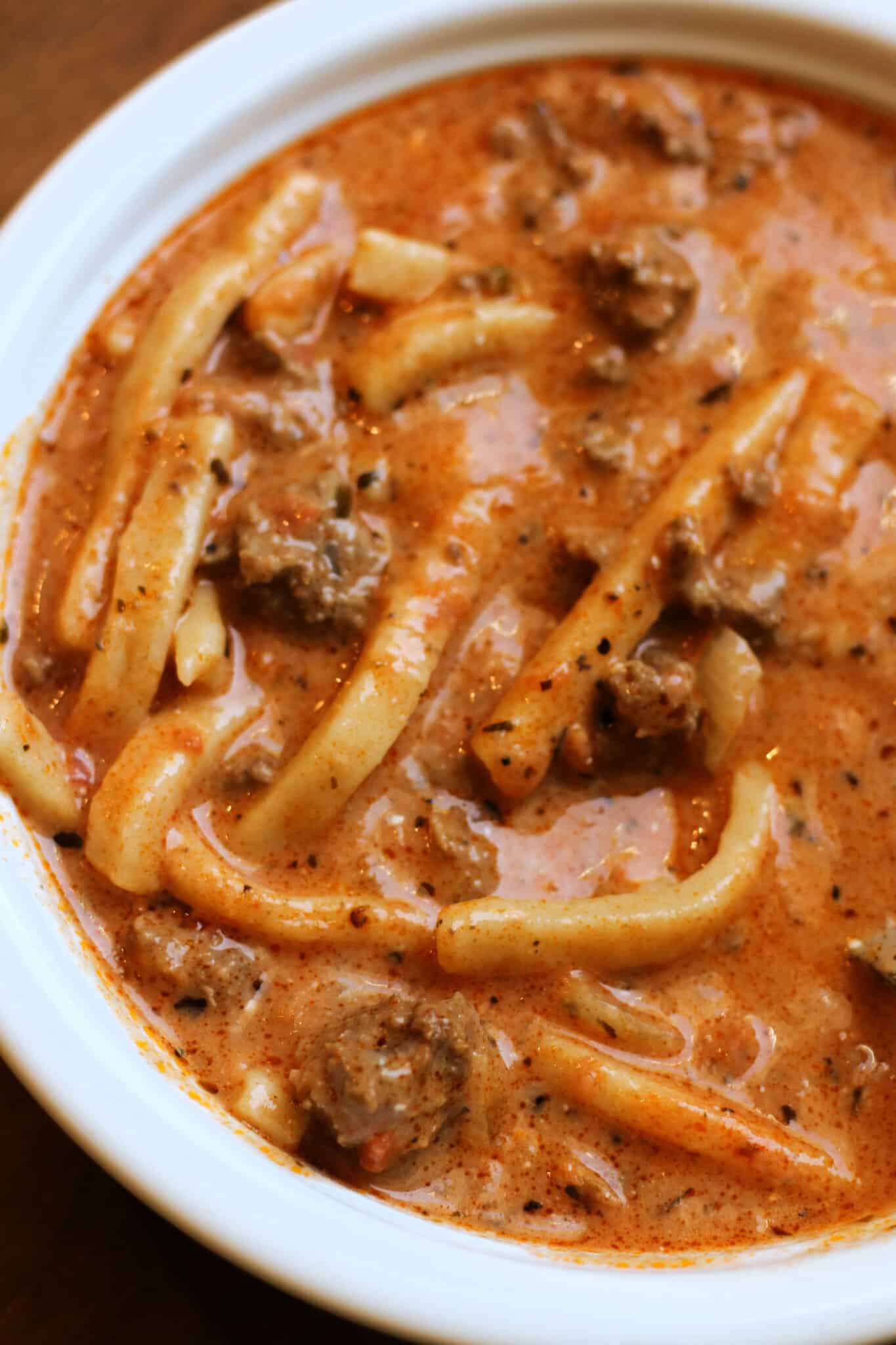
In 2022, the publication of specific Amish-inspired adaptations began to gain traction, marking a departure from the "dump-and-go" style of early pressure cooker recipes toward more sophisticated, flavor-layered dishes. By 2025, the trend had matured to include complex flavor profiles, such as the incorporation of ranch-style seasonings and French onion variations, reflecting a hybrid approach that merges rural American staples with contemporary palate preferences.
Conclusion and Future Implications
The success of the Amish Cheesy One Pot Noodles recipe is indicative of a broader shift in consumer behavior: the rejection of highly processed, pre-packaged "meal kits" in favor of scratch-made, high-comfort meals that utilize the efficiency of modern hardware. As households continue to navigate the balance between time constraints and the demand for quality home-cooked meals, it is likely that the "one-pot" philosophy will continue to influence how traditional recipes are adapted and preserved.
The dish serves as an example of how culinary heritage is not static. By adopting the Instant Pot as a tool, the fundamental components of a classic dish—the noodles, the broth, and the dairy—are re-imagined. The result is a meal that honors the spirit of its origins while serving the functional needs of the 21st-century kitchen. As technology advances, the boundaries between the traditional and the modern will likely continue to blur, fostering a culinary landscape that values both the history of the plate and the efficiency of the process.
