
The Intersection of Traditional Comfort and Modern Smoking
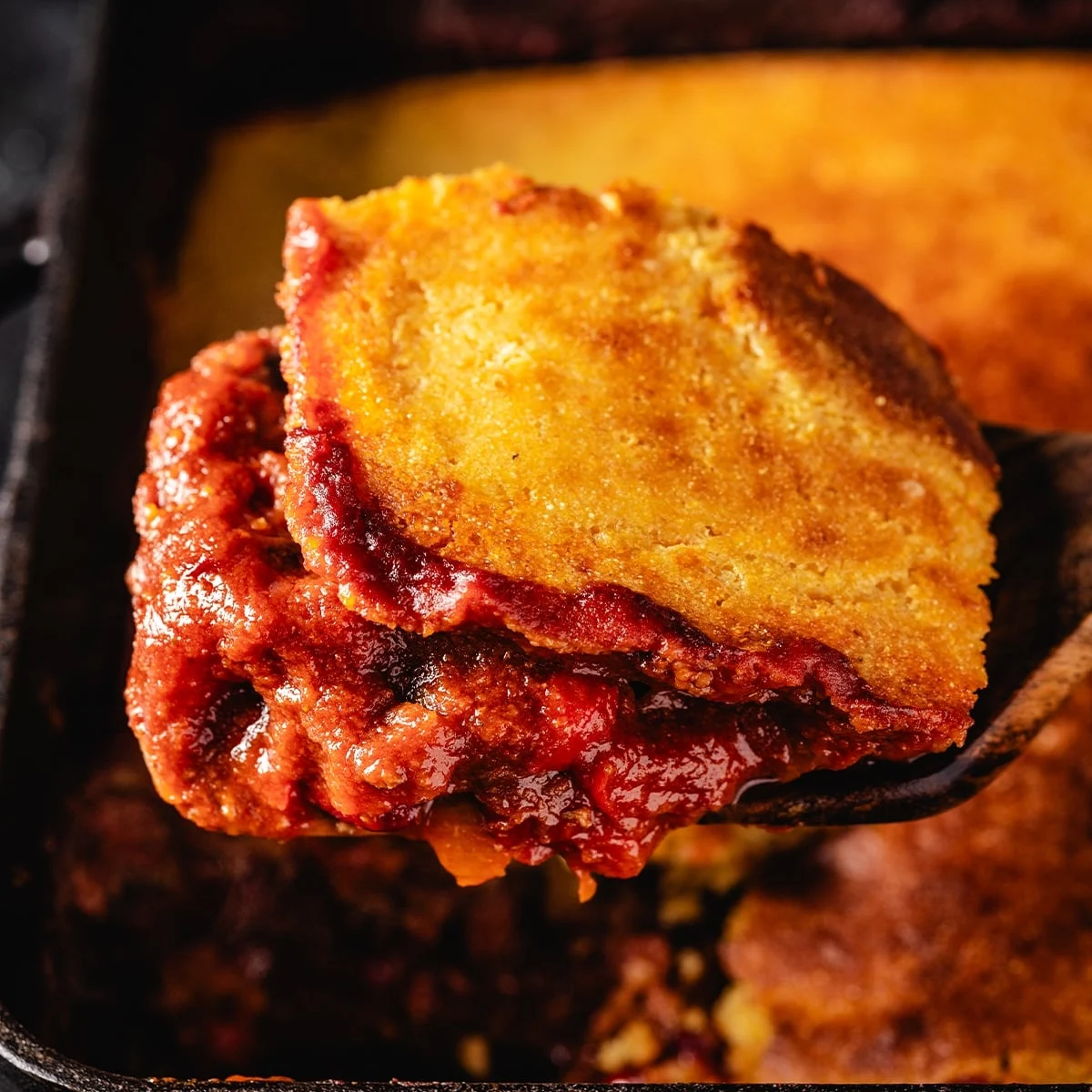
The Smoked Cornbread Chili Casserole is a dual-component dish consisting of a robust ground beef chili base—traditionally seasoned with chili powder, cumin, and aromatics—topped with a dense, buttery cornbread layer. By executing this bake inside a cast-iron skillet on a grill, the dish absorbs the wood-fired particulates that define professional barbecue. This process imparts a distinct smoke ring and depth of flavor to the chili, while the ambient heat of the smoker facilitates a golden, crispy crust on the cornbread.
Historically, cornbread and chili have been served as distinct, separate courses or pairings. The integration of these two elements into a single-vessel casserole is part of a broader shift toward "one-pot" or "one-skillet" culinary efficiency, which minimizes cleanup while maximizing the absorption of flavors between the proteins and the starch-based topping.

Chronology of Preparation and Execution
The preparation of this dish requires a structured, multi-phase approach to ensure that the heat-sensitive components of the batter and the moisture content of the chili are managed correctly.
- Preparation of the Chili Base: The process begins with the browning of high-quality ground beef, typically an 80/20 fat-to-lean ratio to ensure sufficient moisture. This is followed by the addition of onions, garlic, and specific chili aromatics. Unlike stovetop chili, the base must be brought to a simmer to allow the flavors to marry before the liquid is thickened.
- Batter Development: The cornbread component follows a standard ratio of cornmeal to flour, supplemented by leavening agents and dairy. This mixture is prepared separately to ensure the proper consistency—thick enough to sit atop the liquid chili without fully integrating into it during the initial stages of the bake.
- The Smoke-Bake Transition: The chili is transferred to a pre-heated cast-iron skillet. The batter is then layered over the chili. The skillet is placed into a smoker, preheated to approximately 375°F to 400°F. The higher temperature is necessary to ensure the cornbread sets and browns before the chili base boils over or dries out.
- Completion: The cooking time typically spans 30 to 45 minutes, depending on the internal temperature of the smoker and the ambient wind conditions, which can affect the efficiency of the grill.
Supporting Data and Nutritional Context
A single serving of this casserole, as analyzed through standard culinary testing, provides a significant caloric density, which is characteristic of traditional American comfort cuisine. With approximately 488 calories per serving, the dish is high in protein (23g) and carbohydrates (37g), making it a substantial meal choice.
The sodium content, averaging 1,260mg per serving, is largely attributed to the chili spice blends and the chemical leavening in the cornbread. From a logistical standpoint, the use of cast-iron cookware is critical; its high thermal mass allows for consistent heat distribution, which is essential when the heat source is external (the smoker) rather than the direct contact of a stovetop burner.

Culinary Implications and Industry Trends
The rise of the "Smoked Casserole" reflects a broader trend in the food industry toward "gourmet backyard dining." According to recent market analysis in the home grilling sector, there has been a 15% year-over-year increase in the sales of smoker-safe accessories, such as cast-iron skillets and Dutch ovens. This indicates that consumers are moving beyond simple protein smoking (such as brisket or pork shoulder) toward complex, integrated meals.
Professional chefs and barbecue influencers have observed that dishes like the Smoked Cornbread Chili Casserole allow for a "forgiving" cooking environment. Because the moisture from the chili prevents the meat from drying out, and the cornbread acts as a protective shield for the chili base, the dish is highly resilient to the minor temperature fluctuations common in backyard pellet grills.
Expert Perspectives on Flavor Profiles
Culinary experts suggest that the key to this dish lies in the choice of wood pellets. Fruit woods, such as apple or cherry, are frequently recommended for this specific casserole because they provide a mild, slightly sweet smoke that complements the corn-based profile of the topping. Stronger woods, such as mesquite or hickory, may overpower the delicate sweetness of the corn and the complex spice profile of the chili.

Furthermore, the addition of fresh garnishes—such as scallions, lime wedges, or sour cream—serves a functional role beyond aesthetics. The acidity from the lime and the cooling effect of the dairy provide a necessary contrast to the richness of the ground beef and the density of the cornbread, elevating the dish from a simple, heavy meal to a balanced, multi-dimensional culinary experience.
Broader Impact on Home Cooking
The accessibility of this recipe highlights the democratization of professional-grade barbecue techniques. By providing precise instructions on heat management and ingredient ratios, home cooks are able to replicate results that were previously the domain of competition-level barbecue enthusiasts. The shift toward utilizing the grill as an outdoor oven has also reduced the reliance on indoor kitchen appliances during the warmer months, contributing to energy efficiency in household food preparation.
As the industry continues to evolve, the focus on "all-in-one" smoked meals is likely to expand. The Smoked Cornbread Chili Casserole serves as a primary example of how basic pantry staples—ground beef, beans, cornmeal, and spices—can be transformed into a sophisticated, highly-regarded dish through the strategic application of heat and smoke. Whether served at community gatherings or as a staple family dinner, the dish remains a definitive example of modern American fusion cooking.

In conclusion, the Smoked Cornbread Chili Casserole is not merely a recipe; it is a manifestation of the current culinary landscape, where convenience, tradition, and advanced technology converge. By adhering to the fundamental principles of thermodynamics in cooking—maintaining consistent temperatures and utilizing high-thermal-mass vessels—home cooks can successfully navigate the complexities of this dish to produce a result that is both nutritionally substantial and flavor-forward. As interest in outdoor culinary arts continues to grow, it is expected that variations of this casserole will continue to appear, incorporating regional ingredients and evolving smoking techniques to suit the changing palates of the modern consumer.
