
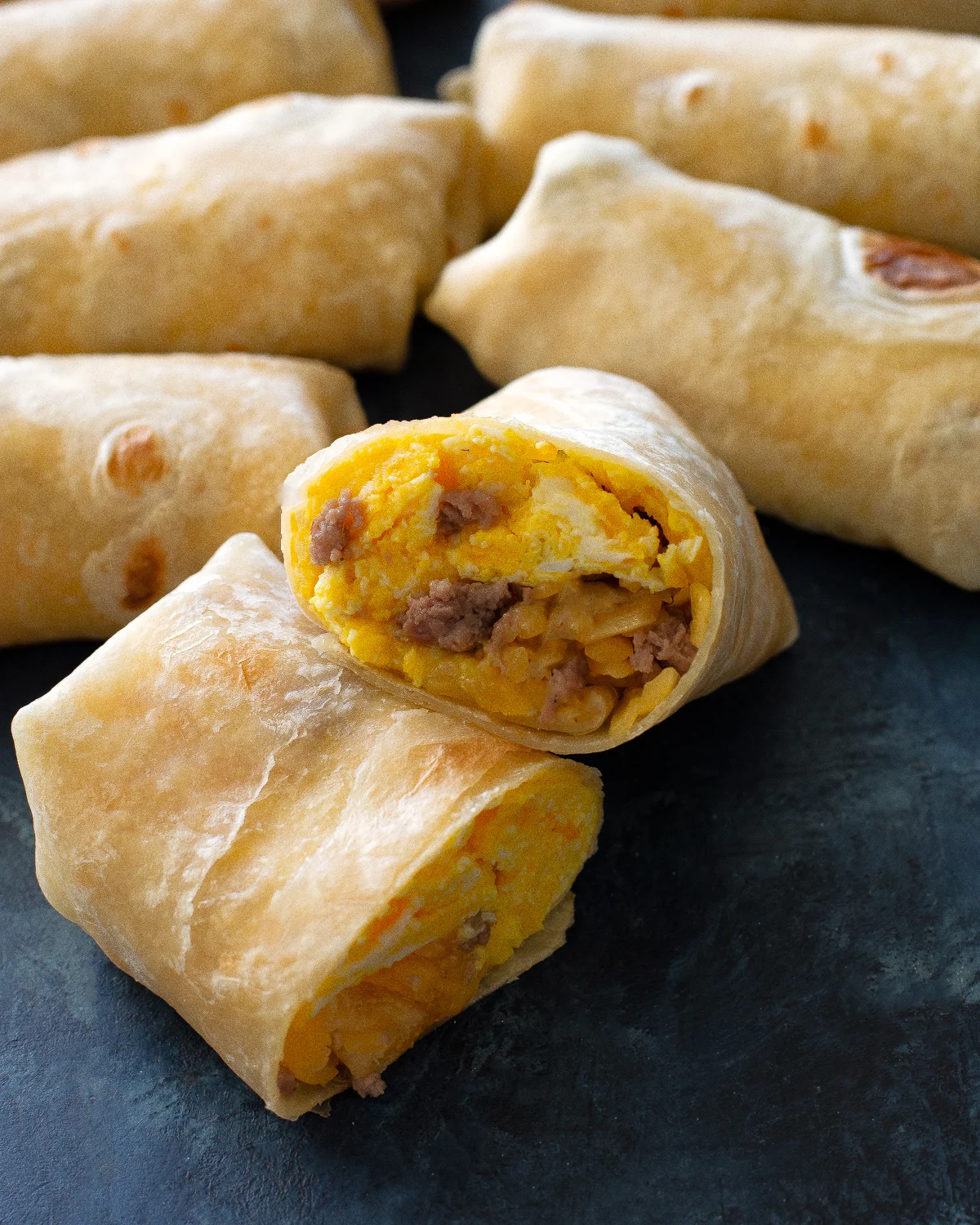
The Evolution of the Modern Breakfast Routine
For decades, the standard breakfast was a sit-down affair, often requiring significant preparation time. However, shifts in labor force participation and school schedules have rendered traditional breakfast habits increasingly impractical for many families. The Sausage and Egg Breakfast Burrito has emerged as a primary solution to this logistical challenge. By utilizing a foundational template of only four primary components—eggs, sausage, cheese, and tortillas—the dish offers a scalable solution for families needing to provide consistent nutrition to multiple individuals simultaneously.

Data from recent consumer food studies indicate that the breakfast category is the fastest-growing segment in the convenience food market. Consumers are increasingly moving away from high-sugar, low-protein cereals and toward savory, protein-dense options that offer satiety throughout the morning. The burrito format, in particular, is highly favored due to its portability and the ease with which it can be stored and reheated.
Chronology of the Meal-Prep Movement
The rise of the "make-ahead" breakfast movement can be traced back to the early 2010s, gaining significant momentum with the proliferation of home-cooking blogs and social media platforms dedicated to domestic efficiency.

- 2010–2015: The foundational era of meal prep, where influencers began documenting "batch cooking" techniques to reduce grocery costs and save time.
- 2016–2020: The integration of professional-grade storage containers and better understanding of freezer-burn prevention allowed for higher-quality, long-term storage of egg-based dishes.
- 2021–Present: Post-pandemic lifestyle shifts have solidified the importance of home-based breakfast solutions as hybrid work and school environments continue to demand more flexibility in morning nutrition.
Nutritional and Economic Analysis
From a nutritional standpoint, the simplicity of a four-ingredient burrito allows for precise control over dietary intake. Sausage provides a dense source of protein and fats, while eggs contribute essential amino acids and micronutrients such as choline. When combined with a flour or corn tortilla, the meal provides the necessary carbohydrates to fuel cognitive function for students and professionals alike.
Economically, the "cost-per-unit" analysis of these burritos is highly favorable compared to store-bought, pre-packaged breakfast alternatives. By purchasing ingredients in bulk, families can significantly lower the expense of a single serving. For a standard household of four, the transition to homemade breakfast burritos can lead to a estimated 40% reduction in monthly breakfast-related food expenditures.

Optimal Preparation and Food Safety Standards
The integrity of a breakfast burrito hinges on the temperature control of the ingredients during the assembly phase. Culinary experts and food safety authorities emphasize that ingredients should be allowed to reach room temperature before being wrapped. This prevents the buildup of excess moisture, which leads to a "soggy" texture in the tortilla—a common failure point in improper preparation.
Proper storage protocols are essential for maintaining both quality and safety:

- Cooling: Ingredients should be spread on a baking sheet to cool rapidly, preventing the growth of pathogens associated with improper cooling of protein-rich foods.
- Wrapping: Utilizing individual layers of plastic wrap or aluminum foil creates a barrier against freezer burn and helps maintain the structure of the tortilla.
- Reheating: Scientific testing on microwave and oven heating confirms that wrapping a frozen burrito in a damp paper towel before microwaving helps rehydrate the tortilla, while oven-heating in foil at 350°F (175°C) for 30–35 minutes ensures even heating throughout the center of the burrito without drying out the exterior.
Industry Perspectives on Convenience Nutrition
Dietitians and industry consultants often highlight the psychological benefits of removing "decision fatigue" from the morning routine. When nutrition is pre-planned and easily accessible, the likelihood of skipping breakfast—or resorting to less nutritious, high-processed alternatives—drops significantly.
"The efficiency of a freezer-stocked breakfast is not just about the time saved in the kitchen; it is about the cognitive bandwidth saved during the morning rush," says Dr. Elena Vance, a nutritionist specializing in family wellness. "When the barrier to entry for a healthy meal is as low as heating a pre-made item, adherence to healthier eating patterns becomes sustainable for the long term."

Broader Implications for Household Management
The adoption of such recipes reflects a larger societal trend toward "domestic management optimization." As households continue to face time-scarcity, the reliance on systems that prioritize batch-processing will likely grow. The Sausage and Egg Breakfast Burrito is merely a microcosm of a larger movement toward treating household food production with the same rigor as commercial logistics—focusing on output, shelf-life, and consistent quality.
Furthermore, the environmental impact of such practices should not be overlooked. By cooking in bulk, households decrease the reliance on single-use packaging found in commercially processed breakfast foods. This, coupled with the ability to control ingredient sourcing, allows for a more sustainable approach to daily nutrition.

Conclusion: The Future of Breakfast
As the breakfast landscape continues to evolve, the demand for simple, effective, and nutritious solutions remains constant. The Sausage and Egg Breakfast Burrito represents a perfect synthesis of these requirements. By focusing on fundamental, accessible ingredients and employing rigorous storage and preparation techniques, households can ensure that their morning nutritional needs are met without the typical pressures of the morning rush.
While variations such as the addition of green chiles, potatoes, or various cheese blends can personalize the experience, the core architecture of the meal remains a testament to the effectiveness of simple, high-protein, and portable food design. Whether intended for a child’s quick commute to school or a professional’s fast-paced morning start, the prepared breakfast burrito remains one of the most practical innovations in the modern domestic kitchen. As we look toward future food trends, it is clear that efficiency will remain a primary driver, making the art of the make-ahead meal an essential skill for the contemporary family.
