

The culinary landscape of New York City has long been defined by its diverse immigrant influences, with Peruvian cuisine carving out a significant niche through the popularity of pollo a la brasa. Among the most recognizable purveyors of this tradition is the restaurant chain Pio Pio, whose signature rotisserie chicken and distinctive, vibrant green dipping sauce—known as aji verde—have become staples of the metropolitan dining experience. While the restaurant’s preparation methods remain proprietary, home cooking enthusiasts have sought to replicate the dish’s specific flavor profile, characterized by a complex marinade and a high-heat roasting technique that yields crispy, golden skin and succulent meat.
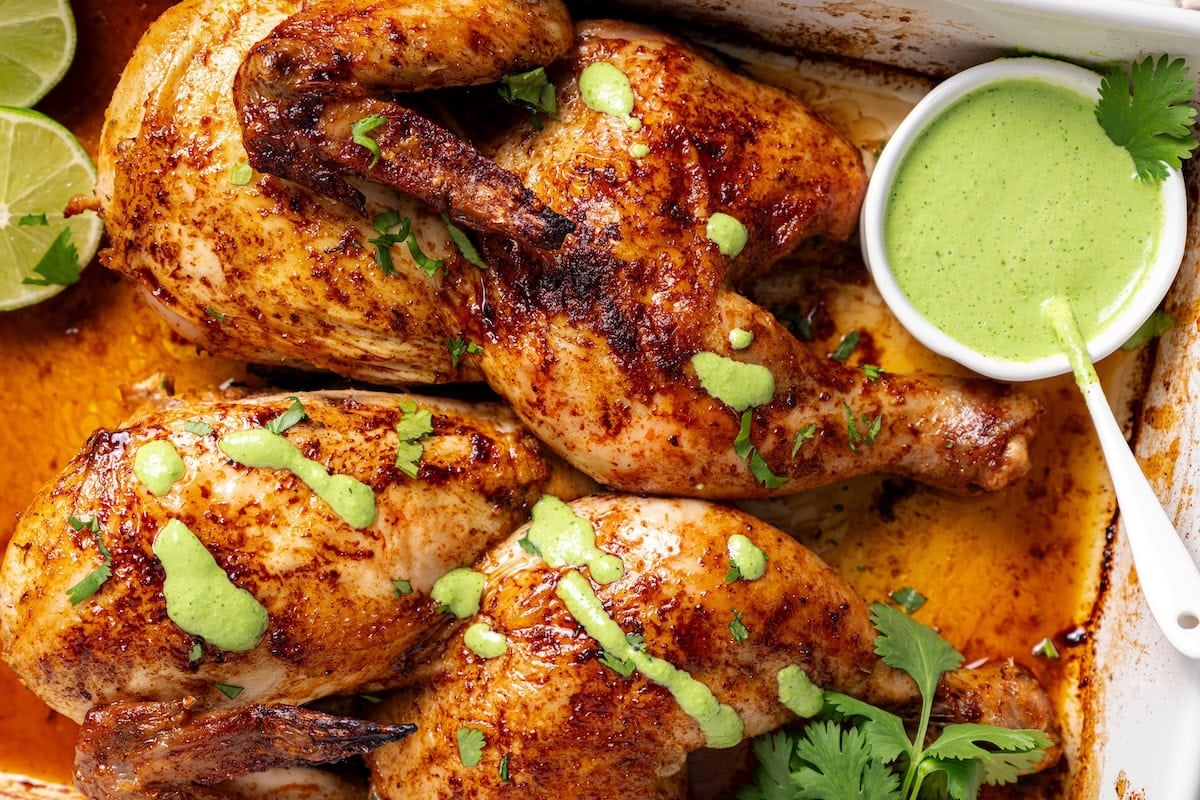
Historical Context of Pollo a la Brasa
Pollo a la brasa, or charcoal-roasted chicken, originated in the 1950s in Peru. Created by Swiss immigrant Roger Schuler, the dish began as a simple preparation using a rotisserie mechanism inspired by traditional Andean cooking techniques. Over the decades, it evolved into one of Peru’s most consumed dishes, eventually gaining protected status as a national cultural heritage item. By the time it arrived in the United States, particularly through urban centers like New York, it had been adapted to local palettes, often accompanied by sides such as plantains, beans, and the iconic aji verde.
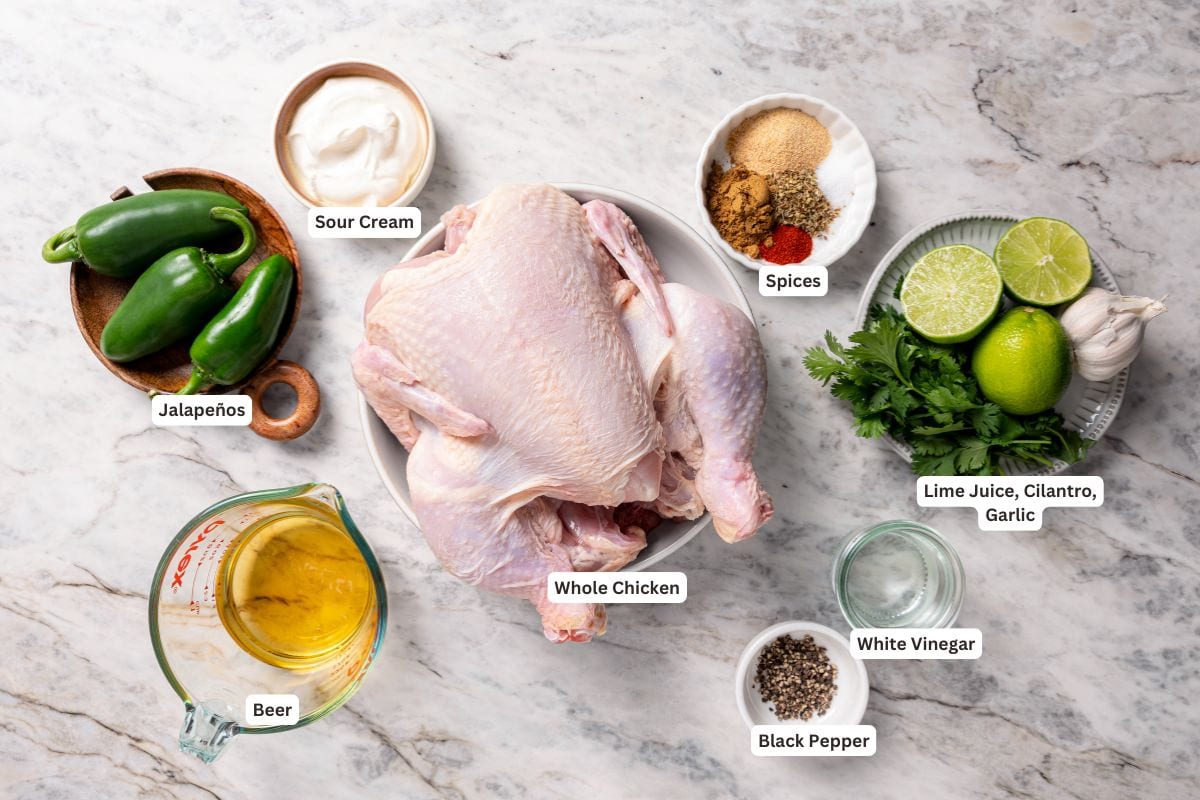
The secret to authentic pollo a la brasa lies in the marinade, which typically relies on a base of soy sauce, cumin, garlic, paprika, and aji amarillo—a yellow chili pepper native to the Andes that provides both heat and a unique, fruity flavor profile. In the professional kitchen, the chicken is slow-roasted over wood or charcoal, which imparts a smoky depth that is difficult to replicate in standard residential ovens.
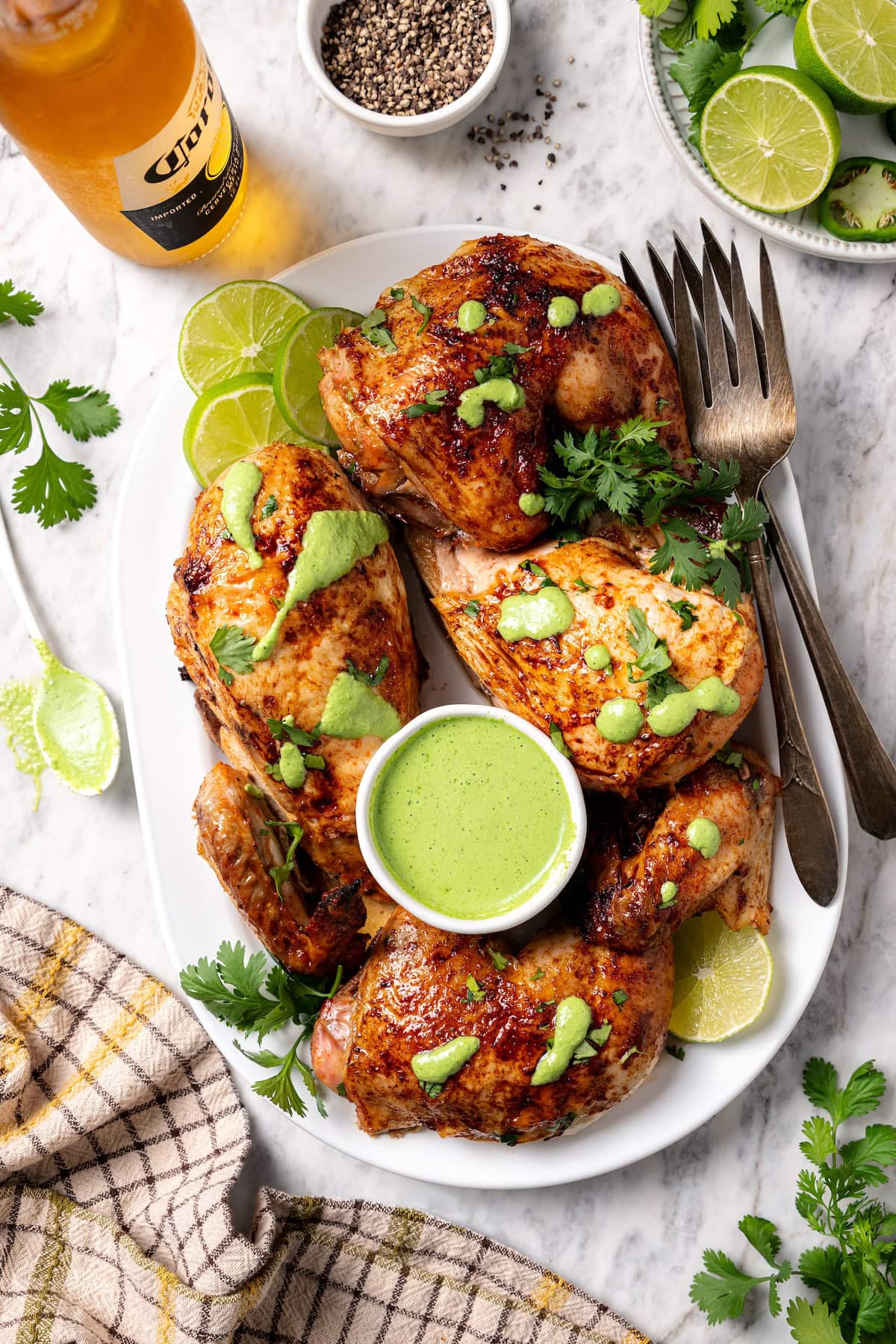
Recreating Restaurant-Quality Results at Home
To bridge the gap between commercial rotisserie ovens and standard kitchen appliances, home chefs have developed a series of modifications to the traditional process. The primary challenge in domestic preparation is moisture retention; without the constant rotation of a commercial spit, the chicken breast often dries out before the skin reaches the desired level of crispness.
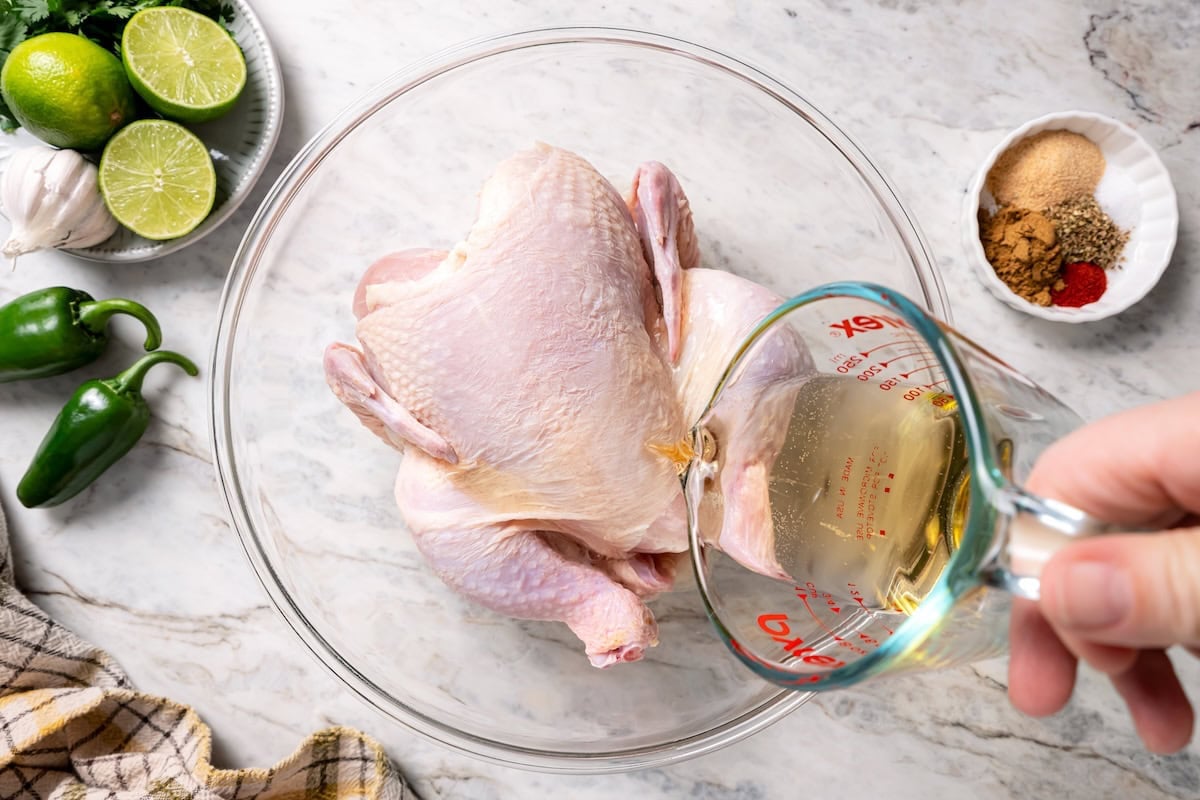
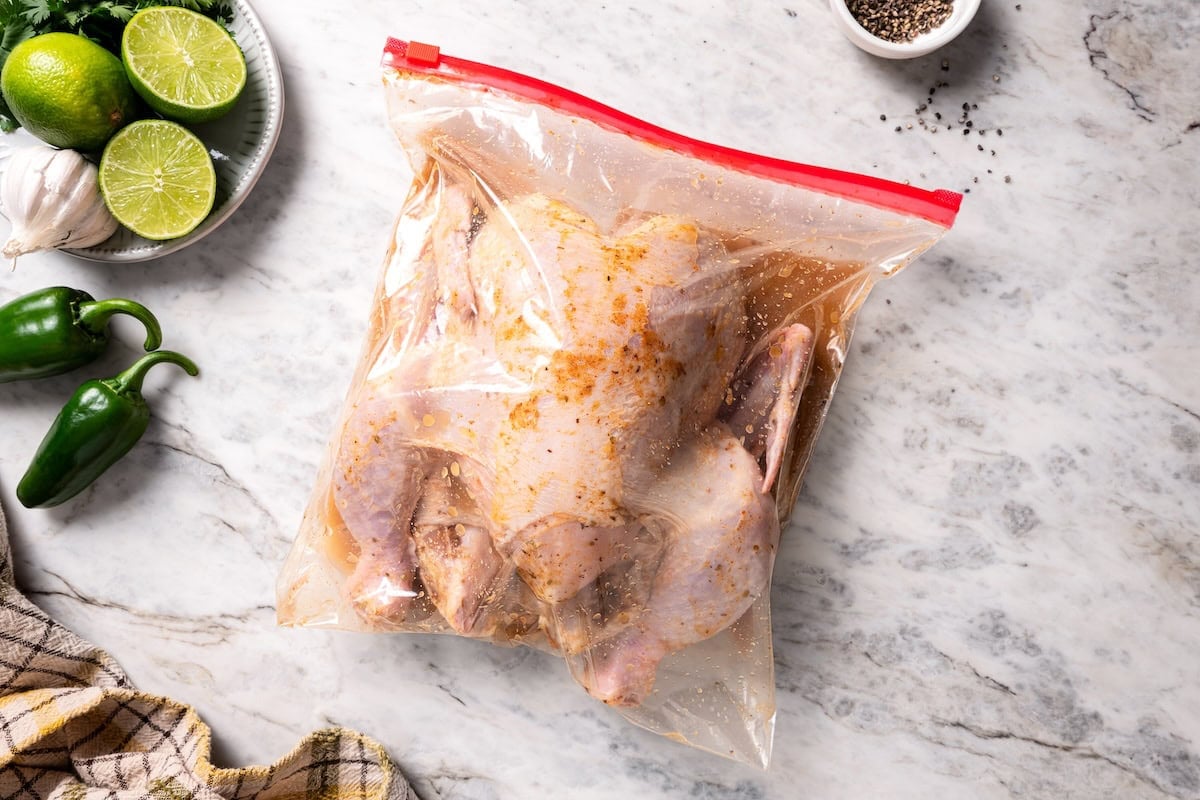
Culinary experts recommend a two-pronged approach: an extended marination period and a strategic cutting technique. Marinating the chicken for at least 12 to 24 hours allows the acidic components of the marinade—typically lime juice or vinegar—and the salt to penetrate the muscle fibers. This ensures that the bird remains juicy during the high-heat roasting process. Furthermore, splitting the chicken in half, or "spatchcocking" it, allows for an even distribution of heat, ensuring that the skin on both the breast and the thigh browns uniformly.

Anatomy of the Aji Verde Sauce
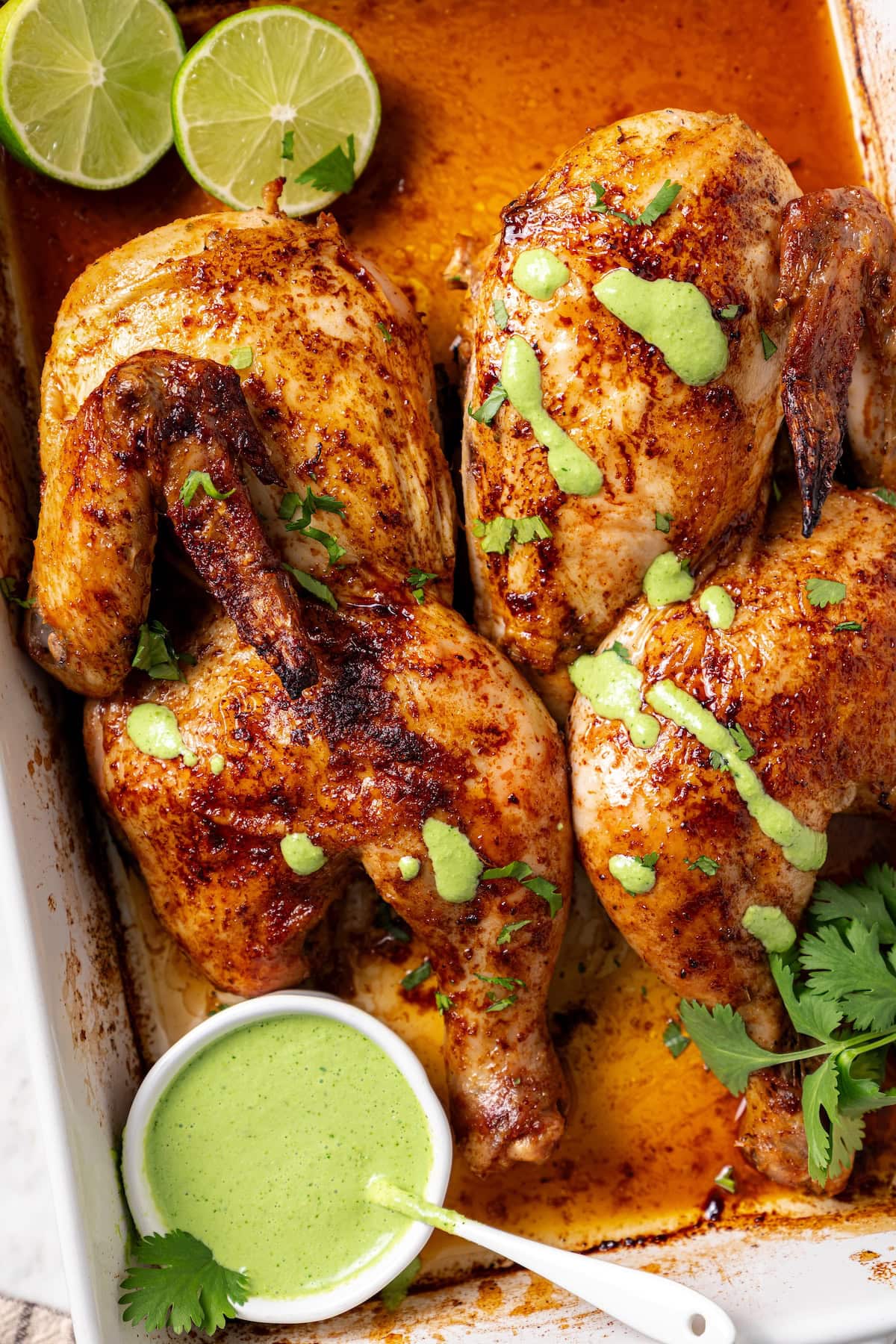
The aji verde sauce serves as the essential accompaniment to the roasted chicken, acting as both a cooling agent for the spice of the marinade and a flavor enhancer. While recipes vary, the foundation of a high-quality green sauce generally consists of fresh cilantro, mayonnaise or sour cream for creaminess, garlic, lime juice, and spicy peppers—often jalapeño or aji amarillo.
From a nutritional standpoint, the sauce adds a significant layer of flavor with relatively low caloric impact when managed in moderation. The blending process is critical; emulsifying the ingredients until the texture is silky smooth is standard practice to ensure the sauce adheres properly to the meat. Data from home cooking analytics suggests that the sauce has grown in popularity beyond its pairing with chicken, with many consumers repurposing it as a condiment for roasted vegetables, root-based starches like yuca, and even as a spread for sandwiches.

Technical Preparation and Safety Protocols
When preparing poultry at home, adherence to food safety standards is paramount. The United States Department of Agriculture (USDA) dictates that chicken must reach an internal temperature of 165°F (74°C) to ensure the elimination of harmful bacteria such as Salmonella.
To achieve the best results, a digital instant-read thermometer should be inserted into the thickest portion of the breast and the thigh, ensuring it does not make contact with the bone, which can provide a false temperature reading. Following the roasting process, a mandatory "rest" period of 5 to 10 minutes is essential. This allows the internal juices, which migrate to the center of the bird during the intense heat of the oven, to redistribute throughout the meat. Cutting into the bird immediately upon removing it from the oven results in a loss of moisture, significantly degrading the final quality of the meal.
Nutritional Analysis and Dietary Implications
For the health-conscious home cook, understanding the macronutrient profile of pollo a la brasa is beneficial. A standard 4-ounce serving of skin-on roasted chicken, when prepared with a balanced marinade, typically provides approximately 34 grams of protein. The fat content, while influenced by the skin, remains within reasonable limits for a lean protein source.
When factoring in the aji verde sauce, the caloric density increases due to the inclusion of fats from mayonnaise or oil. However, compared to deep-fried poultry alternatives, this oven-roasted method is significantly lower in trans fats and excessive oils. The inclusion of fresh herbs like cilantro and citrus elements like lime juice also provides a modest boost of Vitamin C and various antioxidants, contributing to a more nutritionally rounded meal.
Broader Impact on Home Cooking Trends
The rise of "restaurant-inspired" home cooking has been accelerated by the accessibility of online recipe documentation and the proliferation of high-quality kitchen tools. Consumers are increasingly seeking to replicate specific, high-end restaurant dishes as a means of cost-saving and improving their culinary skills.
Industry analysis indicates that interest in Latin American cuisine, particularly dishes that rely on complex, spice-heavy marinades, has seen a steady uptick in search volume over the last decade. The pollo a la brasa phenomenon is part of a broader trend where home cooks are moving away from simple salt-and-pepper preparations toward more globally informed seasoning palettes. This shift has also benefited the supply chain for specialty ingredients, with items like aji amarillo paste now being readily available in major grocery chains rather than just specialty ethnic markets.
Troubleshooting and Advanced Techniques
For those looking to elevate their home preparation, the grill remains the most effective tool for capturing the authentic "char" flavor associated with professional rotisserie establishments. By breaking down the chicken into individual quarters before grilling, the cook gains better control over the flame and ensures that the meat does not char on the exterior before the interior is fully cooked.
Storage and reheating are also critical factors for maintaining the integrity of the dish. Cooked chicken can be stored in an airtight container for up to three days. When reheating, it is advised to use an oven or a toaster oven rather than a microwave to preserve the crispness of the skin. If the skin has lost its texture, a brief stint under a broiler can help recover the desired mouthfeel. The aji verde sauce, however, is best consumed within one week if refrigerated, as the fresh cilantro and garlic components will oxidize and lose their brightness over time.
Conclusion
The enduring appeal of Peruvian roasted chicken lies in its balance of textures—the snap of the roasted skin against the tenderness of the meat—complemented by the sharp, acidic, and herbaceous notes of the aji verde sauce. While the professional rotisserie environment is difficult to fully replicate in a domestic kitchen, the application of proper marination techniques, precise temperature control, and the thoughtful preparation of accompanying sauces allow the home cook to achieve a standard that rivals many commercial offerings. As global culinary traditions continue to integrate into the home kitchen, the focus remains on the marriage of accessibility and authenticity, ensuring that dishes like pollo a la brasa remain a permanent fixture of the modern dining repertoire.
