

As the summer season concludes and the academic year begins, households across the country are navigating the logistical challenges of returning to structured routines. The transition from relaxed summer schedules to the demands of extracurricular activities, sports, and professional obligations often leaves little time for meal preparation, leading many families to rely on convenience foods. In response to these seasonal time constraints, health and nutrition experts are increasingly emphasizing the role of strategic meal planning to maintain nutritional intake, particularly regarding protein consumption.
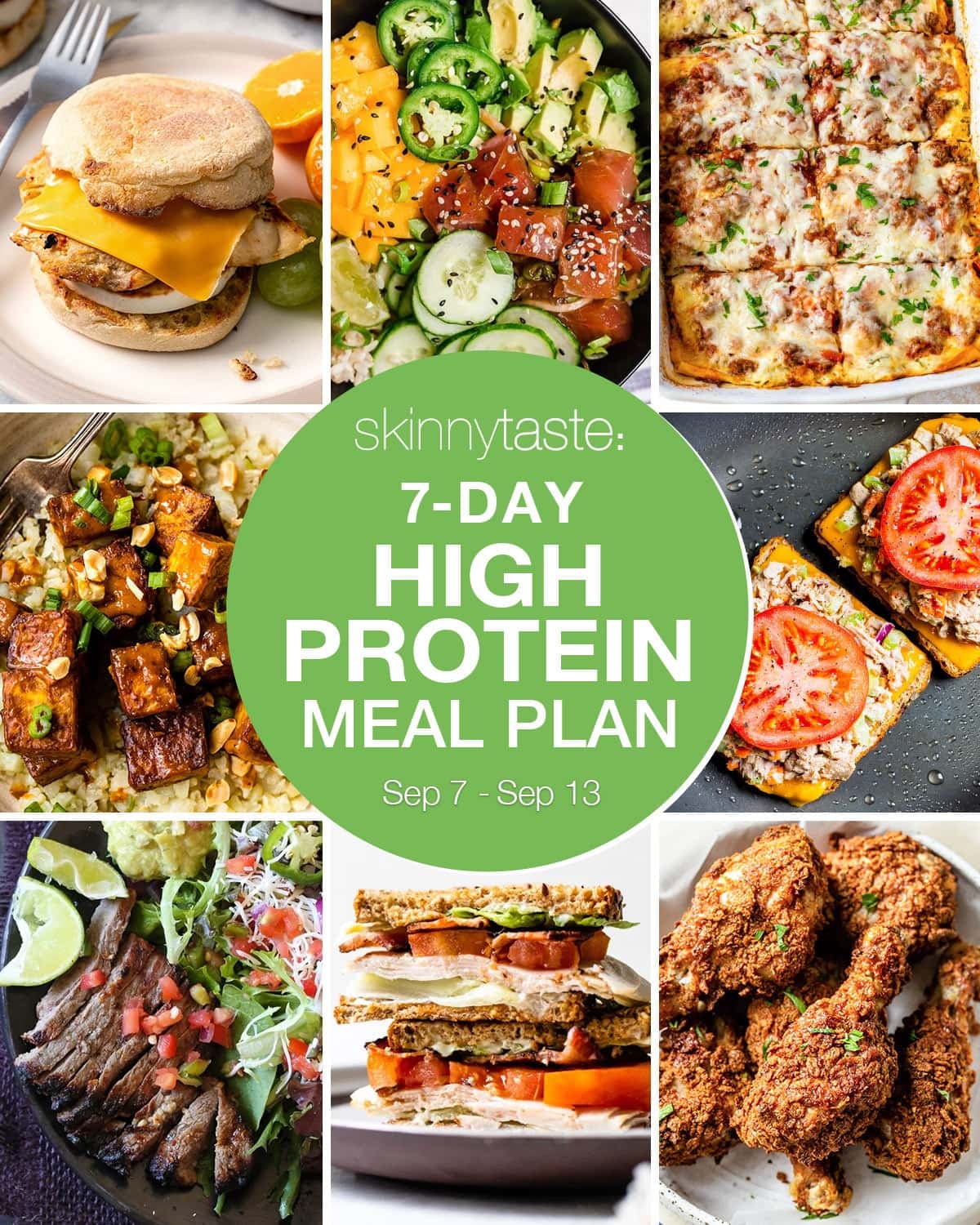
A newly released seven-day meal plan provides a framework for integrating high-protein nutrition into a busy lifestyle. This resource includes a detailed shopping list and provides specific nutritional data, including macronutrient breakdowns and Weight Watchers (WW) points, to assist individuals in managing their dietary goals amid the onset of the school year.
The Nutritional Rationale for High-Protein Diets
Recent nutritional research has highlighted the physiological benefits of consistent protein intake for weight management and muscle preservation. Protein is essential for the synthesis of muscle tissue and plays a critical role in satiety—the feeling of fullness that follows a meal. By prioritizing protein, individuals may experience a reduction in cravings for refined carbohydrates and added sugars, which are common drivers of caloric overconsumption.
Health professionals generally suggest that for individuals aiming to build or maintain muscle mass, protein should be distributed relatively evenly throughout the day. A common guideline involves aiming for approximately 25 to 30 grams of protein per primary meal, supplemented by smaller protein-dense snacks. While individualized needs vary based on age, sex, weight, and activity level, the current consensus among many sports nutritionists supports a higher protein threshold for active adults.
Chronology of the Seven-Day Nutritional Strategy
The provided meal plan outlines a structured progression from September 7 through September 13, designed to maximize efficiency through batch cooking and the utilization of leftovers.
On Monday, September 7, the regimen begins with an Egg White Grill and a Carne Asada Steak Salad, culminating in an Air Fryer Peanut Curry Tofu dinner. This opening day establishes a caloric baseline of approximately 1,348 calories with 123 grams of protein. Throughout the week, the plan incorporates strategies such as reusing dinner components for subsequent lunches to reduce total kitchen time. For instance, the lasagna prepared on Wednesday is repurposed for Thursday and Friday lunch service, accompanied by a Greek yogurt-based Caesar salad to maintain a high protein-to-calorie ratio.
The weekend transition shifts toward family-style meals, including a Saturday morning Blueberry Banana Peanut Butter smoothie and a Sunday evening Air Fryer Fried Chicken dinner. This approach acknowledges the reality that weekend dining often involves social events or dining out, providing flexibility while maintaining a focus on nutritional consistency.

Data-Driven Meal Planning and Caloric Guidelines
A critical aspect of this meal plan is its reliance on macronutrient tracking. Each daily entry includes a calculated protein total, generally hovering between 120 and 123 grams. The plan operates on an approximate 1,500-calorie daily threshold, though nutritionists emphasize that this is a generalized figure.
To determine precise caloric needs, the USDA’s MyPlate guidelines serve as a standard reference. Individual requirements fluctuate significantly based on metabolic rate and physical exertion. For those utilizing the Weight Watchers program, the integration of the digital recipe builder is a significant update. Recent modifications to the WW program have increased the list of zero-point foods, including staples like oatmeal. Because the platform continuously updates its database, users are advised to leverage digital tools to ensure their point calculations reflect the most current nutritional science.
Medical Considerations and Professional Guidance
While high-protein diets are associated with various health benefits, medical experts advise caution for specific populations. Individuals diagnosed with chronic kidney disease, gout, or specific metabolic disorders may face health risks if they consume excessive amounts of protein, as the kidneys must process the nitrogenous waste products of protein metabolism.
Older adults, who may experience age-related declines in renal function, are particularly encouraged to consult with a registered dietitian or primary care physician before making significant changes to their dietary composition. The objective of any meal plan should be to support metabolic health without overtaxing organ systems.
Broader Impact on Household Management
The adoption of structured meal planning serves as a tool for reducing "decision fatigue"—a psychological phenomenon where the quality of decisions deteriorates after a long period of decision-making. By pre-determining meals, families can avoid the impulsive choices often associated with late-evening hunger.
Furthermore, the shift toward utilizing appliances such as slow cookers and air fryers reflects a broader trend in domestic technology. These tools facilitate "hands-off" cooking, allowing for the preparation of complex, nutrient-dense meals while individuals are engaged in other tasks. The inclusion of comprehensive shopping lists in the meal plan is intended to streamline the grocery procurement process, potentially reducing food waste and grocery expenditure.
Organizational Tools for Long-Term Maintenance
In addition to weekly digital guides, there is a growing market for physical organizational tools, such as the 52-week meal planner. These physical journals provide space for gratitude, affirmations, and structured grocery lists, which practitioners argue can improve the psychological adherence to a healthy diet. The integration of mental health practices with nutritional planning highlights an emerging trend in wellness, where the act of planning is viewed as a form of self-care.
Conclusion and Future Directions
As the nutritional landscape continues to evolve, resources that simplify the implementation of high-protein diets remain in high demand. Future developments in this space are expected to include more granular, personalized AI-driven meal planning, which could account for real-time changes in a user’s activity level or health status.

For the present, the combination of batch-cooking strategies, macronutrient transparency, and the utilization of modern kitchen technology provides a viable framework for maintaining health objectives during the high-stress, high-activity months of the academic and professional year. Individuals interested in these resources are encouraged to utilize available digital spreadsheets and community-based forums to share progress and adapt these guidelines to their unique physiological requirements. Always prioritize professional medical consultation when undertaking significant dietary shifts, ensuring that nutritional intake remains balanced and safe for your specific health profile.
