

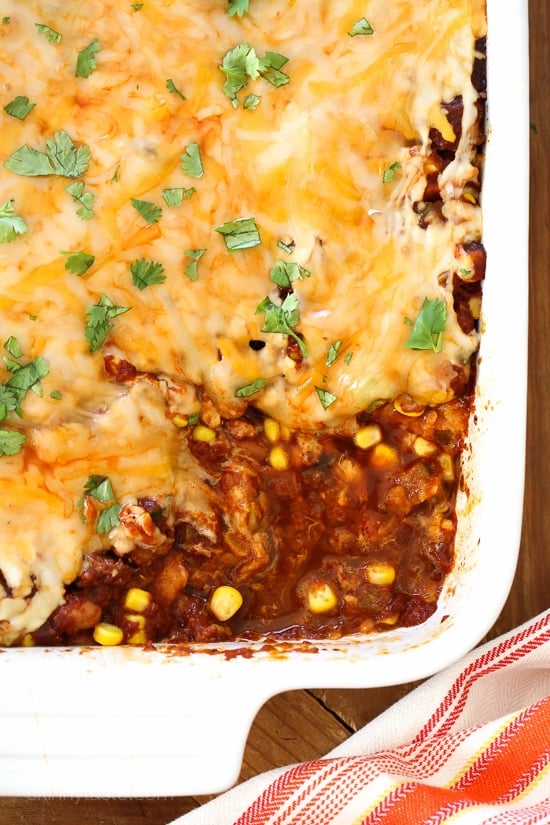
The culinary landscape has undergone a significant transformation over the past decade, characterized by an increasing consumer preference for plant-forward meals that prioritize both nutritional density and environmental sustainability. Among the dishes that have emerged as a staple of this movement is the Vegetable Enchilada Casserole, a dish that modernizes traditional Mexican-American cuisine by eliminating the labor-intensive process of rolling individual tortillas while maximizing the use of seasonal produce. Originally popularized in culinary circles through cookbooks such as Modern Potluck: Beautiful Food To Share, the casserole has become a focal point for home cooks seeking to integrate high-protein, fiber-rich vegetables into a familiar, comfort-food format.
Culinary Evolution and the Rise of Casserole-Style Enchiladas
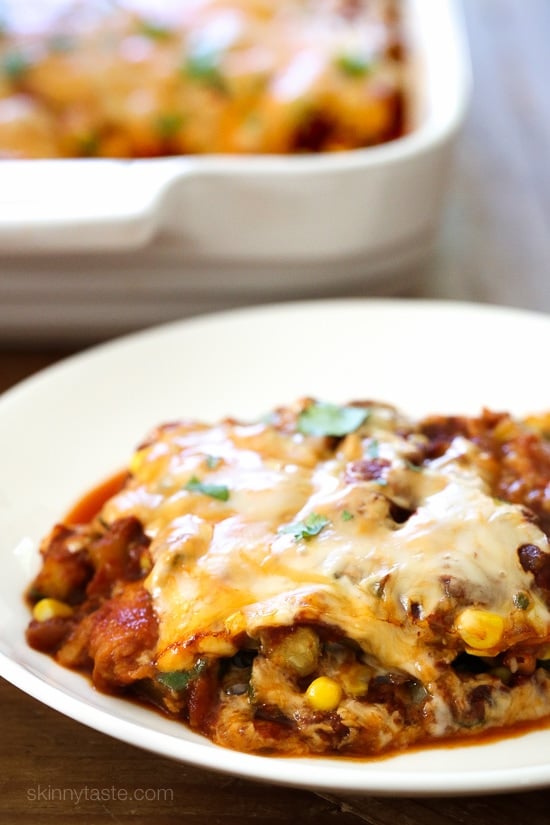
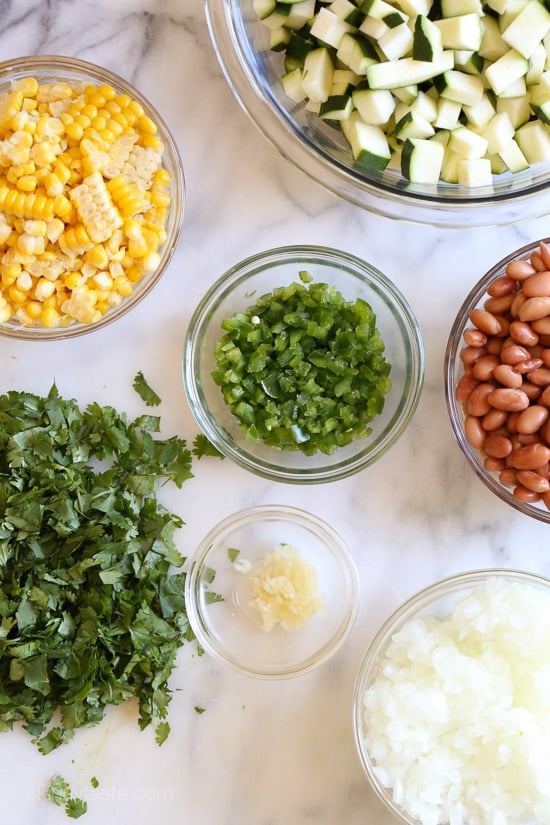
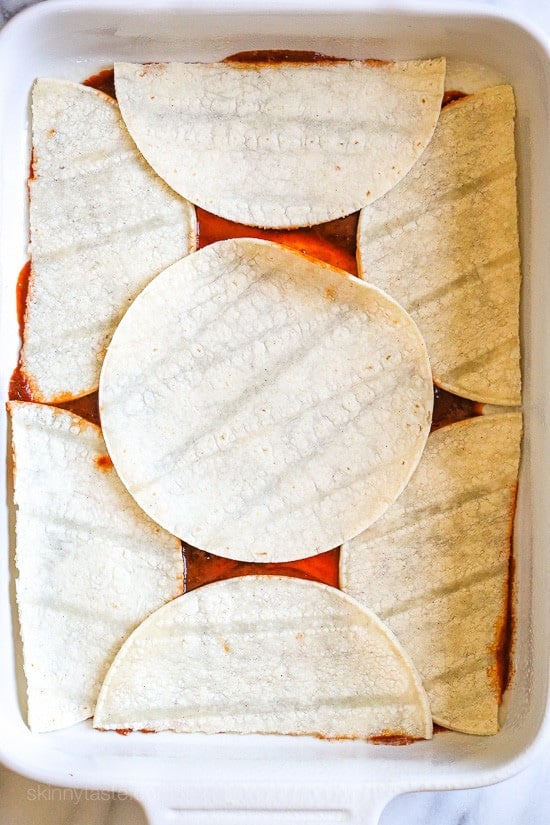
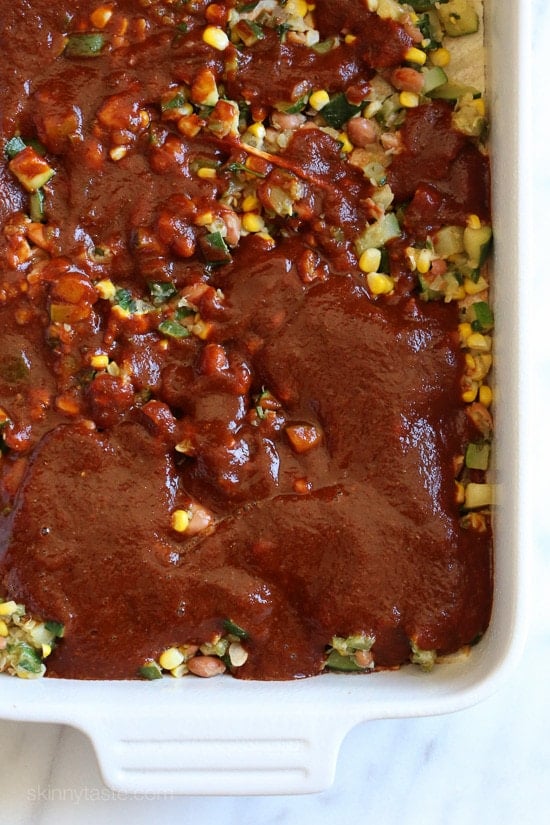
The traditional enchilada, a cornerstone of Mexican gastronomy, historically consists of a corn tortilla rolled around a filling and covered with a savory sauce. While culturally significant, the time-intensive nature of rolling individual portions often serves as a barrier for busy households. The casserole adaptation—frequently referred to as an "enchilada pie"—reconfigures these components into a layered structure, reminiscent of lasagna. This structural innovation allows for a more efficient distribution of ingredients, including zucchini, fresh corn, and legumes, which serve as the primary sources of texture and satiety in the absence of animal proteins.
By shifting toward a layered format, chefs and home cooks alike have found a method to manage the moisture content of vegetables like zucchini, which are high in water. When layered with corn tortillas and a robust enchilada sauce, these vegetables soften into a cohesive, savory dish that maintains its structural integrity during the baking process. This method has been widely adopted as a practical solution for utilizing peak-season summer harvests, effectively reducing food waste while providing a nutrient-dense alternative to meat-heavy entrées.
Nutritional Profile and Dietary Implications
A standard serving of the Vegetable Enchilada Casserole offers a balanced macronutrient profile, which has contributed to its enduring popularity among health-conscious demographics. Data suggests that a single serving—approximately one-eighth of a standard casserole—contains roughly 237 calories, 16 grams of protein, and 4.5 grams of dietary fiber. The integration of beans and corn provides a synergistic amino acid profile, while the reduction in saturated fats—achieved by moderating cheese portions—positions the dish as a heart-healthy option.
Compared to traditional meat-based enchiladas, which are often laden with high-sodium processed meats and elevated saturated fat counts, the vegetable-forward variant significantly lowers the cholesterol content per serving. Public health analysts often point to such recipes as prime examples of "stealth health," where the incorporation of fresh vegetables into established comfort food patterns encourages higher vegetable consumption without necessitating a radical shift in taste preferences or culinary habits.
Chronology of the Dish’s Popularity
The widespread adoption of this specific casserole format can be traced back to the mid-2010s, a period marked by the proliferation of digital food journalism and the rise of niche recipe blogs that sought to demystify healthier cooking. In 2016, the recipe gained significant traction as part of a broader trend of "lightening up" classic comfort foods. Throughout the following years, the dish evolved from a seasonal novelty into a year-round fixture, with many households adopting the practice of using high-quality, store-bought red enchilada sauce to streamline the preparation process.
The timeline of its popularity aligns with the broader growth of the flexitarian movement, which gained momentum in the United States and Europe during the late 2010s. Market research firms noted that during this period, consumers began actively seeking "meatless Mondays" or similar initiatives, leading to an increased demand for recipes that could replicate the satisfaction of a meat-based meal using plant proteins. The Vegetable Enchilada Casserole, with its hearty beans and structural density, filled a critical gap in the home-cooking market.
Economic and Sustainability Considerations
The reliance on seasonal vegetables, specifically zucchini and corn, offers both economic and environmental advantages. During the late summer months, these crops are often in surplus, leading to lower price points at retail grocery stores and farmers’ markets. From an agricultural perspective, shifting consumption toward these crops can help stabilize demand for regional farming operations.
Furthermore, the environmental footprint of a plant-based casserole is markedly lower than that of its meat-based counterparts. The production of legumes and squashes requires significantly less land and water compared to poultry or beef, the traditional fillings for enchiladas. By advocating for recipes that utilize these staples, the culinary industry contributes to a reduction in the aggregate carbon footprint of the domestic food supply. While the impact of one meal may seem marginal, the collective effect of millions of households adopting meat-free or meat-reduced dinners on a regular basis contributes to broader sustainability goals.
Professional Perspectives and Expert Analysis
Culinary experts frequently cite the versatility of the Vegetable Enchilada Casserole as a key factor in its longevity. Unlike more rigid recipes, the casserole acts as a "template" dish. It allows for the integration of various seasonal greens, such as spinach or kale, and the substitution of beans with lentils or tofu crumbles. This flexibility appeals to the modern consumer who values customization and the ability to adapt recipes to the contents of their pantry.
"The success of this dish lies in its accessibility," says one industry analyst who tracks food trends. "It does not require specialized equipment or advanced culinary techniques. It relies on the chemistry of the ingredients—the way the corn tortillas absorb the sauce and the way the vegetables release moisture—to create a result that is greater than the sum of its parts. It is a quintessential example of how home cooking has evolved to be more inclusive, faster, and healthier, without sacrificing the flavor profiles that consumers have come to expect from Mexican-inspired cuisine."
Practical Preparation and Storage Efficiency
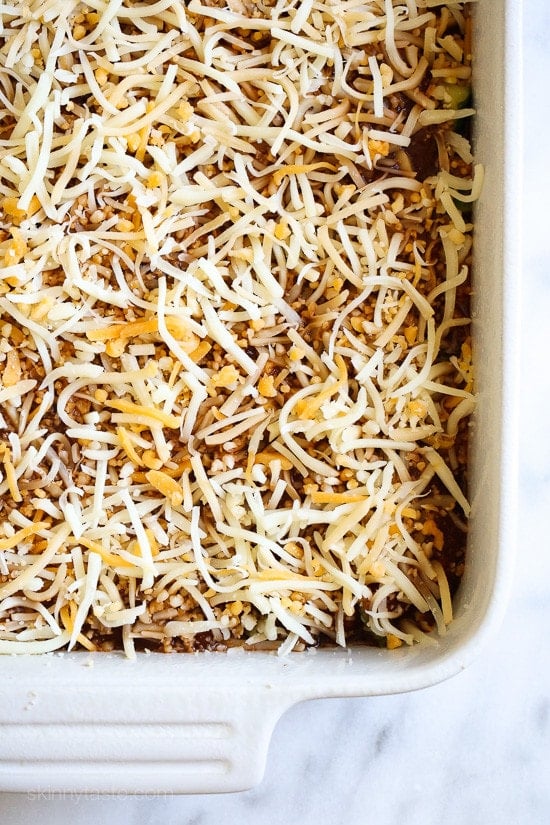
For modern, time-constrained households, the "make-ahead" potential of the casserole is a significant benefit. The dish can be assembled in advance and stored in the refrigerator for up to 48 hours before baking, or frozen for longer-term meal planning. This efficiency is critical for maintaining consistency in home cooking, particularly for families attempting to avoid the convenience-food trap.
When evaluating the dish’s components, the sauce remains the most influential factor in flavor development. Whether utilizing an artisanal ancho chili sauce or a commercial alternative, the sauce acts as the bridge between the earthiness of the vegetables and the neutral, absorbent quality of the tortillas. Professionals recommend a slow-simmering process for those preparing their own sauce, as the depth of the chili flavor intensifies significantly during the baking process, ensuring that the vegetable components do not become overly diluted.
Broader Impact on Home Dining Trends
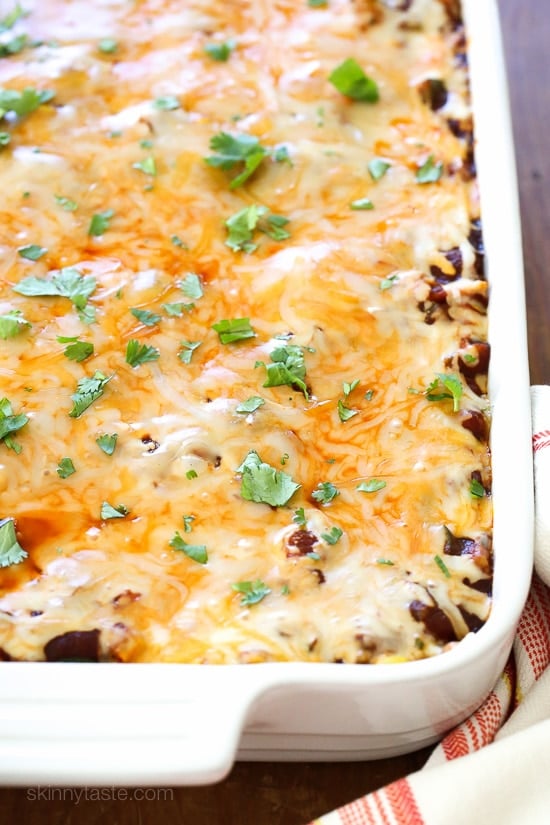
The legacy of the Vegetable Enchilada Casserole is illustrative of a broader paradigm shift: the democratization of healthy, artisanal-style food. As more households move away from highly processed, pre-packaged convenience meals, the demand for "from-scratch" recipes that are nevertheless efficient to prepare continues to grow. This dish stands as a testament to the fact that nutritional quality does not have to be sacrificed for convenience.
As the food industry looks toward the future, the integration of traditional cultural recipes with modern, plant-based nutrition is likely to continue. The Vegetable Enchilada Casserole provides a scalable model for this integration, proving that staple ingredients—when thoughtfully combined—can meet the changing demands of a population that is increasingly focused on health, environmental impact, and economic efficiency. Through its balance of tradition and innovation, the dish has secured its place in the modern culinary repertoire, serving as both a practical dinner solution and a symbol of the shifting values in contemporary dining.
