

As the transition from late summer to early autumn begins, nutrition experts and home economists are increasingly emphasizing the role of structured meal planning as a primary tool for mitigating the impact of rising food costs. The latest installment in the Skinnytaste series, spanning the week of September 14 to September 20, provides a comprehensive, calorie-conscious framework designed to streamline household grocery expenditures while maintaining nutritional density. By incorporating macro-friendly recipes and pre-organized shopping lists, this plan addresses the dual challenges of inflation and the seasonal shift in agricultural availability.
Seasonal Shifts and Nutritional Planning
The timing of this meal plan coincides with the onset of the peak apple-harvesting season in North America. Historically, the period between late July and late August marks the early harvest of varieties such as Gala and Lodi, but mid-to-late September represents the high point for cultivars like Honeycrisp, McIntosh, and Jonathan. Agricultural data suggests that regional variations in weather patterns can shift these windows, necessitating that consumers consult local orchard calendars.
Integrating seasonal produce into a weekly meal plan is not merely a culinary preference but a practical strategy for reducing grocery bills. Fresh produce sourced during peak harvest periods often carries a lower price point and superior nutrient retention compared to out-of-season alternatives. Furthermore, the inclusion of versatile apple-based recipes—ranging from apple butter to crockpot applesauce—allows households to preserve seasonal abundance, thereby extending the utility of their grocery budget into the coming months.
The Economics of Structured Meal Planning
Recent reports from the Bureau of Labor Statistics indicate that the cost of food at home remains a significant factor in household inflation. Meal planning serves as a tactical response to this volatility. By establishing a rigid, categorized shopping list for the week, consumers reduce the incidence of impulse purchases and the frequency of dining out, both of which are primary contributors to budget overruns.

The current 7-day plan is structured to balance individual needs during the work week with family-style dining on the weekends. Monday through Friday, breakfasts and lunches are portion-controlled for a single individual, while dinners are scaled for a family of four. This approach optimizes ingredient usage, as surplus portions from dinner frequently serve as subsequent lunches, effectively reducing food waste.
Weekly Nutritional Framework: A Detailed Chronology
The nutritional strategy for the week of September 14 is predicated on a flexible caloric baseline. While the provided menu targets a range of approximately 1,000 to 1,100 calories per day, creators of the plan emphasize that this is a foundation rather than a mandate. The current dietary guidelines suggest that active adults, particularly women, may require up to 1,500 calories or more daily, depending on metabolic rate, age, and physical activity levels.
Monday and Tuesday
The week commences with a focus on protein and fiber-rich breakfasts, specifically mushroom-spinach scrambled eggs paired with whole-grain bread. Lunches utilize a chicken Waldorf salad, providing a consistent lean protein source. Dinner service involves a late-summer vegetable enchilada casserole accompanied by cilantro-lime rice, a combination designed to utilize remaining end-of-season produce.
Wednesday, Thursday, and Friday
Mid-week adjustments transition the menu toward heartier options. Wednesday introduces peanut butter breakfast oatmeal, followed by an Italian-inspired dinner featuring chicken sausage, escarole, and beans. Thursday and Friday prioritize efficiency, with tropical chia pudding bowls for breakfast and the utilization of leftover pasta for lunch. Friday concludes the work week with a seafood-focused dinner of shrimp saganaki, utilizing brown rice prepared in bulk earlier in the week.
The Weekend Transition
Saturday and Sunday shift the focus to larger-format meals, including a breakfast casserole with sausage and a slow-cooked pork roast for Sunday dinner. These meals are designed to facilitate family-style dining and ensure that the transition into the following week is supported by leftovers or efficient prep work.

Supporting Data and Implementation Strategies
The effectiveness of such a plan relies on the precise calibration of the provided shopping list. By segmenting items into categories—produce, proteins, grains, and dry goods—the plan minimizes time spent in retail environments. This organizational structure is designed to decrease the "cognitive load" associated with daily meal preparation, which behavioral economists often cite as a reason for reverting to convenience foods or takeout.
For those adhering to specific dietary protocols, such as Weight Watchers, the integration of macro-nutrient tracking and point systems provides a quantifiable metric for progress. The availability of a centralized digital document, such as the Google Doc provided for this week’s plan, allows users to modify the list based on local supermarket availability or personal dietary restrictions, such as the substitution of gluten-free grains.
Implications for Public Health and Food Security
The broader implications of widespread meal planning adoption are significant. From a public health perspective, the transition away from processed, pre-packaged foods toward whole-food-based home cooking is strongly correlated with better long-term health outcomes, including lower risks of metabolic syndrome and cardiovascular disease.
Furthermore, in the context of current economic pressures, meal planning is a democratizing force. It empowers households to manage their resources more effectively without sacrificing nutritional quality. By leveraging tools like the Skinnytaste community—a digital platform where users share visual evidence of their meal preparations—individuals find social accountability, which is a known catalyst for habit formation and sustained lifestyle change.
Expert Analysis of Sustainable Eating Habits
Dietary professionals note that the "flexibility" mentioned in the plan is its most important feature. Rigid adherence to a single caloric target can often lead to burnout, whereas a flexible framework encourages sustainability. The inclusion of "wiggle room" for items like coffee, desserts, or social dining ensures that the meal plan functions as a lifestyle guide rather than a restrictive temporary measure.
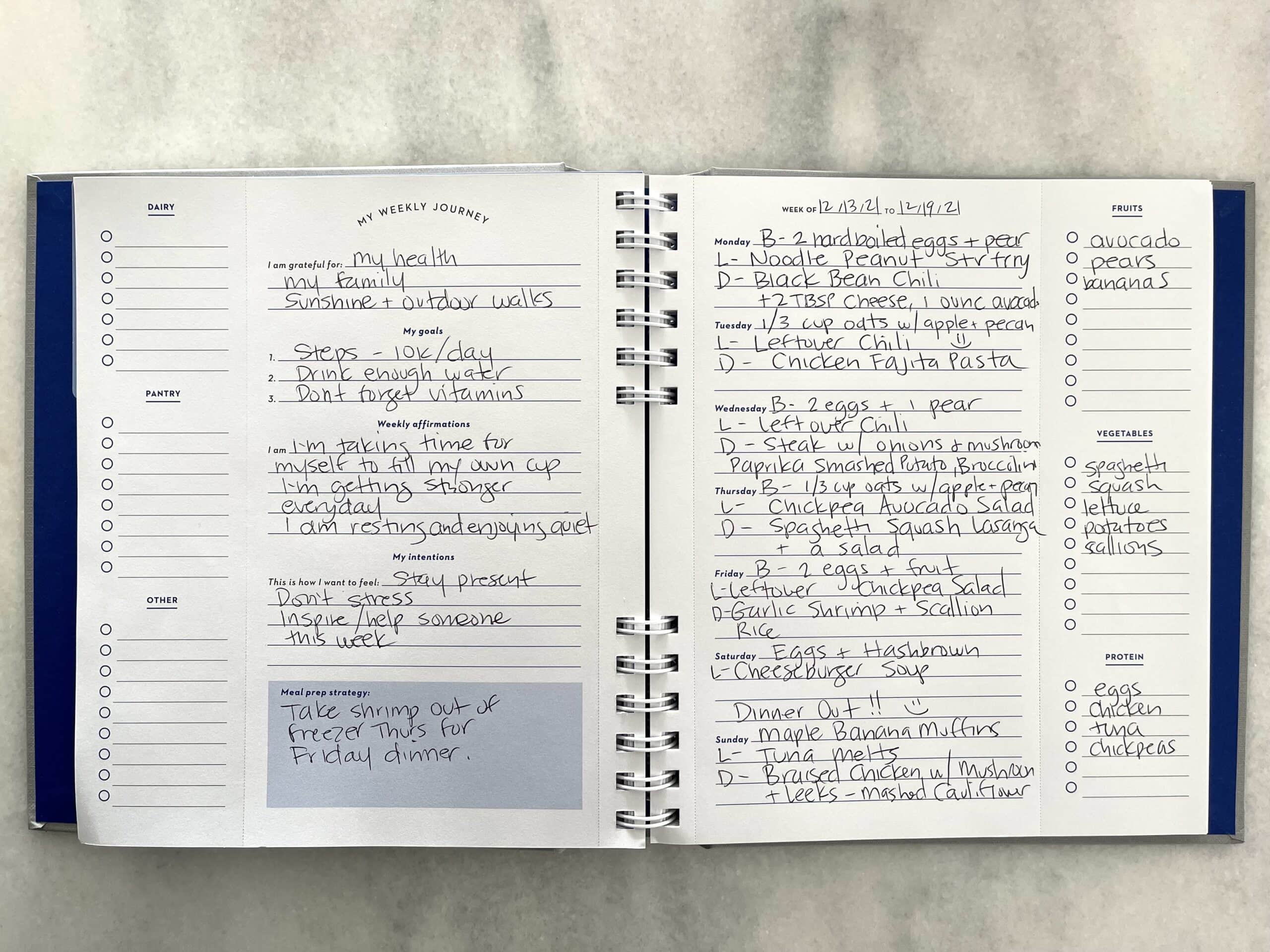
The inclusion of meal planners—spiral-bound physical tools that incorporate gratitude and intention-setting—further signals a shift in the wellness industry toward holistic health. By aligning meal preparation with mental well-being, users are more likely to maintain their dietary goals over the long term.
Conclusion
As the season shifts, the intersection of affordability and nutrition becomes increasingly critical. The week of September 14 to September 20 serves as a template for navigating these challenges through foresight, organization, and a reliance on seasonal ingredients. By utilizing standardized, scalable recipes and a disciplined approach to grocery procurement, families can maintain their health objectives while navigating the complexities of modern household economics. Whether through the use of digital resources or traditional print-based planners, the move toward intentional, structured eating remains one of the most effective strategies for long-term health and financial stability.
