
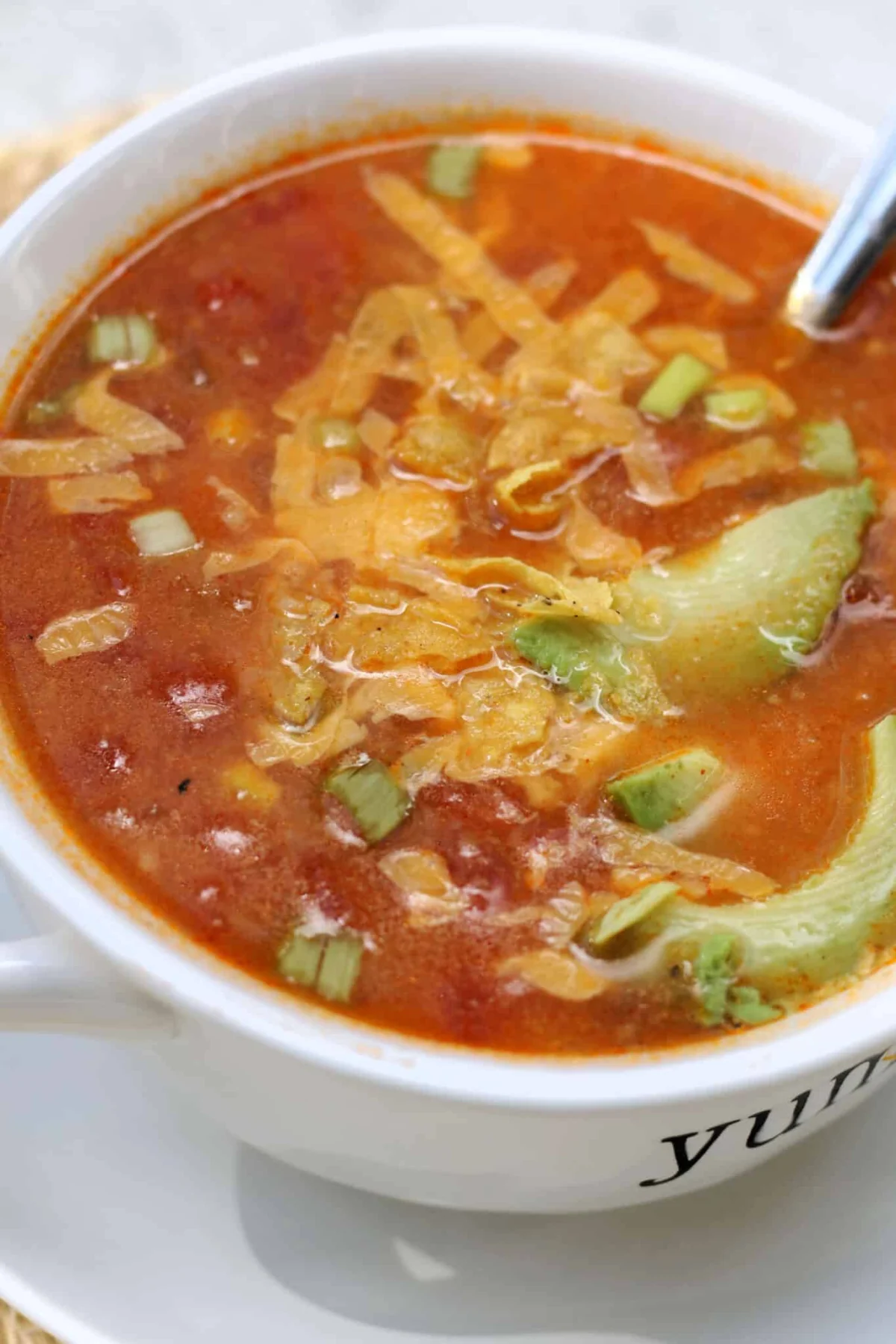
The culinary landscape of the American casual dining sector has long been defined by the ability of national restaurant chains to blend regional flavors with accessible, high-volume preparation methods. Among these, the Sedona Tortilla Soup, popularized by California Pizza Kitchen (CPK), has emerged as a staple of the brand’s Southwestern-inspired menu. While the original restaurant version relies on precise commercial kitchen protocols, recent culinary developments have seen the rise of home-based, "copycat" preparations designed specifically for modern kitchen appliances such as the Instant Pot and the traditional slow cooker. This transition from professional, high-output kitchens to the home environment represents a broader trend in food culture: the democratization of signature restaurant dishes through simplified, appliance-reliant techniques.
The Evolution of the Sedona Tortilla Soup Concept
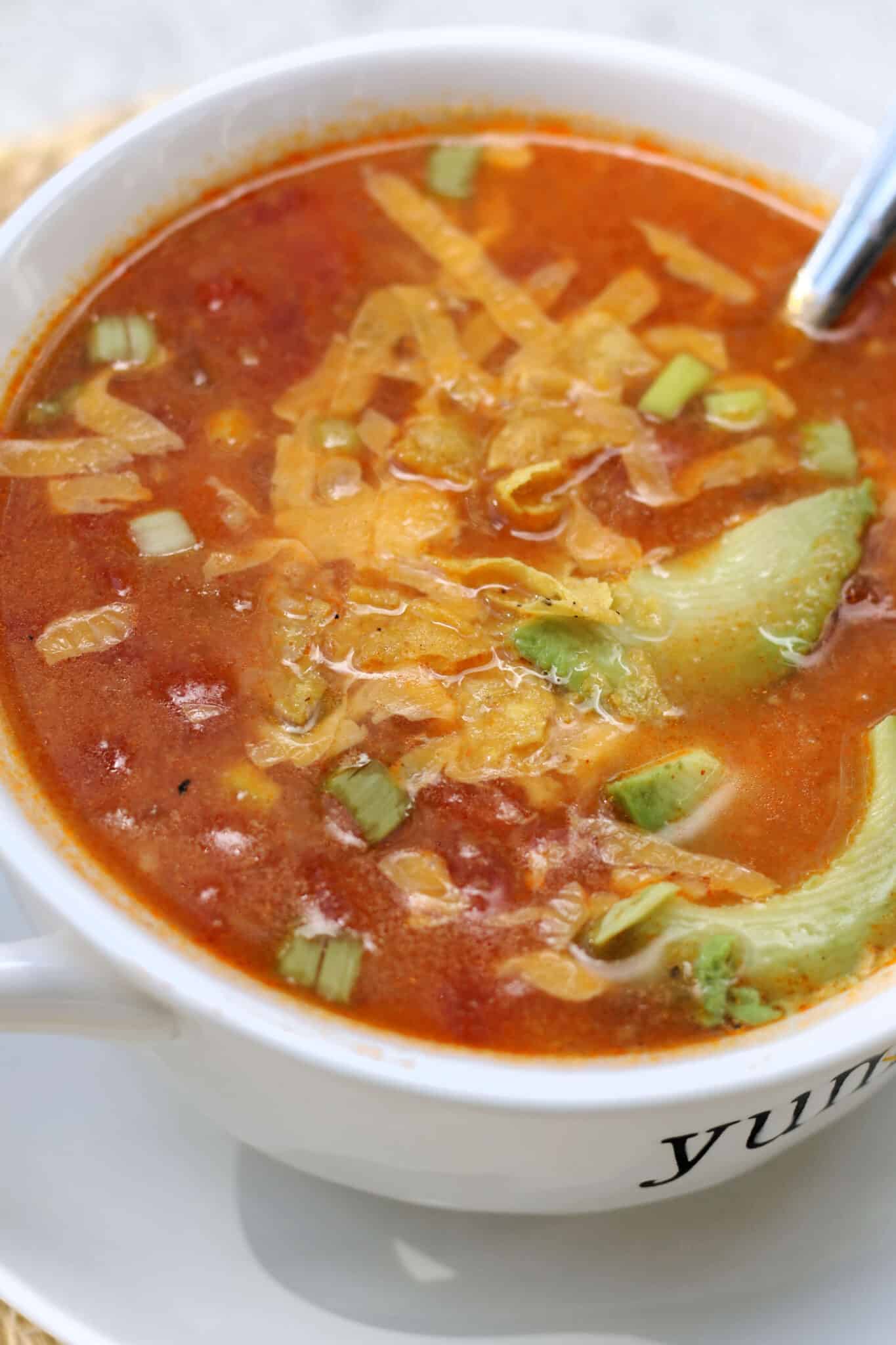
The concept of tortilla soup is deeply rooted in Mexican culinary traditions, typically characterized by a tomato-based broth enriched with aromatics, chilies, and corn. California Pizza Kitchen’s iteration, specifically the Sedona style, distinguishes itself by incorporating a unique thickening agent: corn tortillas. In a professional setting, chefs traditionally fry these tortillas to introduce a distinct toasted corn flavor and a velvety, thickened consistency to the broth.
In the domestic adaptation of this recipe, the process is streamlined by substituting the labor-intensive frying step with pre-packaged corn tortilla chips. When simmered in the broth, these chips dissolve, providing the same structural thickening and flavor profile as traditional fried tortillas. This evolution highlights a significant shift in home cooking, where the reliance on multi-functional kitchen appliances, such as the Instant Pot, has reduced the barrier to entry for complex soups that once required hours of stovetop supervision.
Chronology of the Recipe’s Adaptation
The movement to replicate restaurant-quality soups at home has gained significant momentum over the last decade, fueled by the proliferation of social media platforms and digital culinary archives. The chronology of this specific recipe’s adaptation follows a distinct path:
- Market Introduction: California Pizza Kitchen established the Sedona Tortilla Soup as a core component of its menu, emphasizing its health-conscious profile and bold, spicy flavor profile.
- Community Sourcing: As the dish grew in popularity, home cooks began attempting to deconstruct the ingredients list. Early online forums and copycat websites (such as CopyKat) served as the initial research hubs for identifying the essential flavor components: tomatoes, garlic, jalapeños, and corn.
- Appliance Integration: With the widespread adoption of the Instant Pot (electric pressure cooker) in the mid-2010s, home cooks developed standardized protocols for "dump-and-go" meals. The Sedona Tortilla Soup was perfectly suited for this format because the ingredients—particularly the aromatics and the corn tortillas—benefit from the pressurized environment, which accelerates the marriage of flavors.
- Modern Refinement: Today, the recipe is widely regarded as a versatile meal-prep option. It has been refined to allow for the inclusion of proteins like chicken breast, catering to consumers who prioritize macronutrient balance in their home-cooked meals.
Nutritional and Economic Data
Analyzing the popularity of the Sedona Tortilla Soup, one must consider the intersection of economic efficiency and nutritional value. Compared to the cost of dining out, which has seen an average increase of approximately 5–8% annually in the casual dining sector, the home-prepared version offers a significant cost-saving advantage.
- Cost-per-Serving: The average restaurant price for a cup or bowl of premium tortilla soup typically ranges from $7 to $12. In contrast, preparing the dish at home using pantry staples—canned tomatoes, broth, frozen corn, and chips—brings the cost per serving to approximately $1.50 to $2.25, depending on the quality of the chicken protein added.
- Nutritional Profile: From a health perspective, the soup provides a balanced profile of fiber (from the corn and tomatoes) and protein (if chicken is included). The use of crushed tomatoes provides a rich source of lycopene, while the incorporation of jalapeños introduces capsaicin, which has been studied for its potential metabolic benefits.
The Role of Kitchen Technology
The success of the home-based Sedona Tortilla Soup is intrinsically linked to the rise of programmable pressure cookers. The technical advantages of using an Instant Pot for this specific recipe include:
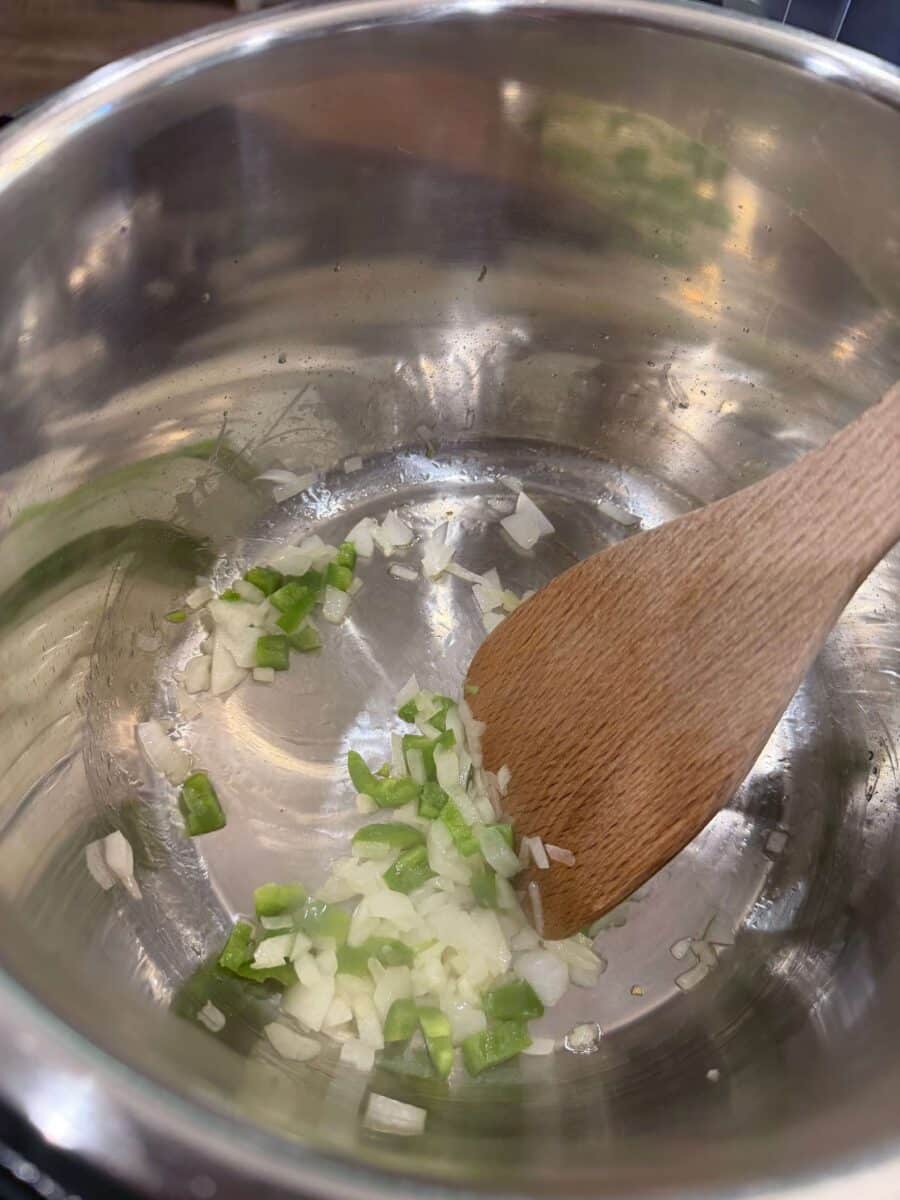
- Flavor Extraction: The sauté function allows the user to caramelize the onions and release the essential oils from the garlic and jalapeños without needing a separate skillet, reducing cleanup.
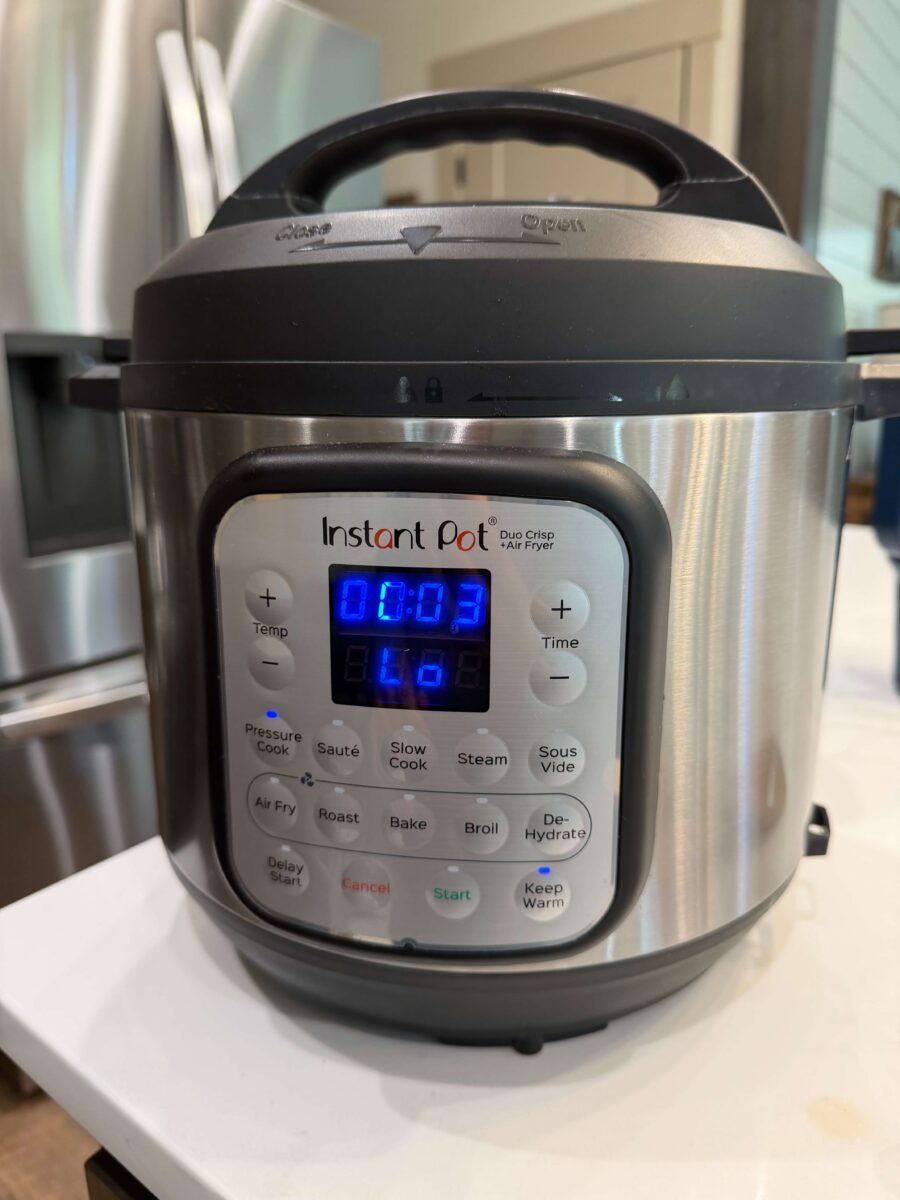
- Time Efficiency: Traditional stove-top methods require a slow simmer to soften the aromatics and break down the corn tortillas. The pressure cooker achieves a comparable depth of flavor in roughly 15 to 20 minutes of total cook time, including pressurization and venting.
- Consistency: Because the unit is sealed, the evaporation rate is significantly lower than that of a traditional pot, ensuring that the moisture balance remains constant, which is critical for maintaining the specific viscosity of the tortilla-thickened broth.
Industry Implications and Consumer Behavior
The surge in interest regarding "restaurant-at-home" recipes has profound implications for the hospitality industry. As consumers become more adept at recreating signature dishes, restaurant chains are increasingly forced to differentiate themselves through service experience, atmosphere, and exclusive ingredients that are difficult to procure or prepare in a home setting.
However, many major chains have embraced this shift. By fostering a culture where their signature recipes are discussed and shared, they maintain "top-of-mind" awareness among their customer base. The Sedona Tortilla Soup is an example of a "halo" dish—one that builds brand affinity. When a consumer makes this soup at home, they are effectively reinforcing their positive association with the California Pizza Kitchen brand, which may lead to future visits for items that are less easily replicated, such as wood-fired pizzas.
Preparing the Dish: A Standardized Approach
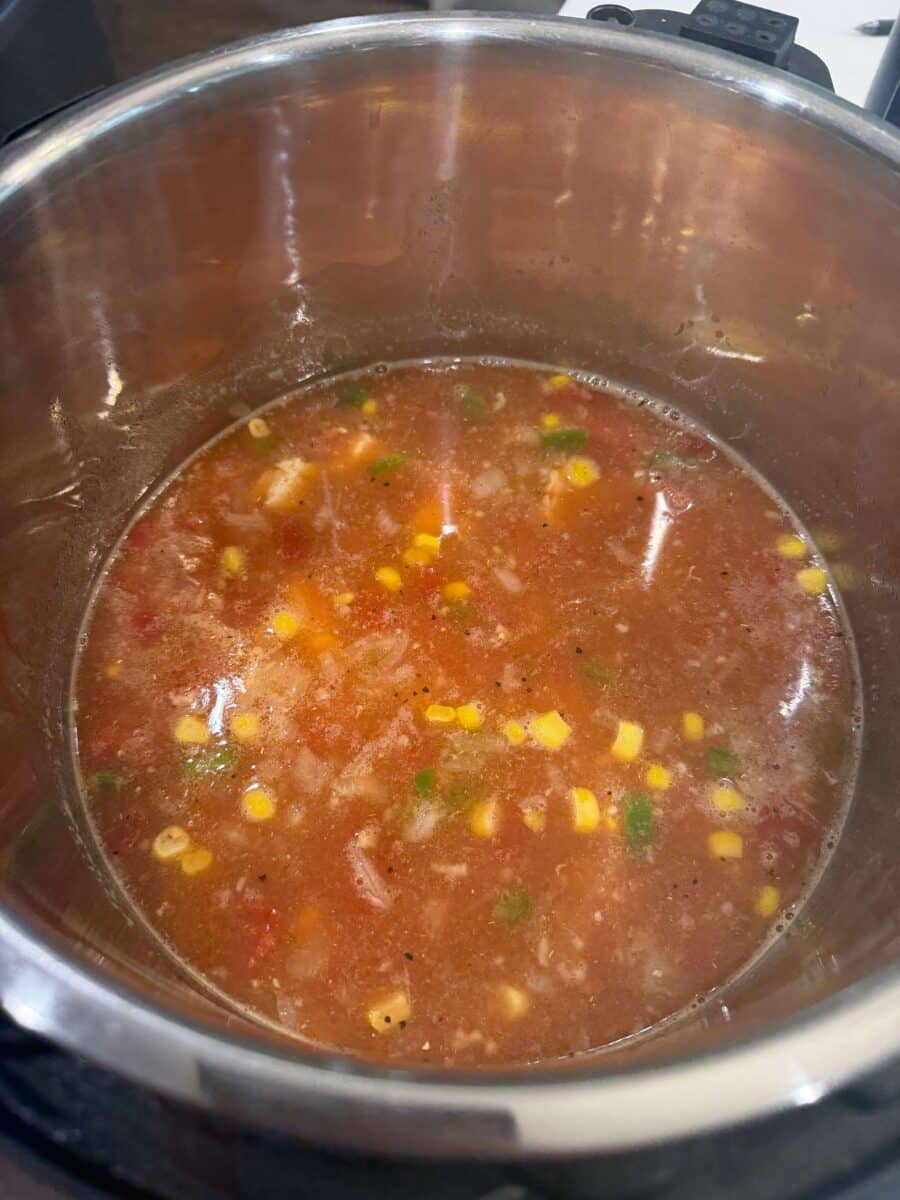
To achieve the best results, culinary experts emphasize the importance of the base. The sautéing of the onion and jalapeño is the most critical step; it provides the foundational layer of heat and sweetness. The subsequent deglazing of the pot with chicken broth is a vital technical step that ensures the "fond"—the browned bits of food left on the bottom of the pot—is incorporated into the liquid, maximizing the depth of the soup.
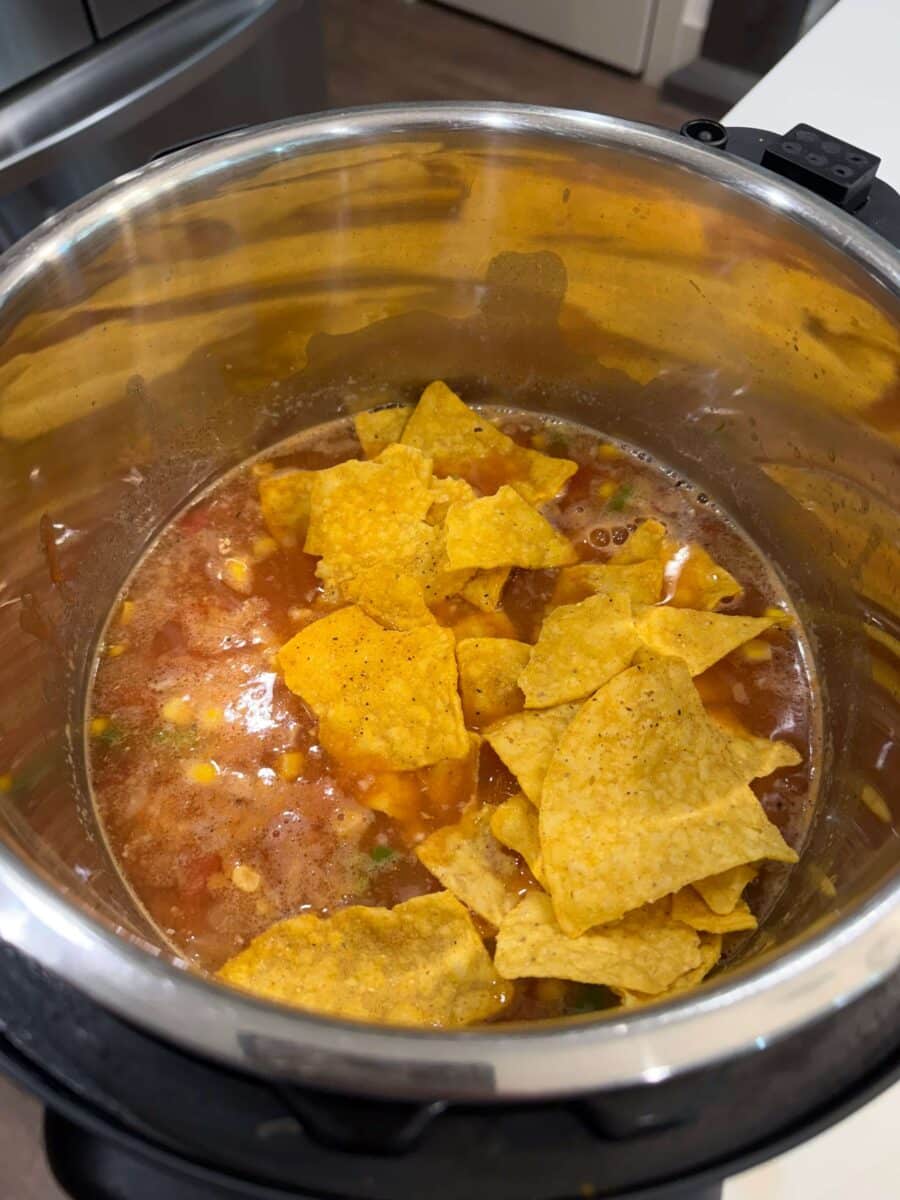
The addition of the tortilla chips at the start of the pressure-cooking process is what separates this method from traditional soups. Rather than serving the chips as a garnish—where they remain crisp—this recipe treats them as a starch component that breaks down to provide body to the broth. This mimics the traditional use of masa or corn tortillas in authentic Mexican regional soups, demonstrating a sophisticated understanding of how starches react to heat and moisture.
Final Analysis and Broader Context
The enduring popularity of the Sedona Tortilla Soup lies in its simplicity and its ability to satisfy a broad demographic. It balances heat, acidity, and texture in a way that feels indulgent yet remains relatively light. As food inflation continues to affect household budgets, the shift toward these types of accessible, high-flavor, low-cost recipes is likely to persist.
Furthermore, the adaptability of the recipe—allowing for various protein substitutions, such as black beans for a vegetarian option or rotisserie chicken for an even faster preparation—ensures that it remains relevant to changing dietary preferences. The transition from a restaurant menu item to a staple of the home kitchen is a testament to the ingenuity of the modern home cook and the power of shared culinary knowledge. Whether prepared in a state-of-the-art pressure cooker or a standard slow cooker, the Sedona Tortilla Soup continues to bridge the gap between commercial hospitality and domestic comfort.
