
The Evolution of One-Pot Comfort Food
The history of noodle-based comfort food in North America is deeply rooted in the agricultural traditions of the Amish and Mennonite communities. Historically, these communities relied on "scratch cooking," where egg noodles were hand-rolled and boiled in broth, often accompanied by farm-fresh dairy and garden herbs. These dishes served as essential sustenance for families working in physically demanding agricultural sectors.
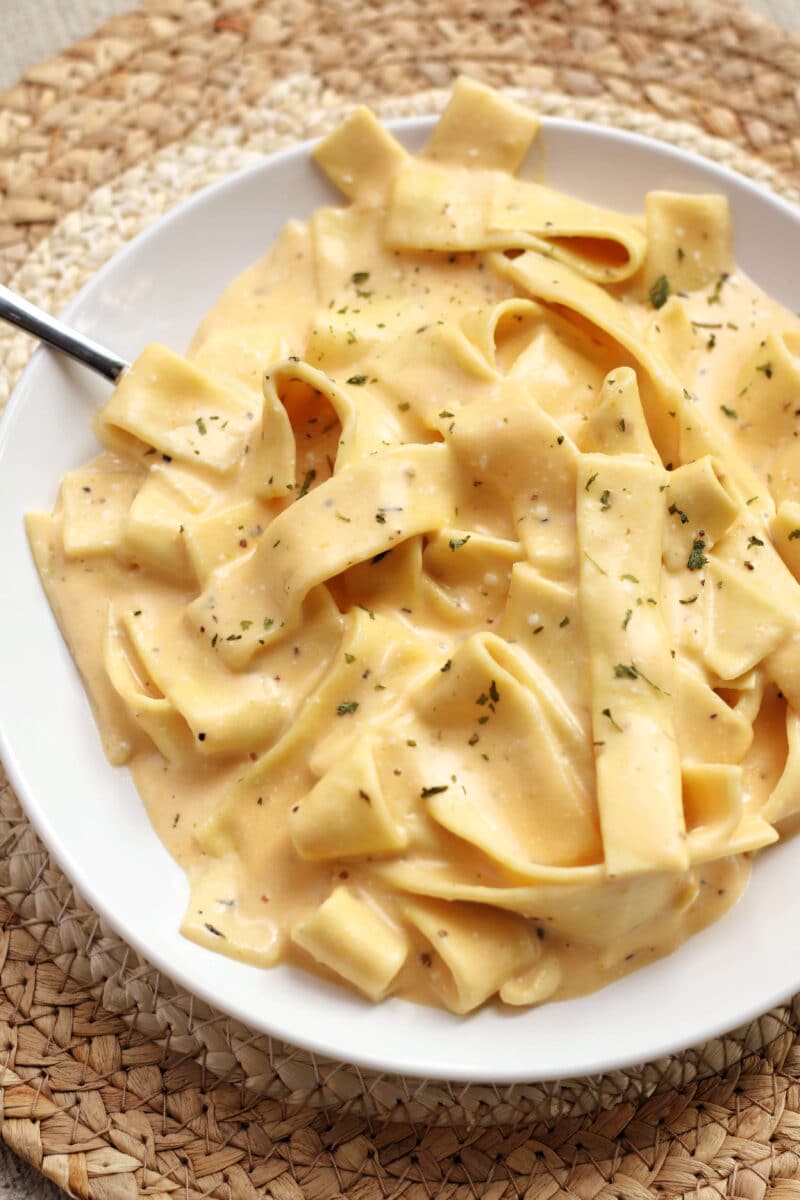
In recent years, the democratization of the electric pressure cooker has allowed for the adaptation of these labor-intensive recipes. The "one-pot" method, once a staple of campfires and cast-iron wood stoves, has been refined for the digital age. By consolidating the cooking process—where the starch, liquid, and flavoring agents are pressurized simultaneously—the starch release from the noodles creates a naturally emulsified, thick sauce that mimics the long-simmered consistency of traditional Amish cooking.

Technical Breakdown: The Pressure Cooking Process
The preparation of Amish Cheesy One Pot Noodles follows a precise sequence designed to optimize both texture and flavor. The process begins with the integration of chicken broth, which serves as the primary cooking medium. The use of traditional wide egg noodles is critical to the dish’s success, as their protein content provides the necessary structural integrity to withstand high-pressure environments without becoming overly gelatinous.

- Preparation Phase: The base is formed by adding 2 cups of chicken broth to the internal vessel of the pressure cooker, followed by 8 ounces of egg noodles.
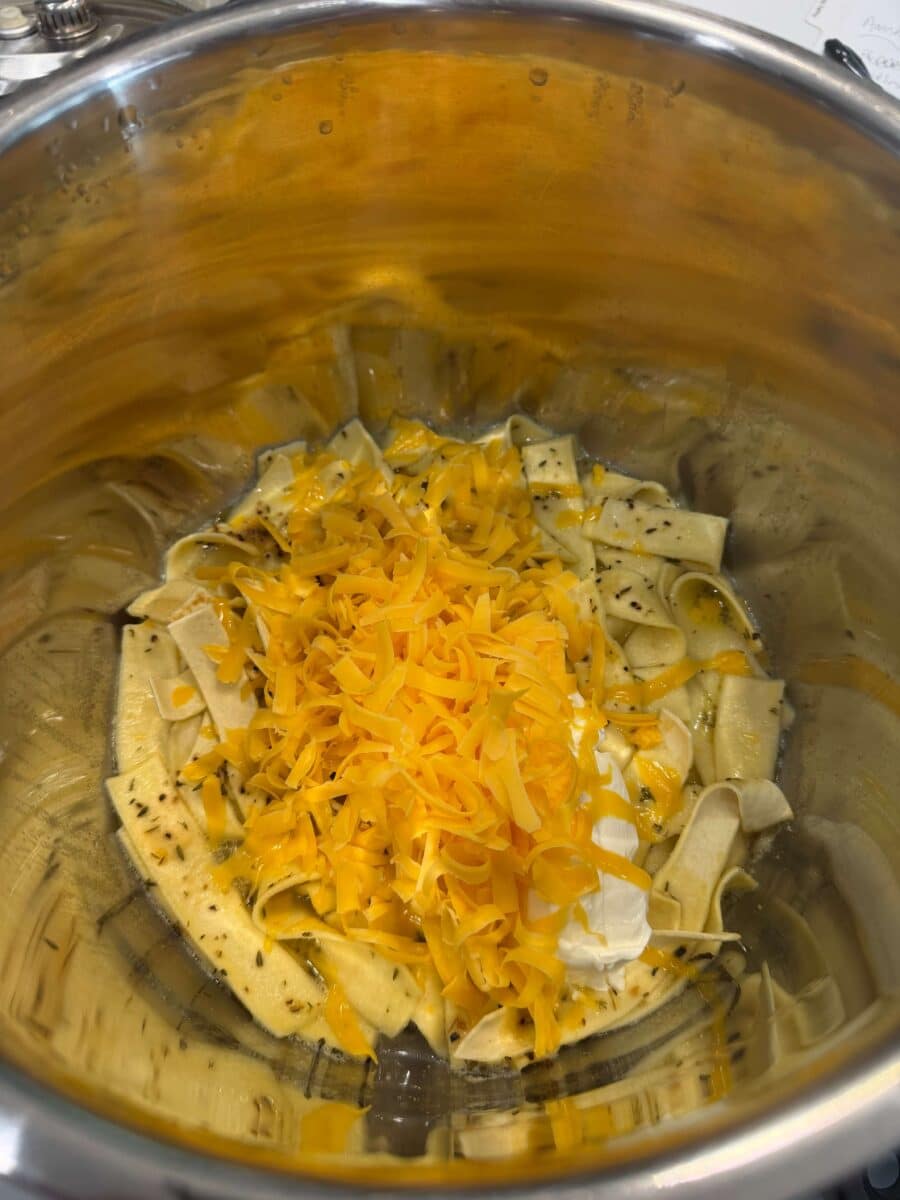
- Seasoning and Emulsification: The addition of 2 tablespoons of butter, 1/4 teaspoon of kosher salt, 1 teaspoon of garlic powder, 1/2 teaspoon of onion powder, 1/2 teaspoon of black pepper, and 1/2 teaspoon of dried thyme provides the aromatic foundation. The crucial step involves the inclusion of 4 ounces of cream cheese at the start of the cycle, which acts as a stabilizing agent for the sauce.
- The Pressurization Cycle: The unit is set to a manual pressure cycle of five minutes. Following the conclusion of the cook time, a controlled release—a 5-to-10-minute natural pressure release—is recommended to ensure the starch molecules properly hydrate and stabilize.
- Final Incorporation: Upon removing the lid, 4 ounces of shredded sharp cheddar are folded into the mixture. The residual heat of the noodles facilitates the melting of the cheese, resulting in a cohesive, velvety sauce.
Data and Nutritional Context
From a nutritional perspective, this dish is classified as a calorie-dense comfort food. While specific macronutrient profiles can fluctuate based on the quality of the broth and cheese used, the dish is designed to offer high satiety. The use of sharp cheddar provides a significant source of calcium and protein, while the egg noodles offer a carbohydrate base that is highly digestible.
Culinary analysts note that the shift toward these "dump-and-go" recipes reflects broader consumer trends in food preparation. According to market research on small kitchen appliances, there has been a 15% year-over-year increase in searches for "time-saving comfort food recipes," suggesting that busy households are increasingly prioritizing convenience without sacrificing the sensory satisfaction of traditional, home-style meals.

Culinary Implications and Adaptability
The versatility of the Amish Cheesy One Pot Noodle recipe allows for significant modularity, which has contributed to its popularity among home cooks. Nutritionists and home chefs often suggest the addition of lean proteins—such as shredded rotisserie chicken or seared tofu—and fibrous vegetables like steamed broccoli or peas. These modifications transform the side dish into a balanced, nutrient-dense main course.

Furthermore, the recipe serves as a baseline for culinary experimentation. Because the flavor profile is relatively mild and savory, it serves as an ideal canvas for regional variations. Some cooks have reported success in incorporating roasted red peppers, sautéed mushrooms, or a blend of Gruyère and fontina cheeses to introduce a more sophisticated palate, demonstrating the dish’s durability in the face of creative adaptation.
The Role of Technology in Preserving Tradition
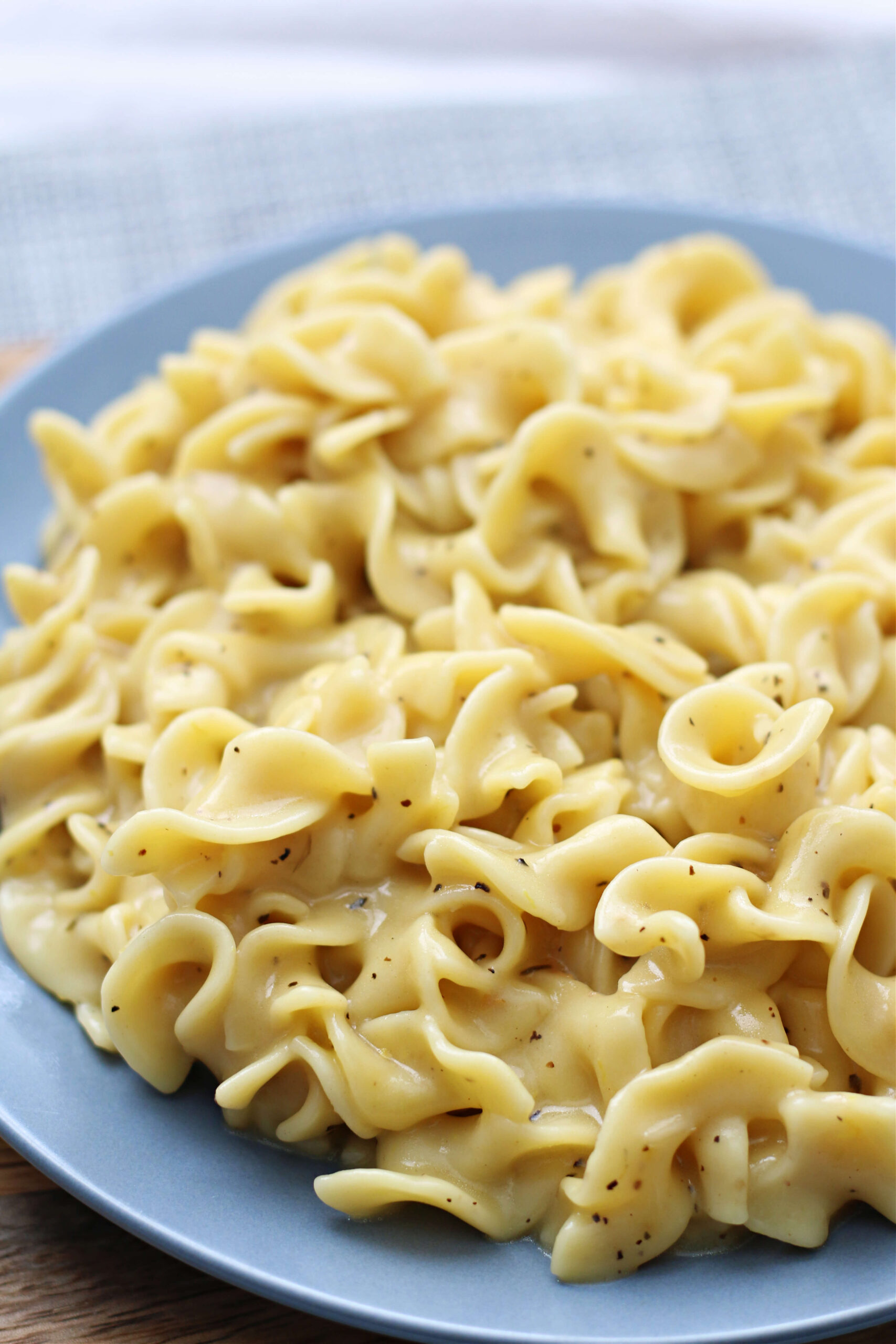
Critics of modern cooking methods often argue that pressure-cooking sacrifices the nuance of slow-simmered flavors. However, proponents of the "Amish-inspired" movement argue that the pressure-cooking method actually enhances the flavor profile by preventing the evaporation of volatile aromatics. Because the unit is sealed during the cooking process, the essence of the garlic, onion, and thyme is forced into the noodles, resulting in a more intense flavor saturation than traditional boiling might achieve.
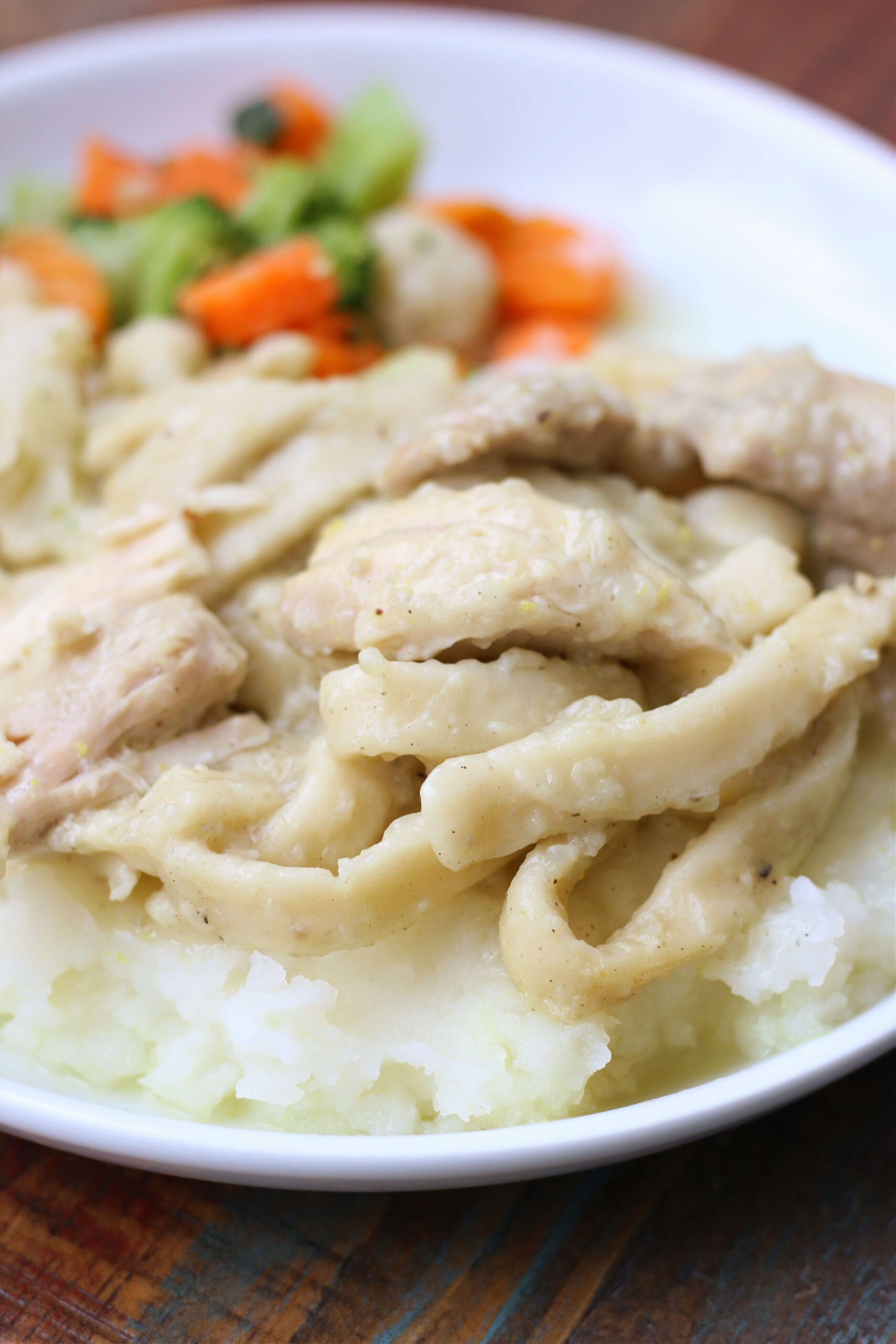
This trend highlights a broader cultural phenomenon: the synthesis of "slow food" heritage with "fast food" convenience. By automating the most tedious aspects of the cooking process—monitoring temperature, stirring, and timing—the modern home cook is able to reclaim the ritual of the family dinner, even within the constraints of a modern, time-poor lifestyle.
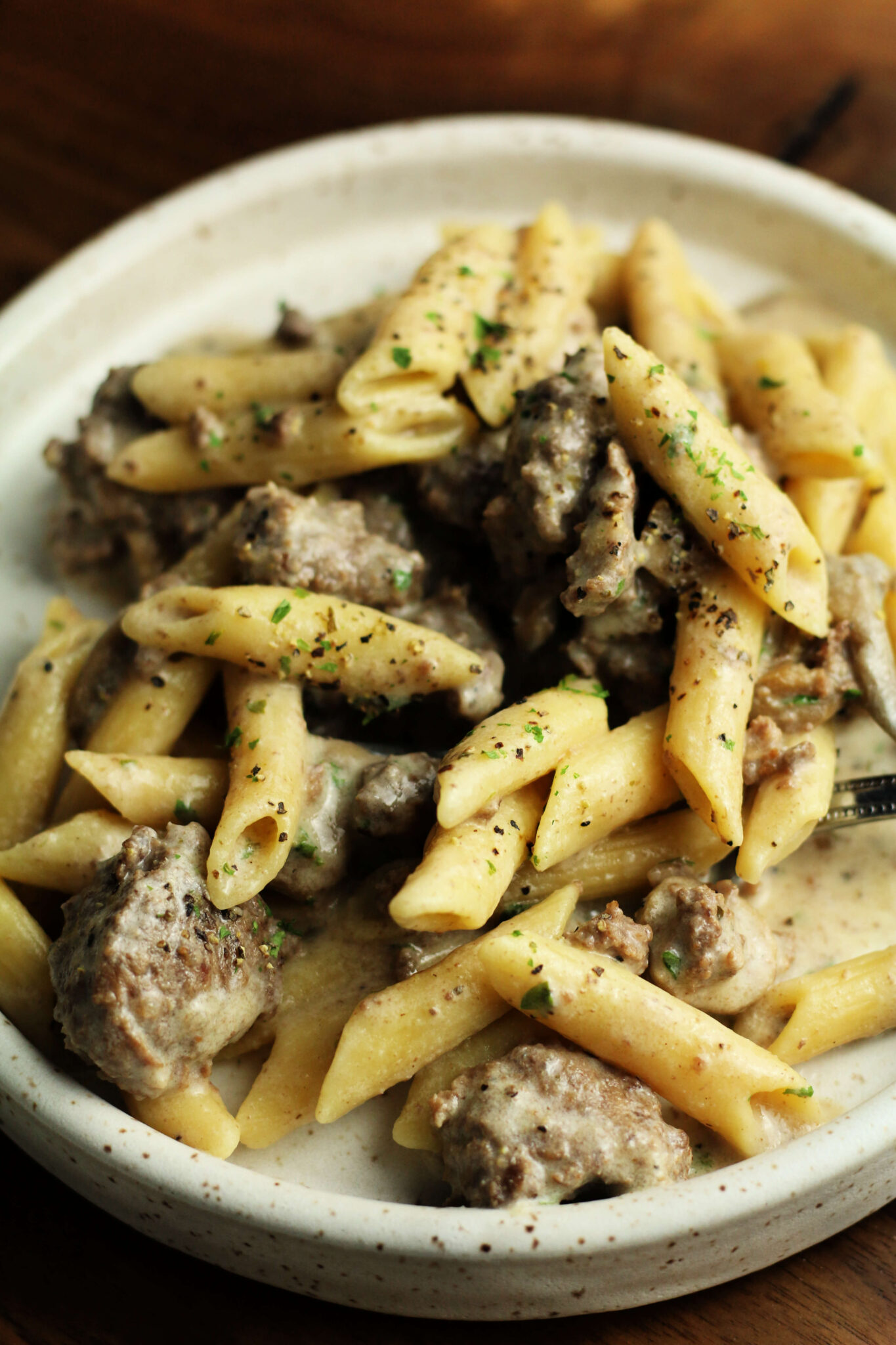
Broader Societal Impact
The rise of the "One Pot" movement also has implications for domestic waste reduction. By requiring only one vessel for the entire cooking process, households significantly reduce water usage and the energy expenditure associated with cleaning multiple pots and pans. Furthermore, these recipes are often cited as excellent vehicles for utilizing leftover ingredients, such as half-empty containers of cream cheese or the remnants of a rotisserie chicken, thereby assisting in food waste management at the household level.
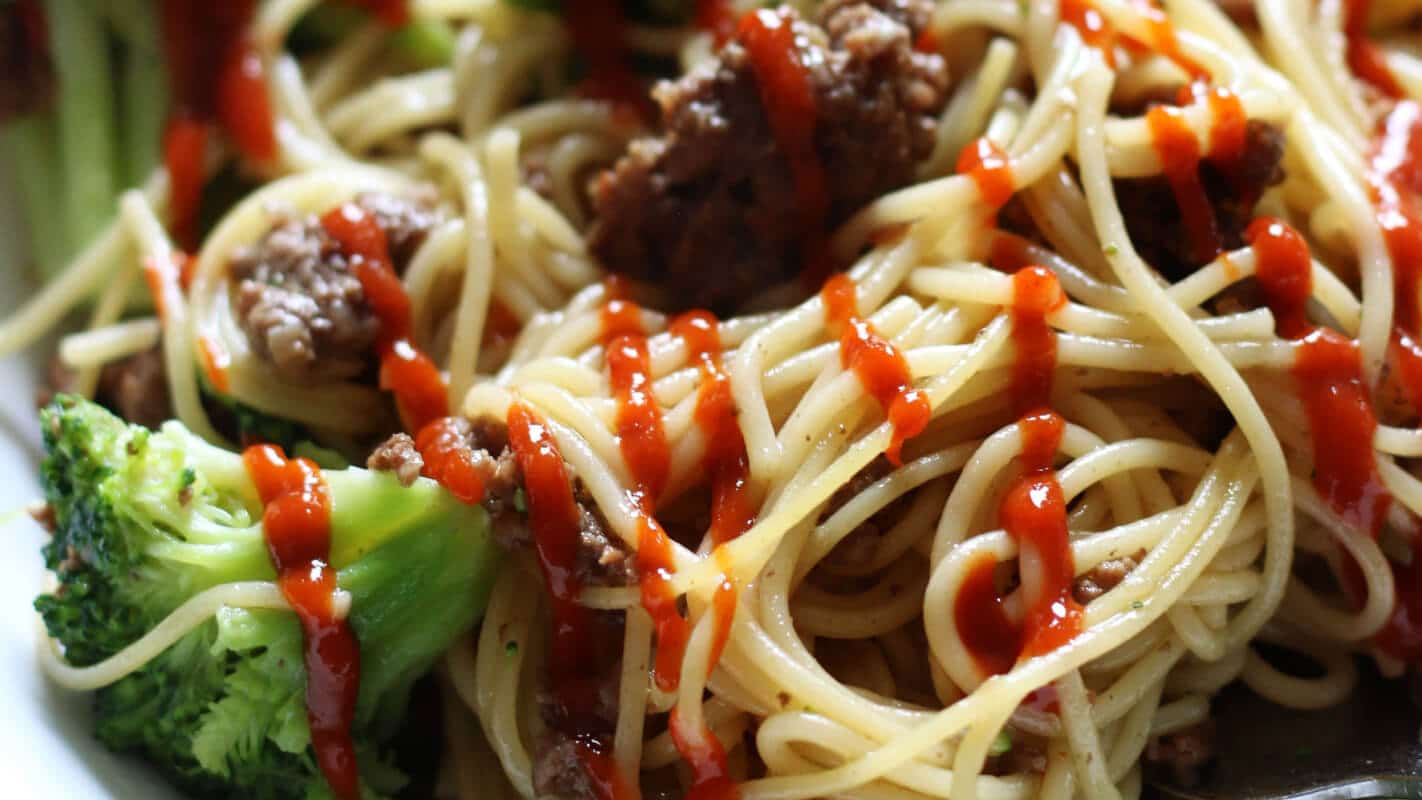
In an era where the cost of living is rising, these budget-friendly, pantry-staple recipes provide a reliable, low-cost dinner option. The components—dried pasta, broth, and basic dairy—are shelf-stable or have long refrigeration lives, making them accessible to a wide demographic, regardless of economic status.
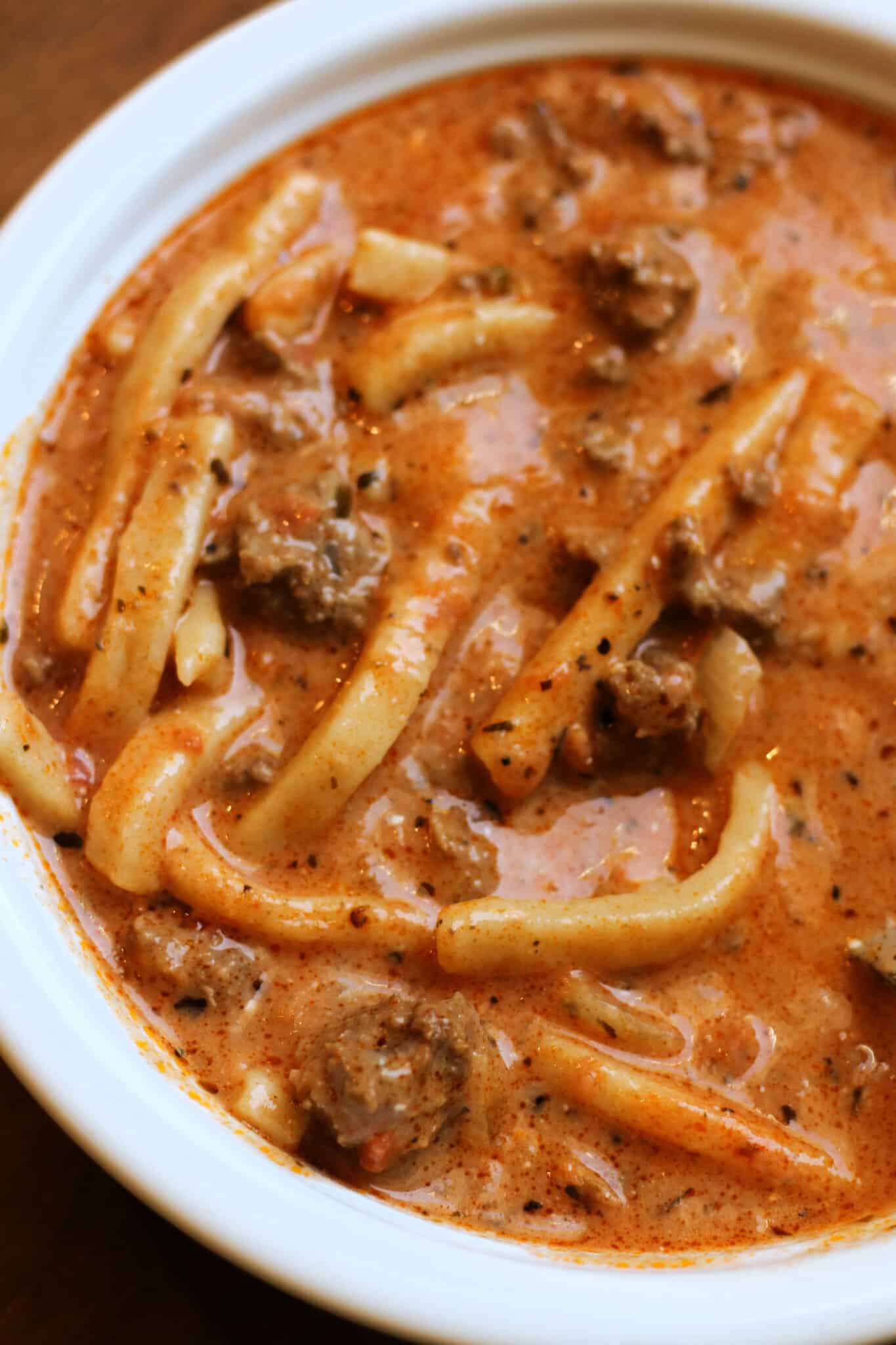
Conclusion: A Staple for the Modern Kitchen
Amish Cheesy One Pot Noodles offer more than just a meal; they represent a successful adaptation of time-honored culinary wisdom. By bridging the gap between historical simplicity and technological convenience, the dish has earned its place as a staple in the contemporary kitchen. Whether served as a standalone comfort meal or as a base for a more complex protein-rich dinner, it remains a testament to the fact that quality food does not necessarily require hours of active labor. As the popularity of pressure-cooking continues to expand, it is likely that this dish will remain a benchmark for home-cooked excellence, serving as a reminder that comfort food, at its core, is about accessibility, sustenance, and the enduring appeal of the familiar.
