

The Evolution of the "Marry Me" Culinary Phenomenon
The moniker "Marry Me" has become a pervasive term in modern internet food culture, typically denoting a recipe so flavorful or impressive that it is jokingly—or hyperbolically—suggested to be capable of securing a marriage proposal. Originating from the viral "Marry Me Chicken" recipe that dominated social media feeds in the early 2020s, the concept has evolved into a category of dishes characterized by their rich, savory, and cream-based sauces.
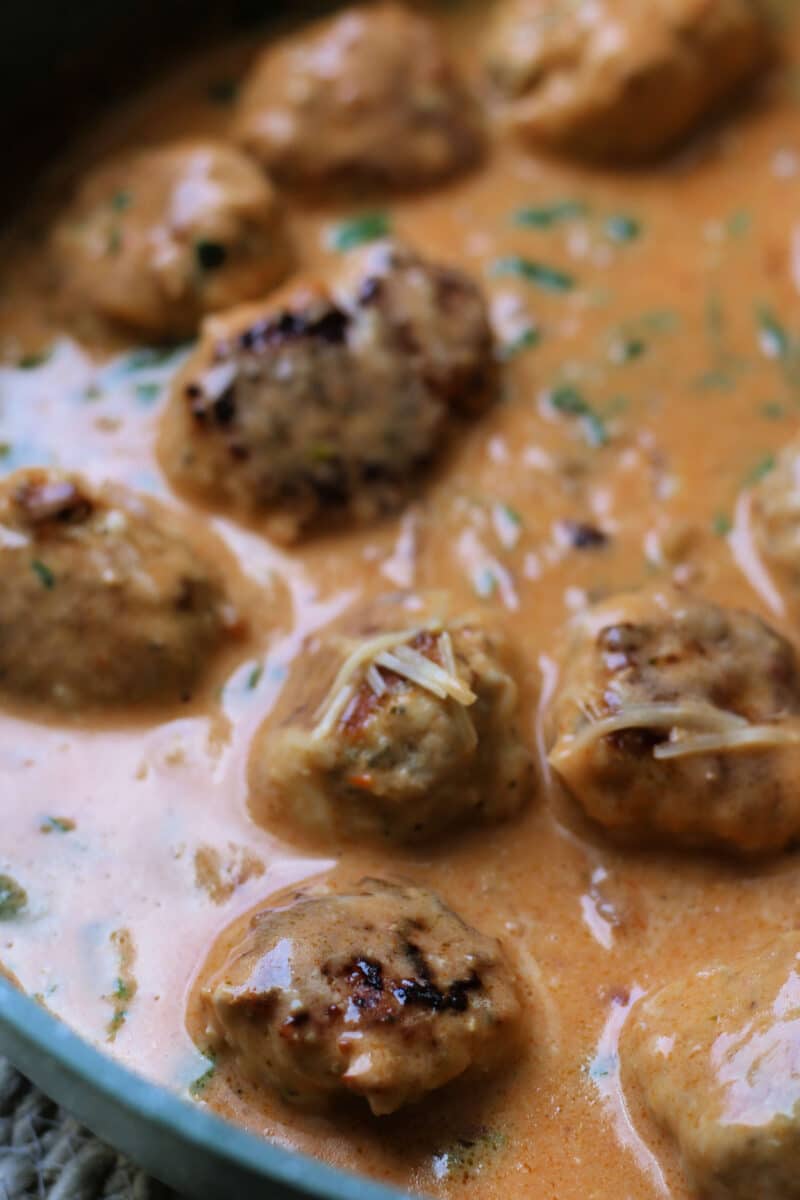
The transition from a whole chicken breast preparation to a meatball-based version represents a strategic shift in preparation convenience. Meatballs offer a higher surface-area-to-volume ratio, allowing for better sauce adherence and more uniform cooking times. This evolution serves as a case study in how viral food trends are refined by home cooks to suit modern, fast-paced lifestyles without sacrificing the perceived "luxury" of the original dish.

Nutritional Profile and Ingredient Analysis
The foundational component of this dish is ground chicken, a lean protein source that serves as a neutral canvas for the aromatic elements involved. Unlike beef or pork meatballs, which carry a higher saturated fat content, ground chicken provides a lighter texture that complements the heavy cream base of the sauce.

The inclusion of sun-dried tomato pesto introduces a concentrated burst of umami and acidity, balancing the richness of the dairy. Nutritional analysis of these ingredients reveals a complex profile:

- Ground Chicken: High in lean protein, niacin, and Vitamin B6.
- Sun-Dried Tomatoes: Excellent sources of lycopene, a potent antioxidant, as well as potassium and dietary fiber.
- Parmesan Cheese: Adds calcium and protein, though it contributes significantly to the sodium profile of the dish.
- Spinach: Included in the final stages of cooking, providing essential iron, Vitamin A, and Vitamin K without altering the flavor profile.
Culinary Methodology: A Systematic Approach
The preparation of Marry Me Chicken Meatballs relies on a sequence of technical steps designed to maximize flavor development through the Maillard reaction.
Phase 1: The Mixture
The preparation begins by integrating the protein with the binder and aromatics. A precise mixture of ground chicken, sun-dried tomato pesto, Italian seasoning, kosher salt, black pepper, and parmesan cheese is essential for structural integrity. The use of parmesan not only acts as a flavor enhancer but also contributes to the binding properties of the meatball.

Phase 2: The Searing Process
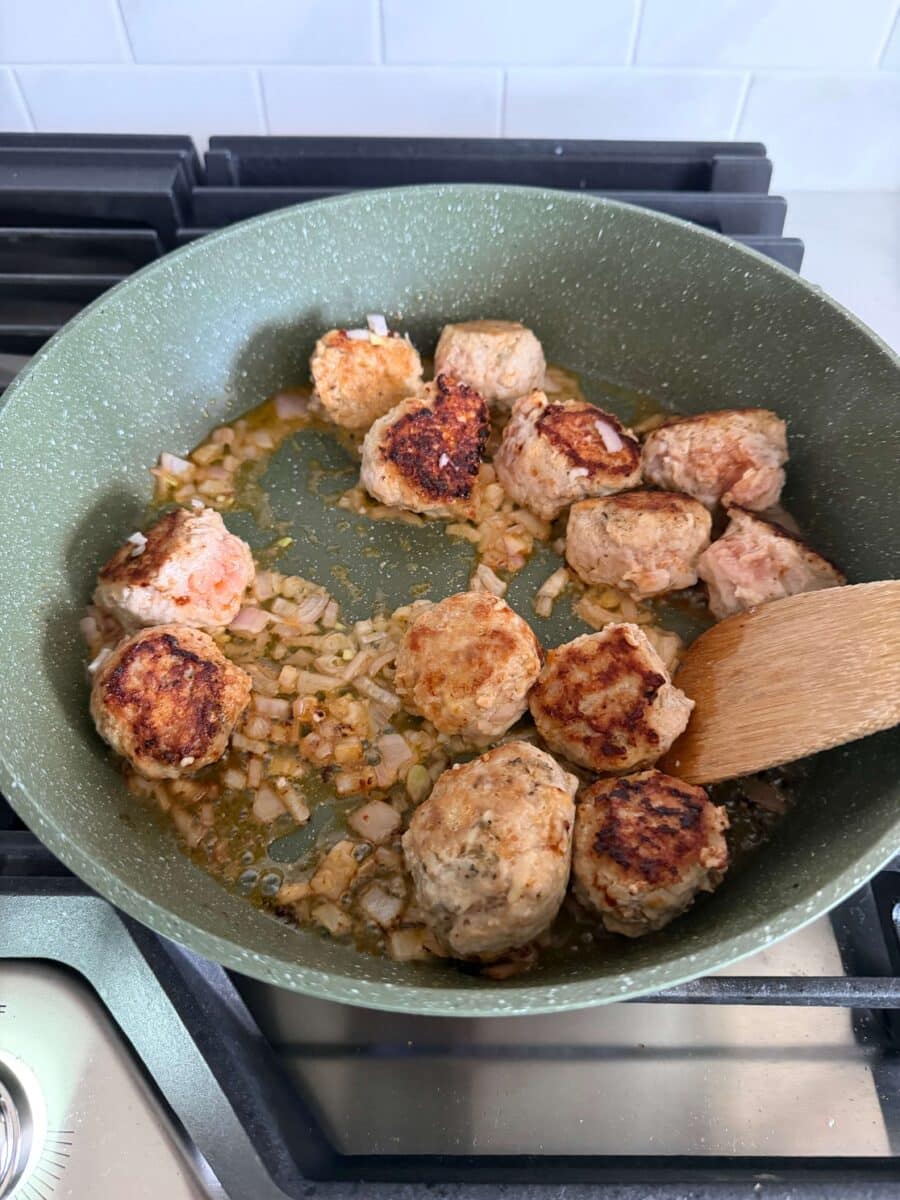
Journalistic observation of culinary techniques highlights that the searing phase is critical. By heating the pan to a medium-high temperature and utilizing butter, the cook creates a crust on the exterior of the meatballs. This process, occurring over approximately four minutes, seals in juices and creates the "fond"—the brown bits on the bottom of the pan—that will eventually form the base of the sauce.

Phase 3: Sauce Emulsification
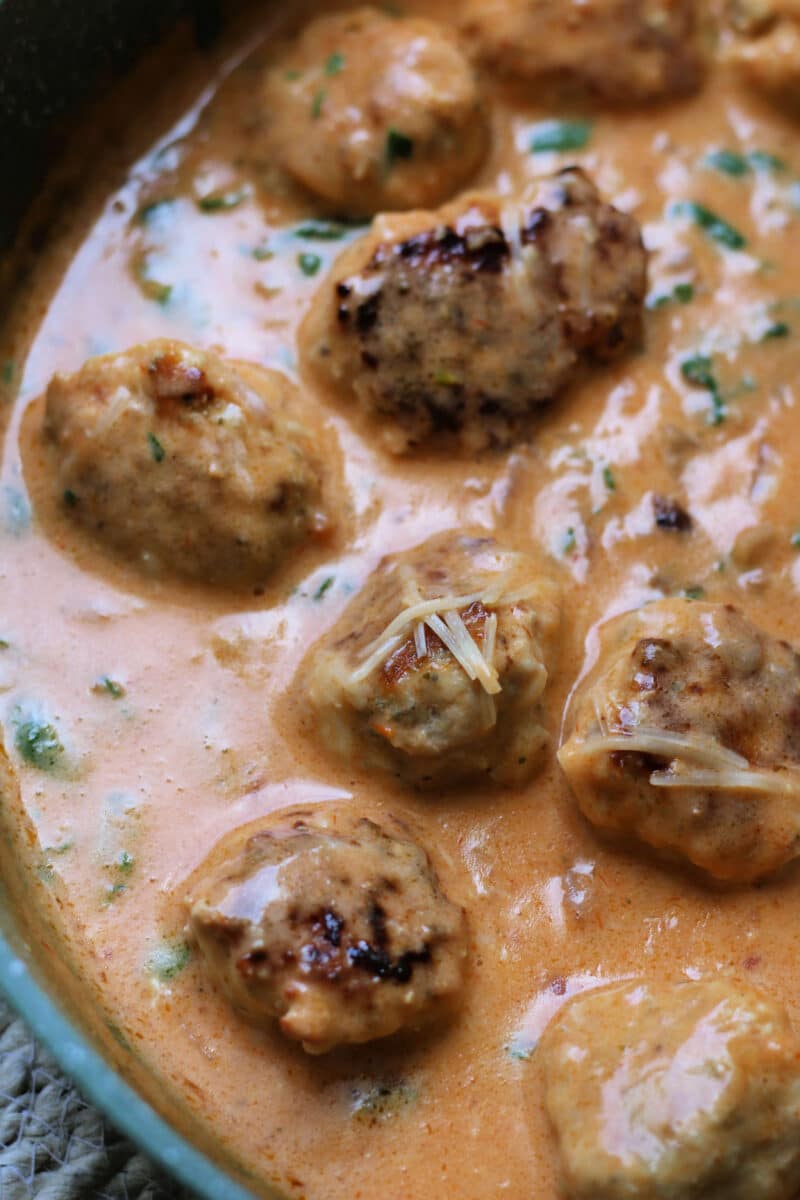
The sauce construction requires a delicate balance of acidity and fat. The sautéing of shallots and garlic provides the aromatic foundation, followed by a deglazing process using chicken broth and white wine vinegar. The addition of a cornstarch slurry is a common technique used to achieve the desired viscosity, ensuring the sauce coats the meatballs uniformly. The final tempering of the cream—a process where a small amount of hot sauce is whisked into the cold cream before adding it to the pan—prevents the dairy from curdling due to thermal shock.

Broader Economic and Lifestyle Implications
The rise of recipes such as the Marry Me Chicken Meatballs illustrates a shift in consumer behavior regarding grocery shopping and meal preparation. With the rising cost of dining out, many households are reallocating their entertainment budgets toward high-quality grocery ingredients.

Economic analysts in the food industry suggest that "gourmet-at-home" trends are driven by a desire for affordable luxuries. The ingredients required for this dish—bacon crumbles, sun-dried tomatoes, and heavy cream—are accessible at most standard retailers but, when combined, produce a result that mirrors high-end bistro fare. This enables consumers to experience a sense of accomplishment and elevated dining without the premium price point associated with restaurant markup.
Contextualizing the Digital Recipe Landscape
The widespread dissemination of this recipe format relies heavily on digital engagement tools. Features such as "Cook Mode," which prevents screens from dimming, and the integration of Pinterest for visual archiving, highlight how technological advancements have become as integral to the kitchen as the skillet itself.
The website 365 Days of Crockpot, which hosts this particular variation, exemplifies the shift toward specialized, filter-driven recipe databases. By allowing users to search by dietary constraints—such as low-carb or gluten-free—the platform acknowledges the diverse nutritional needs of the modern population. This democratization of culinary information allows for a more personalized approach to home cooking, where individuals can modify recipes based on personal health goals or ingredient availability.
Conclusion and Future Outlook
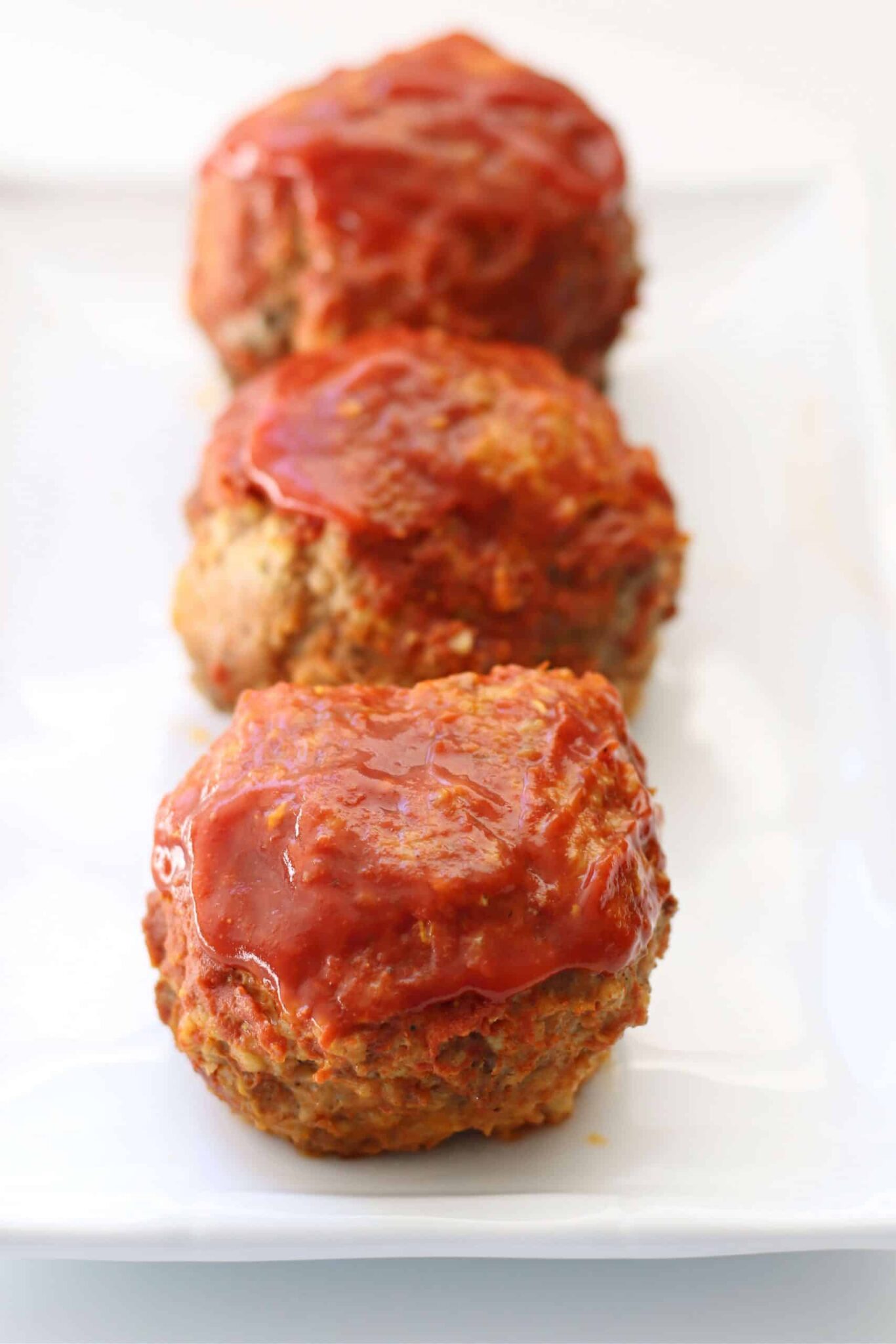
The Marry Me Chicken Meatballs recipe is more than a fleeting internet trend; it is a synthesis of traditional cooking techniques and modern convenience. By focusing on flavor density, ease of preparation, and the use of accessible, high-impact ingredients, the dish serves as an effective entry point for those looking to improve their home cooking repertoire.
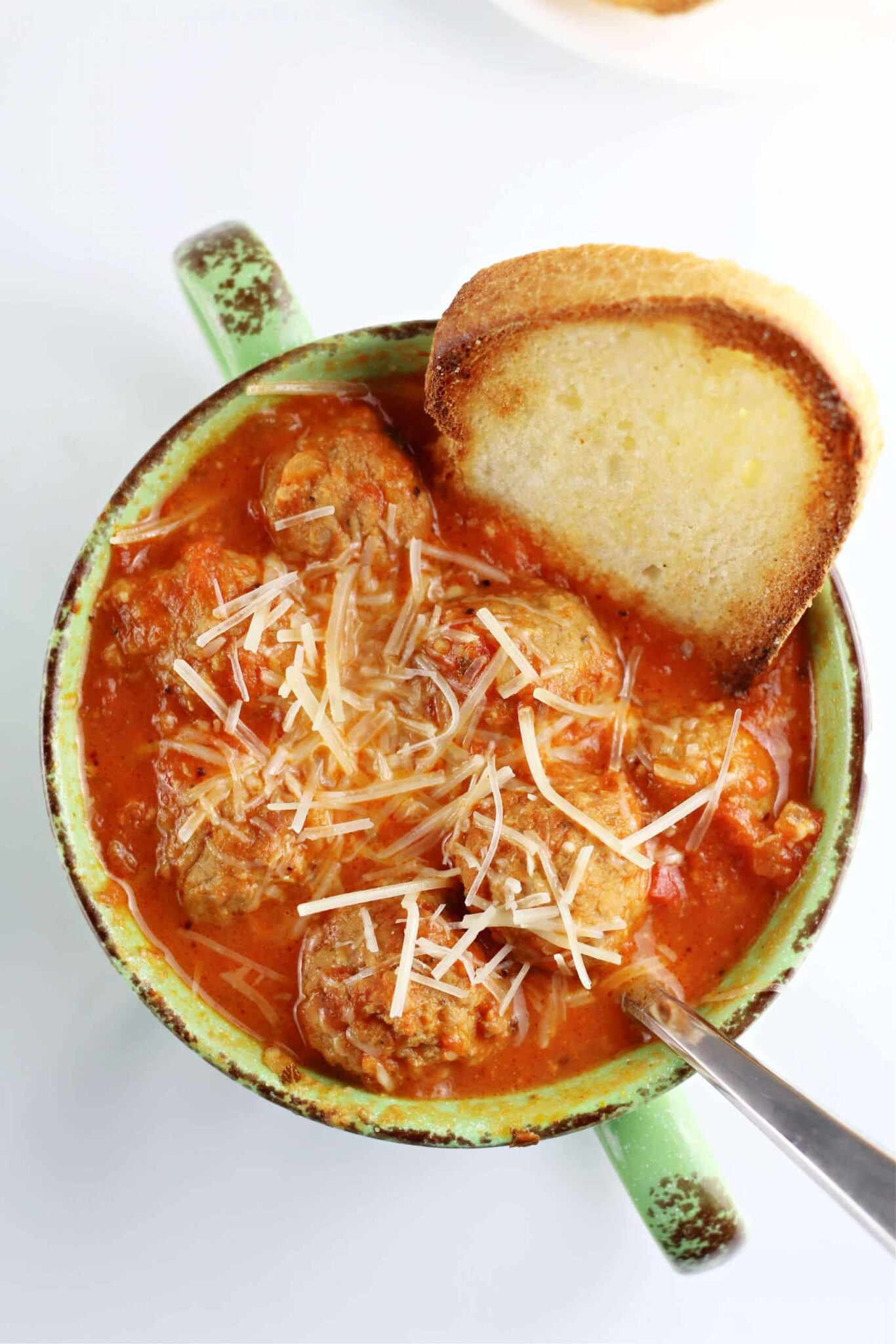
As the industry moves forward, it is anticipated that similar recipes will continue to emerge, prioritizing efficiency without compromising on the sensory experience. Whether prepared for a quick weeknight dinner or a more formal gathering, the dish remains a testament to the enduring appeal of the meatball as a versatile, satisfying, and deeply customizable component of the global diet. As long as consumers continue to prioritize both time-saving measures and high-quality flavor, variations of the "Marry Me" series will likely continue to occupy a significant position in the culinary landscape.
