

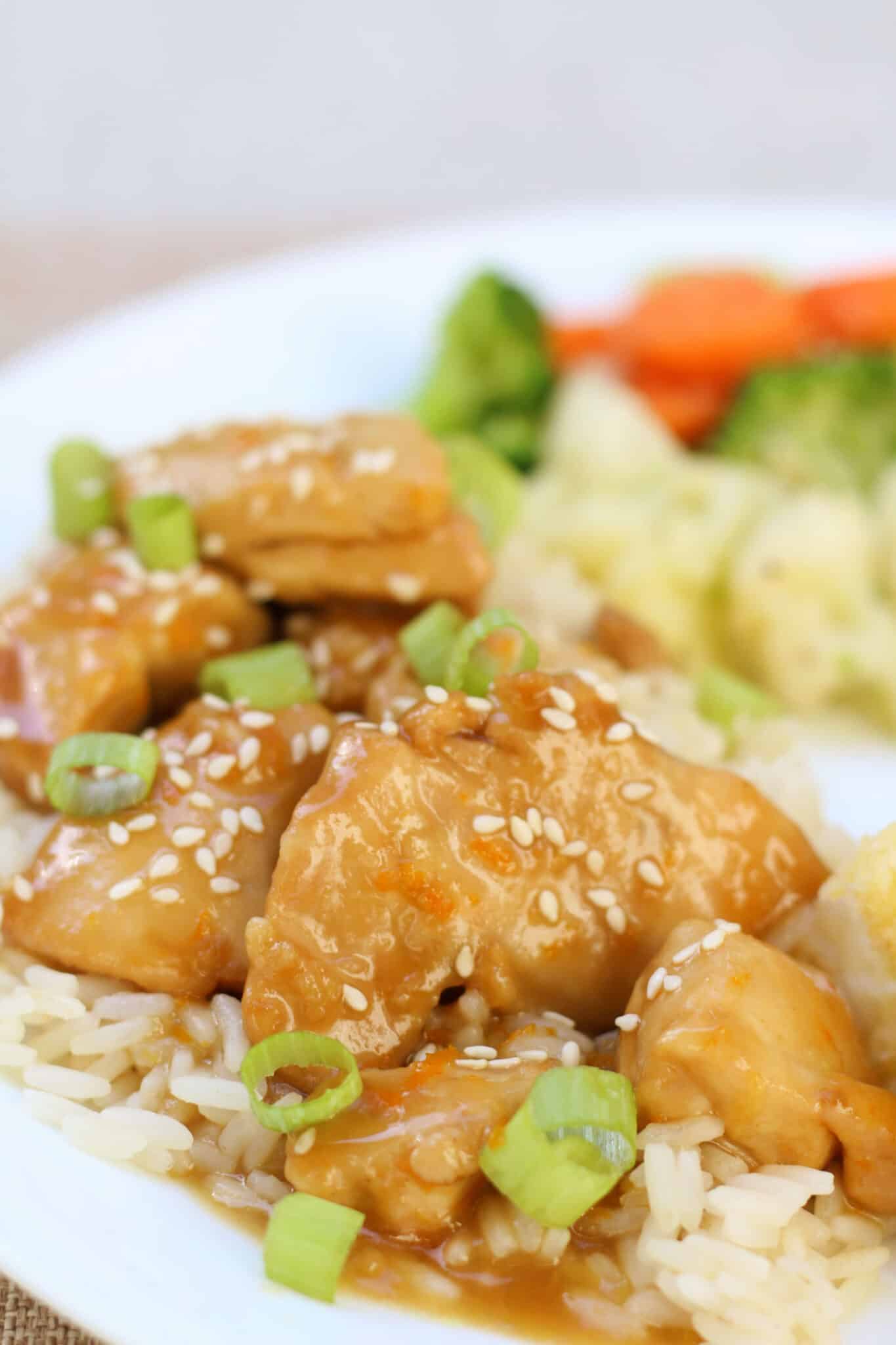
The landscape of home cooking in the United States has undergone a significant transformation over the past decade, driven by a growing consumer preference for convenience, health-conscious ingredient sourcing, and the integration of labor-saving kitchen appliances. Among the most prominent trends is the "set-and-forget" methodology of slow cooking, which has transitioned from a niche method for tough cuts of meat to a versatile tool for complex, flavor-forward international cuisine. A primary example of this evolution is the emergence of simplified, at-home versions of classic restaurant staples, such as the newly popularized Hayden’s California Orange Chicken.
The Evolution of Convenience Cooking
Traditional orange chicken, a staple of American-Chinese cuisine, is typically characterized by a labor-intensive process involving deep-frying breaded protein and whisking complex, sugar-heavy glazes. While the flavor profile—defined by the acidic brightness of citrus and the aromatic heat of ginger—has maintained high popularity, the preparation methods often discourage home cooks.
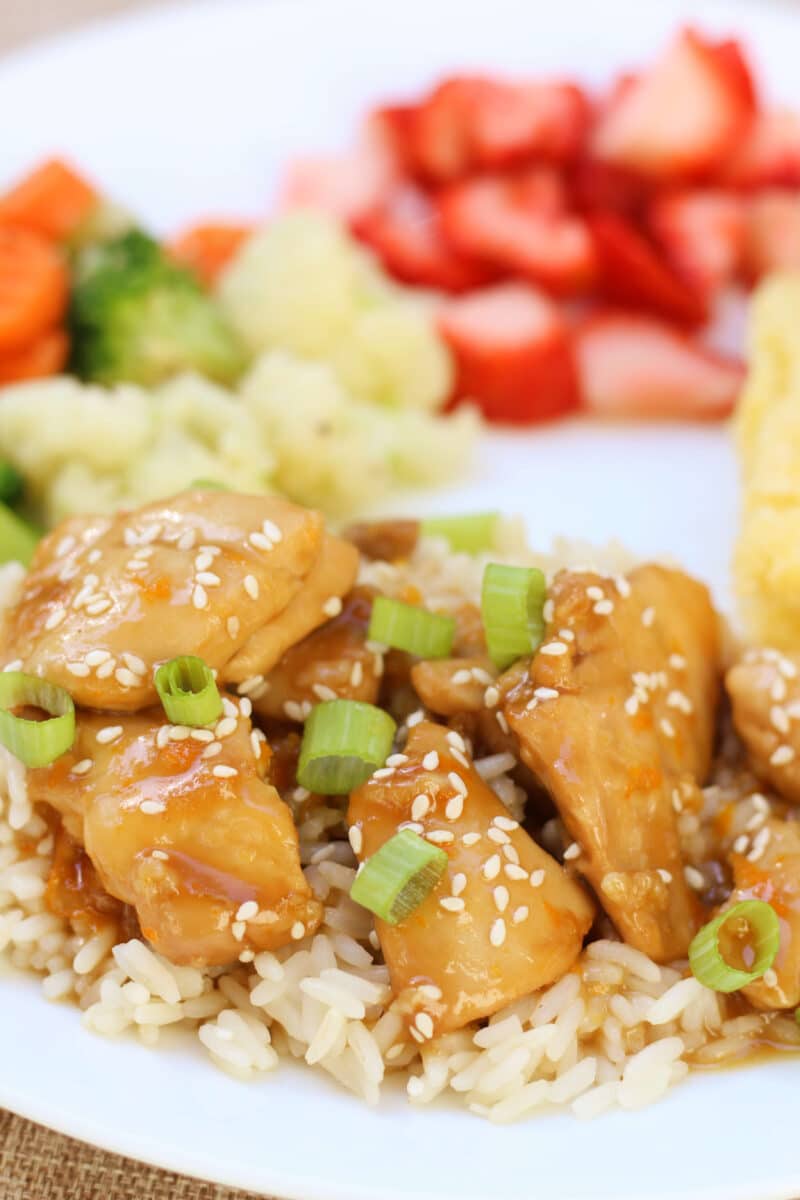
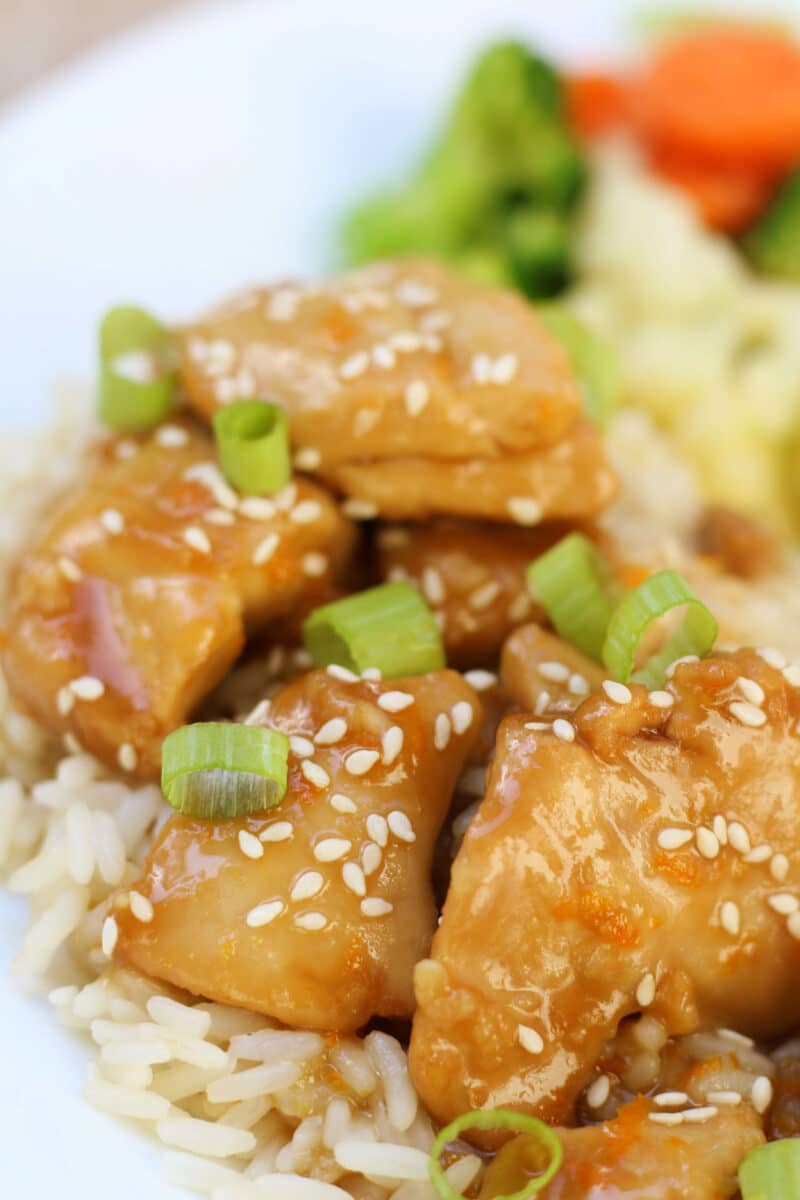
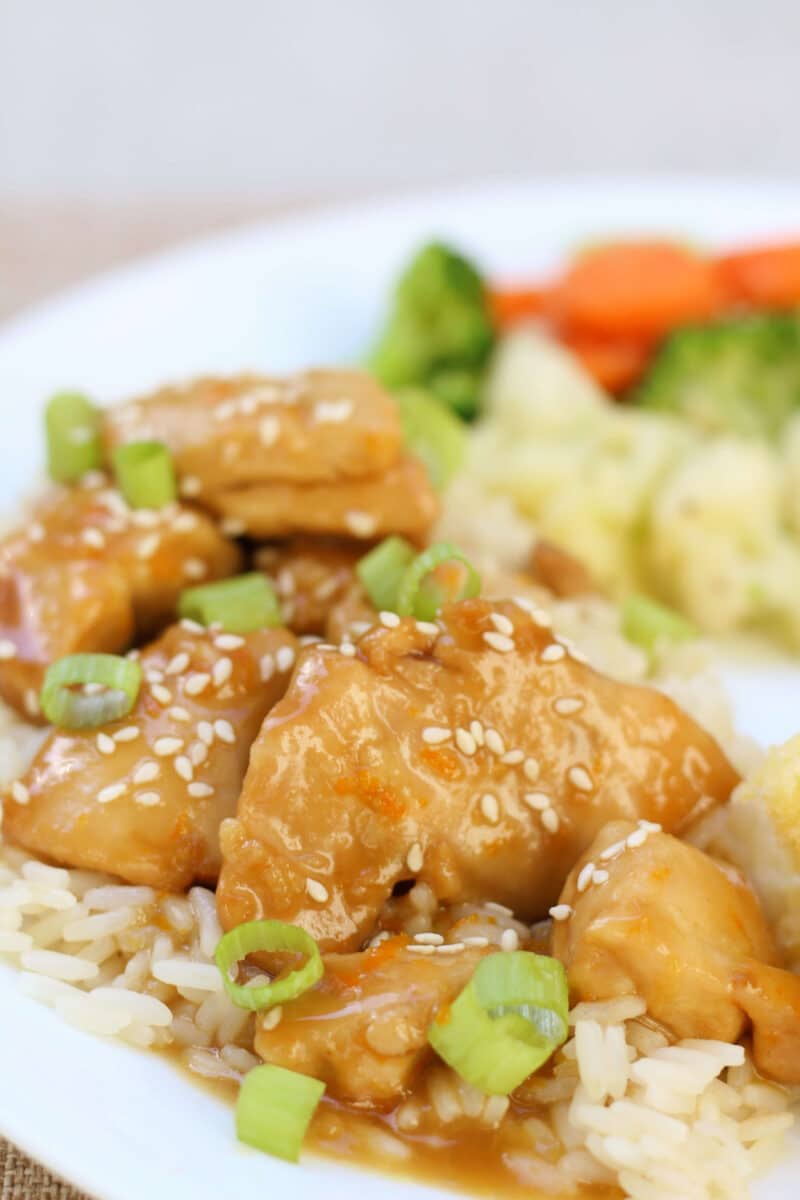
The current trend toward slow-cooker adaptations, such as the recipe attributed to California native Hayden, reflects a broader culinary shift. By substituting the deep-frying process with a braising technique using tender chicken thighs, the dish achieves a significant reduction in total fat content while maintaining the essential flavor integrity of the original. This adaptation aligns with contemporary dietary guidelines that favor methods preserving the nutritional value of fresh ingredients, such as fresh-squeezed orange juice and raw ginger, rather than processed alternatives.
Culinary Context and Recipe Development
The development of this specific recipe originated from a need to bridge the gap between restaurant-quality taste and the constraints of a student lifestyle. The creator, recognizing that college students and busy professionals often lack the equipment or time for traditional frying, sought to develop a methodology that requires minimal active labor.
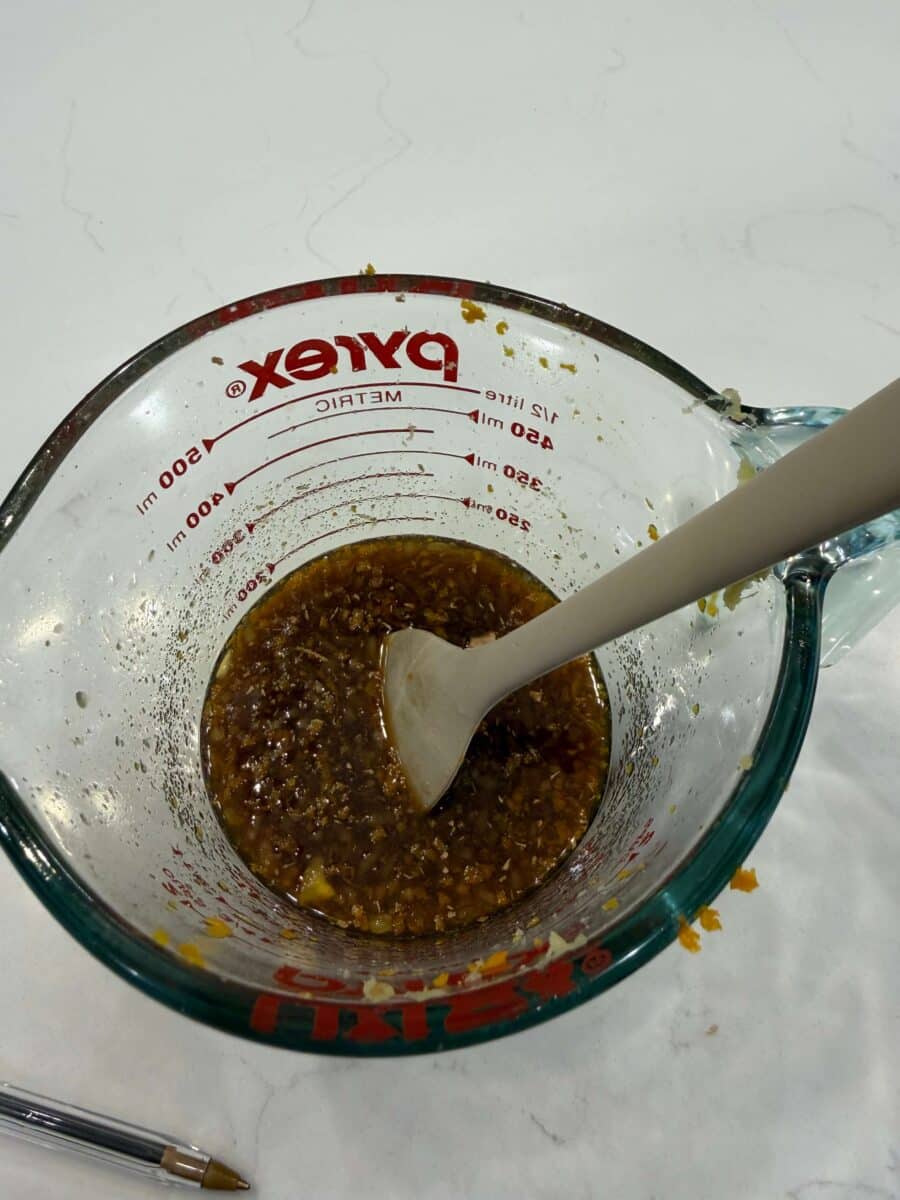
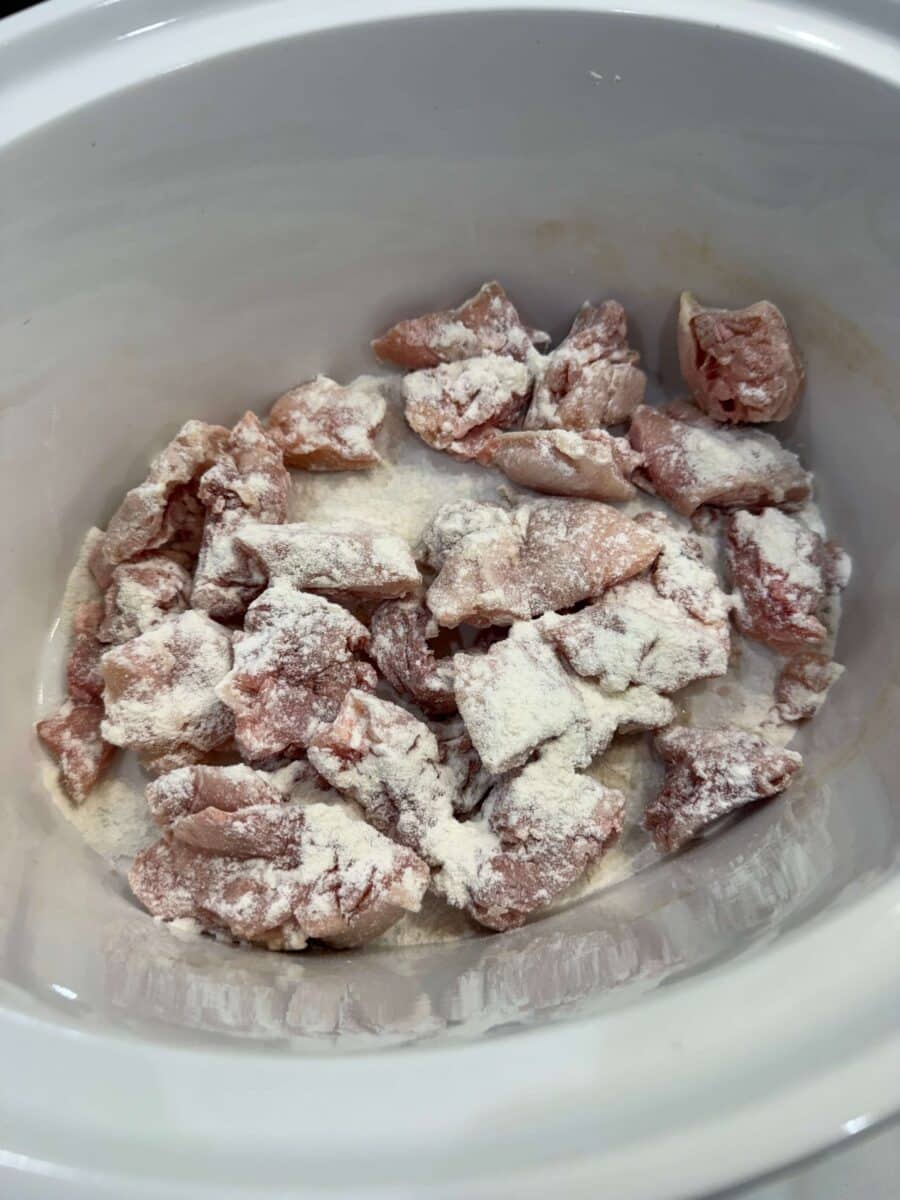
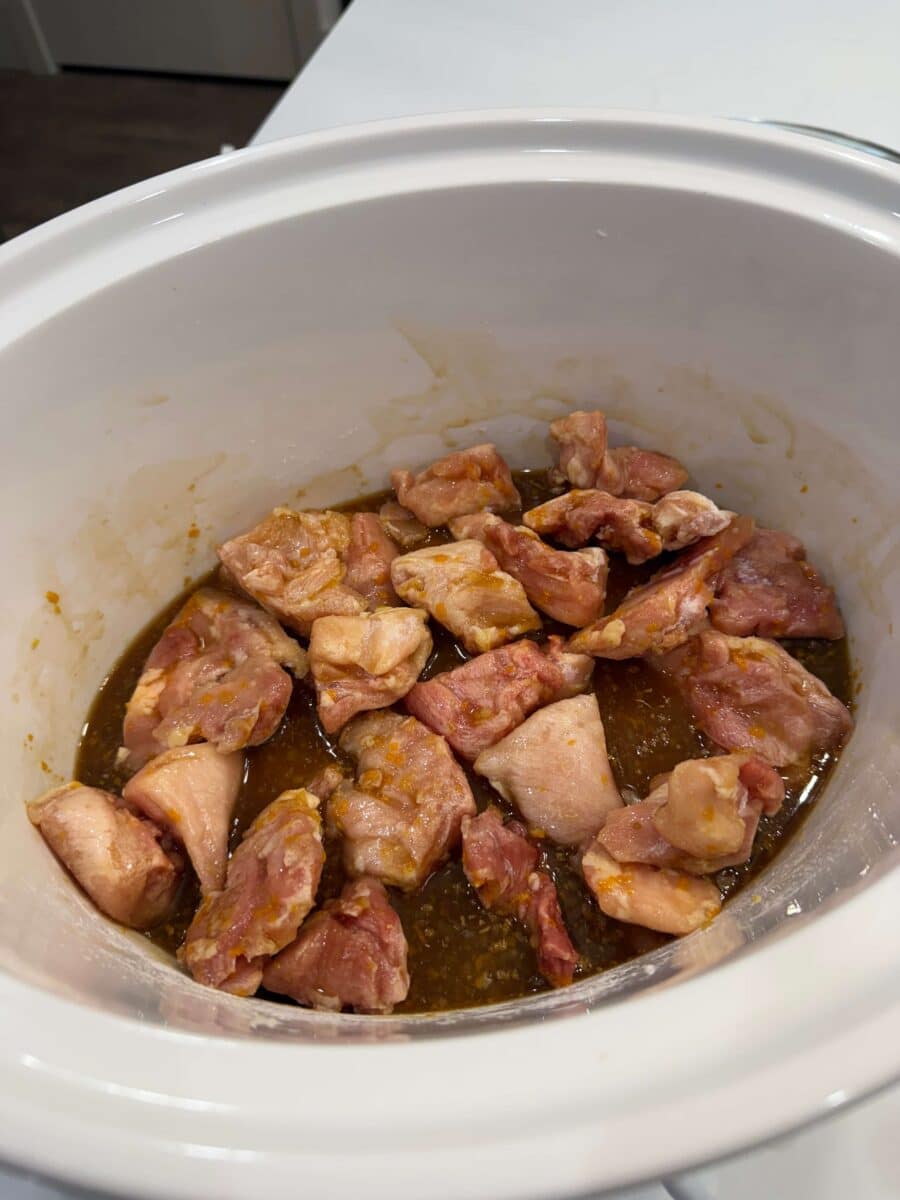
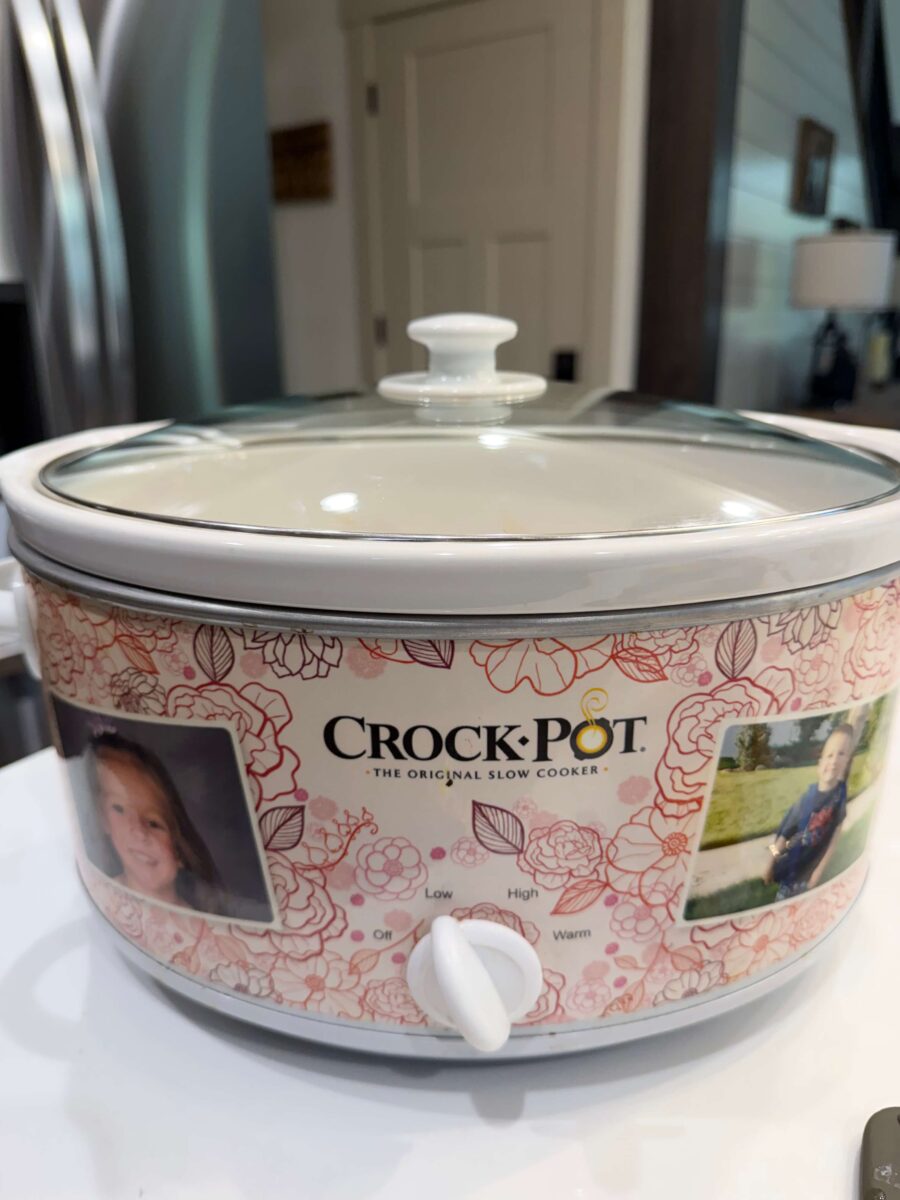
The process involves a specific sequence: the preparation of a base sauce using fresh orange juice, zest, soy sauce, brown sugar, ginger, garlic, and vinegar. This mixture acts as a braising liquid. By adding bite-sized pieces of chicken thighs—a cut favored for its moisture retention during long cooking times—the proteins absorb the aromatics during the two-to-three-hour window on a low heat setting. The addition of flour serves as a thickening agent, creating a cohesive glaze that coats the meat without the necessity of a heavy breading layer.
The Nutritional and Logistical Implications
From a nutritional standpoint, the elimination of the breading and frying components fundamentally alters the dish’s profile. A traditional restaurant portion of orange chicken can contain upwards of 1,000 calories and significant amounts of trans fats due to the oil absorption during deep-frying. In contrast, the slow-cooker method utilizes the chicken’s own fats and the natural sugars from the citrus glaze, resulting in a cleaner flavor profile that is generally lower in caloric density.
Furthermore, the logistical shift of moving this dish from a specialized wok-based preparation to a programmable slow cooker provides a distinct advantage for urban dwellers and families. Data from recent consumer lifestyle surveys suggest that households with at least one slow cooker or multi-cooker are 40% more likely to prepare dinner at home rather than ordering takeout. This, in turn, has economic implications for the consumer, as the cost of ingredients for a batch of Hayden’s California Orange Chicken is significantly lower than a comparative meal purchased through third-party food delivery services.
Comparative Analysis of Preparation Methods
While the slow cooker is the primary vehicle for this recipe, the methodology allows for a degree of flexibility that is rarely possible with high-heat stir-frying. Culinary analysts point out that slow cooking allows for the "marination-by-braising" effect, where the ginger and garlic compounds penetrate deeper into the protein fibers.
For those requiring immediate results, the recipe can be adapted for stovetop preparation. By browning the chicken in a pan and simmering the sauce to a reduction, the same flavor profile can be achieved in roughly 20 minutes. This versatility is a hallmark of modern home cooking, where recipes are increasingly designed to be "method-agnostic."
Broader Impact on Home Cooking Trends
The rise of such recipes signals a decline in the intimidation factor associated with cooking global cuisines at home. By demystifying the preparation of orange chicken, home cooks are becoming more experimental with other Asian-inspired dishes. The inclusion of ingredients like rice vinegar and fresh grated ginger indicates a trend toward "scratch cooking," where consumers are moving away from pre-packaged, sodium-heavy meal kits in favor of buying individual, high-quality components.
The influence of regional preferences—such as the "California" influence, which often emphasizes lighter, citrus-forward, and fresh-produce-heavy profiles—is also shaping how these recipes are marketed and shared. This regionality adds a layer of personalization to a dish that was previously viewed as a generic, uniform fast-food item.
The Role of Digital Kitchen Communities
The dissemination of this recipe, particularly via platforms that allow for easy saving and cataloging, underscores the role of digital ecosystems in modern culinary instruction. Features such as "Cook Mode," which prevents screens from dimming during preparation, and the ability to filter by dietary needs (such as low-carb or gluten-free), reflect an era where users demand accessibility alongside culinary quality.
The integration of such tools ensures that even novice cooks can navigate complex preparation steps with precision. The trend of linking recipes to broader roundups, such as slow-cooker tacos, adobos, or kormas, suggests that users are looking for a complete repertoire of appliance-based cooking skills.
Future Outlook for Home-Style International Cuisine
Looking ahead, the movement toward simplified, healthy adaptations of classic comfort foods shows no sign of slowing. As consumers continue to balance the pressures of time with the desire for high-quality, flavorful meals, the reliance on smart, efficient cooking methods will likely increase.
The success of Hayden’s California Orange Chicken is a microcosm of a larger phenomenon: the democratization of the kitchen. By stripping away the unnecessary technical hurdles of professional cooking—such as managing high-heat fryers—the average home cook is empowered to reclaim their time and their health. The longevity of this trend will likely be supported by the continuous improvement of cooking hardware, which will continue to offer even greater precision in temperature control and automation.
Ultimately, the goal of such recipes is to prove that "convenience" and "quality" are not mutually exclusive. As more households embrace this approach, the standard for a "simple weeknight dinner" will continue to shift away from processed, convenience-store-style meals toward vibrant, nutrient-dense, and deeply flavorful home-cooked alternatives. Whether it is a college student in a dorm or a busy parent balancing a professional career, the accessibility of such recipes serves as a vital component of a modern, balanced lifestyle.
