
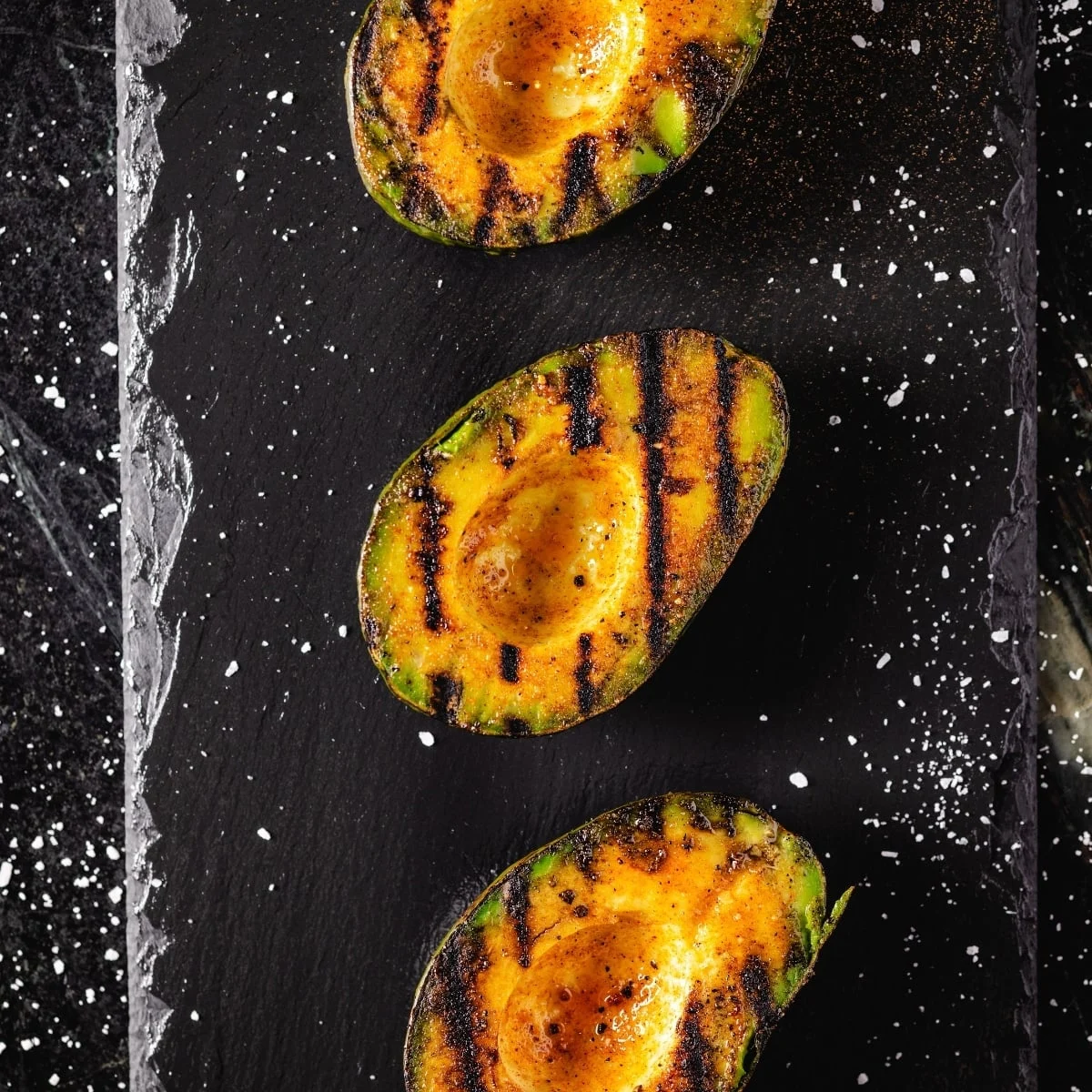
The culinary landscape of backyard barbecuing is undergoing a significant transformation as traditional meat-centric menus expand to include sophisticated plant-based options. At the forefront of this movement is the grilled avocado, a dish that leverages the high-heat capabilities of modern outdoor cooking to redefine a staple of contemporary diets. Developed by Susie Bulloch, the founder of the prominent BBQ platform Hey Grill Hey, this recipe utilizes a streamlined five-ingredient approach to convert the fruit’s naturally creamy texture into a smoky, charred delicacy. By applying high heat for a precise duration of five minutes, the process achieves a unique contrast between a warm, caramelized exterior and a rich, buttery interior, offering a versatile side dish or base for more complex culinary applications.
The Evolution of Avocado Consumption and Grilling Trends
To understand the significance of the grilled avocado, one must examine the broader context of the avocado’s rise in global gastronomy. Over the past two decades, the avocado has transitioned from a niche regional fruit to a global commodity. According to data from the United States Department of Agriculture (USDA), per capita consumption of avocados in the U.S. has tripled since the early 2000s, now exceeding eight pounds per person annually. The Hass variety, characterized by its pebbly skin and high oil content, accounts for approximately 80% of global consumption and is the preferred cultivar for grilling due to its structural integrity under heat.

Simultaneously, the "outdoor kitchen" movement has seen a surge in popularity. No longer restricted to hot dogs and hamburgers, backyard chefs are increasingly experimenting with techniques such as cold smoking, reverse searing, and high-heat fruit charring. The grilled avocado sits at the intersection of these two trends, providing a nutrient-dense, vegetarian-friendly option that satisfies the desire for the "smoky char" typically associated with grilled proteins.
Chronology of the Grilling Process: From Preparation to Plating
The execution of the grilled avocado is a systematic process that requires attention to temperature and timing to avoid over-softening the fruit. The following chronology outlines the standard procedure for achieving optimal results:
- Selection and Slicing: The process begins with the selection of ripe, yet firm, avocados. Overly ripe fruit may lose its shape on the grill grates. Each avocado is halved lengthwise, and the central pit is removed. The skin is left intact to serve as a natural bowl, protecting the delicate flesh from direct contact with the grates and making it easier to handle with tongs.
- Surface Preparation: Once halved, the cut side of the avocado is brushed with a light coating of oil. This serves two purposes: it facilitates the Maillard reaction (the chemical reaction between amino acids and reducing sugars that gives browned food its distinctive flavor) and prevents the fruit from adhering to the metal grates.
- Seasoning Application: The seasoned profile is established using a specialized BBQ rub. In the Hey Grill Hey method, a "Sweet Rub" is applied, which typically incorporates brown sugar, paprika, and salt. This creates a flavor bridge between the natural fat of the avocado and the smokiness of the grill.
- High-Heat Searing: The avocados are placed cut-side down on a preheated grill set to high heat. This stage lasts approximately three to five minutes. The objective is not to cook the avocado through, but to achieve distinct grill marks and a slight caramelization of the surface seasoning.
- Finishing and Serving: After removal from the heat, the avocados are finished with a squeeze of fresh lime juice and a sprinkle of sea salt. The acidity of the lime cuts through the richness of the monounsaturated fats, balancing the overall palate.
Nutritional Analysis and Health Implications
From a nutritional standpoint, the grilled avocado offers a robust profile that distinguishes it from traditional, often calorie-dense BBQ side dishes like potato salad or coleslaw. Based on the data provided by the recipe’s nutritional calculator, a single serving (approximately half an avocado with seasoning) contains:

- Calories: 196 kcal
- Total Fat: 18g (primarily monounsaturated fats)
- Dietary Fiber: 7g
- Potassium: 497mg
- Vitamin C: 11mg
The high concentration of monounsaturated fats, specifically oleic acid, has been linked in numerous clinical studies to reduced inflammation and improved cardiovascular health. Furthermore, the presence of 497mg of potassium per serving makes the avocado a superior source of this essential electrolyte compared to many other fruits. The fiber content also contributes to a lower glycemic index, making the dish suitable for various dietary regimens, including ketogenic and Mediterranean diets. By grilling the avocado, the heat may slightly alter the bioavailability of certain antioxidants, such as lutein and zeaxanthin, though the primary nutritional value remains largely intact.
The Science of Heat and Texture Transformation
The application of dry heat to an avocado initiates several physical and chemical changes. Unlike many vegetables that become fibrous when cooked, the avocado’s high lipid content allows it to soften without losing its emulsion-like consistency. The "smoky" flavor noted by culinary experts is the result of volatile organic compounds (VOCs) from the grill—whether gas, charcoal, or wood pellet—adhering to the oiled surface of the fruit.
When the Sweet Rub, containing sugars and spices, meets the high-heat surface, the sugars undergo caramelization. This provides a subtle crunch and a sweet-savory complexity that contrasts with the mild, nutty flavor of the raw fruit. Professional chefs often refer to this as "flavor layering," where the initial taste is the bright acidity of lime, followed by the savory rub, and ending with the creamy, warm finish of the avocado itself.

Versatility in Modern Culinary Applications
While the grilled avocado is frequently consumed directly from the shell with a spoon, its utility as a component in larger dishes is a key factor in its popularity. Inferred responses from the culinary community suggest several high-impact uses:
- The "Grilled Guacamole" Innovation: By mashing the charred halves after grilling, chefs can create a guacamole with a deeper, more complex flavor profile than the standard raw version.
- Protein Accompaniment: Grilled avocados serve as an effective substitute for cheese or heavy sauces on burgers and sandwiches, providing creaminess with a healthier fat profile.
- Salad Integration: Slicing the grilled halves into wedges adds a warm element to cold salads, such as a Southwest-style Cobb or a charred corn and bean medley.
- Taco Fillings: In plant-based taco preparations, the grilled avocado provides the "heaviness" and mouthfeel typically provided by grilled meats, making it a staple for vegetarian "street tacos."
Industry Perspectives: Susie Bulloch and the "Backyard BBQ Hero" Concept
Susie Bulloch, the founder of Hey Grill Hey, has built a significant following by demystifying complex BBQ techniques for the home cook. Her approach to the grilled avocado reflects a broader mission to empower individuals to become "Backyard BBQ Heroes." Through her website, mobile application, and YouTube channel, Bulloch emphasizes that high-quality outdoor cooking does not always require 12-hour smoke times or expensive cuts of brisket.
Bulloch’s influence in the industry is notable; her recipes have been featured on major platforms such as the Food Network, and she has collaborated with high-profile figures like Shaquille O’Neal. Her advocacy for simple, high-impact recipes like the grilled avocado has contributed to the democratization of grilling, moving it away from a "secret society" of pitmasters toward a more inclusive, family-oriented activity.

Broader Impact on Outdoor Dining and Environmental Context
The adoption of grilled avocados also reflects a shift toward "inclusive grilling." As more households accommodate diverse dietary needs—including vegan, gluten-free, and paleo requirements—the ability to produce a high-flavor dish that meets all these criteria is invaluable for social gatherings.
However, the popularity of avocados is not without its global implications. The environmental impact of avocado farming, particularly regarding water usage in regions like Michoacán, Mexico, and parts of California, remains a topic of discussion among sustainability experts. As consumers continue to integrate avocados into their BBQ routines, there is a growing movement toward sourcing "fair trade" or "sustainably grown" certifications to ensure that the culinary trend does not come at an undue environmental cost.
Conclusion
The Simple Grilled Avocado recipe represents more than just a quick side dish; it is an emblem of the modern BBQ era, where efficiency, health consciousness, and flavor complexity coexist. By utilizing a few pantry staples and a standard grill, home cooks can transform a familiar fruit into a sophisticated culinary experience. As the trend toward diverse, plant-forward outdoor cooking continues to grow, the grilled avocado is likely to remain a foundational element of the contemporary backyard menu, bridging the gap between traditional techniques and modern dietary preferences. Through the guidance of experts like Susie Bulloch, the art of the grill continues to evolve, proving that sometimes the most impactful dishes are those that require the least amount of time, provided they are executed with the right technique and a "touch of grill love."
