
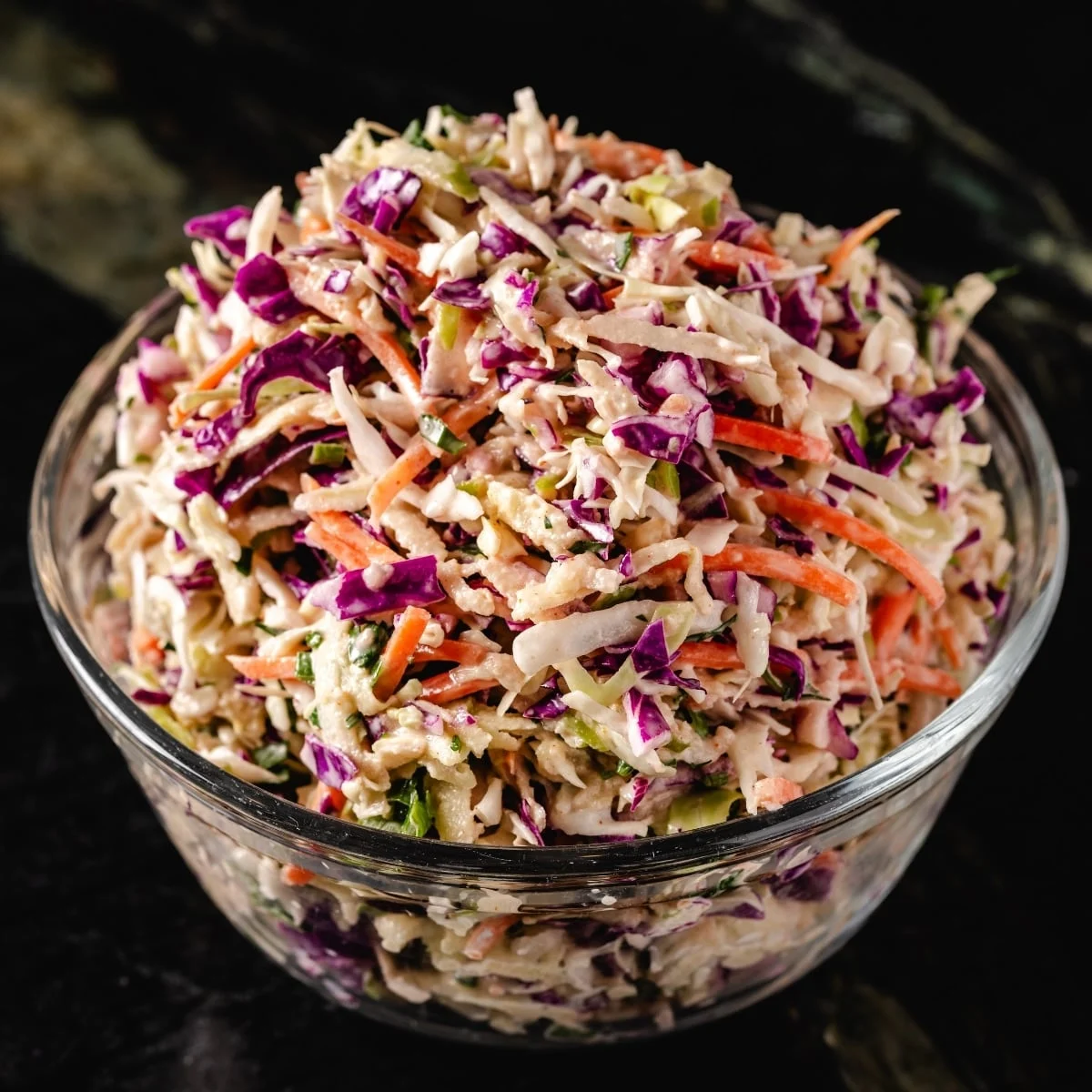
The landscape of American outdoor cooking is undergoing a significant transformation as pitmasters and home enthusiasts alike move beyond traditional staples toward more complex, flavor-balanced accompaniments. At the forefront of this shift is the introduction of the Homemade Apple Slaw, a dish developed by culinary expert and "Hey Grill Hey" founder Susie Bulloch. This recipe, which integrates the tartness of Granny Smith apples with the savory depth of a proprietary BBQ rub, represents a broader trend in the gastronomic community: the elevation of the side dish from a secondary afterthought to a critical component of the barbecue experience. By utilizing a specific blend of shredded cabbage, carrots, and fresh herbs tossed in a creamy, tangy dressing, this iteration of coleslaw aims to address a common criticism of the traditional side—its tendency to be "one-note" or overly saturated with mayonnaise.
The Composition and Culinary Science of Apple Slaw
The Homemade Apple Slaw is engineered to provide a structural and flavor contrast to the heavy, smoke-infused profiles of brisket, pulled pork, and grilled chicken. The primary ingredient, the Granny Smith apple, is selected for its high acidity and firm cellular structure, which prevents the fruit from becoming mushy when exposed to the salt and vinegar in the dressing. From a chemical perspective, the malic acid found in these apples serves as a palate cleanser, cutting through the rendered fats and lipids characteristic of slow-smoked meats.

The slaw is further comprised of shredded green cabbage and carrots, providing a base of cruciferous crunch and earthy sweetness. The addition of fresh herbs—typically cilantro or parsley—introduces chlorophyll-based brightness, while the dressing utilizes a mixture of mayonnaise and apple cider vinegar to achieve a balanced pH level. A defining characteristic of this specific recipe is the inclusion of the "Sweet Rub," a seasoning blend that introduces notes of brown sugar, smoked paprika, and garlic. This integration of dry rub into a wet salad dressing bridges the gap between the meat’s seasoning and the side dish’s flavor profile, creating a cohesive dining experience.
Historical Context: From Koolsla to Modern Variations
To understand the significance of the Apple Slaw in today’s market, one must examine the chronology of cabbage-based salads. The term "coleslaw" originates from the Dutch phrase koolsla, meaning "cabbage salad." Records indicate that Dutch settlers in New York (then New Netherland) were preparing shredded cabbage salads as early as the late 17th century. However, the original versions were significantly different from modern iterations, often lacking the creamy mayonnaise base that became popular only after the mid-18th century following the invention of the emulsion in France.
Throughout the 19th and 20th centuries, coleslaw became a permanent fixture of the American South’s barbecue tradition. Regional variations emerged, such as the vinegar-heavy slaws of North Carolina and the mustard-based versions found in parts of South Carolina and Georgia. The introduction of fruit into these savory salads is a more recent evolution, reflecting a global culinary shift toward "sweet and savory" combinations. The Homemade Apple Slaw is the latest entry in this timeline, signaling a move toward "fusion" side dishes that prioritize texture and acidity over simple creaminess.

Market Trends and the Influence of Outdoor Cooking Experts
The release of specialized recipes like the Apple Slaw coincides with a massive surge in the outdoor cooking industry. According to data from the Hearth, Patio & Barbecue Association (HPBA), nearly 70% of all adults in the United States own a grill or smoker, and the market for barbecue accessories, including rubs and sauces, has seen exponential growth since 2020. Culinary influencers like Susie Bulloch play a pivotal role in this ecosystem. Bulloch, who has achieved recognition through the Food Network and multiple Guinness World Records, represents a new class of "BBQ Boss Ladies" who are diversifying a traditionally male-dominated field.
The "Hey Grill Hey" brand operates within a digital-first framework, utilizing mobile applications and social media platforms to disseminate recipes to millions of home cooks. This democratization of professional-grade culinary techniques has led to a more discerning consumer base. Home cooks are no longer satisfied with store-bought, pre-packaged slaws; there is a documented preference for "homemade" and "from-scratch" components that offer transparency in ingredients and a higher nutritional yield.
Nutritional Profile and Health Implications
While barbecue is often associated with high-calorie intake, the Apple Slaw offers a relatively nutrient-dense alternative to traditional sides like mac and cheese or potato salad. According to nutritional data provided for a standard six-serving batch, the slaw contains approximately 205 calories per serving.

The inclusion of raw cabbage and carrots provides a significant source of Vitamin A (2199 IU) and Vitamin C (26 mg), which are essential for immune function and skin health. Furthermore, the dish offers 4 grams of dietary fiber, which aids in digestion—a crucial factor when consuming protein-heavy meals. The fat content (14g) is primarily derived from the mayonnaise base, though the recipe’s emphasis on "light and bright" dressing suggests a lower fat-to-vegetable ratio than industrial-scale coleslaws. For health-conscious consumers, the use of fresh fruit provides a natural source of sugar (13g) as opposed to processed high-fructose corn syrup often found in commercial dressings.
Technical Preparation and Professional Insights
Achieving the desired consistency in an apple-based slaw requires specific technical maneuvers. Culinary professionals suggest that the "crispness" of the dish is its most vital attribute. According to Bulloch’s technical guidance, there are several "pro tips" that elevate the final product:
- Oxidation Management: To prevent the julienned Granny Smith apples from browning (enzymatic browning), they must be tossed in the acidic dressing immediately after slicing.
- Texture Control: Using a mandoline or a high-quality food processor for the cabbage ensures a uniform "shred," which allows the dressing to coat every surface area evenly without drowning the vegetables.
- The "Sweating" Process: While some chefs recommend salting cabbage to draw out moisture before dressing, the Apple Slaw recipe prioritizes immediate service to maintain the "crunch" that contrasts with tender smoked meat.
Leftovers present a challenge in slaw preparation. Due to the osmotic pressure of salt and sugar in the dressing, the vegetables will eventually release their internal water, leading to a thinner sauce and softer texture. Expert recommendations suggest a storage limit of 3 to 4 days in a refrigerated, airtight environment, though peak quality is reached within the first two hours of preparation.

Broader Impact on the Barbecue Industry
The focus on high-quality side dishes like Homemade Apple Slaw has broader implications for the restaurant and hospitality sectors. As consumers become more educated through digital platforms, professional barbecue joints are under increasing pressure to innovate their menus. The "standard" side of white bread and a pickle is being replaced by artisanal salads and fruit-infused slaws.
Furthermore, the success of proprietary seasonings—like the Sweet Rub used in this recipe—highlights a shift in the business model for culinary creators. Rather than relying solely on advertising revenue, influencers are building vertical integrations, selling the very ingredients required to execute their viral recipes. This creates a feedback loop where the recipe drives product sales, and the product, in turn, ensures the consumer can replicate the "legendary" flavor at home.
Conclusion: The Future of the Backyard Cookout
The Homemade Apple Slaw is more than a simple recipe; it is a symptom of a more sophisticated American palate. By combining the historical foundations of the Dutch koolsla with modern flavor-balancing techniques and professional-grade seasonings, the dish provides a roadmap for the future of outdoor dining. As the "Backyard BBQ Hero" culture continues to grow, the emphasis will likely remain on dishes that offer a multi-sensory experience—combining the crunch of a fresh apple, the tang of cider vinegar, and the complex spice of a well-crafted rub. In the evolving world of gastronomy, it is clear that the sides are no longer just sitting on the edge of the plate; they are central to the story of the meal.
