
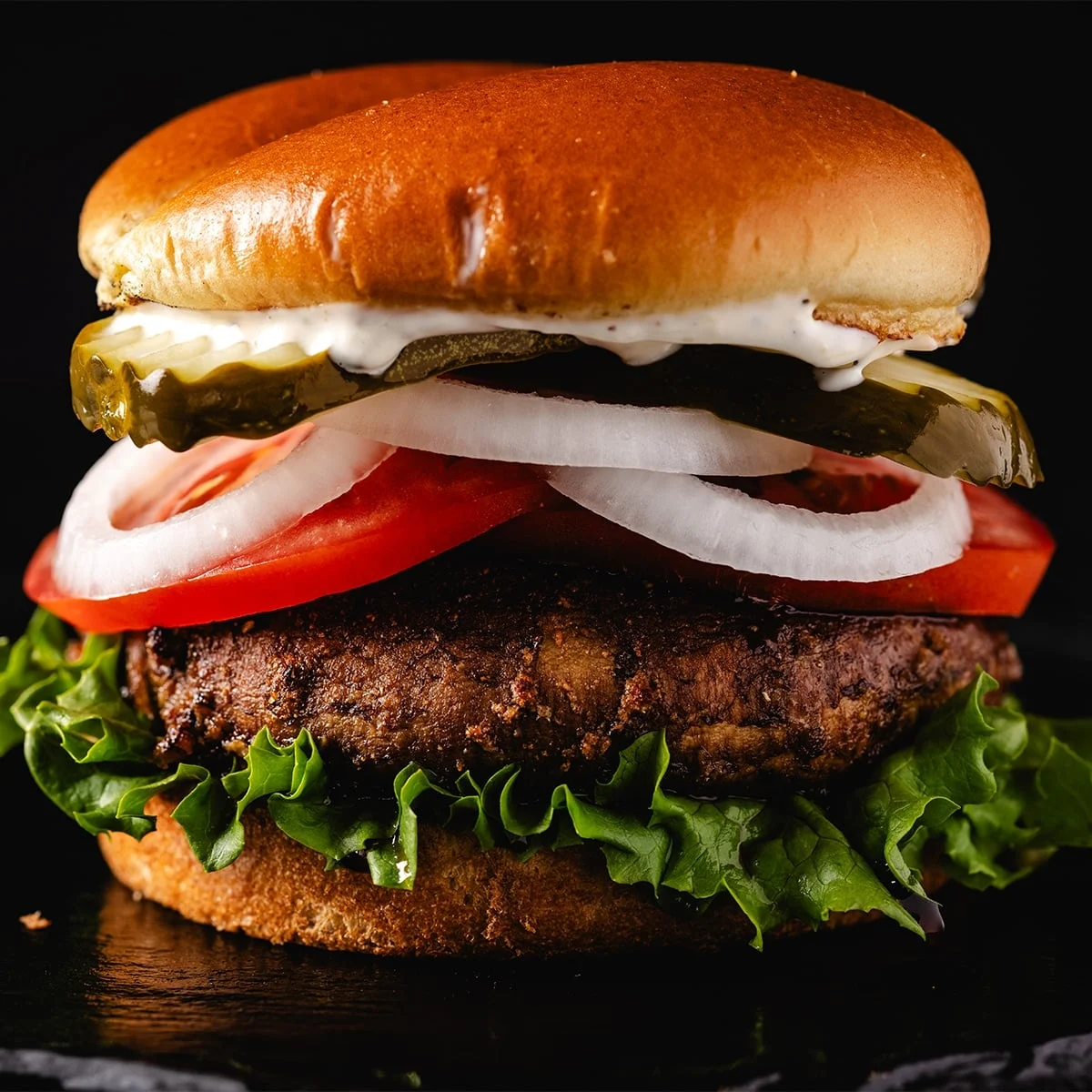
The evolution of contemporary outdoor cooking has seen a significant shift toward the inclusion of plant-based alternatives that utilize traditional barbecue techniques to achieve complex flavor profiles. Central to this movement is the grilled portobello mushroom burger, a dish that leverages the dense, meaty texture of the Agaricus bisporus species to provide a substantial alternative to the standard beef patty. By employing a systematic approach to marination and high-heat searing, culinary practitioners are able to transform the earthiness of the mushroom into a savory, umami-rich centerpiece. This specific iteration of the portobello burger utilizes a specialized beef rub and a balsamic-based marinade, finished with a lemon garlic aioli, to bridge the gap between traditional smokehouse flavors and modern dietary preferences.
The Culinary Profile of the Portobello Mushroom
The portobello mushroom is essentially a mature cremini mushroom, allowed to grow until the cap fully expands and the gills are exposed. This maturation process results in a significant loss of moisture, which concentrates the flavor and creates a texture often described as "steak-like." In a professional culinary context, the portobello is prized for its versatility and its ability to absorb external flavors through its porous structure.
Nutritionally, the portobello offers a distinct profile that appeals to health-conscious consumers. A single large cap contains approximately 20 to 30 calories before preparation, yet it provides a source of copper, selenium, and B vitamins such as riboflavin and niacin. However, when prepared as a burger with brioche buns, aioli, and seasonings, the caloric density increases to approximately 634 kcal per serving. This balance of vegetable-based nutrients and indulgent toppings makes the dish a staple for "flexitarian" diners who seek the satisfaction of a burger without the reliance on animal protein.

The Evolution of Plant-Based Barbecue Culture
The integration of whole-food plant alternatives into the barbecue circuit represents a departure from the "veggie burgers" of previous decades, which were often processed patties composed of soy or gluten. Industry data indicates a rising demand for "clean label" plant-based options—dishes where the primary ingredient is recognizable and minimally processed.
Market research suggests that the global mushroom market is projected to grow significantly through the late 2020s, driven by a consumer base that increasingly views fungi as a functional food. Within the realm of competitive and recreational barbecue, experts like Susie Bulloch of Hey Grill Hey have championed the idea that the grill is a tool for flavor development regardless of the protein source. The adoption of "beef rubs" and charcoal-fired techniques for vegetables signifies a maturation of the BBQ industry, where the focus has shifted from the meat itself to the mastery of fire and seasoning.
Technical Methodology: A Chronology of Preparation
Achieving the desired texture in a grilled portobello requires a specific chronological sequence of events to ensure the mushroom remains tender without becoming saturated or "rubbery."
Phase 1: Preparation and Cleaning
The process begins with the selection of four large portobello mushroom caps. Professional standards dictate that mushrooms should be cleaned with a damp paper towel rather than submerged in water, as their porous nature causes them to absorb excess liquid, which hinders the charring process. The stems are removed to create a flat surface for even heat distribution.

Phase 2: The Marination Cycle
The marinade serves as the primary vehicle for flavor infusion. A mixture of balsamic vinegar, oil, and a signature beef rub is utilized. The acidity of the balsamic vinegar acts as a tenderizer, breaking down the fibrous structure of the mushroom, while the oil facilitates heat transfer on the grill. The mushrooms are typically marinated for 30 to 60 minutes. Extended marination beyond two hours is generally discouraged, as the salt content in the rub can draw out too much moisture, leading to a shriveled end product.
Phase 3: High-Heat Grilling
The application of heat is the most critical stage. While gas and pellet grills are viable options, charcoal is the preferred medium for this recipe due to the higher dry heat and the infusion of carbon-based smokiness.
- Ignition: The grill is stabilized at a high temperature (approximately 400-450°F).
- Searing: The caps are placed gill-side up first to allow the marinade to pool and penetrate the cap.
- The Flip: After approximately 4–5 minutes, or once distinct char marks appear, the caps are inverted.
- Final Softening: The mushrooms are grilled for an additional 4 minutes until the texture is pliable and the exterior is slightly crisp.
Phase 4: Assembly and Emulsification
The final stage involves the construction of the burger. The use of a brioche bun provides a buttery, slightly sweet contrast to the acidic marinade. A lemon garlic aioli—a stable emulsion of oil, egg yolk (or mayonnaise base), citrus, and garlic—is applied to provide a "bright" finish that cuts through the earthy weight of the mushroom. Standard garnishes including leaf lettuce, sliced red onion, and vine-ripened tomatoes are added to provide textural variety.
Flavor Engineering and Ingredient Synergy
The success of the Grilled Portobello Mushroom Burger relies on the concept of flavor synergy. Each component is selected to balance the five basic tastes:

- Umami: Provided by the mushroom itself and enhanced by the savory elements of the beef rub.
- Acidity: Delivered through the balsamic vinegar and the lemon juice in the aioli.
- Sweetness: Found in the caramelization of the balsamic glaze and the brioche dough.
- Salt: Introduced via the seasoning rub to heighten all other flavors.
- Bitterness: Achieved through the charring of the mushroom cap over charcoal.
The "Beef Rub" mentioned in the protocol typically contains a blend of coarse salt, cracked black pepper, garlic powder, and onion powder. By applying a seasoning designed for brisket or steaks to a vegetable, the cook creates a "sensory bridge" for the diner, making the transition from meat to mushroom less jarring.
Supporting Data and Nutritional Analysis
A detailed breakdown of the nutritional content per serving provides insight into the dietary impact of this dish. While often perceived as a "light" alternative, the inclusion of fats for flavor results in a robust nutritional profile:
- Total Calories: 634 kcal
- Fat Content: 55g (Total), 8g (Saturated)
- Carbohydrates: 30g
- Protein: 8g
- Sodium: 1425mg
- Fiber: 3g
The high fat content is primarily attributed to the oil in the marinade and the mayonnaise base of the aioli. The sodium level, at 1425mg, represents a significant portion of the recommended daily intake, emphasizing the role of the beef rub in the flavor profile. For those seeking to reduce caloric intake, modifications to the aioli and the bun selection are the most effective variables.
Industry Implications and Expert Perspectives
The rise of the "Backyard BBQ Hero" who cooks for diverse dietary needs has changed the landscape of social gatherings. Inferred reactions from the culinary community suggest that providing a high-quality vegetarian option is no longer an "afterthought" but a mark of a skilled host.

Professional pitmasters note that the portobello burger is often the first item to disappear at mixed-diet gatherings because it offers a "novelty factor" that traditional burgers lack. The visual appeal of a charred, glistening mushroom cap stacked with fresh vegetables provides a "health halo" effect, even when the caloric count is comparable to a standard cheeseburger. Furthermore, the ease of preparation allows the cook to manage multiple orders simultaneously, as the mushroom caps have a more predictable cooking time than various weights of ground beef.
Broader Impact and Conclusion
The Grilled Portobello Mushroom Burger is more than a recipe; it is a representation of the democratization of the grill. As environmental and health concerns continue to influence global eating habits, the ability to apply traditional fire-cooking methods to non-meat ingredients will remain a vital skill in the culinary arts.
This dish proves that the essence of barbecue—the interaction of smoke, salt, and heat—is not exclusive to animal proteins. By treating the portobello mushroom with the same technical rigor as a prime cut of beef, cooks can produce a result that is objectively delicious and inclusive. As the BBQ community continues to expand, recipes that prioritize flavor and texture through sophisticated technique will likely define the next generation of outdoor cooking. The integration of bright acidity from lemon-garlic emulsions and the deep complexity of balsamic reductions ensures that the portobello burger remains a sophisticated, permanent fixture on the modern grill.
