
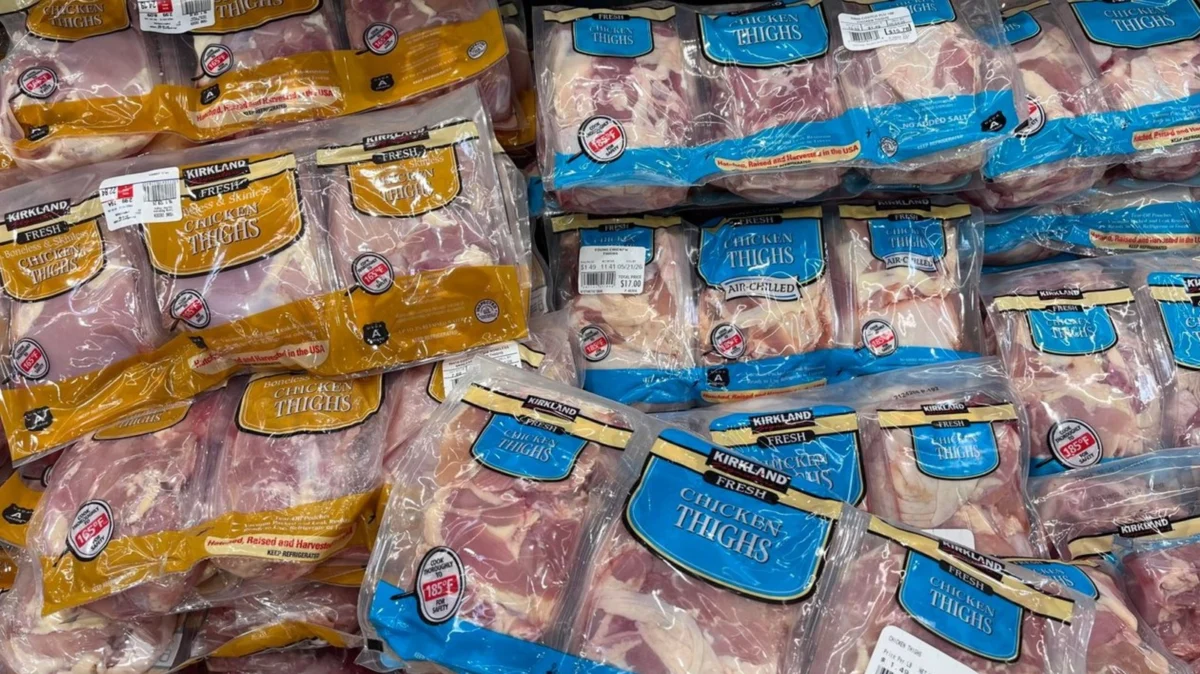
For decades, Costco Wholesale Corporation has maintained a reputation as the premier destination for bulk grocery shopping, with its meat department serving as a cornerstone of its value proposition. By sourcing high volumes of beef, poultry, and pork, the warehouse giant has historically provided members with a balance of competitive pricing and high-quality proteins. However, recent shifts in consumer sentiment suggest a growing friction between the company’s traditional quality standards and the current shopping experience. Across digital forums and customer feedback channels, a recurring narrative has emerged: a perceived decline in the consistency and value of Costco’s meat offerings.
The Evolution of Consumer Expectations and Market Realities
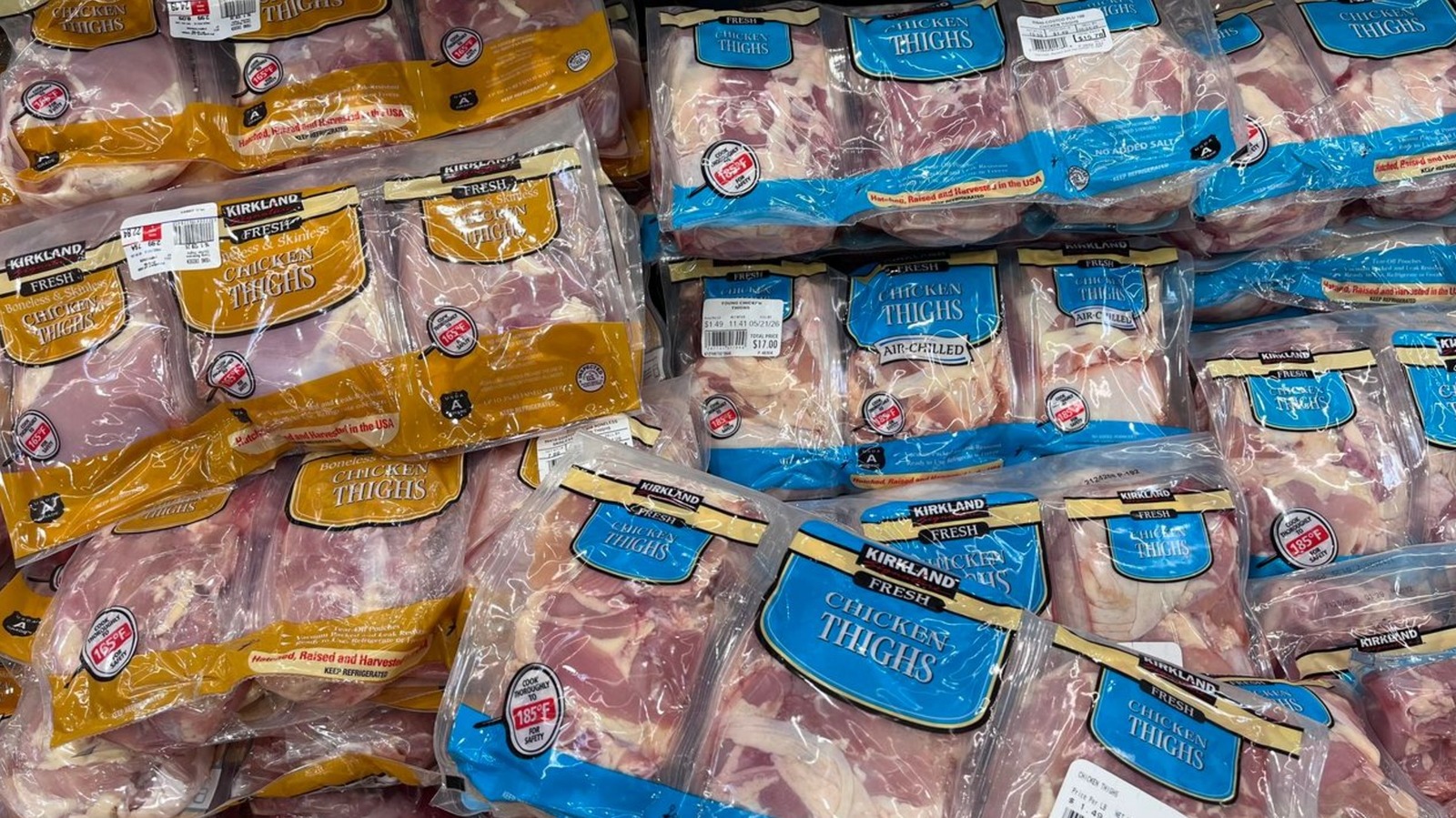
The current wave of dissatisfaction must be viewed within the broader context of the post-pandemic food supply chain. Since 2020, the global meat industry has faced unprecedented volatility, characterized by labor shortages, rising logistics costs, and significant inflationary pressures. According to the Bureau of Labor Statistics (BLS), the Consumer Price Index for meat, poultry, fish, and eggs saw sharp double-digit percentage increases between 2021 and 2023. These macroeconomic factors have forced retailers to navigate a difficult landscape: either absorb costs and sacrifice margins, or pass the price increases to the consumer, often while dealing with supply chain interruptions that affect product freshness and consistency.
For Costco, the challenge is amplified by its membership-based model, which relies on the promise of "wholesale value." When the perceived quality of the product drops, the value proposition—the very reason members pay annual dues—is fundamentally compromised.
A Chronology of Declining Sentiment
The trend of negative feedback regarding Costco’s meat department appears to have accelerated over the past 24 to 36 months. While isolated complaints are common in retail, the frequency of threads on platforms like Reddit’s r/Costco suggests a systemic issue rather than localized anomalies.
Early reports in 2022 began to highlight issues with "woody" chicken breast—a physiological condition in broilers characterized by a hard, fibrous, and stringy texture. By 2023, the complaints expanded to include inconsistent packaging, such as the inclusion of discolored or older cuts within vacuum-sealed beef packages. Throughout 2024, the discourse shifted toward price-to-value ratios, with members frequently citing that the "bulk discount" has effectively evaporated as unit prices climb alongside quality concerns.
Analysis of Primary Customer Grievances
1. The Prevalence of Woody Breast Syndrome
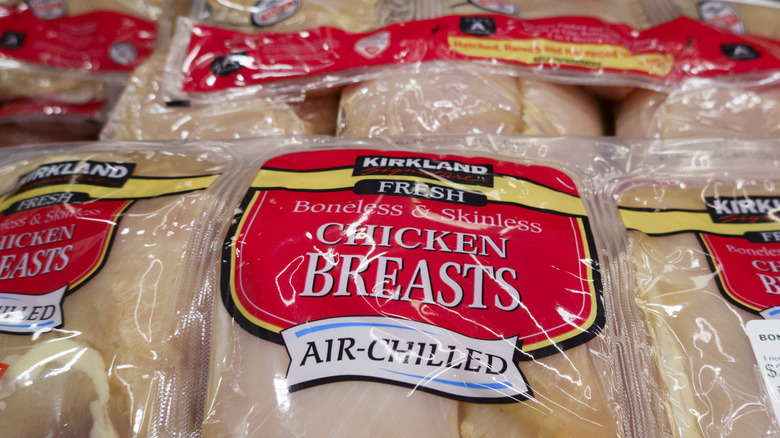
The most cited complaint regarding poultry is the presence of "woody" breast meat. This condition, which stems from the rapid growth rates required by industrial poultry farming to meet global demand, results in muscle tissue that is tough and unpalatable. While this is an industry-wide problem, Costco members expect a higher standard from the retailer’s Kirkland Signature brand. The persistence of this issue has led some customers to transition their shopping to organic or smaller-batch grocers, despite the higher price point, citing that the loss of edible meat at Costco makes the purchase uneconomical.
2. Premature Spoilage and Packaging Integrity
A concerning trend reported by shoppers involves meat that exhibits signs of spoilage or degradation well before the printed expiration date. Reports of ground beef developing a greyish hue or off-putting odors within 24 hours of purchase are common. Food safety experts suggest that such issues could stem from failures in the "cold chain"—the temperature-controlled supply chain that moves meat from the processing plant to the warehouse floor. Even minor temperature fluctuations during transit or loading can significantly reduce the shelf life of fresh proteins.
3. Pricing and Inflationary Pressures
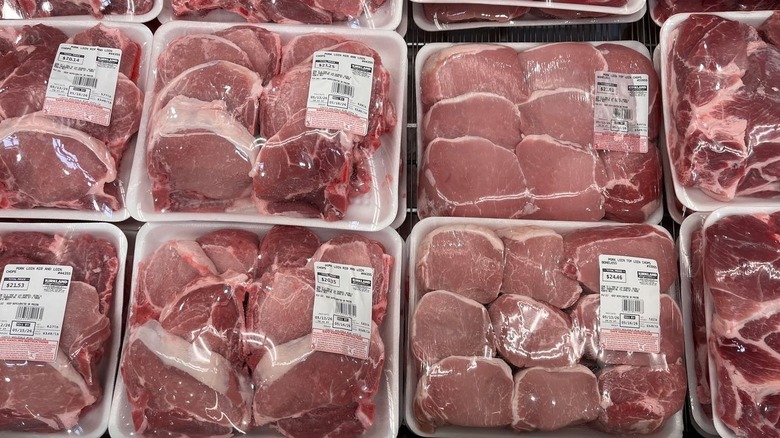
While grocery inflation is a universal phenomenon, Costco members appear particularly sensitive to price hikes due to the sheer volume of their purchases. When a consumer buys a $50 to $100 pack of steaks, any decline in quality feels like a significant financial loss. There have been documented instances where price labels appear to fluctuate rapidly, with some shoppers noting that identical products have seen price increases within the same week, leading to accusations of dynamic pricing or lack of transparency.
4. The Rotisserie Chicken Value Proposition
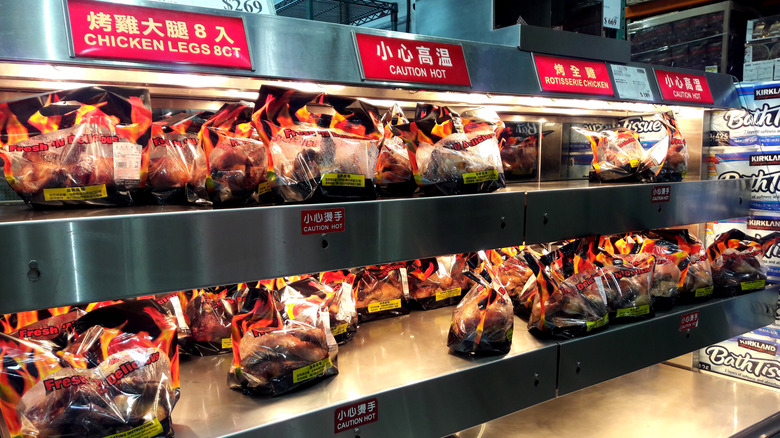
The Kirkland Signature rotisserie chicken is arguably the most iconic item in the store. Priced at $4.99 since 2009, it serves as a "loss leader" designed to draw traffic. However, recent feedback suggests a decline in the flavor profile and size of the birds. Some customers have reported a "chemical" aftertaste or an inconsistent texture, leading to speculation about changes in the brining process or the sourcing of the chickens themselves. While the price has remained steady, the perceived utility of the product has diminished for a segment of the customer base.
5. Inconsistency in Bacon and Processed Meats
The Kirkland Signature bacon has historically been hailed as a gold standard in the retail industry. However, recent consumer reports indicate a shift in fat-to-meat ratios and inconsistencies in slice thickness. Customers have observed that recent packages often contain an excess of fat and a lack of uniform structure, making the product difficult to cook evenly. These reports suggest that, as demand for bacon outstrips supply, the procurement standards may have been relaxed to maintain inventory levels.
Official Responses and Corporate Implications
Costco has historically maintained a policy of not responding to individual social media complaints, instead relying on its generous return policy to appease dissatisfied members. The company’s "100% satisfaction guarantee" allows members to return virtually any item, including perishables, for a full refund.
From a corporate standpoint, Costco’s leadership has consistently argued that their quality control measures are the most rigorous in the industry. However, the disconnect between internal standards and the consumer experience is becoming a notable public relations hurdle. Industry analysts suggest that if the company continues to ignore the chorus of complaints regarding meat quality, they risk eroding the brand loyalty that has defined their success for over four decades.
Broader Implications for the Retail Landscape
The situation at Costco serves as a case study for the challenges facing large-scale retailers in an era of supply chain instability. As food prices remain high, consumers are becoming more discerning. The "Costco effect"—where members trust the store’s curation—is under threat.
If the retailer intends to reverse this trend, it may need to re-evaluate its sourcing contracts and tighten oversight of the cold chain. For the average shopper, the current environment necessitates a more cautious approach: checking meat packaging for signs of discoloration, being vigilant about "best-by" dates, and utilizing the store’s return policy when products do not meet reasonable expectations. As the market continues to evolve, the burden of proof will remain on retailers to justify the premium placed on their brand names in an increasingly skeptical and price-conscious economy.
