
The Design Aesthetic and Historical Context
The appeal of the Dots series lies in its departure from the mid-century modern solid-color schemes that characterized earlier Pyrex lines. Renowned antique appraiser Dr. Lori recently highlighted these nesting bowls as standout pieces that frequently evade the notice of casual thrift store shoppers. The design features a distinct white base adorned with three rows of vibrant, colorful polka dots. The color palette—comprising orange, yellow, blue, and green—is graduated in size, with the largest dots appearing at the top of the bowl and the smallest at the base.
This design choice was deeply rooted in the cultural zeitgeist of the late 1960s. The visual language of the bowls mirrors the Pop Art movement, which sought to challenge traditional fine art boundaries by incorporating commercial imagery and bold, saturated colors. Artists like Andy Warhol and Roy Lichtenstein defined this era, and the Pyrex Dots pattern served as a kitchen-ready application of this aesthetic. Furthermore, the bowls lean into the "Op Art" (optical art) movement, which utilized geometric patterns to create illusions of depth and movement. By stacking the dots in rows, the designers created a rhythmic, kinetic appearance that elevated a standard mixing bowl into a piece of decorative art.
Chronology of Production (1968–1973)
The production window for the Dots pattern was relatively short, lasting only five years. This limited timeframe is a primary factor in the items’ current scarcity. During this period, Corning Glass Works released the bowls as individual items rather than pre-packaged sets, allowing consumers to purchase based on their specific needs.
- 1968: Launch of the Dots pattern, coinciding with the height of the psychedelic and Pop Art influence in American interior design.
- 1968–1970: Initial market saturation where the bowls were staples in department stores across the United States.
- 1973: Discontinuation of the Dots line. As kitchen design trends shifted toward the earthy tones of the mid-70s—such as avocado green and harvest gold—the vibrant, primary-colored Dots fell out of favor.
- 1980s–1990s: The bowls largely vanished from primary retail, entering a period of obscurity before the advent of online marketplaces revived interest in mid-century kitchenware.
- 2000s–Present: The rise of online auction platforms and social media collector communities has transformed these bowls into high-value assets, with a fully intact, pristine set serving as a significant indicator of a serious collection.
Market Valuation and Economic Impact
The shift in the market value for these bowls has been exponential. While originally sold for a few dollars, modern-day valuations reflect their status as rare antiques. Individual bowls in good condition—free of "dishwasher damage" (the loss of the colored finish due to abrasive detergents)—regularly trade for between $40 and $100. A complete, well-preserved set of four nesting bowls can fetch upwards of $450 to $600 in private auctions and specialized antique shops.
Professional appraisers note that the condition is the ultimate determinant of value. Because the pattern is painted onto the exterior of the glass, the paint is susceptible to scratching, fading, and chemical erosion. Collectors look for "shiny" finishes; any dullness or "flea bites" (small chips) on the rim can significantly devalue a piece. The presence of the original Pyrex backstamp, which includes the model number and capacity, serves as the primary verification tool for potential buyers. By referencing the model number against official Corning production catalogs, collectors can confirm whether a piece is an authentic vintage original or a reproduction.
Cultural Significance and Media Presence
The enduring popularity of the Dots bowls is not solely driven by collectors, but also by their consistent presence in popular media. Prop stylists and production designers have long utilized vintage Pyrex to ground kitchen sets in a specific, nostalgic reality. Notably, these bowls have appeared on major culinary programs, including Food Network staples such as Rachael Ray’s 30 Minute Meals and Alton Brown’s Good Eats.
The inclusion of these items in television programs serves a dual purpose: it reinforces the functionality of the product while simultaneously cementing its status as an iconic American cultural artifact. When a famous television chef uses a vintage piece, it validates the item as both a tool and a design object. This "halo effect" has undoubtedly contributed to the sustained demand among younger demographics, who may be looking to replicate the aesthetic of the kitchens they saw on television in their formative years.
Implications for Thrift Store Hunters
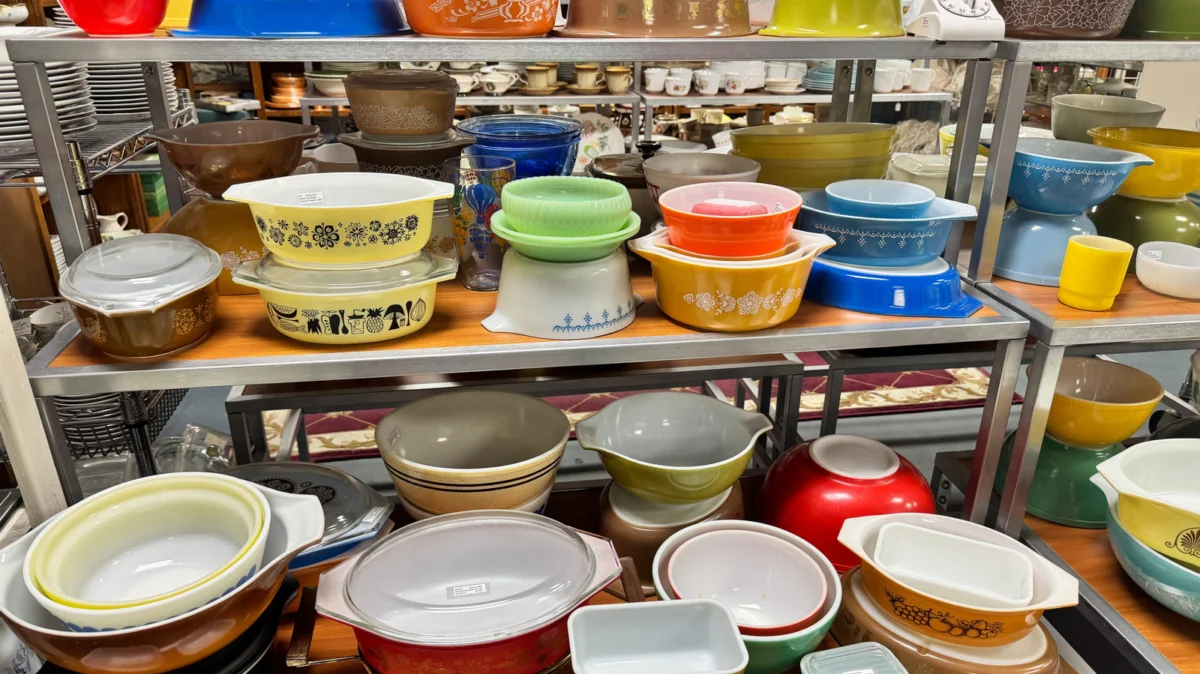
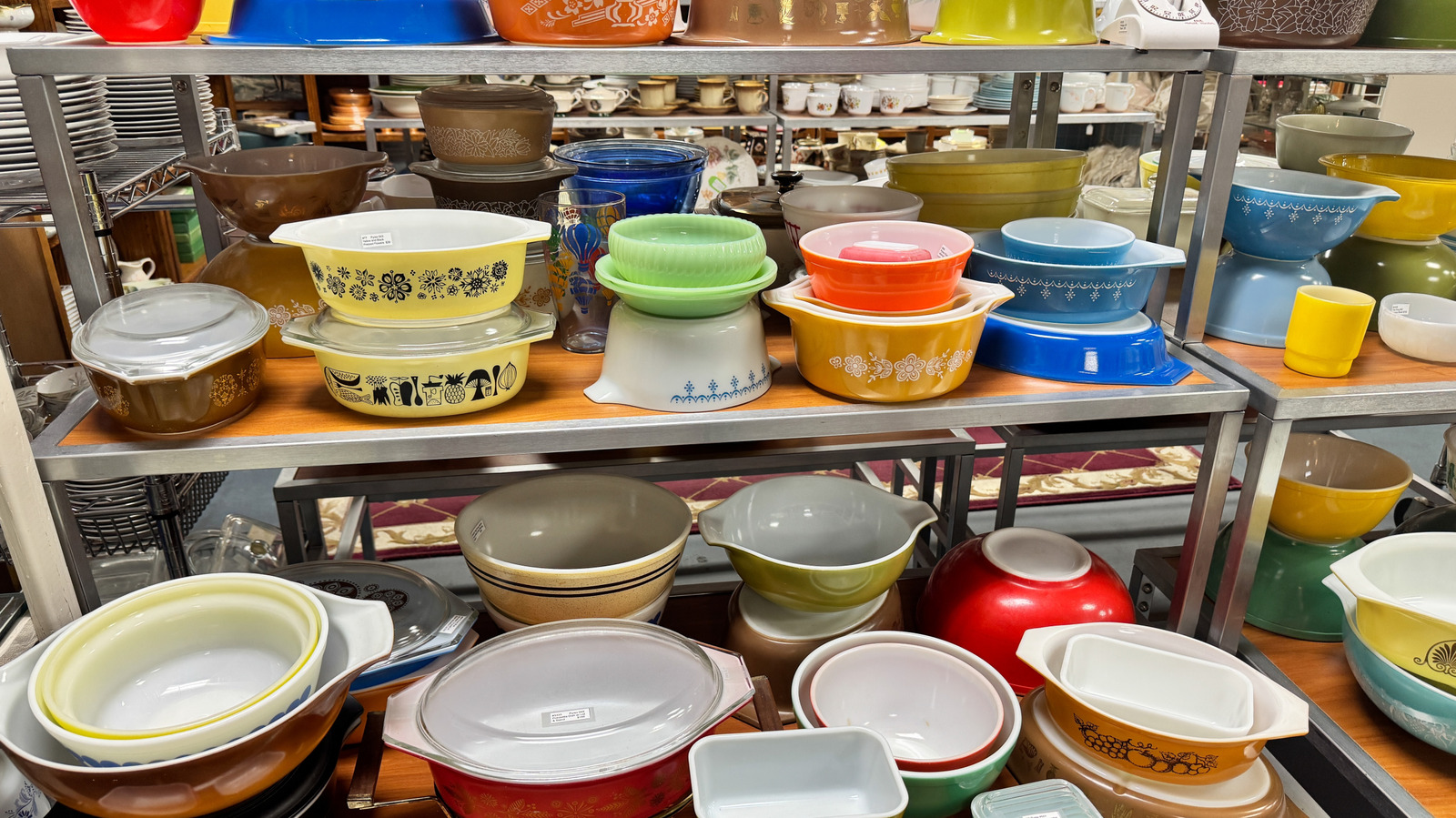
For the casual shopper, identifying a genuine Dot bowl requires a keen eye. Because these items are often misidentified as common kitchenware by non-specialist thrift store staff, they are frequently priced significantly below their market value. This creates an opportunity for "treasure hunting," where enthusiasts visit local donation centers in hopes of finding a piece priced for a few dollars that carries a market value of nearly $100.
However, experts caution that the market is currently saturated with "look-alikes" and modern reproductions. True Pyrex collectors prioritize the chemical composition of the glass and the specific heat-transfer properties that were unique to the Corning Glass Works manufacturing process. While other manufacturers attempted to replicate the polka-dot aesthetic, the weight, the clarity of the base glass, and the specific adherence of the painted dots remain the benchmarks of authenticity.
Broader Impact on the Collectibles Market
The rise of the Pyrex Dots pattern is part of a larger trend in the collectibles market: the "retro-valuation" of everyday domestic objects. Much like mid-century furniture, vintage kitchenware has become a hedge against the anonymity of modern, mass-produced home goods. The preference for vintage Pyrex speaks to a broader desire for sustainability and durability—these bowls have lasted over 50 years and remain fully functional for baking and mixing.
Furthermore, the secondary market for these items provides a clear picture of the digital transformation of the antique trade. Platforms like eBay, Etsy, and specialized Facebook groups have created a global liquidity for items that were once geographically confined to estate sales. This democratization of access has led to a standardized pricing model, making it easier for new collectors to enter the market while simultaneously increasing the difficulty of finding "bargain" prices for high-quality pieces.
Ultimately, the Pyrex Dots bowls represent a convergence of design history, culinary culture, and economic speculation. Whether they are purchased for their functional utility or as an investment piece, they serve as a tangible link to the design sensibilities of the late 1960s. For those scouring thrift store shelves, the advice remains the same: look for the colors, check the backstamp, and be prepared to invest in a piece of American history that continues to hold its value in a rapidly changing market. As the supply of pristine vintage items naturally decreases due to breakage and environmental degradation, the value of the remaining Dots collection is likely to remain stable, ensuring that these brightly colored bowls will continue to be a prized find for generations of kitchen enthusiasts.
