
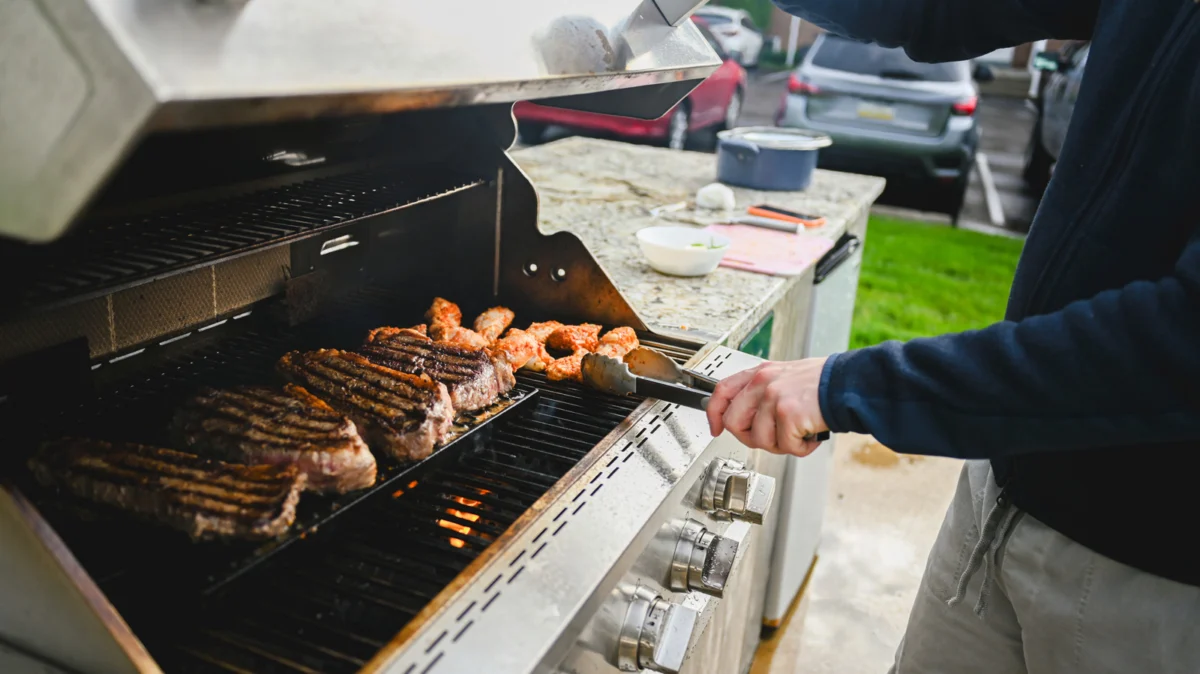
There are few experiences more frustrating for a home cook than preparing a meal, only to find that the primary cooking apparatus fails to reach the necessary temperatures for a proper sear. When a gas grill refuses to heat up, the issue is rarely a singular mechanical failure but rather a breakdown in the system that delivers fuel from the tank to the burner. Troubleshooting these units requires a systematic approach, as safety protocols built into modern gas grills are designed to restrict fuel flow when they detect irregularities in pressure or connection. By consulting culinary experts like Chef Dennis Littley of Ask Chef Dennis, one can identify the most common culprits behind lukewarm grilling sessions.
The Impact of Environmental Variables
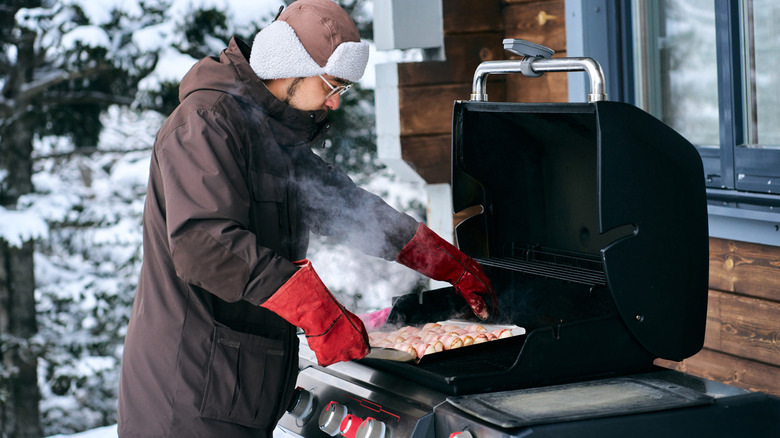
Before dismantling any components, it is essential to consider the environmental context. External factors play a significant role in the thermodynamic efficiency of an outdoor grill. While dedicated outdoor enthusiasts in colder climates may continue grilling throughout the winter, the ambient temperature significantly affects the vaporization of propane within the tank. Propane, which exists as a liquid under pressure, must convert into a gas to fuel the burners. In extreme cold, the pressure inside the tank drops, which can lead to a weaker flame and reduced heat output.
Furthermore, high winds can compromise the structural integrity of the heat envelope within the grill box. Wind can cause uneven heat distribution, blowing the flame away from the burner ports or cooling the exterior surface of the grill faster than the fuel can compensate. For those operating grills in exposed areas, the solution is often as simple as repositioning the unit to block wind gusts while ensuring there is still adequate ventilation to prevent the buildup of gas.
Propane Tank Mechanics and Fuel Pressure
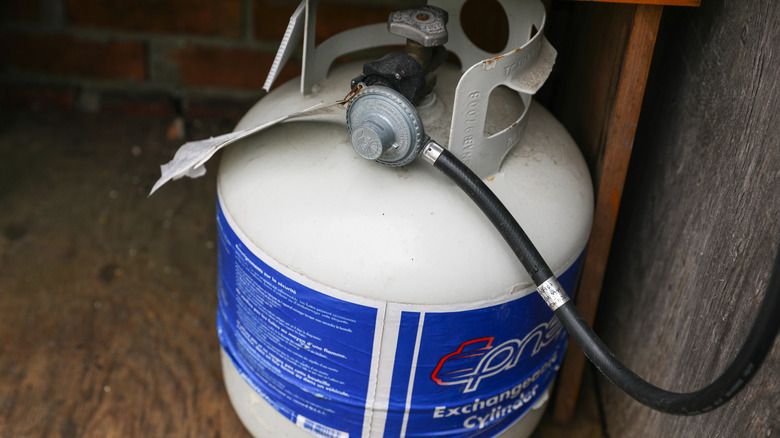
The most fundamental check is the propane tank itself. A standard 20-pound propane cylinder—the industry benchmark for residential grills—holds approximately 4.7 gallons of fuel. A critical misconception among users is that a tank must be empty to cause heating issues; in reality, a tank that is nearly empty may lack the necessary pressure to sustain a full-output flame across all burners.
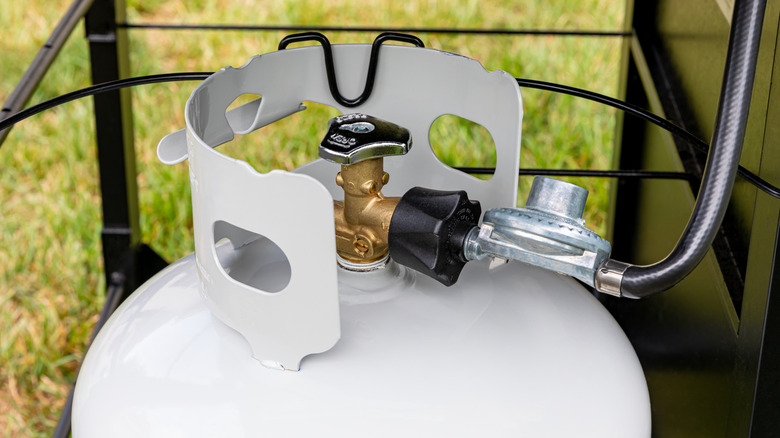
There is also a nuanced issue regarding the "excess flow" safety feature. Modern propane regulators are equipped with a bypass mechanism designed to detect a major leak. If the grill’s control valves are left in the "on" position when the tank valve is opened, the regulator may perceive the sudden surge of gas as a catastrophic leak. In response, it restricts the flow to approximately 25% of its capacity, resulting in a weak, flickering, or insufficient flame. To reset this, one must turn off all burners, close the tank valve, disconnect the regulator from the tank, and wait for a full minute to allow the pressure to equalize before reconnecting and opening the valve slowly.
Regulatory and Hose Integrity
The regulator is the heart of the grill’s fuel delivery system. Beyond the safety bypass, regulators can fail due to internal diaphragm degradation over time. Because this component is critical for fire safety, industry standards strictly prohibit any attempt at manual repair or modification. If the regulator is suspected to be faulty—indicated by consistently low flames despite a verified full tank and a reset of the safety bypass—it must be replaced with a manufacturer-approved component.
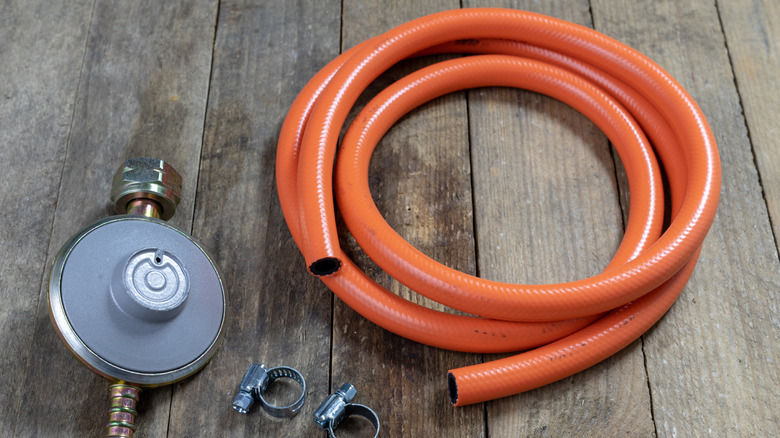
The hose assembly is equally susceptible to damage. Over years of exposure to sunlight, varying temperatures, and physical movement, the rubber components of the hose can develop hairline cracks. Even if a leak is not audible, the loss of pressure can trigger the regulator’s safety protocols. Homeowners can perform a simple safety check by coating the hose in a mixture of soap and water. If bubbles form when the gas is turned on, the hose is leaking and must be replaced immediately.
Diagnostic Analysis of Burner Assemblies
If the grill exhibits inconsistent heating, such as one side of the cooking surface remaining cold while the other functions normally, the issue is likely isolated to the burner assembly. Over time, grease, carbonized food particles, and environmental debris can clog the burner ports—the small holes through which the gas escapes. In some cases, spiders or other insects may build nests within the venturi tubes, effectively blocking the flow of gas to the burner.
Maintenance of these components requires a gentle hand. Experts advise against using sharp metal tools or drill bits to clear ports, as this can enlarge the holes and alter the fuel-to-air ratio, leading to inefficient combustion. Instead, use a specialized grill brush or a soft-bristled wire brush to clear debris. If the burners show signs of severe oxidation or rust-through, they have reached the end of their service life and should be replaced to ensure safe and even heat distribution.
Understanding Surface Temperature Dynamics
Even when a grill is functioning optimally, users must understand the difference between the temperature displayed on the hood thermometer and the actual temperature of the grates. The hood thermometer measures the ambient air temperature inside the grill lid, which is influenced by convection. However, for a perfect sear on proteins, the contact temperature of the grate is the more critical metric.
To effectively map a grill’s performance, experts recommend using a high-temperature infrared thermometer or a digital probe. By measuring the surface temperature at various points across the grate, a cook can identify "hot spots" and "cool zones." This allows for more precise cooking, where delicate items like vegetables can be placed in cooler areas, while thicker cuts of meat are relegated to the high-heat zones above the active burners. Recognizing that no grill heats perfectly uniformly is the first step toward mastering the art of outdoor cooking.
The Broader Implications of Grill Maintenance
The failure of a gas grill to heat properly is not merely an inconvenience; it is often a signal that the appliance has entered a period of deferred maintenance. Neglecting the cleaning of burner tubes and the inspection of hoses can lead to more serious safety risks, including grease fires or uncontrolled gas leaks.
From an economic perspective, regular maintenance extends the lifespan of the grill, which can represent a significant household investment. According to industry data, high-quality gas grills can last over a decade if properly cared for, but this longevity depends entirely on the integrity of the fuel system and the cleanliness of the burners. As consumers continue to invest in outdoor kitchens and high-end grilling equipment, the importance of understanding these basic mechanical principles becomes paramount. By following a consistent inspection routine—checking fuel levels, testing for leaks, and ensuring clear airflow—home chefs can ensure their equipment remains both safe and effective for years to come. Ultimately, the ability to troubleshoot these minor mechanical issues ensures that the focus remains on the culinary experience rather than the equipment failure.
