
The Evolution of the Betty Crocker Brand
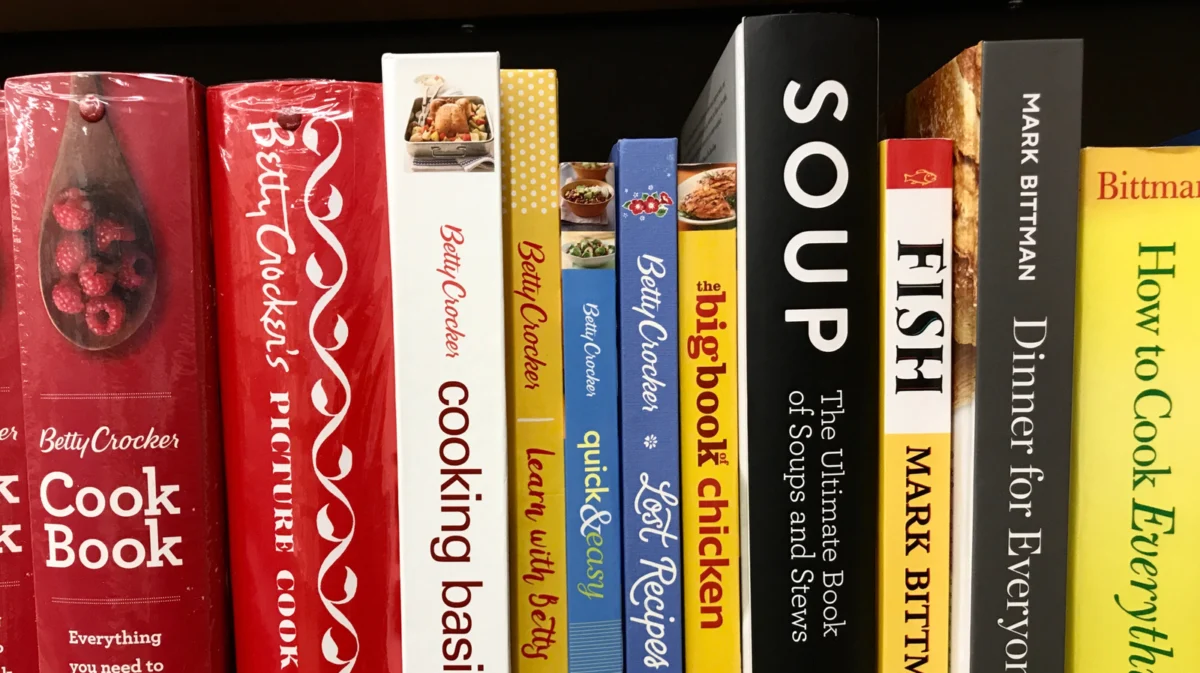
To understand the significance of "Betty Crocker’s Party Book," one must contextualize the entity behind it. Betty Crocker is not, and has never been, a real person. The persona was created in 1921 by the Washburn Crosby Company—which later became General Mills—to answer consumer inquiries regarding baking. By the time the "Party Book" was published in 1960, the brand had spent nearly four decades establishing itself as the authoritative voice of the American kitchen.
The 1960s represented a pivotal period for the brand. Post-war prosperity had led to a boom in leisure time and a shift in social expectations. Middle-class families were increasingly entertaining at home, and the "Party Book" was strategically marketed to meet this demand. It was not merely a collection of recipes; it was a comprehensive guide to social navigation, offering advice on menu planning, holiday themes, and even home decor, all tied back to the convenience of using General Mills products.
Chronology of Mid-Century Culinary Literature
The publication of this specific volume occurred at the height of the "convenience food" movement.
- 1921: Betty Crocker is established as a brand persona by the Washburn Crosby Company.
- 1950s: The rise of the suburban home, leading to an increased focus on elaborate dinner parties and social hospitality.
- 1960: The initial publication of "Betty Crocker’s Party Book," featuring the signature spiral-bound design that would become iconic for the series.
- 1970s–1980s: A gradual decline in the popularity of elaborate, gelatin-based, and highly processed party dishes as health consciousness began to permeate mainstream American culture.
- 2010s–Present: A resurgence in interest, driven by vintage aesthetics, nostalgia, and the growing market for thrifted, physical media.
Examining the Contents: A Cultural Time Capsule
The culinary landscape of 1960 was markedly different from contemporary standards. The recipes contained within the pages of the "Party Book" provide an objective look at the era’s preferences. The book features a heavy emphasis on decorative presentation, which was a hallmark of the decade. The inclusion of gelatin salads—often featuring ingredients that would seem incongruous to a modern palate, such as grated carrots, horseradish, or canned vegetables—highlights the era’s fascination with "modern" food science and the utility of the refrigerator.
Beyond the gelatin, the book serves as a repository for classic American party staples. Recipes for deviled eggs, fried fish, and various chicken salads are presented as "no-fail" solutions for the busy host. The instructional nature of the book, which includes advice on how to craft homemade holiday decorations, underscores the societal pressure placed on homemakers to be multifaceted in their duties. The Reddit testimonials cited by collectors confirm this; the book was often seen as a formative tool for children observing their grandparents’ kitchen routines, creating a lasting emotional connection to the brand that survives even as the recipes themselves fall out of culinary favor.
Economic Valuation and Secondary Market Trends
For the modern collector, the value of a vintage cookbook is dictated by rarity, physical condition, and the presence of original components.
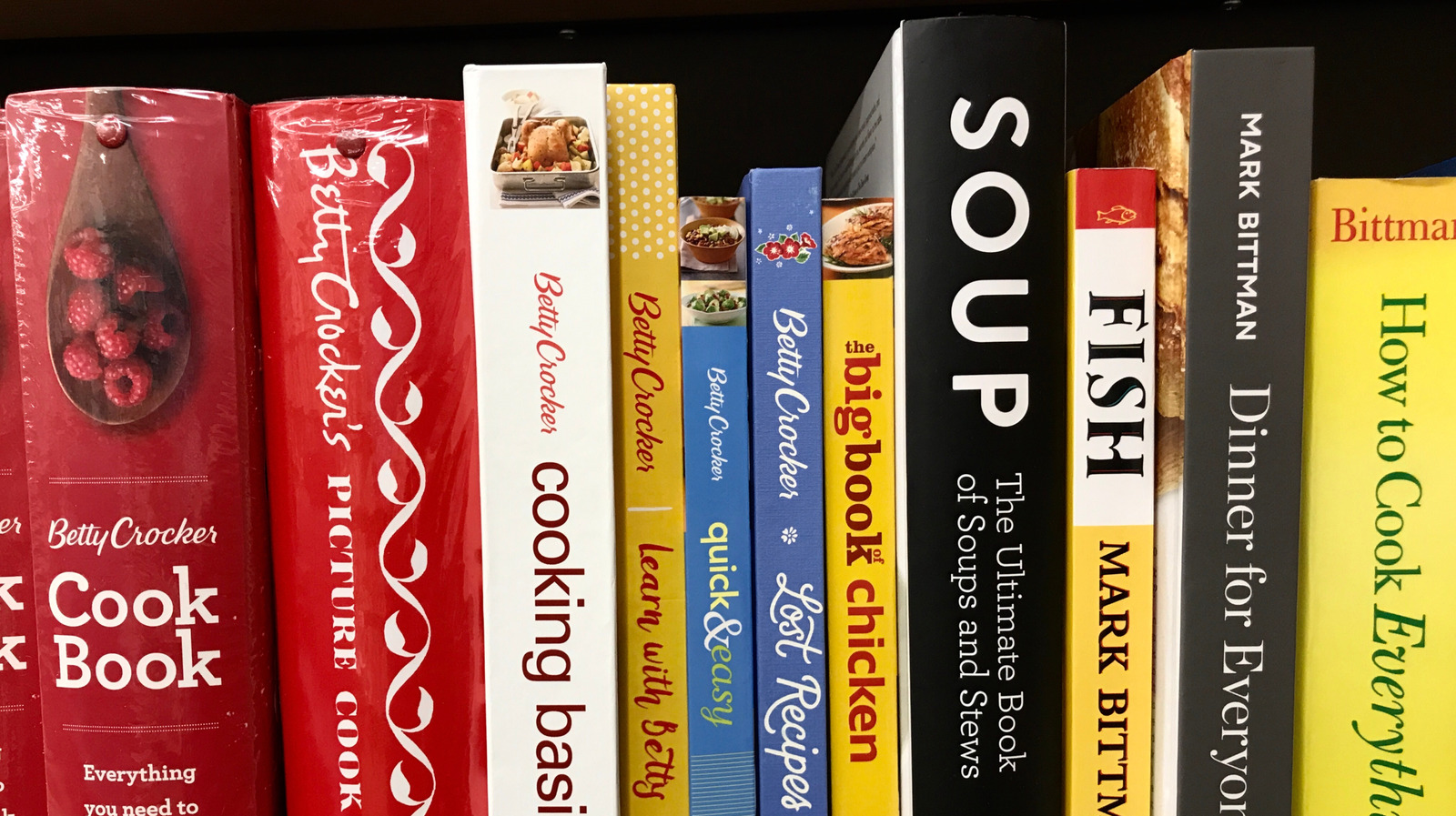
The first edition of "Betty Crocker’s Party Book" is distinguished by its durable, spiral-bound hardcover format, a hallmark of mid-century commercial printing. Prices for well-preserved first editions have been observed to reach upwards of $40 in the current secondary market. However, market volatility is significant; condition is the primary driver of value. Books with intact spines, clean pages, and no food stains command the highest prices on platforms like eBay, Etsy, and Facebook Marketplace.
For the casual consumer, reprints are available through major retailers, typically retailing for approximately $11. This price differential illustrates the divergence between the "collector’s market"—which prizes historical authenticity—and the "nostalgia market," which prioritizes the accessibility of the content itself.
Broader Impact and Social Implications
The enduring legacy of the "Party Book" suggests a broader trend in American consumer behavior: the desire for an idealized past. While modern cooking trends favor farm-to-table sourcing and artisanal techniques, there is a consistent appetite for the "kitschy" comfort of the 1960s. This is evidenced by the consistent demand for vintage cookbooks as decor items, even when the recipes within them are rarely prepared.
From an academic perspective, these books act as primary source documents for sociologists studying the domestic sphere. They map the gendered expectations of the time and the influence of industrial food corporations on the American diet. By analyzing the recipes, one can track the introduction of processed ingredients into the home, which would eventually lead to the dietary shifts and health discussions that dominate the food industry today.
Expert Analysis and Conclusion
Industry observers note that the survival of such cookbooks is a testament to the brand loyalty cultivated by General Mills over the last century. By positioning the Betty Crocker persona as a friendly, reliable mentor, the company ensured that its materials were not treated as mere advertisements but as essential household infrastructure.
The "Party Book" remains an artifact of a bygone era, yet it continues to generate engagement across generations. Whether it is being used as a practical guide for retro-themed gatherings or serving as a decorative piece that honors a family’s heritage, the volume remains a relevant part of the American culinary story. For the thrift store shopper, uncovering a copy is more than just a purchase; it is a reclamation of a specific, tangible moment in American domestic history. As interest in vintage media persists, these books will likely continue to hold their value, both as sentimental keepsakes and as historical reminders of how the simple act of "hosting" has evolved over the last sixty years.
