
The landscape of holiday culinary traditions is undergoing a significant transformation as home cooks and commercial kitchens alike pivot toward accessible, health-conscious alternatives to traditional baked goods. The recent introduction of No-Bake Cranberry Orange Bliss Bites represents a convergence of this trend, blending the nostalgic flavor profiles of mid-century American holiday desserts with contemporary dietary requirements such as gluten-free and vegan standards. By eschewing conventional oven-based preparation, these bite-sized confections reflect a broader movement in the culinary arts toward efficiency, ingredient transparency, and nutritional awareness during the high-pressure holiday season.
Historical Context and Culinary Evolution
The concept of the "Bliss Bar"—a confection typically characterized by a dense, chewy blondie base topped with cream cheese frosting, dried cranberries, and citrus zest—has long been a staple of North American coffeehouse culture. Often associated with the winter season, these bars gained popularity in the early 21st century as mass-market seasonal offerings. However, the labor-intensive nature of baking and frosting traditional bars poses a challenge for time-constrained consumers.
The adaptation of this classic flavor profile into a "no-bake" format is not merely a matter of convenience; it is a technical response to shifting consumer demographics. Modern nutritional data suggests that consumers are increasingly seeking snacks that offer functional benefits, such as the inclusion of heart-healthy fats from almond flour and the fiber content inherent in oat-based preparations. The shift from traditional flour-and-sugar bases to nutrient-dense, plant-based alternatives highlights a deliberate departure from highly processed ingredients.
Preparation Methodology and Technical Specifications
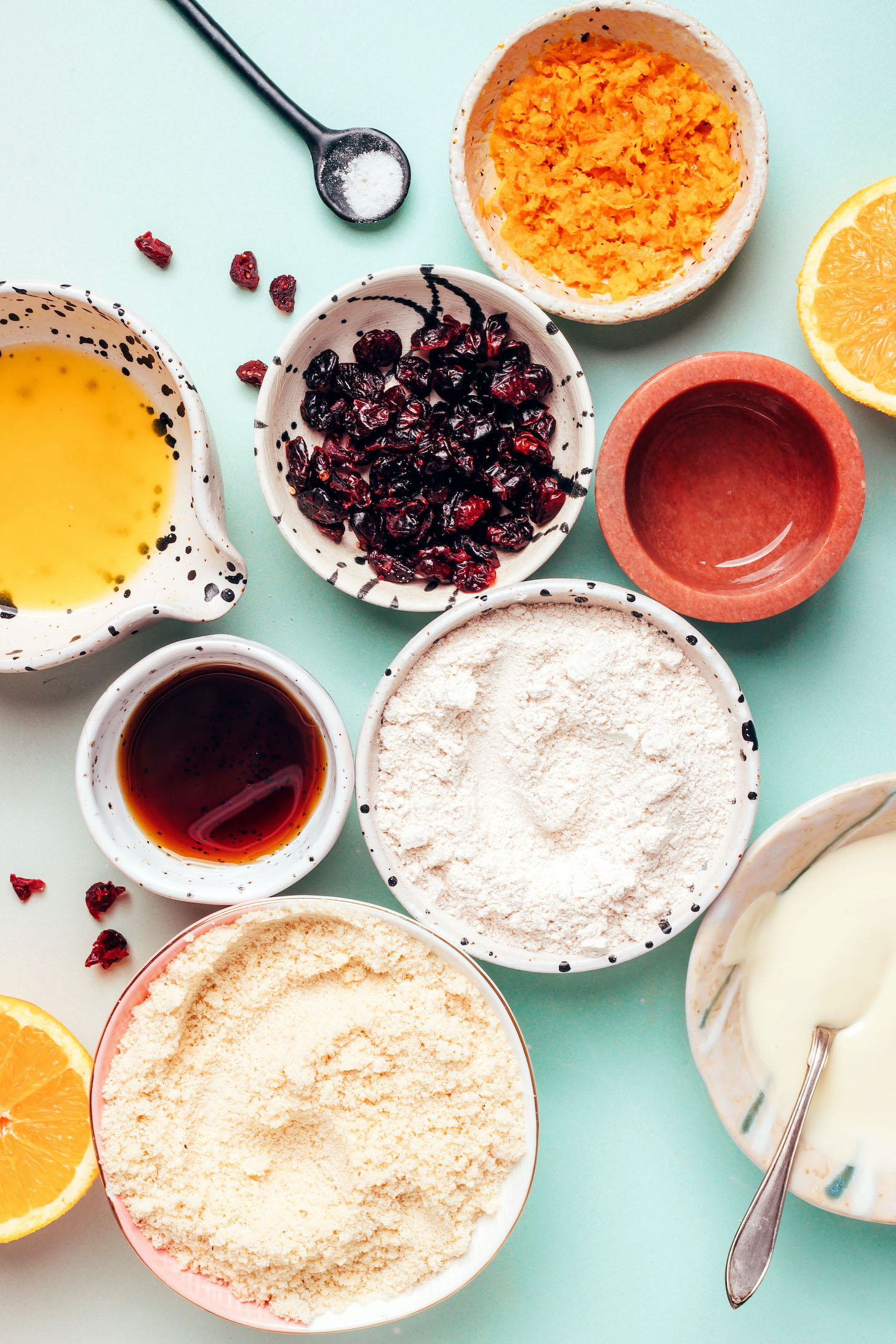
The preparation of these bites relies on a cold-process methodology that eliminates the thermal degradation of ingredients. The foundational structure is built upon a composite of oat flour and almond flour. Oat flour, valued for its beta-glucan content, provides the necessary binding stability, while almond flour introduces essential monounsaturated fats and a characteristic nutty aroma.
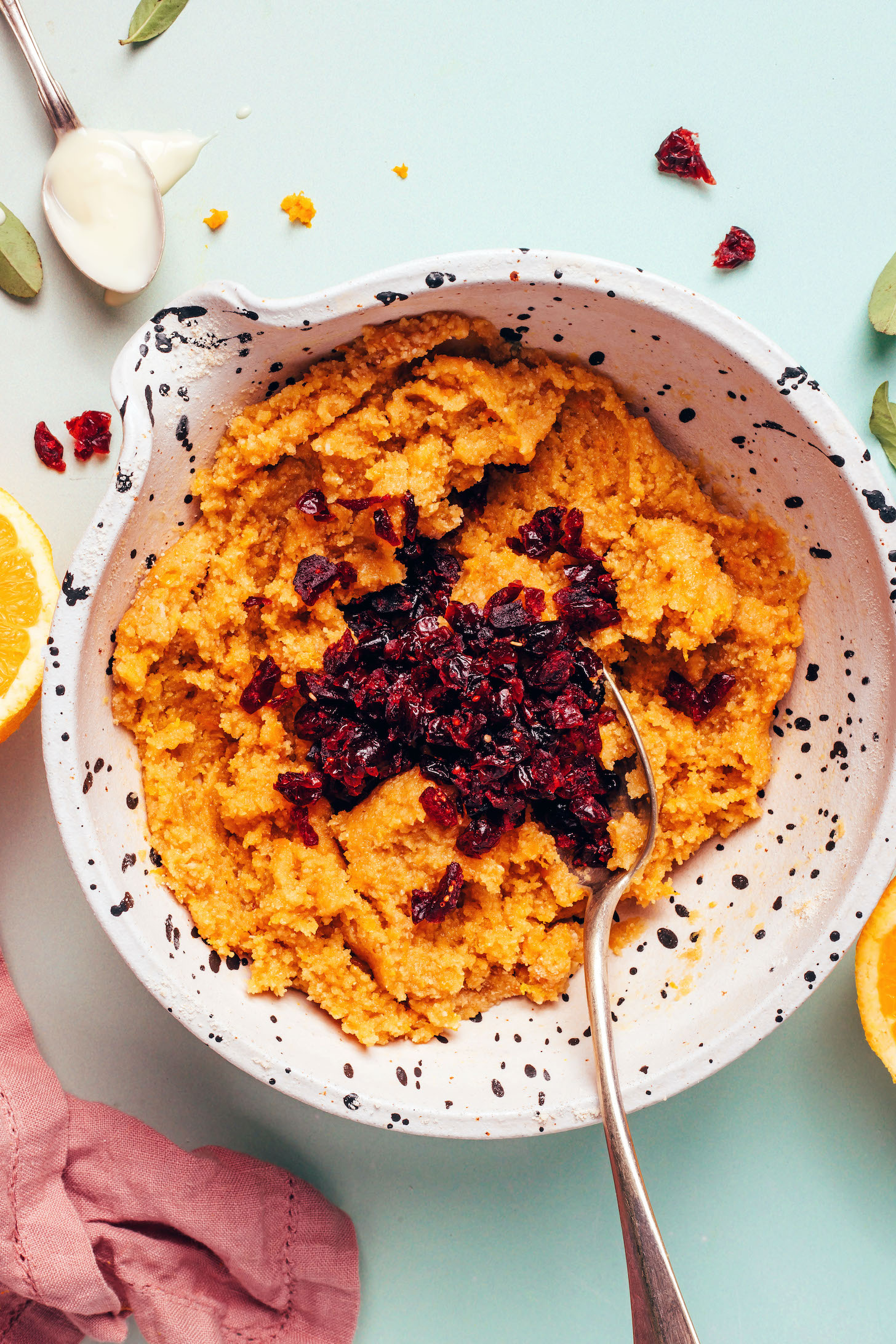
The binding agent is a mixture of maple syrup and coconut oil, which provides a malleable texture that mimics traditional dough without requiring heat-induced gluten development. From a culinary perspective, the integration of fresh orange zest and juice serves as the primary aromatic catalyst, cutting through the richness of the nut flours. The addition of dried cranberries—a staple crop of the North American autumn—adds the required tartness to balance the natural sugars in the maple syrup.
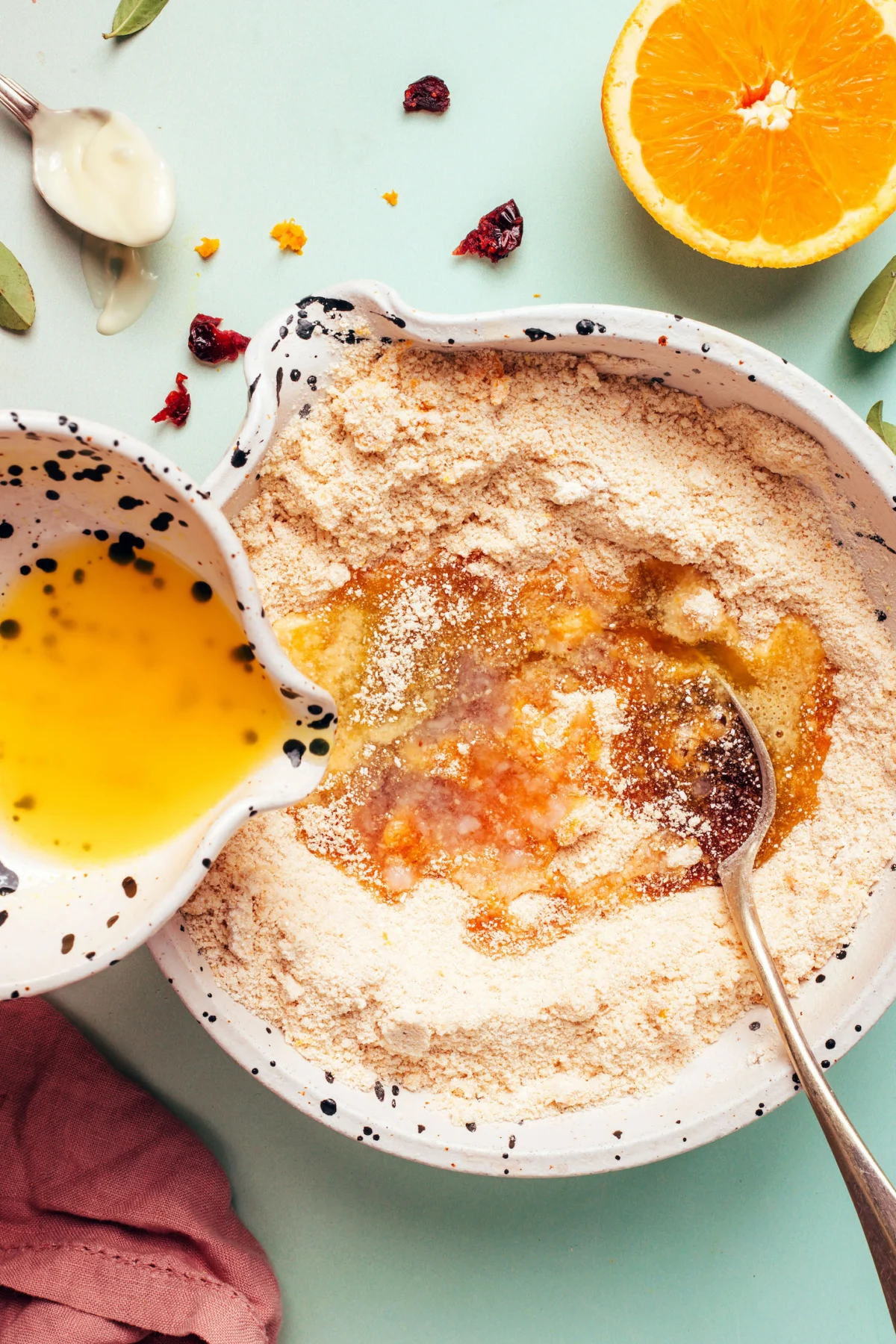
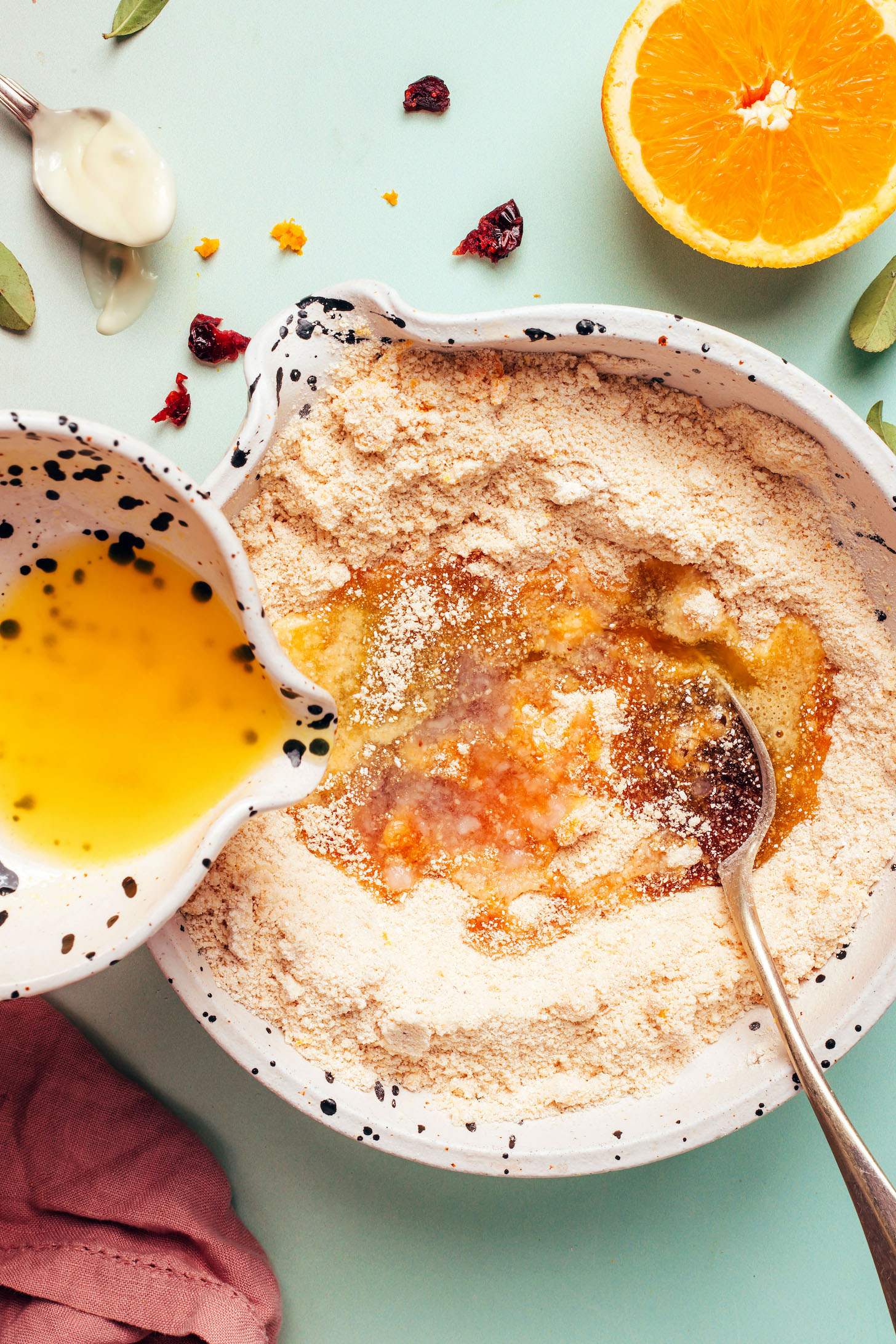
The assembly process is strictly mechanical. By combining the dry components with the wet elements and allowing the mixture to hydrate, the dough reaches a consistency suitable for rolling. This technique aligns with the principles of raw food preparation, where the integrity of raw ingredients is preserved, ensuring that volatile compounds in the orange zest remain potent until consumption.
Nutritional Profile and Dietary Implications
A comparative analysis of traditional cranberry bars versus these no-bake alternatives reveals a distinct reduction in glycemic load. A standard commercial holiday bar often contains refined white sugar, hydrogenated vegetable oils, and wheat-based flour. In contrast, the No-Bake Cranberry Orange Bliss Bites utilize:
- Complex Carbohydrates: Sourced from oats, which offer a slower release of glucose compared to refined wheat flour.
- Healthy Fats: Derived from almonds and coconut, providing satiety without the presence of trans-fatty acids common in commercial shortening.
- Micronutrient Density: The retention of natural vitamin C from the fresh orange juice and the antioxidant properties of cranberries provide a nutritional profile that aligns with contemporary dietary guidelines for nutrient-dense snacking.
With an estimated caloric density of approximately 113 calories per unit, these bites are positioned as a portion-controlled indulgence. This is particularly relevant in the context of the holiday season, where the average consumer is exposed to significantly higher caloric intake. By facilitating portion control through a "bite-sized" format, this preparation method encourages mindful consumption.
The Role of Aesthetics in Modern Food Media
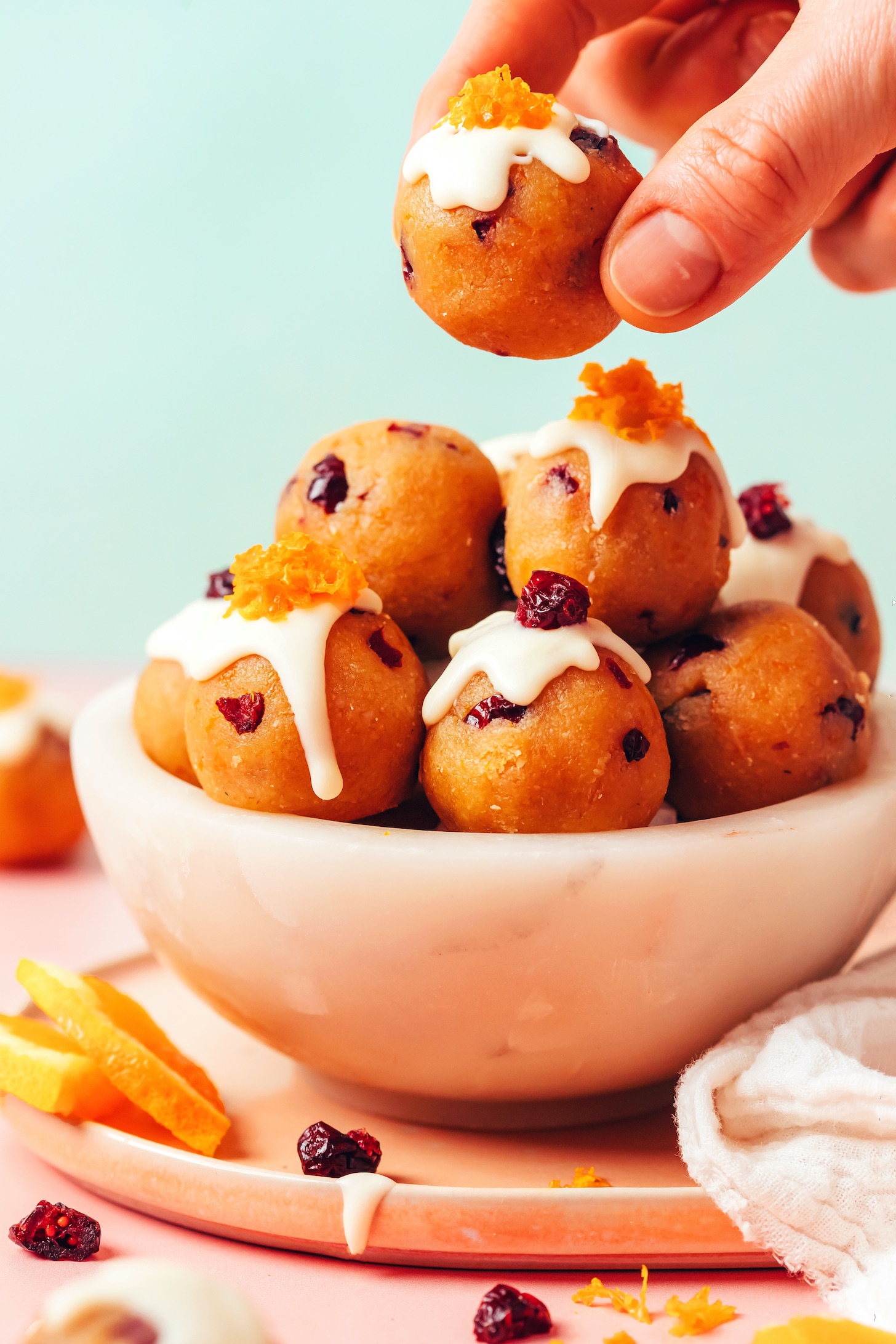
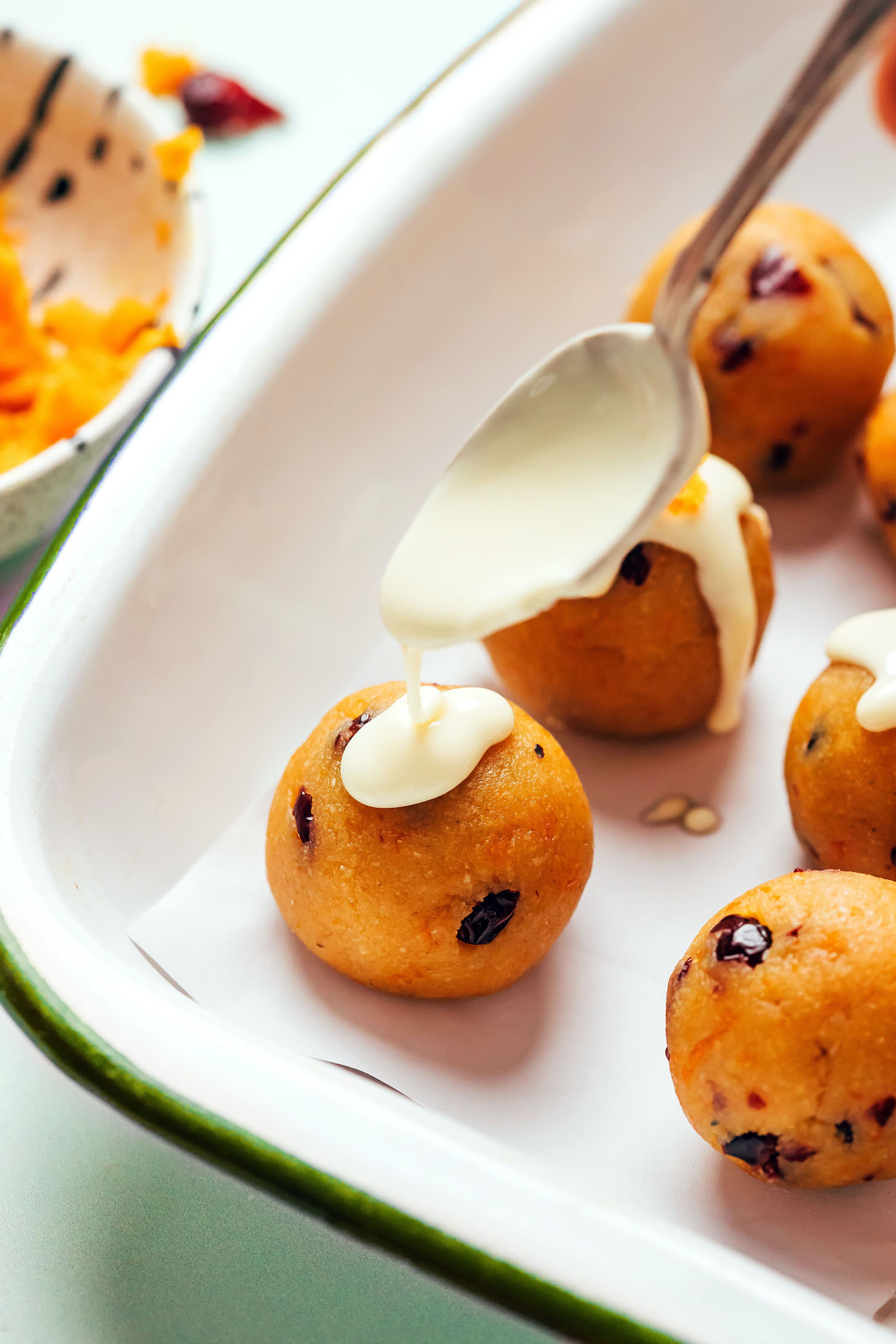
The presentation of these confections, particularly the optional white chocolate or coconut butter drizzle, highlights the role of visual appeal in modern food dissemination. The use of a topping serves a dual purpose: it provides a textural contrast and creates a visual "frosting" effect that satisfies the consumer’s expectation of a traditional dessert.
Professional culinary observers note that the use of coconut butter as a base for the drizzle is a sophisticated alternative to dairy-based frostings. Coconut butter, which consists of the pulverized meat of the coconut, offers a creamy, melt-in-the-mouth texture that is entirely plant-based. When combined with a small amount of high-quality white chocolate, it achieves a stable, glossy finish that remains intact at room temperature for longer periods than traditional buttercream.
Broader Economic and Market Impact
The rise of the "no-bake" category is symptomatic of the "do-it-yourself" (DIY) trend that has accelerated due to the rise of social media-driven food culture. Consumers are increasingly valuing the ability to produce "bakery-quality" items in their own kitchens without specialized equipment like ovens or mixers. This trend has significant implications for the grocery retail sector, as there is a marked increase in demand for raw, pantry-stable ingredients like almond meal, coconut oil, and high-quality dried fruits.
Furthermore, the adaptability of this recipe allows it to bridge various dietary restrictions, making it an inclusive choice for social gatherings. In an era where food sensitivities and dietary preferences (such as veganism and gluten-free living) are prevalent, the ability to serve a single dish that meets multiple criteria is highly sought after by hosts.
Challenges and Future Considerations
While the shift toward no-bake recipes is largely positive, there are technical challenges regarding food safety and shelf life. Because these bites do not undergo a thermal kill-step (baking), the quality of the raw ingredients—particularly the oat flour—is paramount. Experts recommend using heat-treated or certified gluten-free oat flour to minimize the risk of contamination.
Additionally, the shelf life of these bites is significantly shorter than that of traditional baked goods, typically requiring refrigerated storage to maintain the structural integrity of the coconut oil. While they are freezer-friendly for up to one month, the cold-chain management required for these items is a departure from traditional holiday cookies that can sit out on a platter for several days.
Conclusion: The Future of Seasonal Snacking
The emergence of No-Bake Cranberry Orange Bliss Bites is a testament to the ingenuity of modern home cooking. By synthesizing traditional flavors with modern health-conscious techniques, these bites serve as a microcosm of the current food zeitgeist: one that prioritizes speed, health, and inclusivity without sacrificing the joy of seasonal indulgence.
As the holiday season continues to evolve, it is highly probable that we will see further innovation in this space, with recipes increasingly focusing on sustainability, locally sourced ingredients, and the reduction of food waste. Whether served as a quick snack during a busy work week or presented as a sophisticated dessert at a holiday gathering, these bites represent a shift toward a more mindful and efficient way of celebrating traditional flavors. For the modern consumer, the "bliss" in these bites is found not just in their taste, but in the simplicity and integrity of their composition.
