
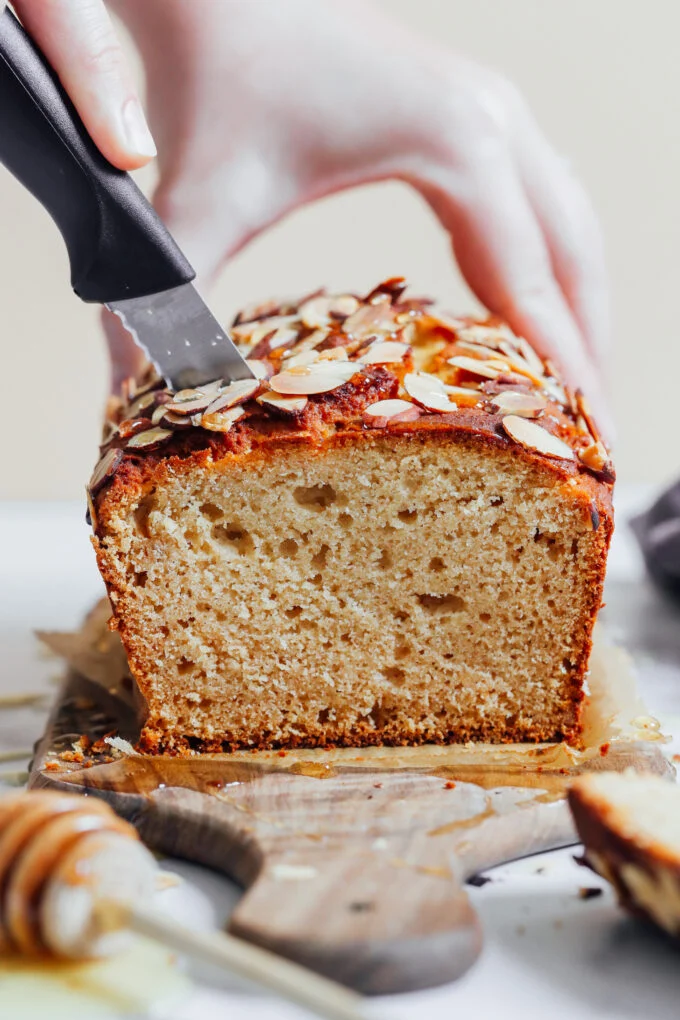
The culinary landscape has seen a significant shift toward inclusive baking, with a marked increase in demand for recipes that accommodate dietary restrictions without sacrificing structural integrity or flavor. A recent development in this space is the emergence of a high-performance, single-bowl honey almond snack cake that is entirely gluten-free and dairy-free. This recipe, characterized by its reliance on a 10-ingredient profile, serves as a case study in how modern baking techniques can replicate traditional textures—specifically the moist, light, and airy sponge associated with classic cakes—using alternative flours and binding agents.
The Evolution of Gluten-Free Baking Standards
Historically, gluten-free baking was often associated with dense, crumbly textures and a reliance on complex, multi-stage processes. The recent refinement of gluten-free flour blends, often incorporating a precise ratio of rice flour, potato starch, and xanthan gum, has allowed home bakers to achieve results comparable to wheat-based counterparts. The honey almond snack cake represents a shift toward "snackable" baked goods: items that are less indulgent than formal tiered desserts but more sophisticated than standard cookies.
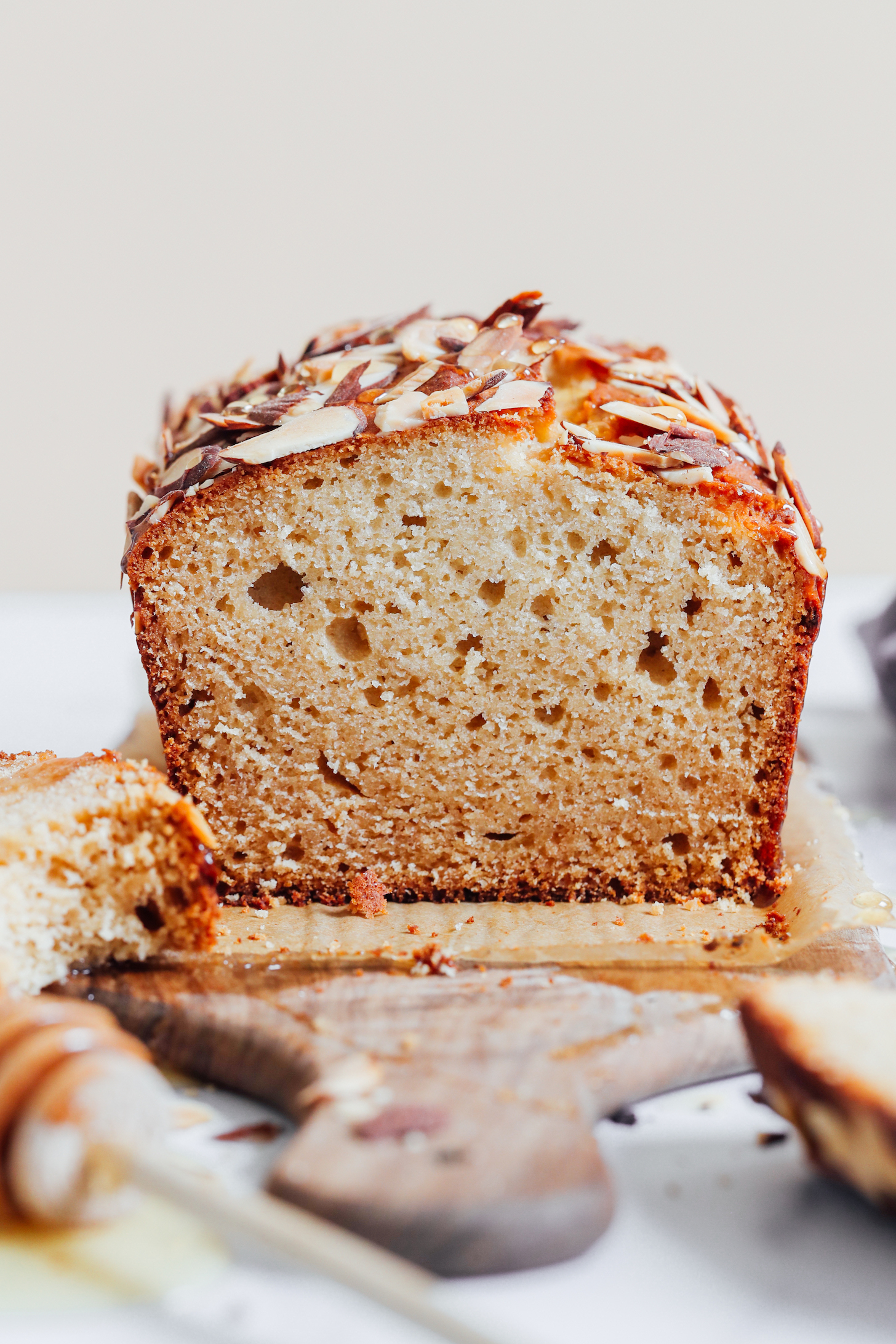
The integration of almond flour into this specific recipe provides more than just a gluten-free base; it contributes a significant amount of healthy fats and protein, which helps maintain the cake’s moisture level—a common point of failure in standard gluten-free loaves. By utilizing dairy-free yogurt as a leavening assistant and moisture-locking agent, the recipe bypasses the need for butter while maintaining a tender crumb.
Chronology of Preparation and Technical Efficiency
The efficiency of the one-bowl method is a response to the consumer trend toward time-saving culinary practices. The preparation timeline for this cake is streamlined to approximately 55 minutes, with only 10 minutes of active preparation time.
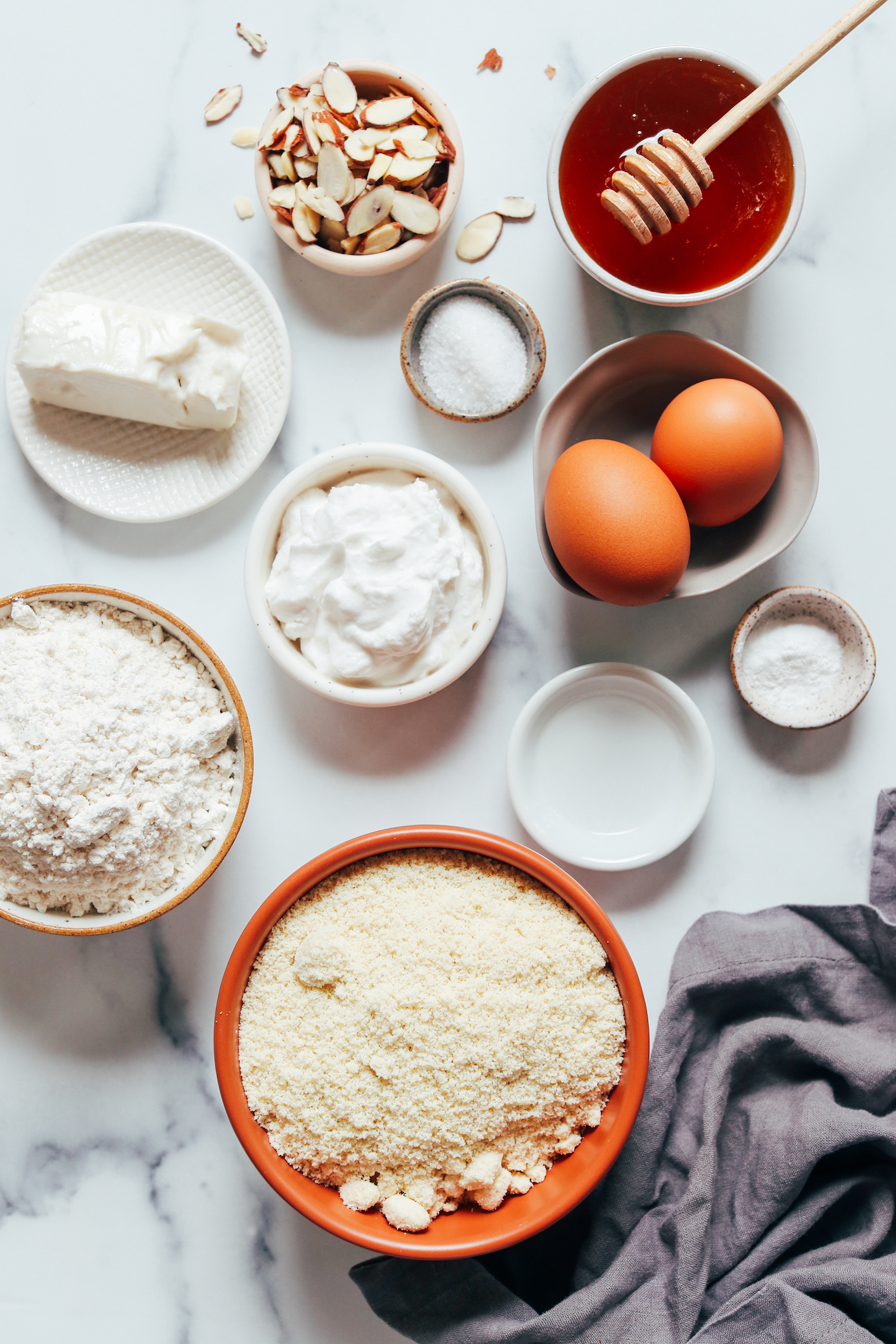
- Preparation (0–10 minutes): The process begins with the integration of wet ingredients. By combining honey, dairy-free yogurt, and eggs (or authorized substitutes like applesauce for those seeking an egg-free variant), the base creates an emulsion that supports the structure of the cake.
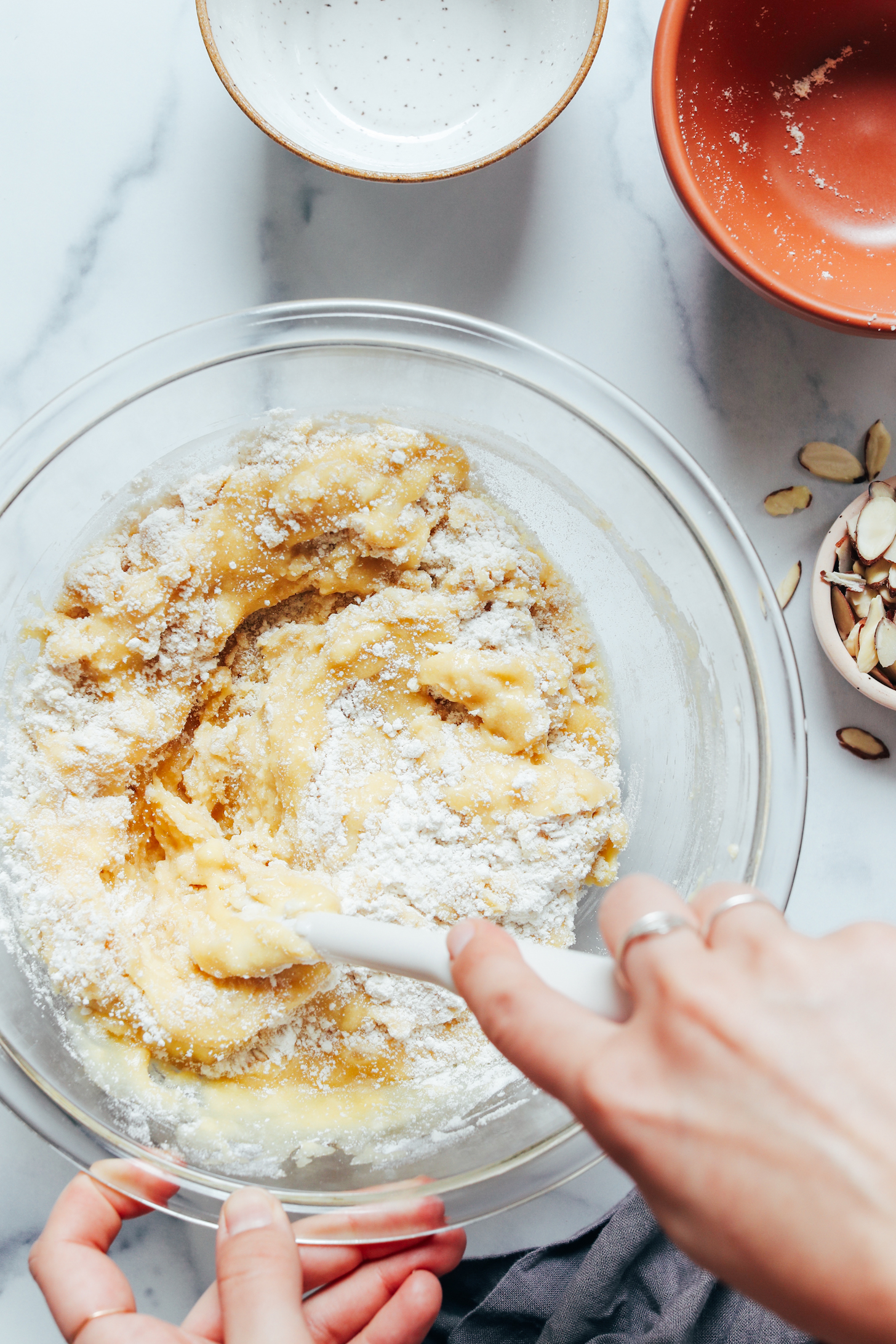
- Dry Ingredient Integration (10–15 minutes): The dry components, including the gluten-free flour blend and almond flour, are folded into the wet base. The use of a single vessel reduces the total cleaning time, a key factor in the recipe’s appeal to household consumers.
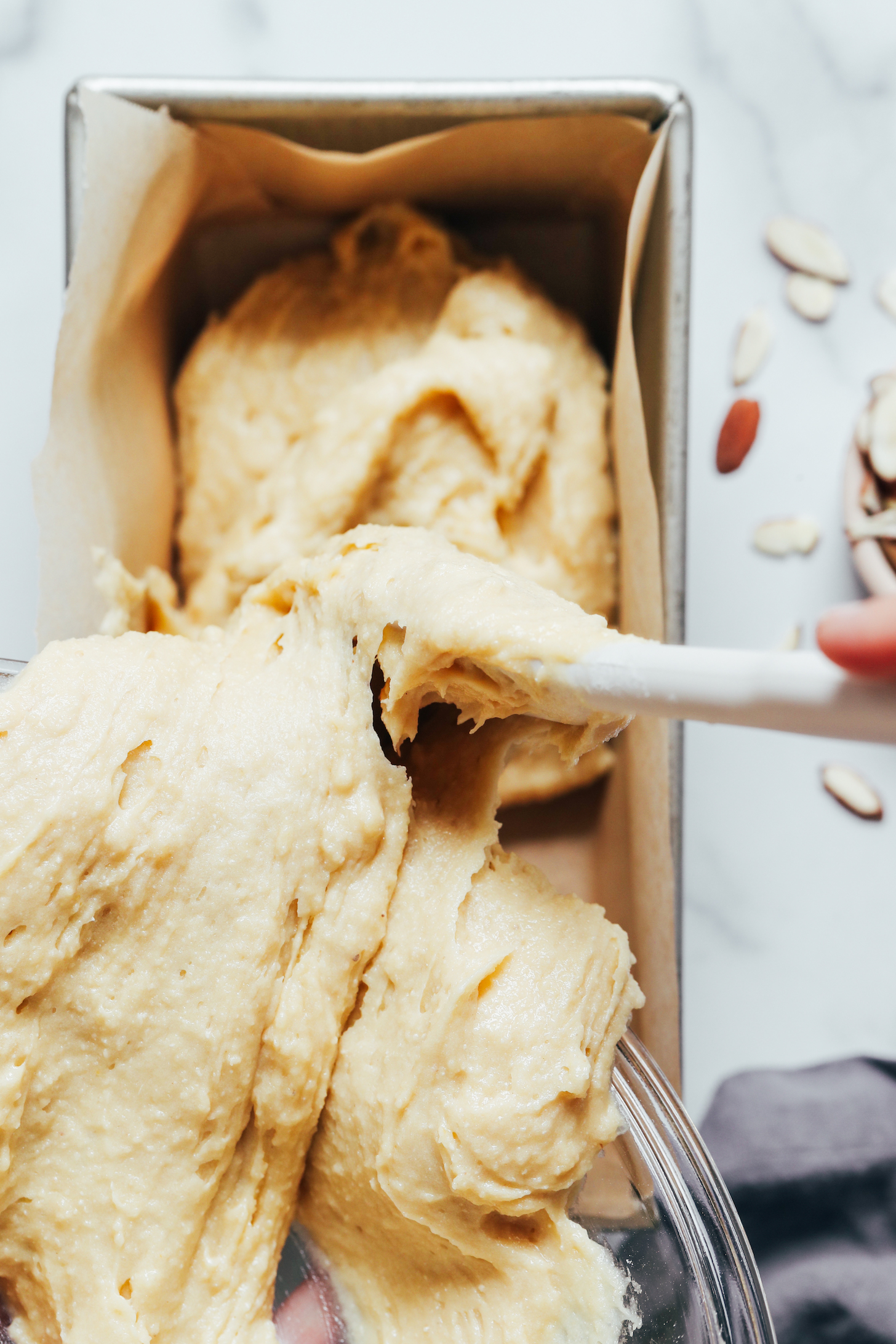
- Baking (15–60 minutes): The batter is transferred to a parchment-lined loaf pan. Parchment lining is a critical technical step, as it facilitates the clean removal of the delicate, moisture-heavy loaf, preventing structural damage upon cooling. The bake time of 45 minutes at a controlled temperature ensures a uniform rise.
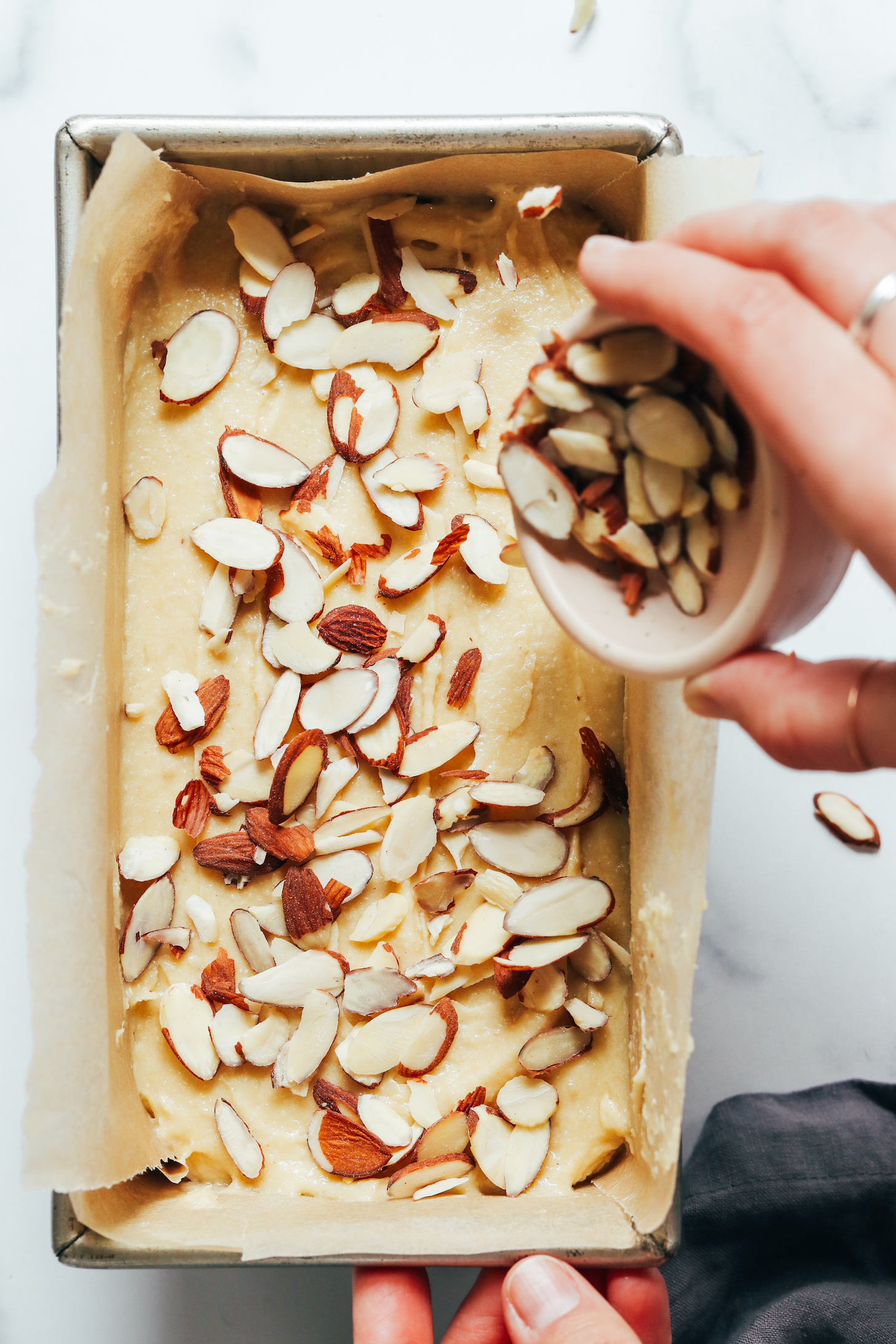
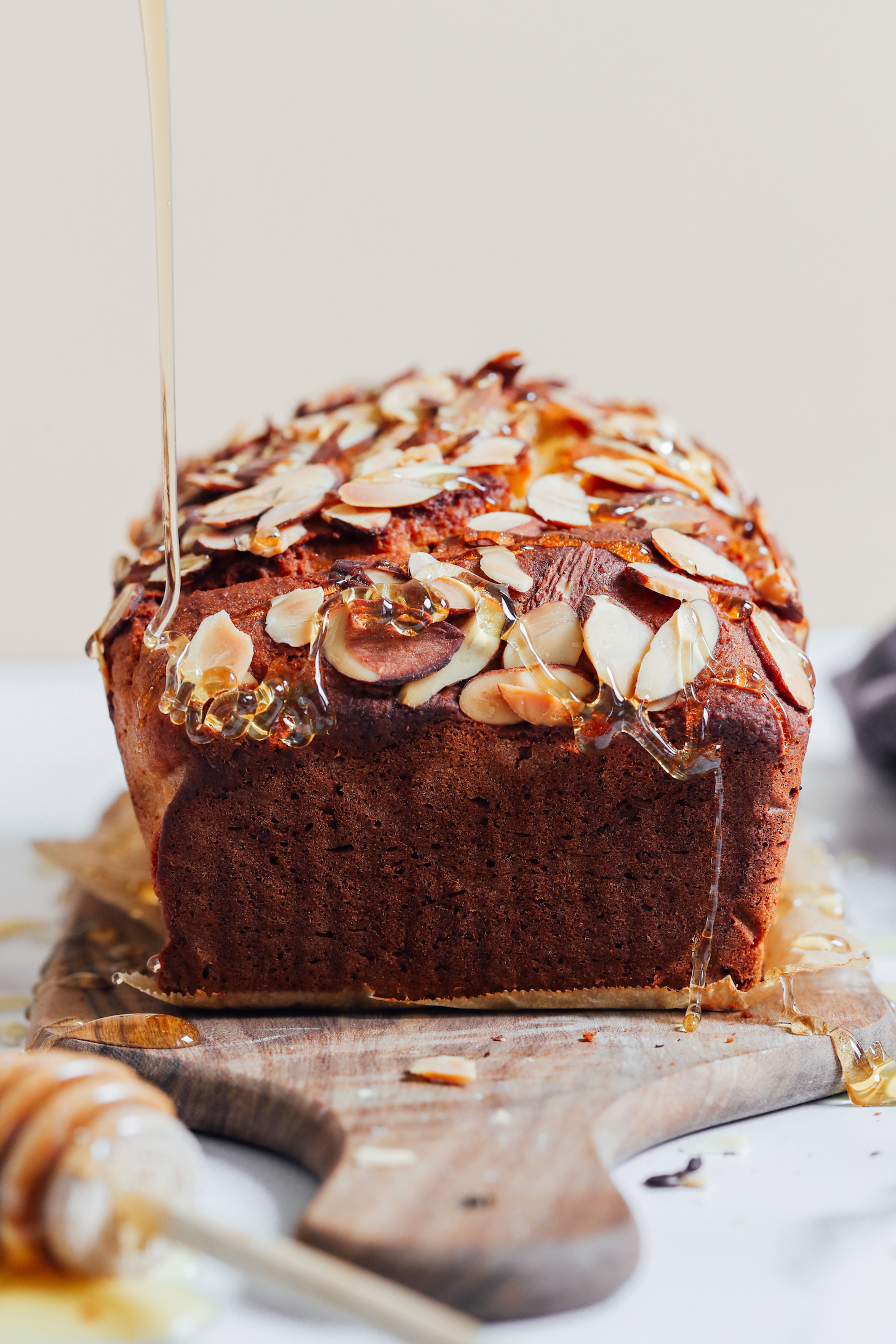
- Cooling and Finishing (60+ minutes): The cake requires a resting period to allow the starches to set. A final garnish of sliced almonds and a drizzle of honey adds a textural contrast and flavor depth.
Nutritional Profile and Dietary Implications
From a nutritional standpoint, the snack cake provides a more balanced profile than traditional refined-sugar-heavy desserts. A single slice—typically calculated at approximately 245 calories—contains a manageable 17.9 grams of sugar, derived largely from the honey. The inclusion of 1.7 grams of fiber and 3.7 grams of protein per serving distinguishes this from empty-calorie snacks.
The reliance on natural sweeteners like honey, which possesses a lower glycemic index than processed white sugar, aligns with broader health trends prioritizing "naturally sweetened" options. Furthermore, the absence of dairy removes a major allergen, making the product suitable for a wider demographic, including those with lactose intolerance or those following plant-forward dietary patterns.
Market Context and Consumer Trends
The popularity of this specific style of baking reflects a wider industry pivot toward "home-bakery" solutions that prioritize convenience. Data from kitchenware and consumer goods analysts suggest that households are increasingly looking for recipes that utilize a limited number of "pantry staples." By requiring only 10 ingredients, the recipe minimizes the barrier to entry for the average consumer, who may be hesitant to purchase expensive, specialty ingredients that are only used once.
Moreover, the versatility of the recipe—being adaptable for both 8-inch round pans and standard loaf pans—demonstrates an understanding of modern kitchen constraints. The recipe’s inclusion of a "freezer-friendly" recommendation (up to one month) also addresses the growing consumer focus on reducing food waste, a significant concern in the current economic climate.
Expert Analysis and Future Outlook
Culinary experts note that the success of gluten-free, dairy-free recipes rests on the quality of the "1:1" flour blends. The industry standard has largely coalesced around blends that mimic the protein structure of wheat flour. However, the use of almond flour in this recipe acts as a secondary stabilizer, which is why the texture remains "spongy" rather than "gummy," a common criticism of earlier gluten-free attempts.
The potential for further innovation lies in the substitution of the binding agents. As the report indicates, the use of applesauce or aquafaba as a replacement for eggs is a promising avenue for those adhering to strict vegan protocols. While the developers of this recipe emphasize that these variations have not been rigorously tested in their own kitchen, the logic behind the substitutions is sound within the framework of food science.
Broader Social and Culinary Impact
The democratization of professional-quality baking via the internet has fundamentally changed how families interact with their food. Recipes that provide high-quality results with minimal equipment allow for a return to domestic food production, which has seen a resurgence in the post-pandemic era.
The emphasis on tea-pairing (e.g., Earl Grey, Dandelion Tea Lattes) suggests that this cake is positioned as a lifestyle product—meant for social gatherings or quiet, personal downtime. By positioning the product not just as a dessert but as a "snack," the authors have successfully tapped into the mid-day consumption market, which is often underserved by traditional pastry recipes.
Conclusion and Practical Implementation
For those seeking to replicate these results, the key lies in the precision of the ingredient ratios and the patience shown during the cooling process. Because the cake relies on almond flour and yogurt for its structural integrity, it is inherently more delicate than a gluten-laden sponge. Attempting to slice the cake before it has reached room temperature is advised against by culinary professionals, as the moisture content can cause the cake to tear.
The provided nutritional data and ingredient list serve as a foundation, but the recipe also encourages individual experimentation. Whether through the addition of seasonal berries, citrus zest, or varying the type of honey used (e.g., manuka vs. wildflower), the base recipe is robust enough to support minor modifications. As the culinary world continues to embrace inclusive, accessible, and high-quality home baking, the 1-bowl honey almond snack cake stands as a benchmark for what can be achieved with minimal resources and thoughtful ingredient selection. This movement toward simple, transparent, and dietary-inclusive baking is likely to continue defining the culinary landscape for the foreseeable future.
