
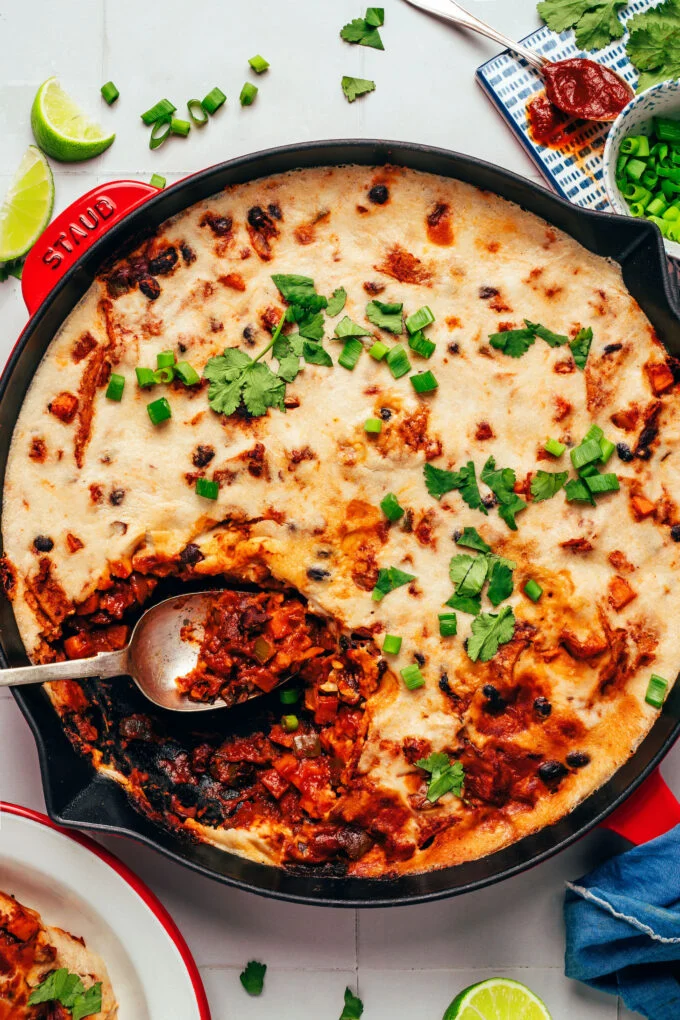
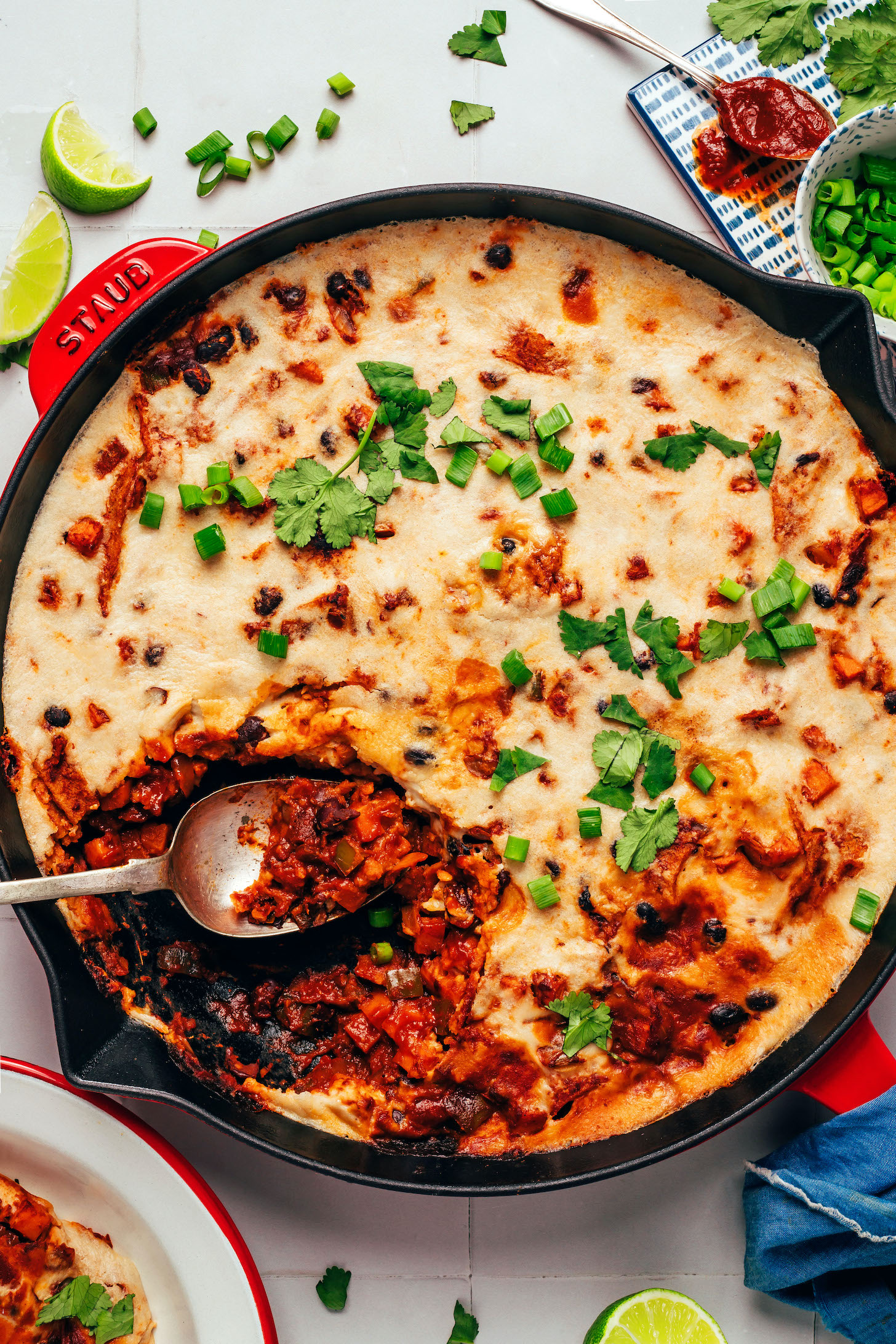
The culinary landscape of the 21st century has seen a significant shift toward efficiency and plant-based accessibility, a trend exemplified by the emergence of the one-pan, 30-minute vegan enchilada skillet. This dish represents a modern departure from traditional labor-intensive Mexican cuisine, streamlining the preparation of classic flavor profiles—specifically sweet potato, black beans, and red enchilada sauce—into a single-vessel cooking process. By eliminating the necessity of filling and rolling individual tortillas, this method addresses the growing consumer demand for "quick-scratch" cooking that balances nutritional density with time-saving logistics.
Historical Context and Culinary Evolution
The evolution of the enchilada provides the necessary framework for understanding this recent innovation. The etymology of the word, derived from the Spanish verb "enchilar," meaning "to season with chili," traces back to the indigenous traditions of the Valley of Mexico. Historical records suggest that early versions of the dish were associated with the Mayan civilization, specifically the papadzules, which featured corn tortillas dipped in a sauce of pumpkin seeds.
The first formal documentation of the recipe appeared in the 1831 cookbook El Cocinero mexicano, which cemented the dish as a cornerstone of Mexican national identity. Historically, the dish functioned as a versatile vessel for leftovers, incorporating proteins such as poultry, seafood, or beans. The contemporary transition toward a skillet-based format—where tortillas are sliced into strips rather than rolled—marks a significant departure from these traditional techniques. Culinary historians note that this "deconstructed" approach reflects the influence of globalized, time-conscious dietary habits that prioritize ease of execution without sacrificing the core sensory profile of the original dish.
Nutritional Composition and Dietary Trends
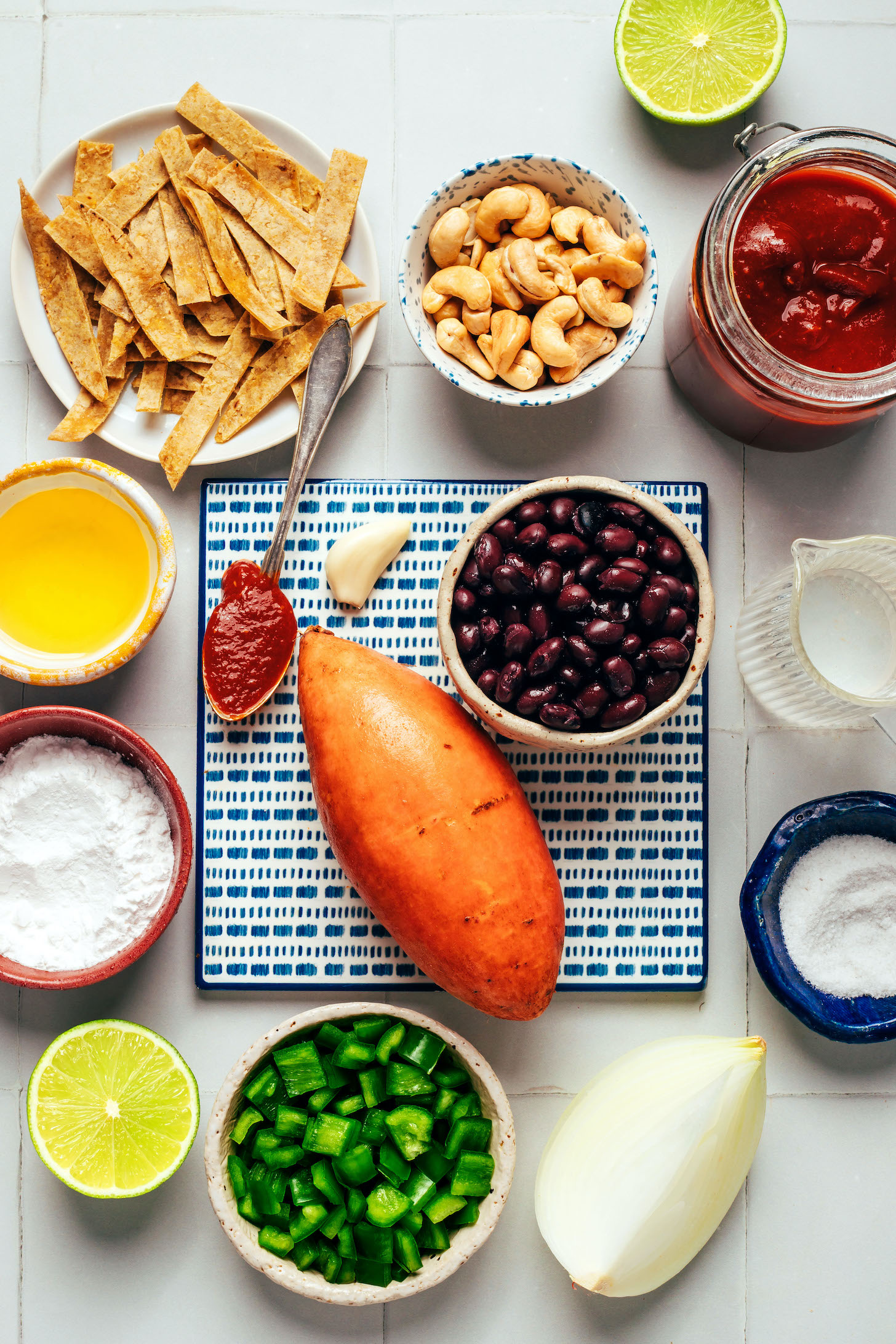
The popularity of the vegan enchilada skillet is supported by shifting dietary data. According to recent surveys by the Plant-Based Foods Association, a significant demographic of consumers is actively seeking plant-forward, protein-rich alternatives that do not rely on meat-based substitutes. The nutritional profile of this skillet, which utilizes black beans as a primary protein source and sweet potatoes for complex carbohydrates, aligns with modern dietary guidelines recommending higher fiber intake.
Data analysis of the meal indicates a per-serving caloric density of approximately 416 calories, with 13.6 grams of protein and 14.3 grams of dietary fiber. The integration of a cashew-based sauce serves as a functional replacement for dairy, utilizing tapioca starch as a thickening agent to simulate the viscosity and melting properties of traditional cheese. This technical substitution is critical, as it allows the dish to maintain a creamy texture under heat while avoiding the saturated fats typically associated with bovine dairy products.
The One-Pan Methodology
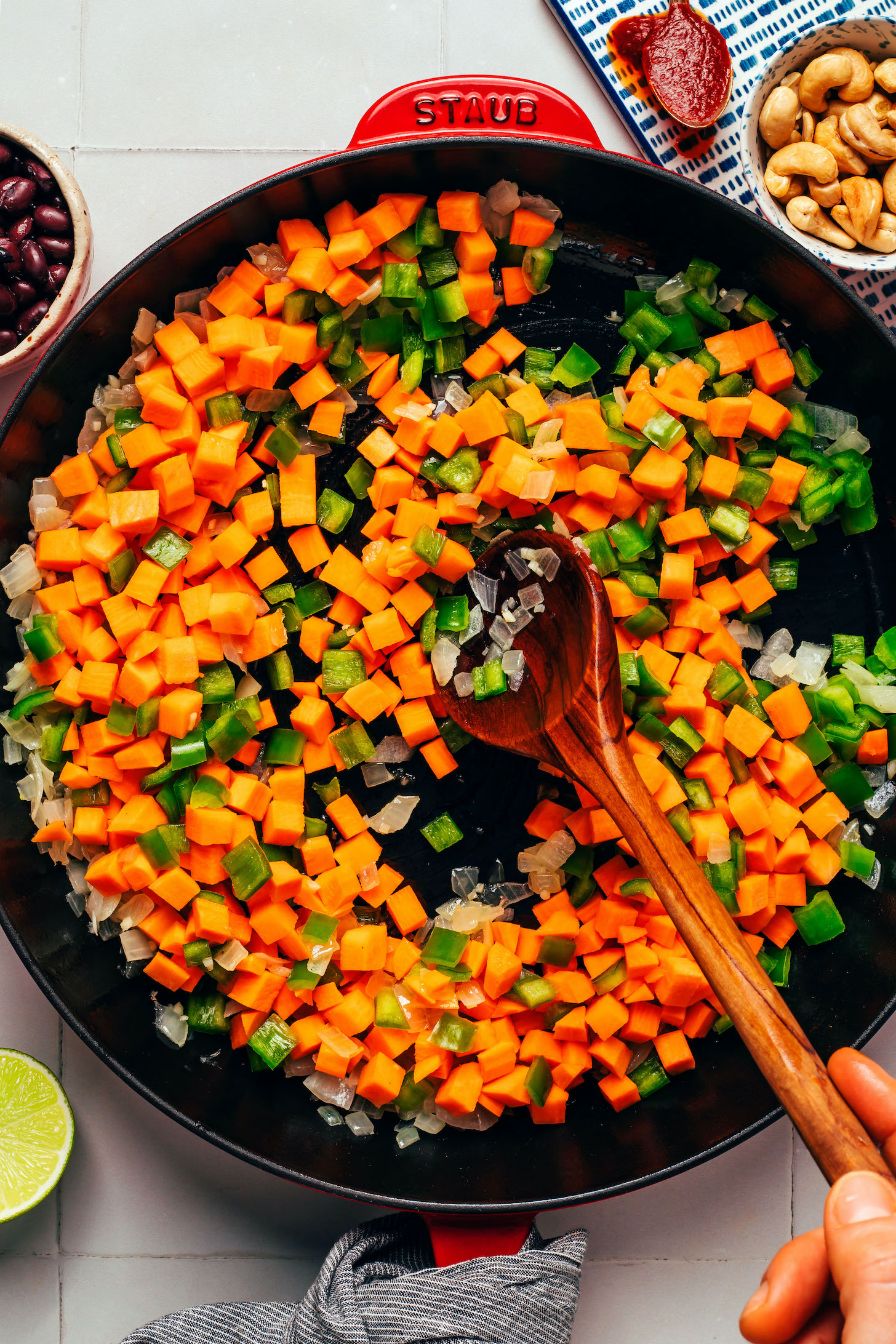
The operational efficiency of this recipe relies on the synchronization of cooking times for various ingredients. The process begins with a sautéing phase, where onions, garlic, and diced sweet potatoes (cut to a precise 1/4-inch to 1/2-inch size) are rendered until tender. The choice of vegetable is intentionally flexible; the inclusion of poblano peppers adds a characteristic depth of flavor, though the dish remains structurally sound when substituted with bell peppers or seasonal squashes like kabocha or butternut.
The methodology proceeds as follows:
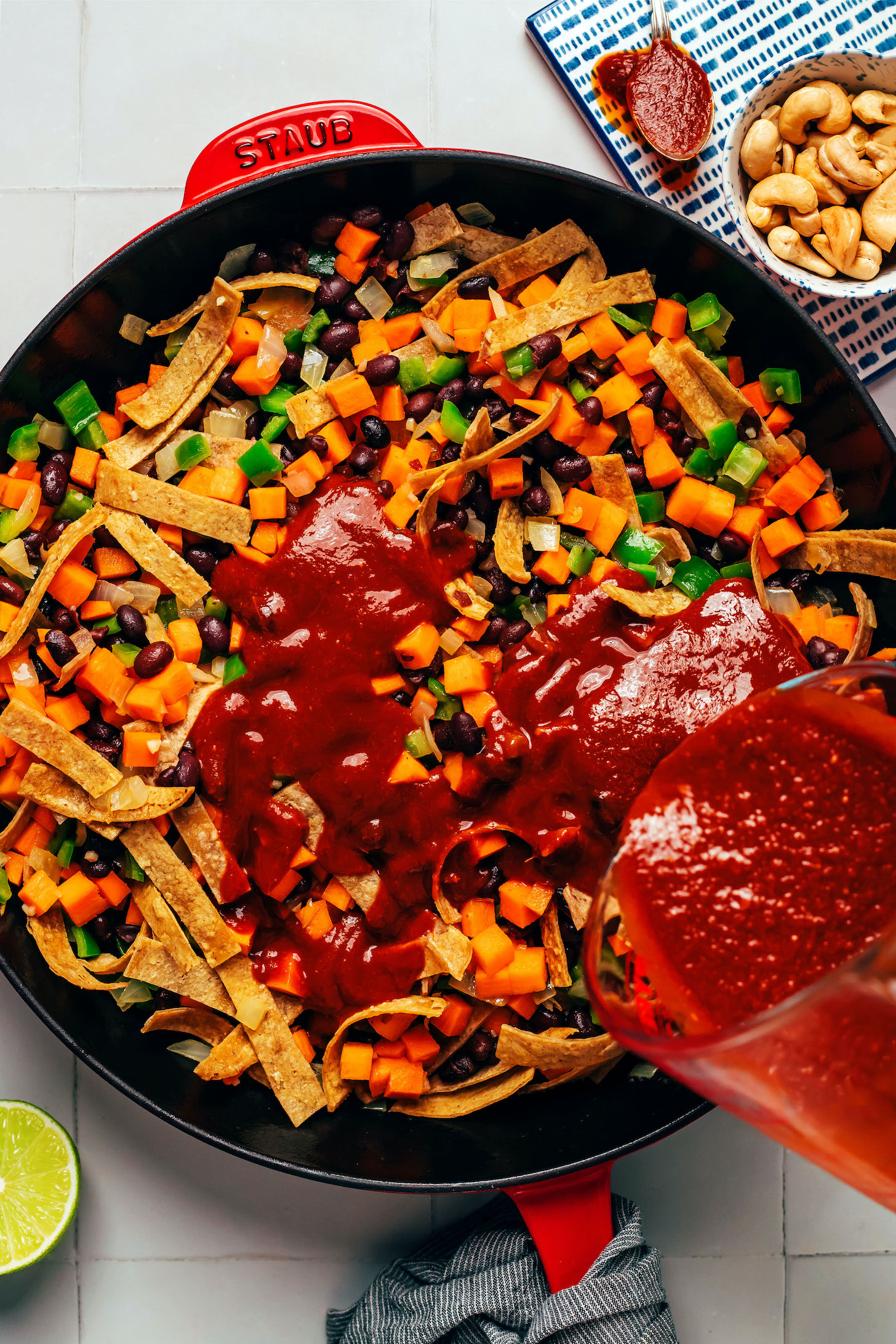
- Base Sautéing: Onion, garlic, and fibrous vegetables are cooked to establish an aromatic foundation.
- Integration: Black beans and corn tortilla strips are incorporated, creating the bulk of the skillet.
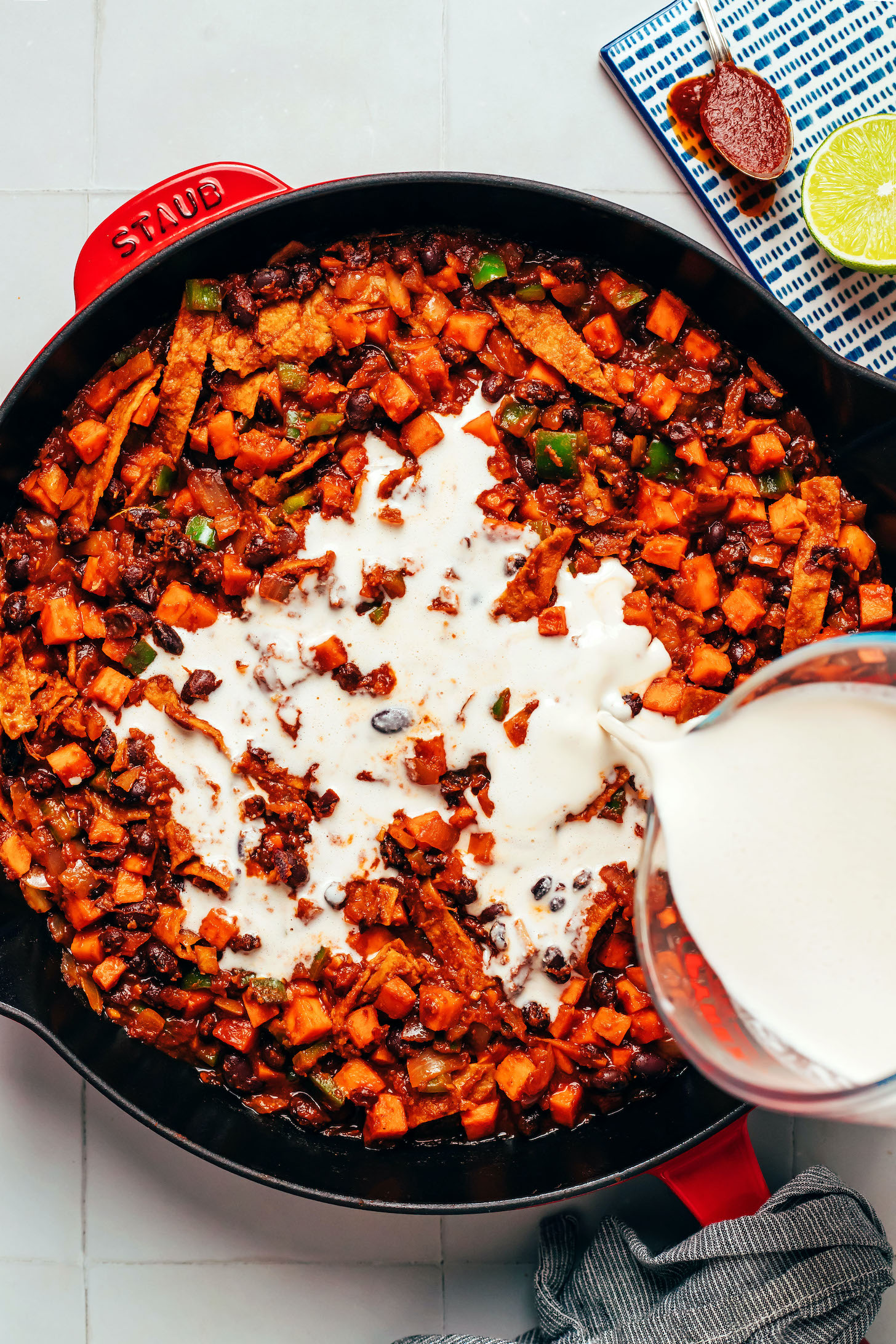
- Reduction: The addition of red enchilada sauce, either homemade or store-bought, allows the starches in the tortillas to thicken the liquid, effectively creating a cohesive, stew-like consistency rather than individual rolls.
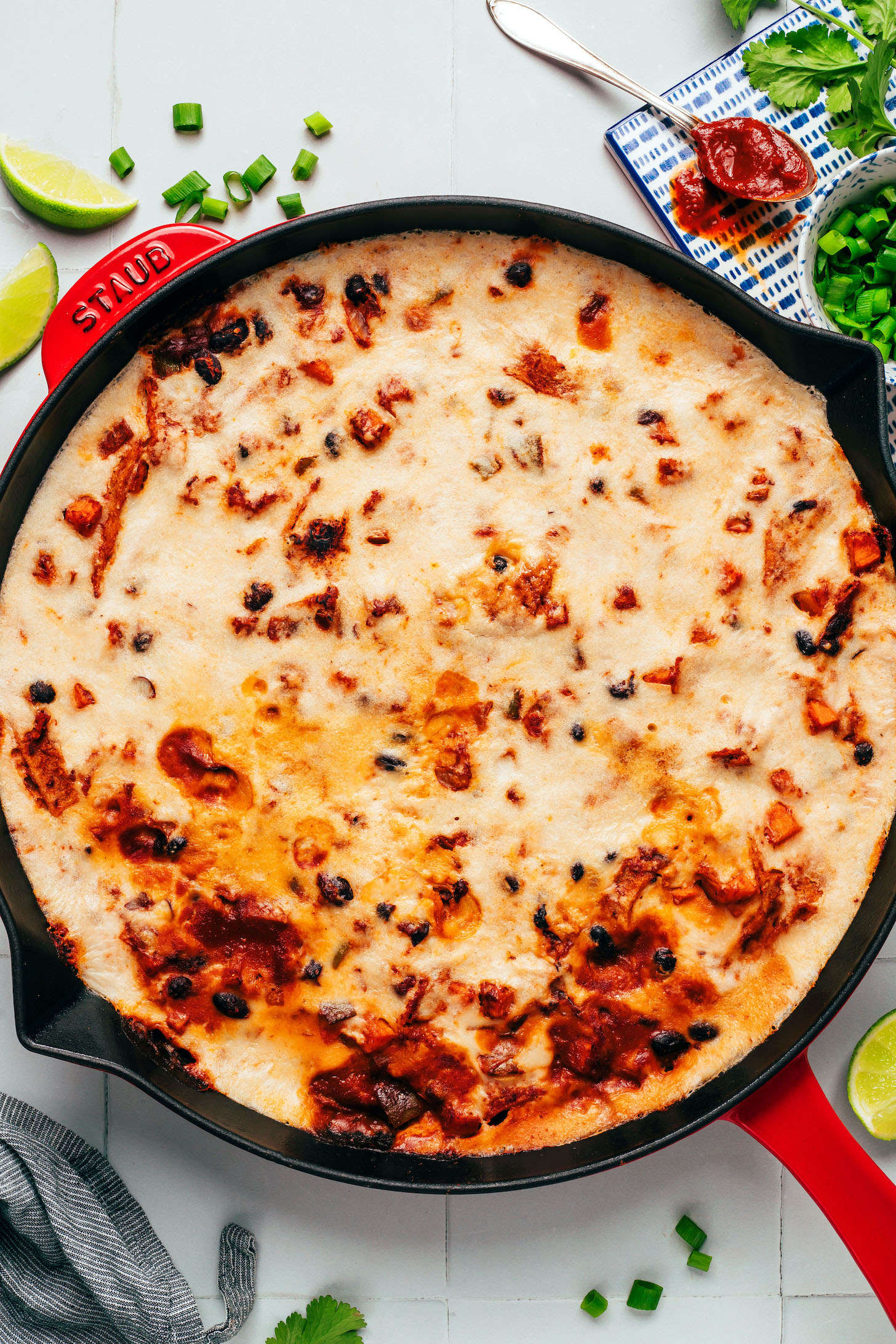
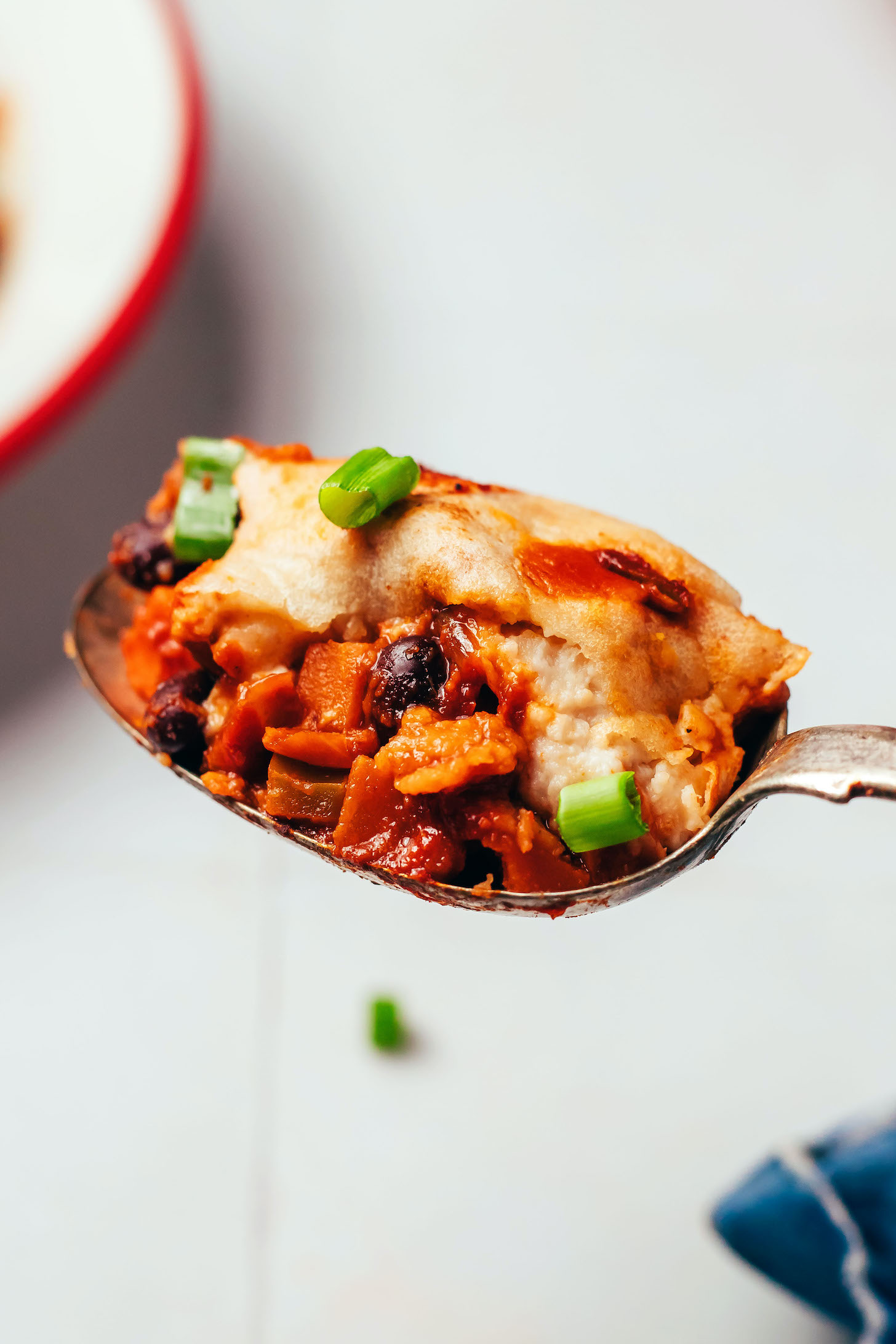
- Emulsification: The cashew-based sauce is applied as a final layer. Under the application of heat and a lid, the tapioca starch undergoes a gelatinization process, which results in the characteristic "melty" finish.
Market Implications and Consumer Adoption
From a market perspective, the rise of "skillet-style" international dishes reflects a broader trend in home-cooking technology. As household time constraints tighten, recipes that utilize a single piece of hardware reduce post-meal cleanup, which has been identified as a primary deterrent for home-cooked meals. This "minimalist" approach has been popularized by various culinary platforms, which argue that the reduction of labor-intensive steps—such as individual wrapping—increases the frequency with which consumers prepare traditional-style meals.
Industry analysts suggest that the "enchilada skillet" represents a successful adaptation of traditional cuisine for the modern kitchen. By retaining the core identity of the dish (the combination of corn, chili, and beans) while altering the form factor, the recipe allows for broader accessibility. Furthermore, the inclusion of a cashew-based cheese provides a high-quality, plant-based alternative that appeals to both strict vegans and those practicing "flexitarian" dietary habits.
Nutritional Analysis and Health Impact
The health implications of this dish are favorable when compared to traditional, meat-heavy iterations. The use of black beans as the primary protein source significantly lowers the cholesterol content to zero milligrams per serving, while the high potassium content (1,034 mg) is notable for a single-pot meal. The reliance on whole foods, rather than ultra-processed meat alternatives, provides a cleaner macronutrient profile.
However, nutritionists point out that the sodium content, at approximately 940 mg per serving, is an area for consideration. This is primarily driven by the use of commercial enchilada sauces, which are frequently high in salt. To mitigate this, culinary experts often recommend the use of homemade red sauce, which allows for the modulation of sodium levels while maintaining the necessary smokiness and spice.
Expert Consensus and Future Outlook
Culinary experts and nutritionists alike have observed that the success of such recipes lies in their versatility. The ability to incorporate leftover vegetables or proteins makes the skillet an effective tool for food waste reduction—a growing concern in domestic sustainability initiatives. Furthermore, the reliance on staples like corn tortillas and dried or canned beans ensures that the recipe remains economically viable, even during periods of inflation when more expensive protein sources may become inaccessible to some households.
Looking ahead, the adaptation of classic recipes into "one-pan" formats is expected to remain a significant pillar of home-cooking content. The ability to replicate the complex, layered flavors of a dish like an enchilada within a 30-minute window demonstrates an effective marriage of culinary tradition and modern efficiency.
As the food industry continues to emphasize both health and sustainability, dishes that prioritize plant-derived proteins and minimal resource expenditure—such as this skillet—are likely to remain at the forefront of contemporary cooking trends. By providing a clear, reproducible framework for a nutritious and historically rooted meal, the vegan enchilada skillet serves as a prime example of how traditional cuisine can evolve to meet the exigencies of the modern, time-pressed consumer. Whether served as a standalone meal or paired with additional protein sources like shredded tofu or lean chicken, the recipe provides a adaptable template that satisfies both the need for convenience and the demand for high-quality, flavorful nutrition.
