
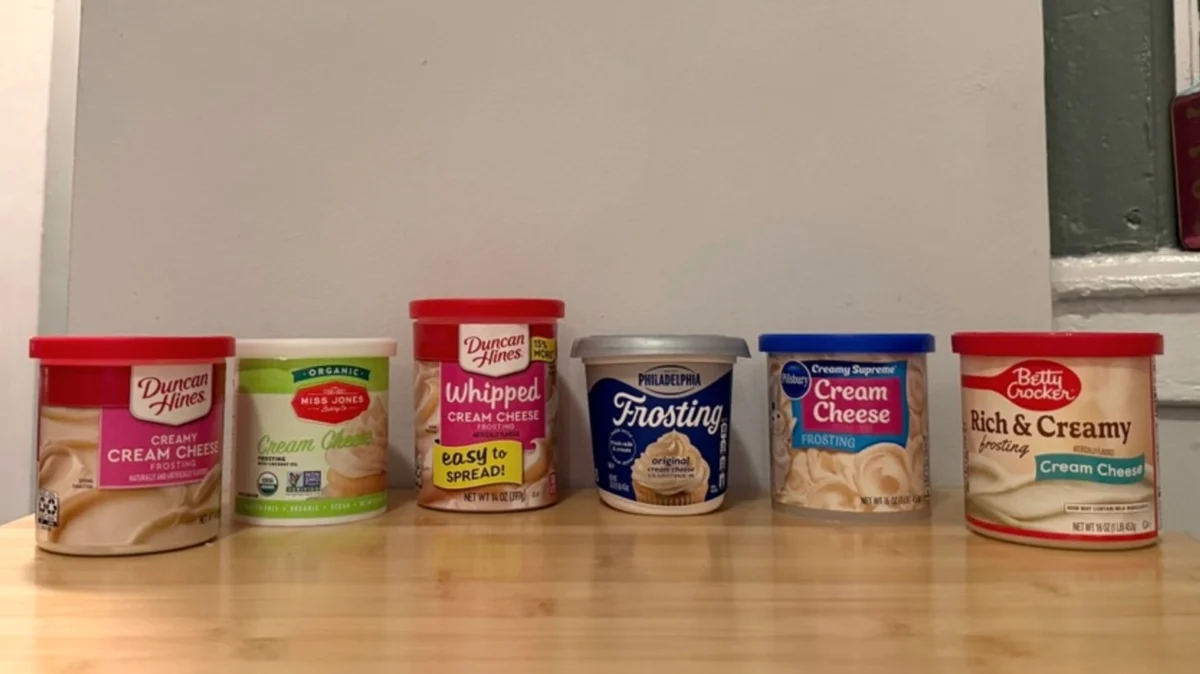
The convenience of ready-made frosting has long been a cornerstone of the home baking industry, offering a time-saving alternative for busy households and professional bakers alike. While artisanal, scratch-made cream cheese frosting remains the gold standard for many, the market for pre-packaged, shelf-stable frostings has expanded significantly to meet consumer demand for accessible, high-quality dessert toppings. A recent comparative analysis of five prominent store-bought cream cheese frosting brands reveals significant discrepancies in texture, flavor profile, and ingredient composition, highlighting a market split between those prioritizing shelf-stability and those aiming for a more authentic, dairy-forward experience.
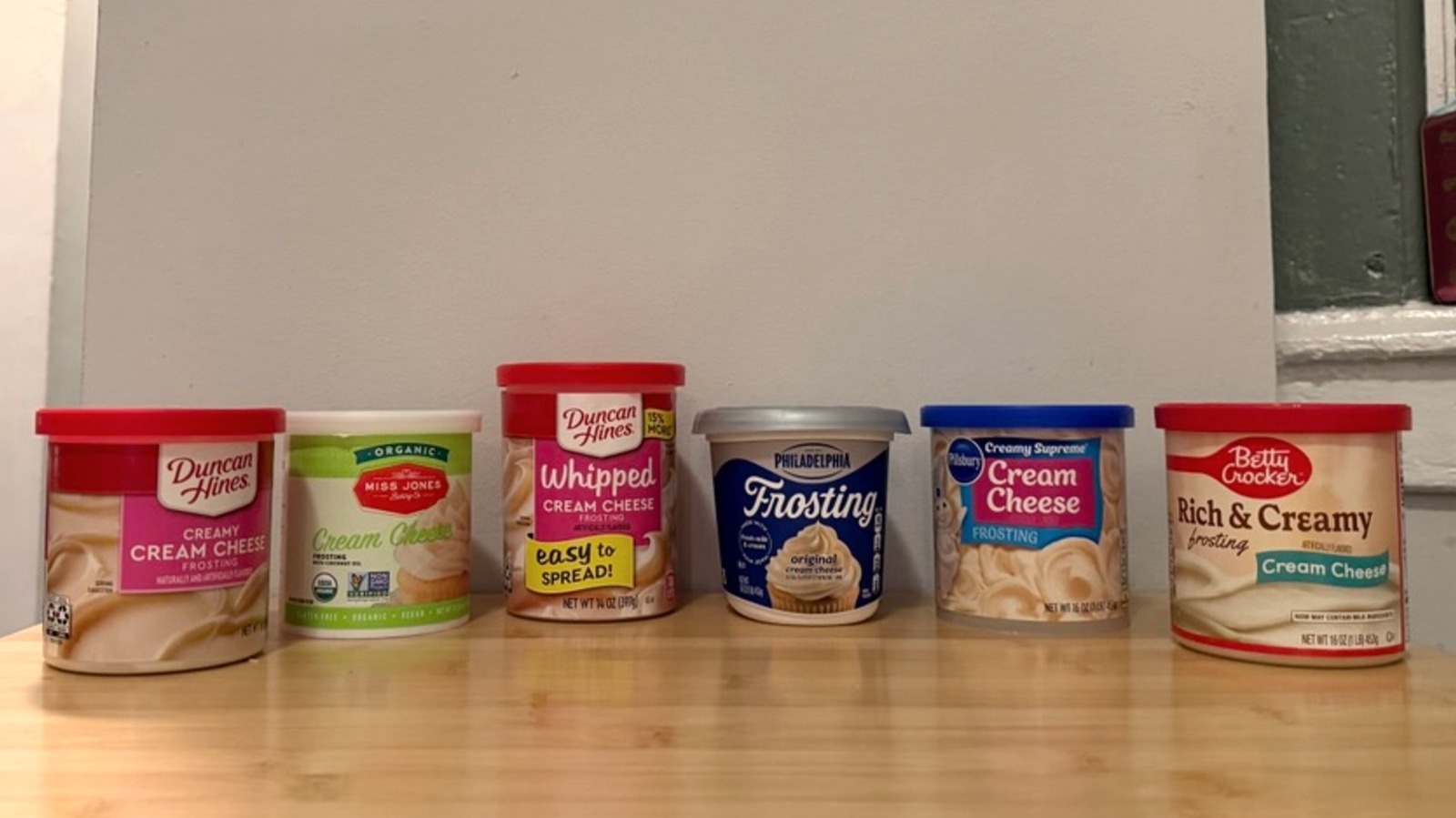
The Evolution of Convenience Baking
The history of canned frosting dates back to the mid-20th century, coinciding with the rise of the "convenience culture" in post-war America. As manufacturers like General Mills and Pillsbury perfected the art of the shelf-stable cake mix, the demand for a corresponding, ready-to-spread frosting grew. Early versions were often criticized for their cloying sweetness and reliance on vegetable oils rather than butter or dairy-based fats. Today, the sector has evolved to include sophisticated formulations, though the challenge of replicating the delicate tang of real cream cheese without the need for constant refrigeration remains a primary hurdle for food scientists.
To determine which products best mimic the profile of a classic, homemade cream cheese frosting, a controlled blind-tasting methodology was employed. Each brand was sampled at room temperature to ensure consistency, with a palate-cleansing interval between samples. The criteria for evaluation included the authenticity of the cream cheese flavor, the structural integrity and spreadability of the frosting, the balance of sweetness, and the absence of artificial, chemical-like aftertastes that often plague mass-produced confections.
Comparative Analysis of Leading Brands
1. Philadelphia: The Gold Standard
Leading the market in terms of sensory quality, Philadelphia Cream Cheese Frosting distinguishes itself by leaning into its core competency: the production of actual cream cheese. Priced at approximately $3.93 for a 16-ounce tub, this product outperformed competitors by successfully balancing the sugary expectations of a frosting with the signature tang of cultured dairy. The formulation demonstrates a superior grasp of texture, maintaining a smooth, cohesive consistency that avoids the graininess often found in lower-tier products. By prioritizing a dairy-centric flavor profile, Philadelphia successfully captures the essence of a cheesecake-style topping, setting a benchmark for the category.
2. Pillsbury: The Balanced Contender
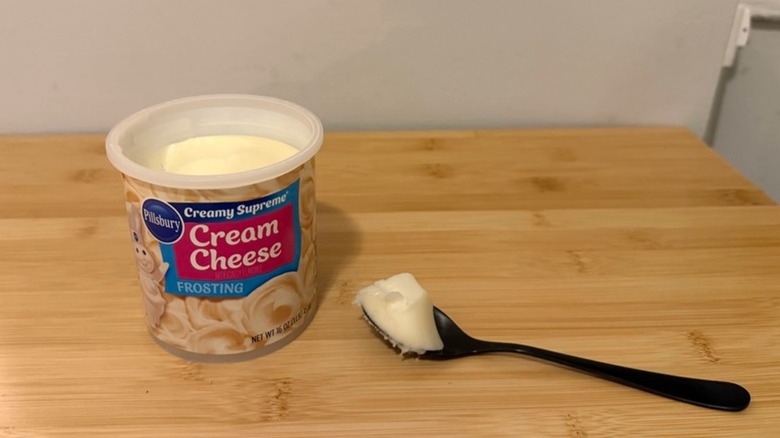
Pillsbury, a staple in the baking aisle, secured the second position with its Creamy Supreme Cream Cheese Frosting. Retailing for around $2.18, the product offers a tiered flavor experience. Testers noted an initial hit of traditional vanilla-based sweetness that transitions into a subtle, recognizable cream cheese finish. While it lacks the bold, tangy intensity of the top-ranked option, its texture is notably consistent—smooth and easy to work with. It serves as an effective, middle-ground option for consumers who prefer a sweeter, less intense dairy profile.
3. Duncan Hines: The Texture Split
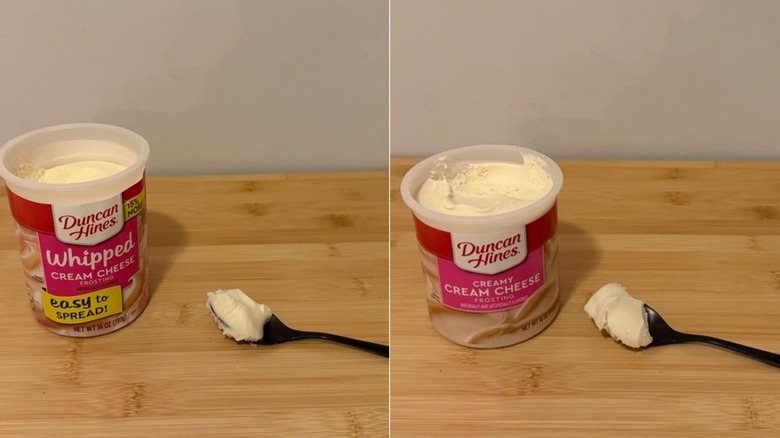
Duncan Hines maintains a significant market presence by offering both standard and "whipped" varieties. During this analysis, the two versions were evaluated collectively due to their nearly identical flavor profiles, which lean heavily toward a generic, sweet confection rather than a distinct cream cheese experience. While the flavor was deemed somewhat ambiguous—lacking the sharp, lactic brightness of cream cheese—the texture of the whipped version provided a more pleasant, airy mouthfeel compared to the denser, traditional creamy variety. At $1.76 per container, it remains a cost-effective choice for standard cake decorating, provided the consumer understands the flavor is more "sweet" than "tangy."
4. Betty Crocker: Analytical Concerns
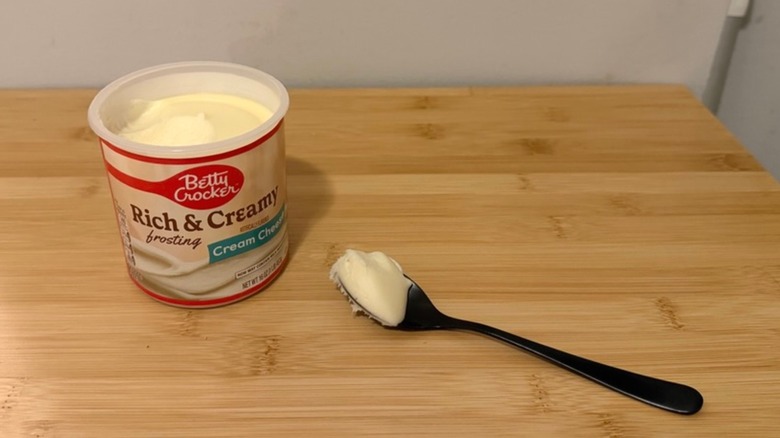
Betty Crocker’s Rich & Creamy Cream Cheese Frosting, priced at $1.96, proved polarizing due to its chemical aftertaste. In food science, this sensation often results from the stabilizers and preservatives necessary to keep the product shelf-stable for extended periods. When consumed in isolation, this artificial profile becomes more pronounced, detracting from the overall eating experience. While functional for basic baking projects, the product struggled to deliver on the promise of its label, failing to provide the expected contrast between the acidity of cream cheese and the sweetness of refined sugar.
5. Miss Jones: Structural Deficiencies
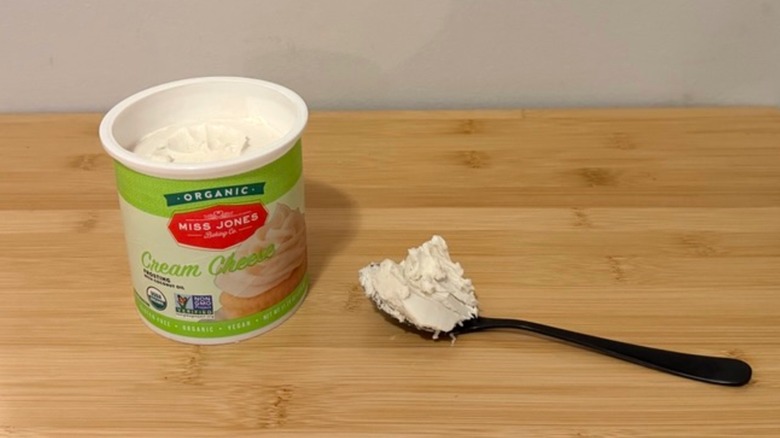
At the bottom of the rankings, Miss Jones presents a unique case study in texture failure. Priced at a premium of $6.89 for an 11.29-ounce container, the product is marketed toward a gluten-free and health-conscious demographic. However, the consistency was found to be excessively dense and pasty, hindering its spreadability. Furthermore, the flavor profile lacked the characteristic tang of cream cheese, instead presenting a neutral, almost clay-like quality. While the inclusion of salt was a notable attempt to balance the sweetness, it was insufficient to compensate for the fundamental issues in both texture and flavor authenticity.
Broader Implications for the Baking Industry
The results of this analysis underscore the widening gap between premium, refrigerated-style frostings and standard shelf-stable alternatives. As consumer interest in "cleaner" labels grows, the pressure on major manufacturers to reduce artificial additives while maintaining shelf stability has intensified. The success of brands that utilize more authentic dairy components, such as Philadelphia, suggests that the modern consumer is increasingly willing to pay a premium for a product that mimics the results of scratch-baking.
From a market perspective, these findings highlight the necessity for ingredient transparency. As shown in the comparative rankings, price does not always correlate with performance; a higher price point, as seen with Miss Jones, did not guarantee a superior sensory experience compared to more established, mass-market brands.
Scientific and Sensory Considerations
The "cream cheese" experience is defined by a specific chemical profile: a combination of lactic acid, fat content, and protein structure. Achieving this in a shelf-stable format is a complex task. Brands that rely on heavy sugar concentrations to achieve a "frosting" consistency often mask the delicate flavor notes of the cream cheese. The most successful products in this test were those that managed to elevate the cream cheese components—either through higher concentrations of dairy solids or more sophisticated flavoring agents—without resorting to an over-reliance on corn syrup or artificial sweeteners.
Conclusion and Recommendations
For home bakers aiming to achieve a result closest to a professional bakery standard, the current market trends favor products that lean into the inherent qualities of cream cheese rather than those that treat it as a secondary flavoring. While the convenience of a $2.00 tub of frosting is undeniable, the trade-off in flavor complexity remains significant. Consumers are advised to look for brands that prioritize a balance of tang and sweetness, as the most effective frostings are those that provide a complementary backdrop to the underlying cake, rather than a jarringly sweet or chemically altered finish. As the industry continues to innovate, it is likely that we will see further refinements in shelf-stable textures, potentially bridging the gap between convenience and artisanal quality in the coming years.
