
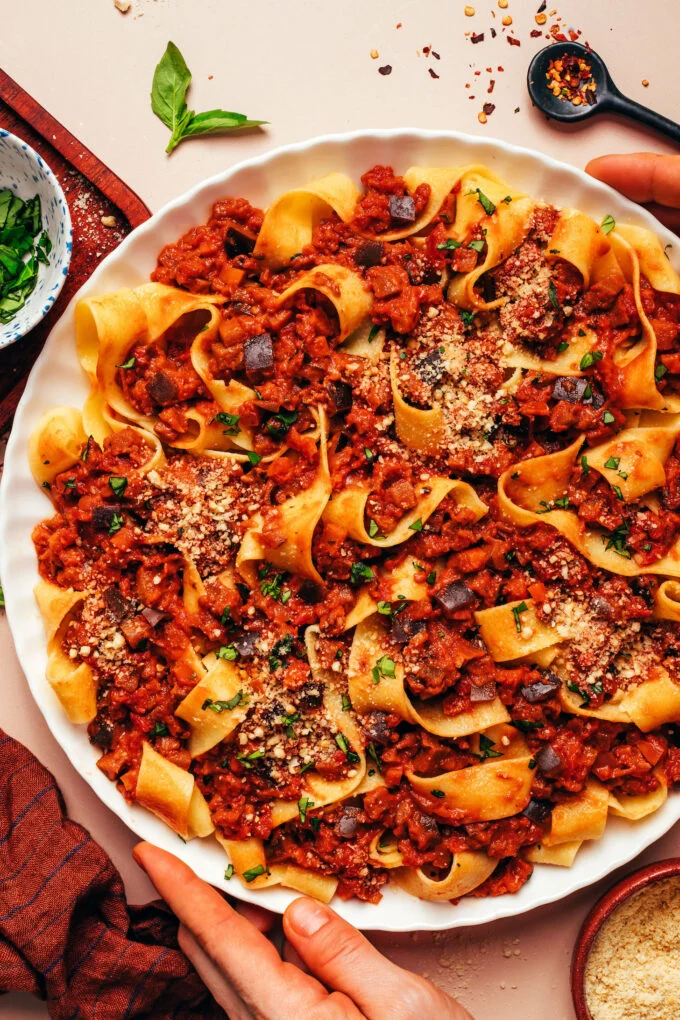
The Evolution of the Traditional Bolognese
Bolognese sauce, historically known as ragù alla bolognese, traces its origins to the city of Bologna in the Emilia-Romagna region of Italy. Traditionally, the sauce is characterized by a slow-cooked preparation involving a soffritto—a finely diced base of onions, celery, and carrots—combined with minced meat, wine, milk, and tomatoes. Over the past decade, the culinary industry has seen a marked increase in the adaptation of this classic recipe to suit modern dietary preferences, particularly vegan and vegetarian lifestyles.
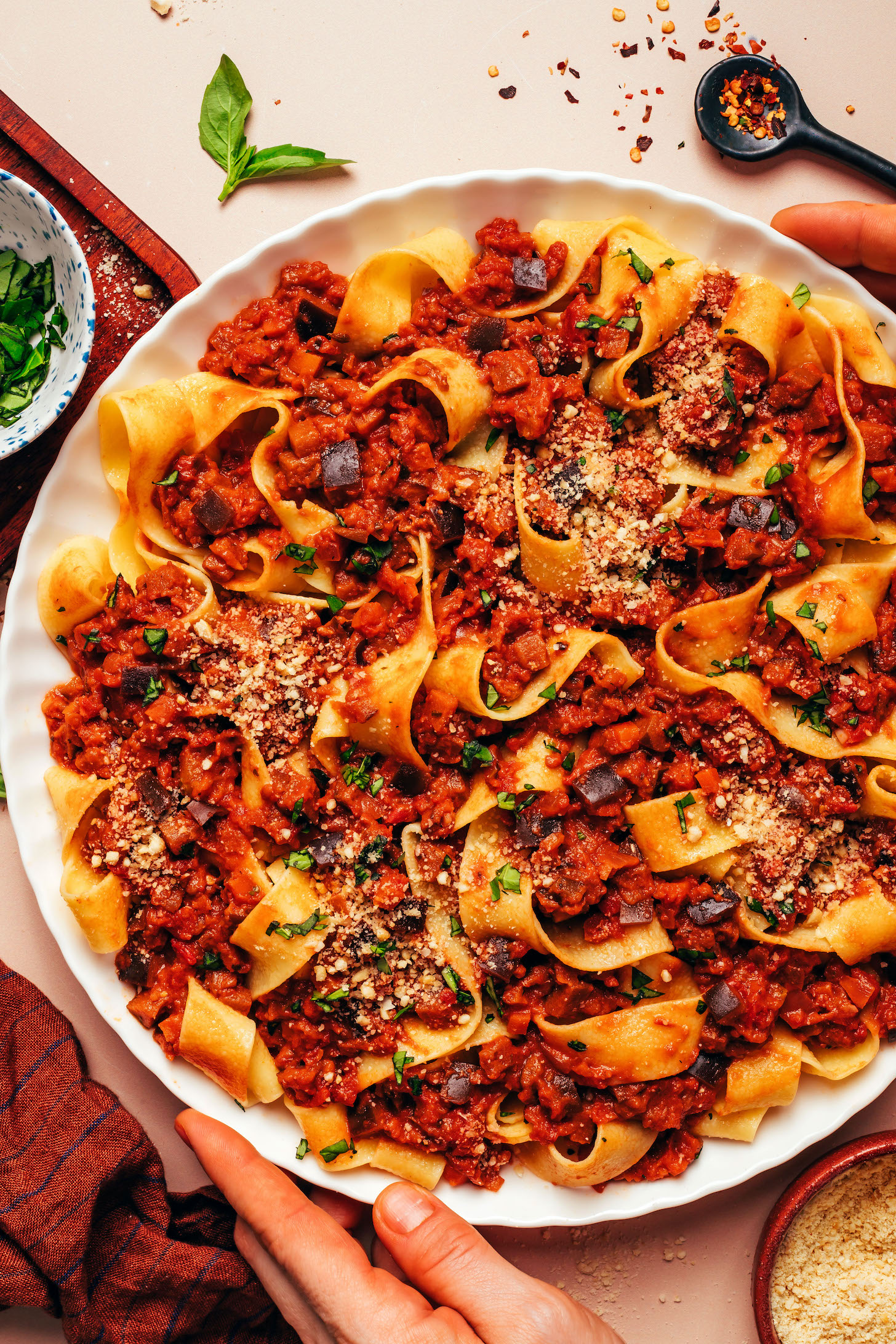
The shift toward vegetable-forward alternatives is largely driven by both environmental concerns and the rising cost of animal protein. According to the United Nations Food and Agriculture Organization (FAO), the transition toward plant-based proteins significantly reduces the water and carbon footprint associated with daily meal consumption. By substituting ground meat with eggplant, this recipe aligns with contemporary efforts to reduce household waste and optimize pantry staples.
Culinary Methodology and One-Pot Efficiency
The rise of the "one-pot" cooking method represents a significant shift in kitchen productivity. Data from various culinary research firms indicate that consumers are increasingly prioritizing "time-to-table" metrics, with an emphasis on minimizing the labor associated with cleanup. This specific iteration of Eggplant Bolognese utilizes a technical approach that hinges on the Maillard reaction—a chemical reaction between amino acids and reducing sugars that gives browned food its distinctive flavor.

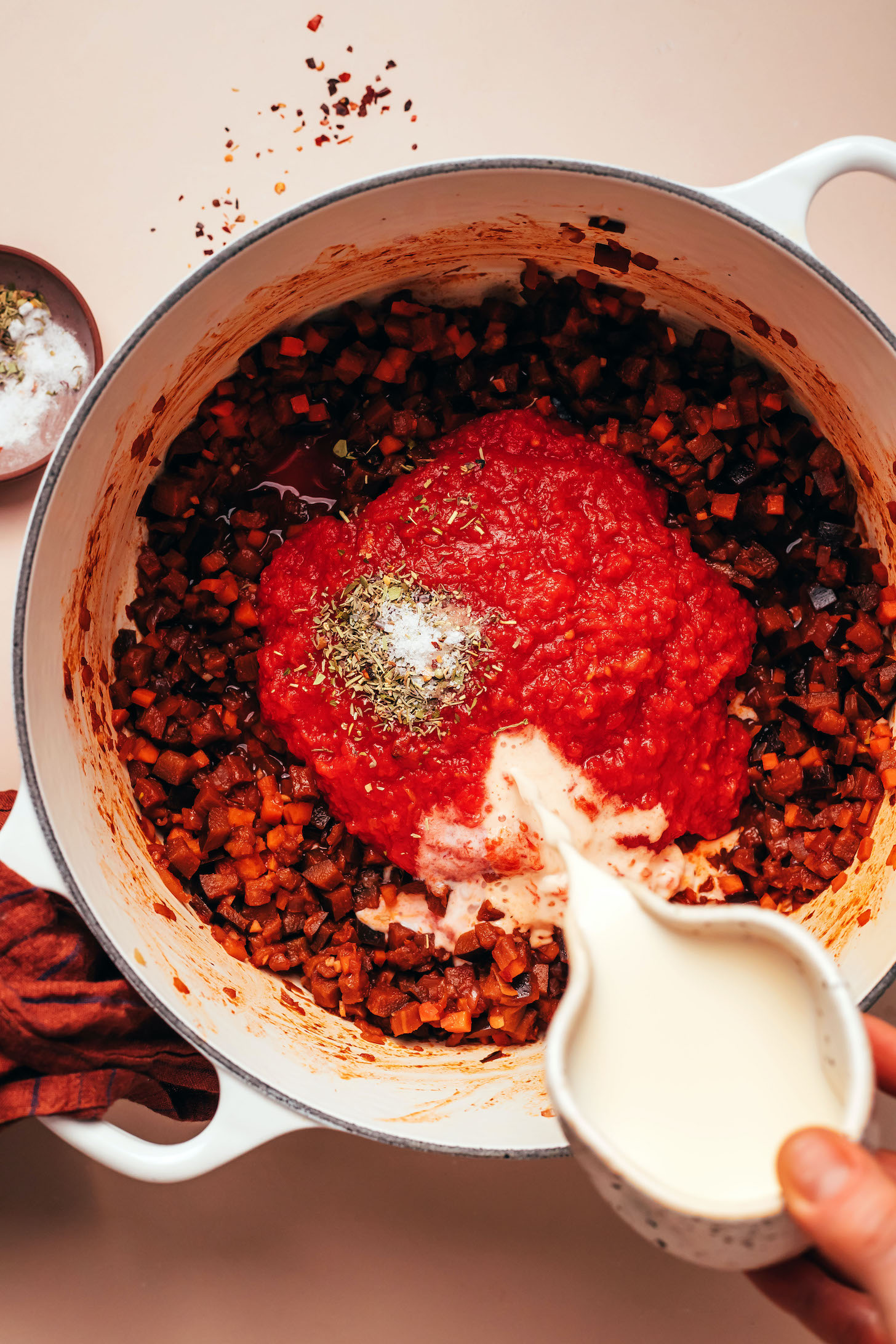
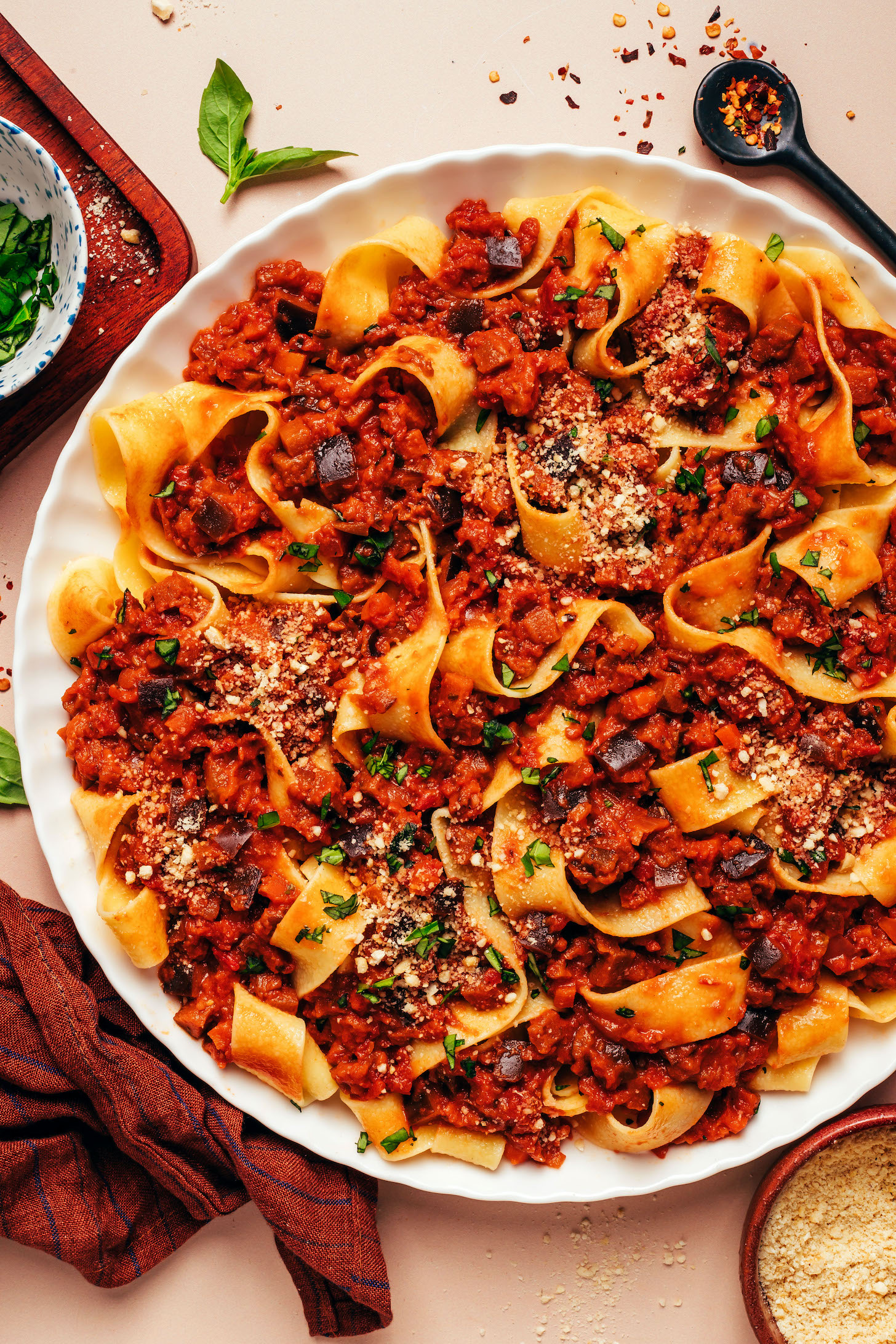
By cubing the eggplant into small, uniform pieces and sautéing them alongside the soffritto, the cook ensures that the vegetable develops a meaty, caramelized texture before the introduction of liquid elements. This technique effectively mimics the savory depth usually provided by slow-cooked meat. The integration of dairy-free alternatives, such as house-made cashew milk, provides the necessary mouthfeel and fat content to emulsify the sauce, ensuring a consistency that remains faithful to traditional preparations despite the omission of dairy cream or butter.
Chronology of the Recipe Development
The development of this dish follows a sequence of iterative culinary testing. Initial stages of the recipe, which were conducted over several months, focused on the structural integrity of the eggplant. Unlike mushrooms or lentils, which have been used in previous plant-based bolognese variations, eggplant possesses a high water content that can lead to a mushy consistency if not handled with precision.

- Phase One: The Base: The soffritto is established in a high-heat Dutch oven, prioritizing the caramelization of the onions and carrots to create a sweet, aromatic foundation.
- Phase Two: Texture Optimization: The eggplant is introduced at high heat to ensure the surface area browns, creating the desired textural contrast.
- Phase Three: Flavor Synthesis: The addition of garlic and red pepper flakes occurs just before deglazing, which lifts the fond—the browned bits stuck to the bottom of the pot—and incorporates them into the sauce.
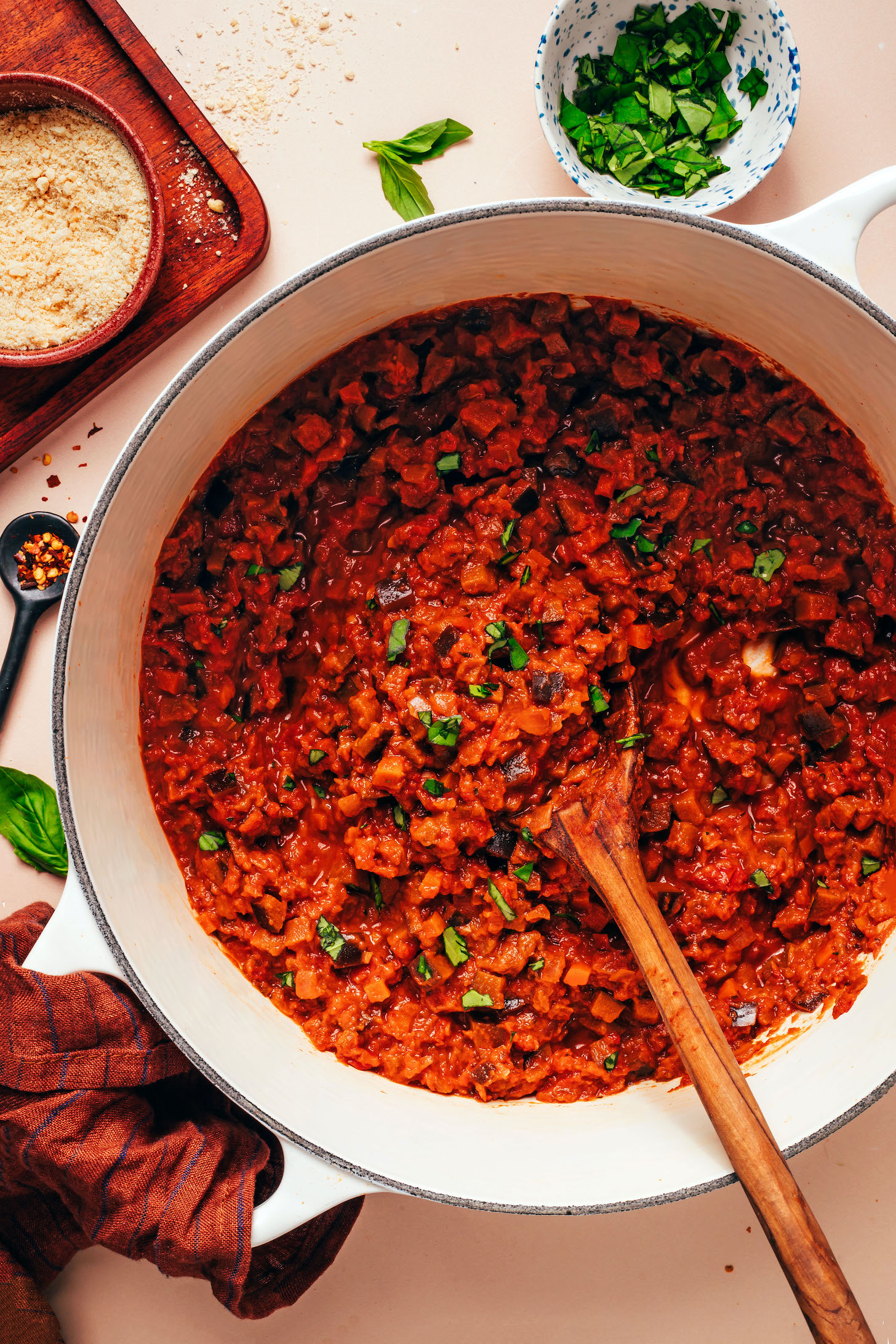
- Phase Four: Reduction: The inclusion of crushed tomatoes and dairy-free milk requires a controlled simmer. The 30-minute timeframe is the critical threshold for the reduction, where liquid evaporates, concentrating the natural sugars and umami compounds.
Nutritional Profile and Dietary Implications
From a nutritional standpoint, the transition to an eggplant-based bolognese offers distinct advantages. While traditional meat-based sauces are high in saturated fats, this plant-based alternative relies on monounsaturated fats from olive oil and the fiber-rich profile of the eggplant.
Current health data suggests that increasing fiber intake is essential for cardiovascular health and glycemic control. An average serving of this dish provides approximately 8.3 grams of dietary fiber, significantly higher than traditional meat-heavy sauces. Furthermore, the use of cashew milk contributes healthy fats and a moderate protein count without the cholesterol associated with animal-based dairy. The caloric density, sitting at approximately 284 calories per serving, positions this dish as a balanced entrée suitable for diverse dietary requirements, including those pursuing weight management or heart-healthy diets.
Broader Impact on the Home-Cooking Sector
The emergence of such recipes signals a broader trend in the home-cooking sector: the democratization of complex flavor profiles. In the past, achieving a deep, complex sauce required hours of simmering and extensive ingredient lists. The modern, simplified version democratizes this process, allowing home cooks to achieve restaurant-quality results with fewer tools and less time.
Industry analysts observe that this trend is not merely a passing fad but a response to the "time-poor" demographic of modern urban residents. As inflation impacts grocery bills, the use of seasonal vegetables like eggplant—which are generally more affordable than premium cuts of meat—provides a buffer for household budgets. The versatility of this sauce, which can be paired with various pasta types, polenta, or even used as a base for vegetable bakes, adds a level of utility that is highly valued in current consumer research.
Expert Perspectives and Culinary Sustainability
Nutritionists and environmental scientists have weighed in on the rise of plant-based adaptations of classic dishes. "The success of this dish lies in its ability to mimic the sensory experience of a traditional ragù without the environmental toll of industrial meat production," notes a spokesperson from the Institute for Sustainable Gastronomy. "By leveraging the natural properties of the eggplant—specifically its ability to absorb flavor—home cooks are finding that they do not need to sacrifice tradition to achieve a more sustainable plate."
Furthermore, the recipe’s flexibility—allowing for the addition of lentils for extra protein or the incorporation of various meats for those who are not strictly vegan—demonstrates a modular approach to cooking. This adaptability is increasingly essential as household dietary needs become more fragmented.
Future Outlook
As we move into the latter half of the decade, it is likely that the "one-pot" methodology will become the standard for weeknight meal preparation. The simplicity of the technique encourages novice cooks to experiment with complex flavors, thereby increasing their culinary confidence. Furthermore, the integration of digital tools, such as the ability to easily source and scale these recipes online, means that techniques like this are spreading globally with unprecedented speed.
In conclusion, the Easy Eggplant Bolognese (1 Pot!) is more than a recipe; it is a manifestation of the current intersection between technology, sustainability, and traditional Italian culinary arts. As more households adopt these streamlined, vegetable-forward methods, the cumulative impact on personal health and environmental preservation is expected to be profound. Whether served as a simple Tuesday night meal or elevated with artisanal toppings for a dinner party, the dish stands as a testament to the fact that efficiency and flavor need not be mutually exclusive in the modern kitchen.
