
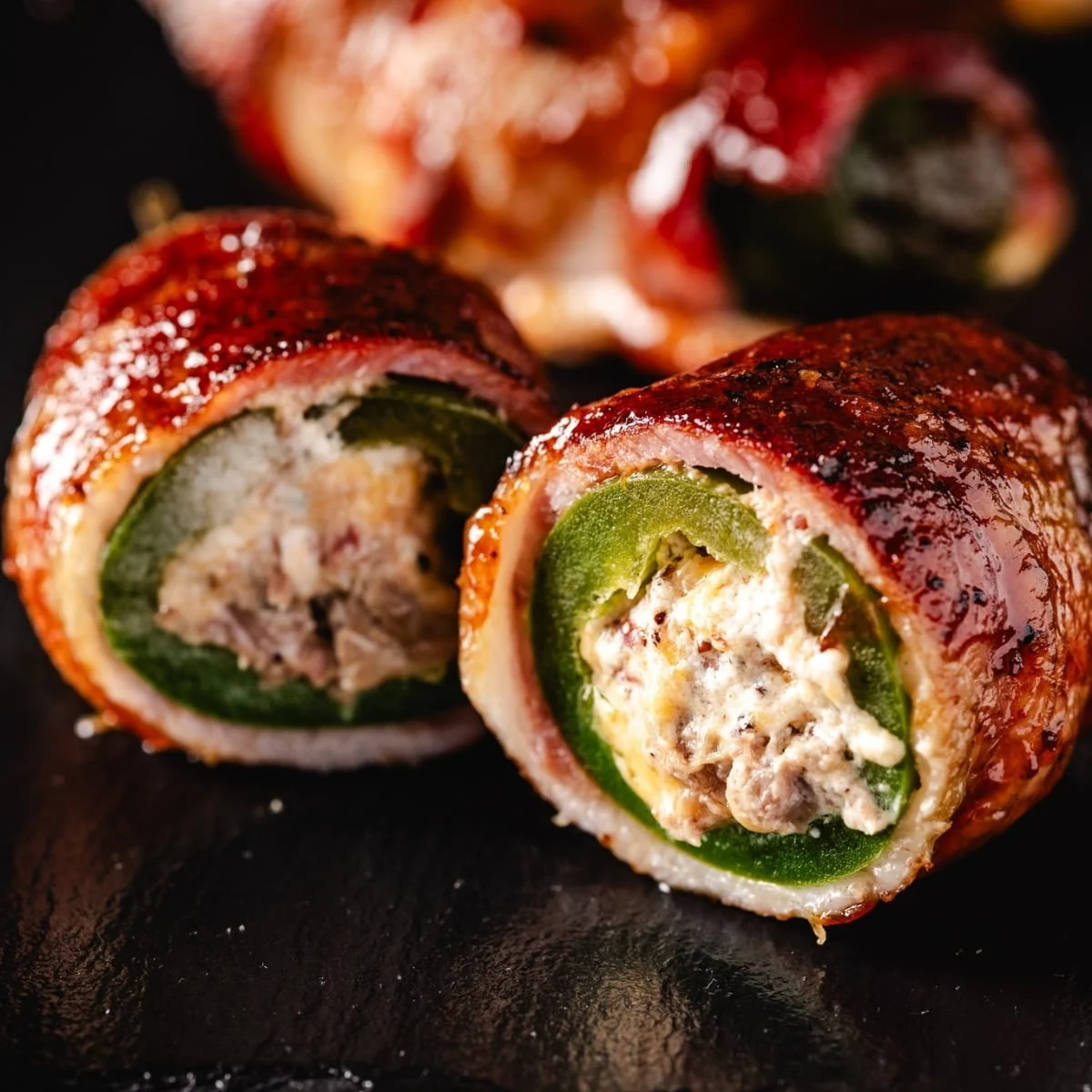
The culinary landscape of the American South has long been defined by its ability to transform humble ingredients into complex, flavor-dense masterpieces, and few items embody this spirit more effectively than the Texas Twinkie. This dish, a sophisticated evolution of the traditional jalapeño popper, represents a confluence of slow-smoked barbecue techniques and classic comfort food aesthetics. At its core, a Texas Twinkie consists of a large jalapeño pepper deseeded and stuffed with a rich mixture of cream cheese and chopped smoked brisket, wrapped tightly in premium bacon, seasoned with a specialized dry rub, and smoked until the textures harmonize into a singular, savory experience. While the name pays a playful homage to the iconic golden sponge cake, the nutritional and flavor profile of the Texas Twinkie is decidedly more robust, positioning it as a premier appetizer in both professional smokehouses and backyard gatherings across the United States.
The Historical Genesis of a Barbecue Phenomenon
The trajectory of the Texas Twinkie from a regional specialty to a national viral sensation can be traced back to Hutchins BBQ, a renowned institution located in McKinney, Texas. The establishment, which has garnered accolades for its commitment to traditional Central Texas barbecue methods, sought to create a signature appetizer that utilized one of their most prized assets: slow-smoked beef brisket. By integrating the fatty, smoky bark and tender interior of the brisket into the cavity of a jalapeño, Hutchins BBQ created a product that addressed the growing consumer demand for "extreme" barbecue—dishes that push the boundaries of traditional meat-and-three-plate service.

The success of the dish at Hutchins BBQ sparked a wider movement within the barbecue community. As social media platforms began to prioritize visual food content, the Texas Twinkie’s aesthetic appeal—the glistening bacon weave, the molten cheese core, and the vibrant green of the pepper—made it an overnight digital success. This visibility led to widespread adoption by culinary influencers and pitmasters, including Susie Bulloch of the "Hey Grill Hey" platform, who refined the recipe for the home cook. Bulloch’s version emphasizes the use of a "Sweet Rub" to counterbalance the heat of the pepper and the saltiness of the bacon, further democratizing a dish that once required a pilgrimage to North Texas to experience.
Technical Composition and Ingredient Analysis
To understand the enduring popularity of the Texas Twinkie, one must examine the scientific and culinary balance of its components. The dish operates on a principle of contrasting flavors and textures, often referred to in culinary circles as "the flavor compass."
The Scoville Factor: The Jalapeño Vessel
The foundation of the dish is the jalapeño pepper, which typically ranges from 2,500 to 8,000 Scoville Heat Units (SHU). In the preparation of Texas Twinkies, the peppers are usually sliced in a "T-shape" or halved to allow for the removal of the seeds and pith, where the majority of the capsaicin is concentrated. This process ensures that the heat remains manageable for a broad audience while providing a crisp, slightly acidic vessel that cuts through the richness of the filling.

The Protein Core: Smoked Brisket
The inclusion of brisket is what elevates the Texas Twinkie above the standard jalapeño popper. Ideally, the brisket used is "leftover" or secondary-day brisket, which has already undergone a 12-to-16-hour smoking process. The collagen in the brisket has already converted to gelatin, providing a succulent mouthfeel that integrates seamlessly with the melted cheese. From a sustainability standpoint, this use of brisket represents a high-value recovery of a premium protein, reducing food waste in commercial kitchen settings.
The Emulsifiers: Cream Cheese and Sharp Cheddar
The filling utilizes a blend of cream cheese and sharp cheddar. The cream cheese serves as a thermal insulator and a flavor dampener, coating the palate to mitigate the jalapeño’s spice. The sharp cheddar provides the necessary salt and "tang," which complements the deep, umami notes of the beef.
The Seal: Thick-Cut Bacon
Wrapping the pepper in bacon serves two purposes: it seals the filling inside the pepper during the melting phase and adds a layer of rendered pork fat to the exterior. As the bacon smokes, it undergoes the Maillard reaction, developing a complex crust that provides the essential "crunch" required to round out the dish’s texture.

The Chronology of Preparation: A Pitmaster’s Workflow
The production of a Texas Twinkie is a multi-stage process that requires precision in both preparation and thermal management. A standard workflow for producing these appetizers follows a rigorous timeline to ensure food safety and optimal flavor development.
- Preparation and Deseeding: Pitmasters begin by selecting large, uniform jalapeños. A horizontal slit is made near the stem, followed by a longitudinal slit down the length of the pepper. The internal membranes are removed using a small spoon or coring tool.
- Filling Synthesis: The filling is created by folding cold, chopped brisket into softened cream cheese and shredded cheddar. Specialized seasonings, such as a sweet and savory dry rub, are incorporated at this stage to ensure the interior is as flavorful as the exterior.
- Stuffing and Sealing: Each pepper is generously stuffed. The longitudinal slit is pressed closed, and a full strip of bacon is wrapped spirally around the pepper, ensuring the ends are tucked or secured to prevent unraveling during the protein contraction that occurs during cooking.
- The Smoking Phase: The Twinkies are placed in a smoker preheated to approximately 225°F to 250°F (107°C to 121°C). This temperature range is critical; it is high enough to render the bacon fat but low enough to prevent the cream cheese from breaking or the jalapeño from becoming overly mushy.
- Glazing and Finishing: In the final 15 to 20 minutes of the two-hour smoking window, a Texas-style BBQ sauce is often applied. This glaze provides a tacky, sweet finish that adheres to the bacon, adding a final layer of complexity.
Nutritional Data and Consumer Considerations
From a nutritional perspective, the Texas Twinkie is a calorie-dense appetizer, reflecting its status as a celebratory or "game-day" food item. Based on standard recipe formulations, a single serving (approximately two halves or one large pepper) contains the following estimated values:
- Calories: 479 kcal
- Total Fat: 34g (with 15g of Saturated Fat)
- Protein: 24g
- Carbohydrates: 20g
- Sodium: 819mg
The high sodium and fat content are characteristic of traditional barbecue, though the significant protein count (24g) distinguishes it from many other appetizer options. For health-conscious consumers, pitmasters often suggest using lean brisket points or turkey bacon as alternatives, though these substitutions can alter the traditional flavor profile and rendering process.

Market Impact and the Rise of "Mail-Order BBQ"
The popularity of Texas Twinkies has had a measurable impact on the barbecue economy. As the dish became a "must-have" item, several Texas-based smokehouses expanded their operations to include national shipping. Through partnerships with e-commerce platforms like Goldbelly, Hutchins BBQ and others now ship flash-frozen, vacuum-sealed Texas Twinkies to all 50 states. This transition from a local snack to a shippable commodity illustrates the broader trend of "destination dining" moving into the digital marketplace.
Furthermore, the "Twinkie effect" has influenced the retail sector. Sales of specialized jalapeño corers, bacon-grilling racks, and barbecue rubs have seen an uptick as home enthusiasts attempt to replicate the professional results in their backyards. The rise of barbecue influencers like Susie Bulloch has further fueled this market, as her "Hey Grill Hey" brand provides both the instructional content and the proprietary rubs and sauces necessary for the recipe.
Broader Implications for Barbecue Culture
The Texas Twinkie represents a shift in barbecue philosophy. Historically, Texas barbecue was focused almost exclusively on the "Holy Trinity" of meats: brisket, ribs, and sausage. Side dishes and appetizers were often an afterthought, consisting of simple beans, potato salad, or white bread. However, the modern barbecue era is defined by innovation and "fusion" concepts.

The Texas Twinkie is a precursor to other stuffed barbecue items, such as the "Armadillo Egg" (a cheese-stuffed jalapeño encased in sausage meat) and various forms of loaded tater tots or fries. This evolution suggests that the future of American barbecue lies in the creative repurposing of traditional smoked meats into handheld, snackable formats that appeal to a younger, more mobile demographic.
Moreover, the dish highlights the importance of the "Pitmaster-Influencer" relationship. By sharing the secrets of the Texas Twinkie, professional cooks have created a feedback loop where home cooks innovate on the recipe—adding ingredients like pineapple, different cheeses, or alternative meats—which then flows back into the professional circuit.
Conclusion
The Texas Twinkie is more than just a bacon-wrapped jalapeño; it is a testament to the ingenuity of the Texas barbecue tradition and its ability to adapt to modern culinary trends. By combining the technical rigor of low-and-slow smoking with the universal appeal of the jalapeño popper, it has secured its place as a staple of the American appetizer canon. As the barbecue industry continues to grow and evolve, the Texas Twinkie stands as a benchmark for how traditional flavors can be reimagined for a global audience, ensuring that the spirit of McKinney, Texas, continues to resonate in backyards and restaurants across the world.
