
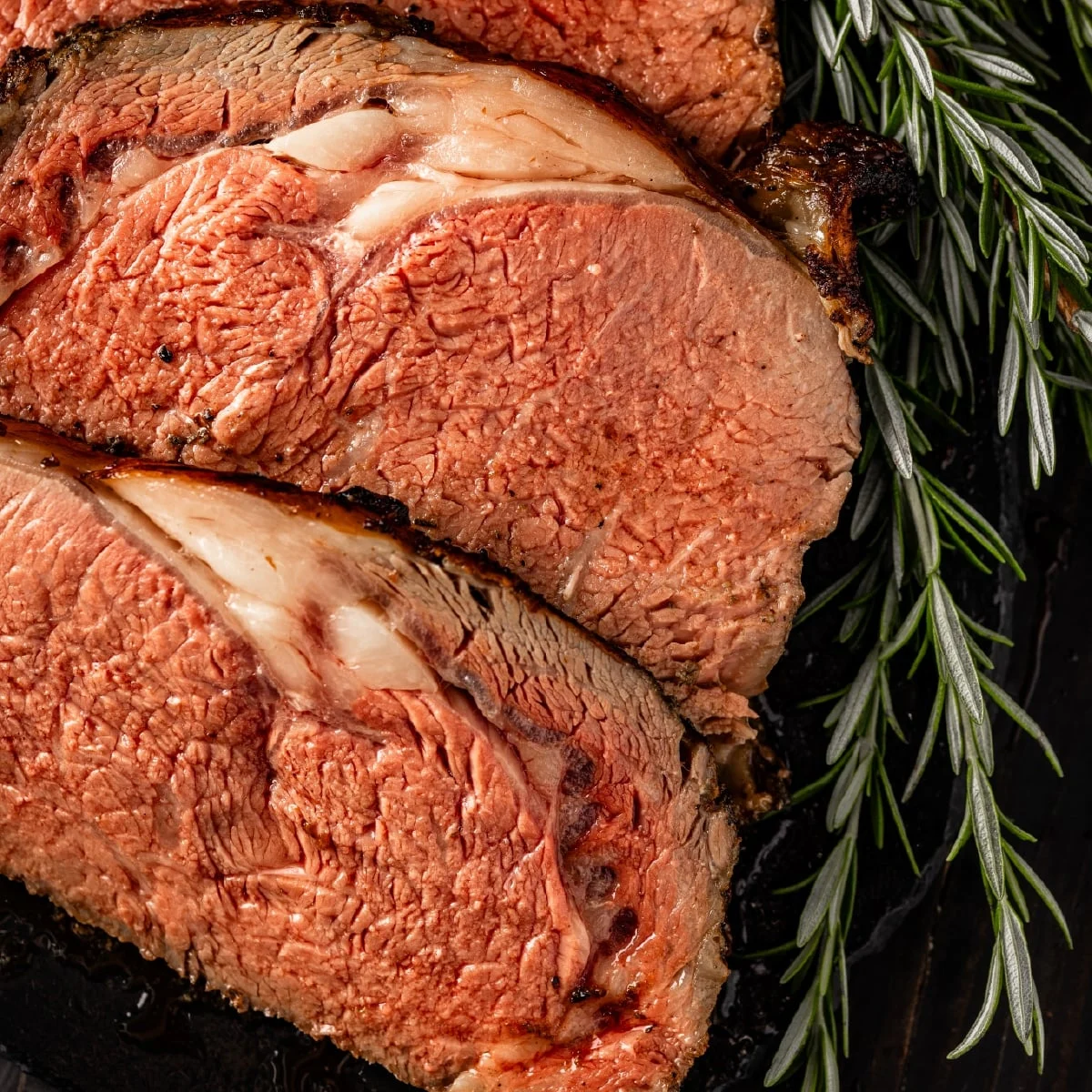
The culinary landscape of holiday entertaining has undergone a significant transformation in recent years, as home cooks increasingly adopt professional-grade techniques to ensure consistency and quality in high-stakes meal preparation. Central to this movement is the application of the sous vide method to the prime rib roast, a cut of beef traditionally revered for its flavor and marbling but often feared for the difficulty involved in achieving uniform doneness. By utilizing precise thermal control, the sous vide method—which translates from French as "under vacuum"—guarantees a consistent medium-rare texture from edge to edge, effectively eliminating the "gray ring" of overcooked meat common in traditional oven-roasting. This report examines the technical requirements, chemical processes, and logistical considerations involved in producing the perfect sous vide prime rib, while analyzing the broader impact of precision cooking technology on contemporary domestic gastronomy.
The Evolution of Sous Vide in the Domestic Kitchen
Historically, sous vide was the exclusive domain of industrial food processing and high-end Michelin-starred restaurants. Developed in the mid-1970s by Georges Pralus for the Restaurant Troisgros in Roanne, France, the method was initially used to minimize the shrinkage of foie gras during cooking. It wasn’t until the early 21st century, with the advent of affordable immersion circulators, that the technique became accessible to the general public.

The appeal of sous vide for a cut as expensive and substantial as a prime rib roast is rooted in the science of thermodynamics. Traditional roasting relies on a high-temperature environment (the oven) to transfer heat to the center of the meat. Because air is an inefficient conductor of heat, the exterior of the roast must be subjected to temperatures far exceeding the desired final internal temperature, leading to a gradient of doneness. In contrast, sous vide uses water—a highly efficient thermal conductor—to bring the meat to an exact, pre-determined temperature. For a medium-rare prime rib, this typically involves a steady environment of 129 degrees Fahrenheit (54 degrees Celsius) maintained for several hours.
Technical Specifications and Ingredient Composition
A successful sous vide prime rib requires a strategic approach to seasoning and preparation. The recipe popularized by culinary experts like Susie Bulloch of Hey Grill Hey emphasizes a robust dry rub that complements the rich, fatty profile of the ribeye muscle. The seasoning blend typically includes:
- Coarse Kosher Salt: Essential for moisture retention and flavor enhancement through the process of osmosis.
- Coarse Black Pepper: Provides a sharp, pungent contrast to the richness of the beef.
- Garlic and Onion Powder: These aromatics offer a savory depth that penetrates the surface of the meat during the long cook time.
- Dried Thyme and Rosemary: These woody herbs provide the classic "holiday" flavor profile associated with traditional English-style roasts.
The selection of the meat itself is the most critical variable. A prime rib, or standing rib roast, is taken from the primal rib section of the cow, specifically ribs six through twelve. For a six-pound roast, which serves approximately six to eight adults, the sous vide method provides a safeguard against the financial risk of overcooking a cut that can cost upwards of $150 at current market prices.

Chronology of the Sous Vide Process
The preparation of a sous vide prime rib is a multi-stage operation that requires significant lead time, though the active labor involved is minimal. The timeline can be broken down into four distinct phases:
1. Preparation and Vacuum Sealing
The roast is first trimmed of excess exterior fat, though a significant fat cap is often left to provide flavor. The meat is then heavily coated in the dry rub. Vacuum sealing is the next critical step. By removing the air from the bag, the cook ensures that the meat is in direct contact with the heated water, facilitating efficient heat transfer. This stage also prevents the oxidation of fats and the loss of volatile flavor compounds.
2. The Thermal Bath
For a six-pound roast, the recommended cooking time is approximately eight hours at 129 degrees Fahrenheit. This extended duration is necessary not just to reach the target internal temperature, but to allow for the enzymatic breakdown of connective tissues (collagen) into gelatin. This transformation results in a more tender mouthfeel than can be achieved through rapid roasting.

3. The Maillard Reaction (The Sear)
A common critique of sous vide meat is its unappealing, "gray" exterior upon removal from the bag. To rectify this, a final sear is required. This involves exposing the surface of the meat to intense heat—either via a high-temperature grill, a heavy cast-iron skillet, or a 500-degree Fahrenheit oven—for a brief period (usually 5 to 10 minutes). This triggers the Maillard reaction, a chemical reaction between amino acids and reducing sugars that gives browned food its distinctive flavor and "bark."
4. Resting and Presentation
Unlike traditional roasts, which require a lengthy resting period to allow juices to redistribute as the temperature stabilizes, sous vide meats require very little rest. Because the temperature gradient is non-existent, the muscle fibers are less constricted, and moisture loss is minimized upon carving.
Equipment Requirements: High-Tech vs. Traditional Methods
The growth of the "connected kitchen" has seen a surge in the sales of immersion circulators, such as those produced by Anova or Joule. These devices contain a heating element and a water pump, allowing them to maintain water temperatures within a fraction of a degree. Supporting equipment often includes dedicated polycarbonate water containers and vacuum sealing machines like the FoodSaver.

However, industry analysts note that the barrier to entry for sous vide is lowering. "DIY" methods—using a heavy-bottomed pot, a zip-top freezer bag (using the water displacement method to remove air), and a digital instant-read thermometer—allow home cooks to achieve similar results without a dedicated immersion circulator. The primary challenge of the manual method is the need for constant monitoring to ensure the water temperature does not fluctuate, which can be labor-intensive over an eight-hour period.
Food Safety and Storage Protocols
Food safety is a paramount concern when cooking at low temperatures for extended periods. According to USDA guidelines, the "danger zone" for bacterial growth is between 40 and 140 degrees Fahrenheit. While 129 degrees is technically within this zone, the duration of the cook in a sous vide environment acts as a form of pasteurization. By maintaining a steady temperature for eight hours, the thermal death curve of common pathogens like Salmonella and E. coli is reached, rendering the meat safe for consumption.
Furthermore, the sous vide method offers superior options for managing leftovers. Because the meat is already sealed and cooked to a precise temperature, it can be rapidly chilled in an ice bath and stored in the refrigerator for three to four days or frozen for up to three months. Reheating leftover prime rib is notoriously difficult, as traditional methods (like the microwave or oven) often overcook the meat. Sous vide solves this by allowing the user to return the meat to a 129-degree water bath, restoring it to its original state without further cooking the proteins.

Economic and Cultural Implications
The rise of sous vide prime rib reflects broader economic trends in the meat industry. As the price of premium beef continues to rise due to supply chain fluctuations and grain costs, the "insurance policy" provided by sous vide cooking becomes more attractive to the average consumer. The ability to guarantee a perfect result on a high-cost item reduces the "fear factor" associated with hosting large holiday gatherings.
Culturally, the method represents a shift toward "slow food" and artisanal preparation. In an era of instant gratification, the commitment to an eight-hour cooking process is seen as a mark of culinary dedication. It also aligns with the "set it and forget it" convenience of slow cookers, but with the sophisticated results of gourmet dining.
Conclusion
The sous vide prime rib roast stands at the intersection of traditional holiday values and modern technological precision. By understanding the science of thermal equilibrium and the chemistry of the Maillard reaction, home cooks can produce a centerpiece that rival those of professional steakhouses. While the equipment and time requirements are greater than those of a standard roast, the consistency, tenderness, and flavor profile of the final product suggest that sous vide will remain a staple technique for holiday "heroes" in the years to come. As kitchen technology continues to evolve, the democratization of these professional techniques ensures that the perfect medium-rare bite is no longer a matter of luck, but a matter of physics.
