
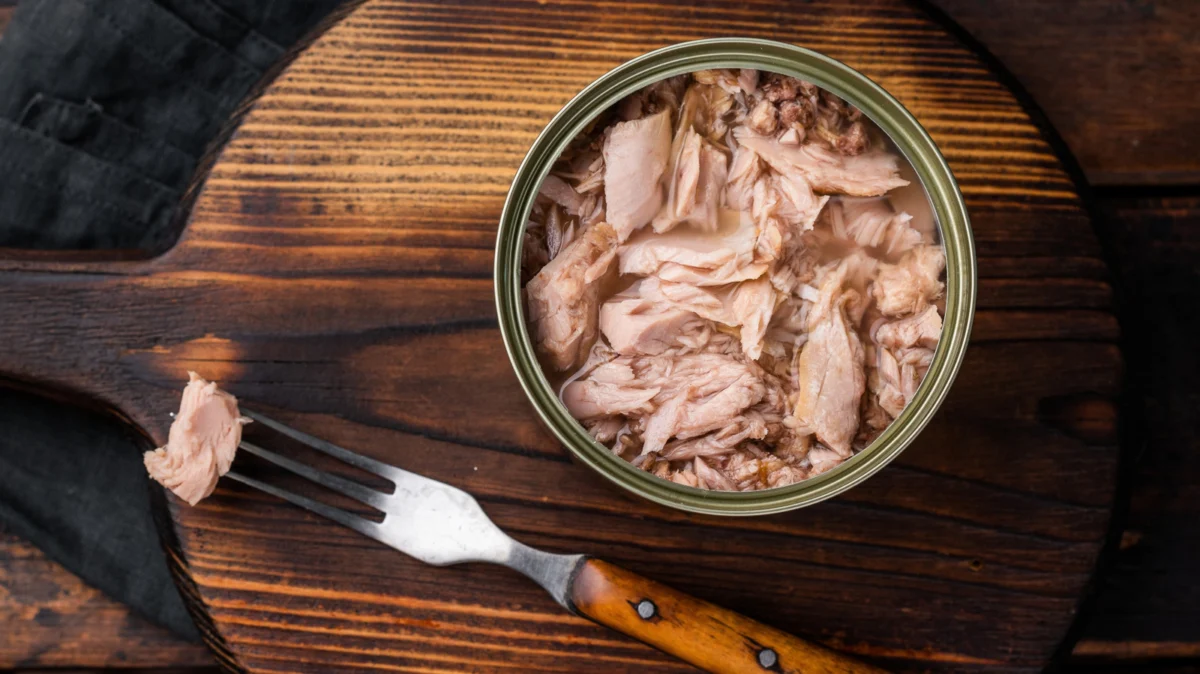
In an era where grocery prices continue to climb, the humble tuna pouch has emerged as a surprising beacon of affordability and quality for budget-conscious consumers. Walmart’s Great Value Chunk Light Tuna in Water, priced at an astonishing $0.88 per pouch, is rapidly gaining traction, prompting shoppers to re-evaluate their loyalty to more established, higher-priced brands. This significant shift in consumer preference is not only a testament to the economic pressures facing households but also highlights a growing appreciation for store-brand products that deliver on both value and taste.
The economic landscape has made every dollar count for American households. Data from the U.S. Bureau of Labor Statistics consistently shows an upward trend in food prices, with categories like meats, poultry, fish, and eggs experiencing substantial increases over the past year. In such an environment, a protein source that consistently remains under a dollar per serving represents a significant win for consumers. Walmart’s Great Value tuna pouch, containing 2.6 ounces of fish and offering a respectable 19 grams of protein, stands out as a particularly compelling option. When purchased in larger quantities, such as a 24-pack, the per-unit cost can drop even further to approximately $0.75, amplifying its appeal as a cost-effective staple.
Customer testimonials paint a vivid picture of this burgeoning consumer loyalty. Many shoppers, previously committed to premium brands, are expressing their delight and surprise at the quality of the Great Value offering. One reviewer noted, "This is my go-to tuna. And my kids actually like it better than the name brand. The tuna is tasty, flakes nicely and is easy to open." Such endorsements are echoed by others who have made the switch. "I used to buy the name brand tuna all the time," stated another satisfied customer. "Then I tried these! And I was blown out the water!!" These sentiments suggest that the affordability of Great Value tuna does not come at the expense of sensory appeal or user experience, factors that often differentiate premium products.
Beyond the classic chunk light tuna in water, Walmart’s Great Value line also offers a variety of flavored options, including Ginger Sesame, Lemon Pepper, and Spicy Thai Chili. These flavor profiles provide consumers with enhanced culinary versatility, allowing for quick and easy meal enhancements without the need for additional seasonings or ingredients. This expansion of flavor choices further solidifies the Great Value tuna pouch’s position as a convenient and appealing pantry staple for a diverse range of palates and cooking preferences.
The Evolution of Store Brands and Consumer Trust
The rise of Great Value tuna is indicative of a broader trend: the increasing acceptance and preference for private-label brands across the retail sector. Historically, store brands were often perceived as inferior imitations of name-brand products, characterized by lower quality ingredients and less appealing packaging. However, in recent decades, retailers like Walmart have invested significantly in their private-label offerings, focusing on improving product quality, enhancing formulations, and implementing rigorous quality control measures.
This strategic investment has paid dividends, leading to a gradual erosion of the traditional brand hierarchy. Consumers, particularly those facing economic constraints, have become more discerning and willing to experiment with store brands, often discovering that they offer comparable, and sometimes even superior, quality at a fraction of the cost. The success of Great Value tuna is a prime example of this evolving consumer landscape, where value, convenience, and quality are increasingly found under the retailer’s own banner.
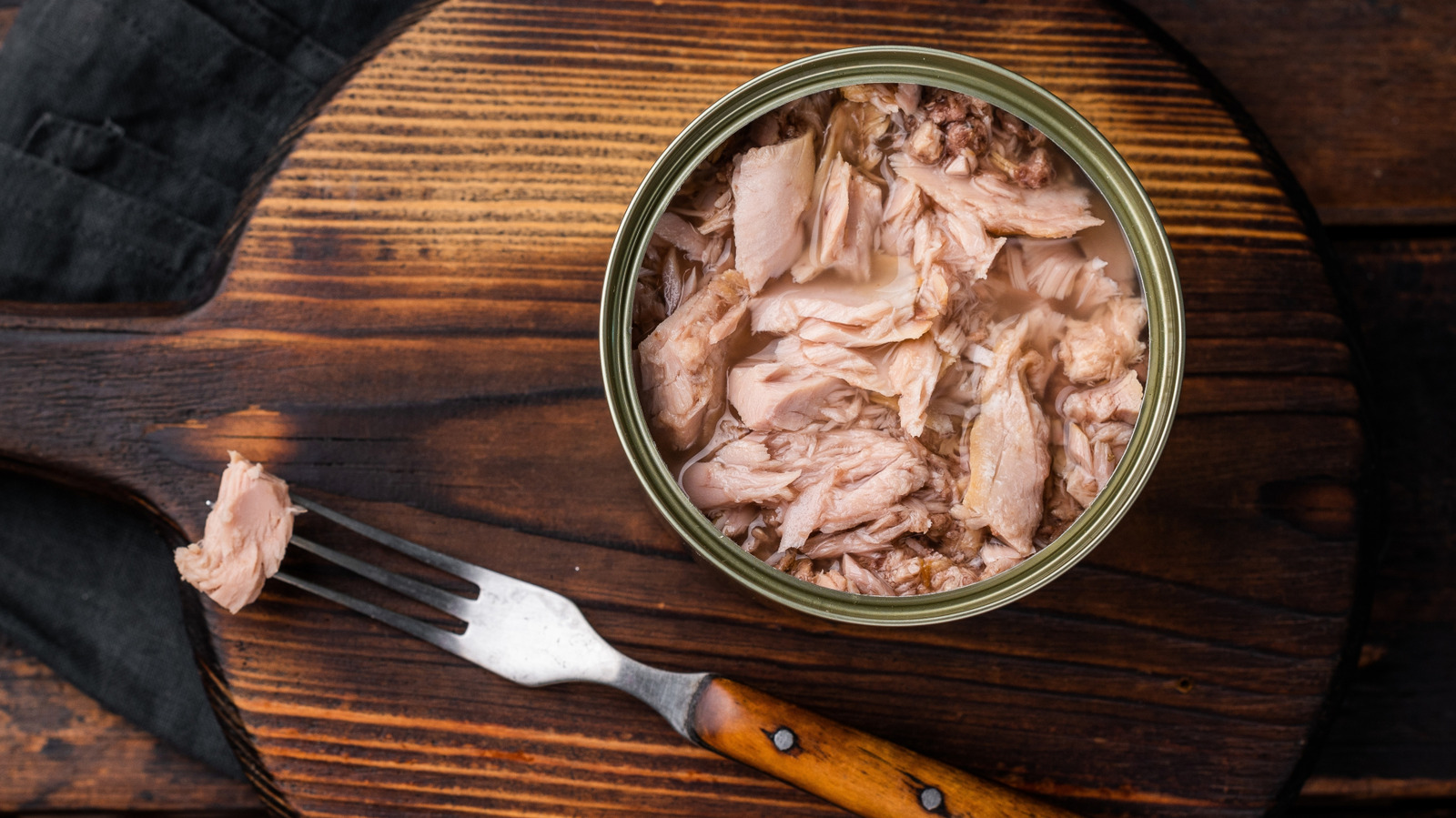
The timeline for this shift can be traced back to the early 2000s, when major retailers began to more aggressively develop their private-label strategies. As the internet facilitated easier price comparisons and access to consumer reviews, the perceived risk of trying a store brand diminished. The COVID-19 pandemic and subsequent supply chain disruptions further accelerated this trend, as consumers sought out readily available and affordable alternatives when their preferred name brands were out of stock. This created an opportunity for store brands to gain market share and build lasting consumer loyalty.
Economic Pressures Driving the Tuna Trend
The consistent increase in the Consumer Price Index (CPI) for food at home has been a significant concern for American households. According to the latest data from the U.S. Department of Agriculture (USDA), the food-at-home index has seen a steady rise, impacting the grocery budgets of millions. For instance, a family of four might spend an additional $100-$200 per month on groceries compared to a year ago, depending on their dietary habits and shopping patterns. Proteins, in particular, are often significant contributors to this increase.
In this context, the Great Value tuna pouch offers a tangible solution. A 24-pack of these pouches, costing approximately $18, provides 24 servings of protein at an average cost of $0.75 per serving. This is considerably lower than many other readily available protein sources, such as fresh chicken breast, ground beef, or even many popular canned bean varieties when considering their protein content per serving. This economic advantage makes the tuna pouch a strategic choice for meal planning and grocery budgeting.
The accessibility of Walmart stores, particularly in rural and suburban areas, also plays a crucial role. Walmart’s extensive retail footprint ensures that this affordable protein option is within reach for a vast number of consumers, democratizing access to a cost-effective and nutritious food source.
Versatility in the Kitchen: Beyond the Basics
The convenience of Great Value tuna pouches extends beyond their affordability and protein content; their versatility in the kitchen is a significant advantage. While differences between canned and pouched tuna are often minimal – primarily related to water content and shelf life – pouched tuna generally retains a slightly fresher texture due to less processing. This makes them ideal for a wide array of culinary applications, seamlessly integrating into recipes traditionally designed for canned tuna.
Consumers can leverage these pouches for all their favorite tuna dishes, from classic tuna salads and melts to comforting tuna casseroles. The easy-open design of the pouches further enhances their convenience, eliminating the need for a can opener and simplifying meal preparation, especially for those on the go or with limited mobility.
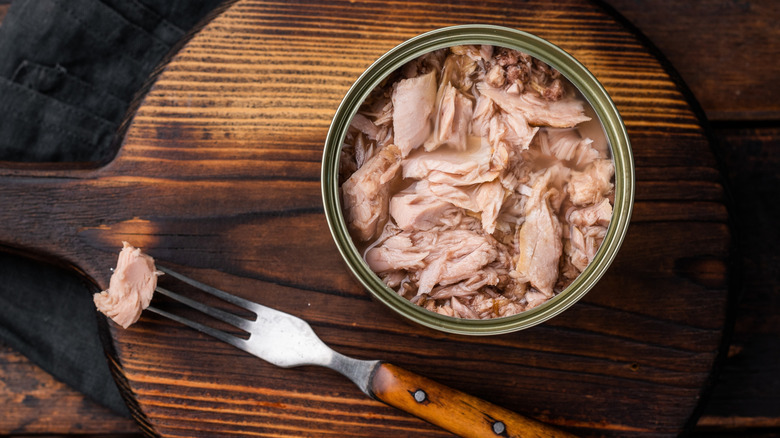
However, the true potential of these affordable tuna pouches lies in their capacity to inspire culinary creativity. The low cost per serving encourages experimentation with less conventional uses. For instance, the growing popularity of the "canned fish sushi bake" showcases how humble canned fish can be transformed into an appealing, shareable dish that mimics the flavors of sushi rolls. This trend highlights a broader movement towards reimagining pantry staples.
Further creative applications include:
- Tuna Meatballs: Incorporating tuna into meatballs can add a unique flavor profile and a lighter texture compared to traditional meat-based versions. This is particularly appealing for those looking to reduce their red meat consumption.
- Taquito Hack: A quick and easy taquito filling can be made by combining tuna with seasonings and a binder like mayonnaise or cream cheese, offering a speedy and satisfying snack or light meal.
- Dips and Spreads: Tuna forms an excellent base for a variety of dips and spreads. From creamy, herb-infused concoctions to spicier variations, tuna dips can be served with crackers, vegetables, or as sandwich spreads.
- Pasta Salads and Grain Bowls: The flaked tuna integrates effortlessly into cold pasta salads or can be added to warm grain bowls for a protein boost.
- Savory Pancakes and Fritters: Chopped tuna can be mixed into batters for savory pancakes or fritters, providing a flavorful and protein-rich addition.
The availability of flavored Great Value tuna pouches further amplifies these possibilities. The Ginger Sesame flavor, for instance, could be incorporated into Asian-inspired noodle dishes or stir-fries. Lemon Pepper tuna lends itself well to Mediterranean-style salads or pasta dishes. The Spicy Thai Chili variant can add a kick to wraps, quesadillas, or even a spicy tuna dip. This range of flavors transforms a simple pantry item into a dynamic ingredient capable of elevating a wide spectrum of dishes.
Broader Implications and Future Outlook
The success of Walmart’s Great Value tuna signifies more than just a good deal on a pantry staple. It reflects a broader shift in consumer behavior, where value, practicality, and quality are increasingly prioritized over brand prestige. As economic uncertainties persist, shoppers are likely to continue seeking out affordable yet satisfying options, further bolstering the market for private-label goods.
This trend has several implications for the food industry:
- Increased Competition for Name Brands: Established food manufacturers will need to innovate and potentially adjust their pricing strategies to compete with the growing appeal of store brands.
- Focus on Quality in Private Labels: Retailers will likely continue to invest in improving the quality and variety of their private-label offerings to maintain consumer loyalty.
- Consumer Empowerment: Shoppers are becoming more informed and empowered, making purchasing decisions based on a comprehensive assessment of price, quality, and value.
- Potential for Innovation: The affordability of staples like Great Value tuna may encourage consumers and food creators to explore new and innovative ways to utilize these ingredients, potentially leading to new culinary trends.
The Great Value tuna pouch at $0.88 is not merely a product; it is a symbol of consumer resilience and adaptability in the face of economic challenges. Its widespread adoption suggests that affordability, coupled with quality and versatility, can indeed sway consumer loyalties, paving the way for a future where smart shopping and delicious meals go hand in hand. As consumers continue to navigate the evolving economic landscape, such value-driven products are poised to play an even more significant role in household grocery baskets.
