
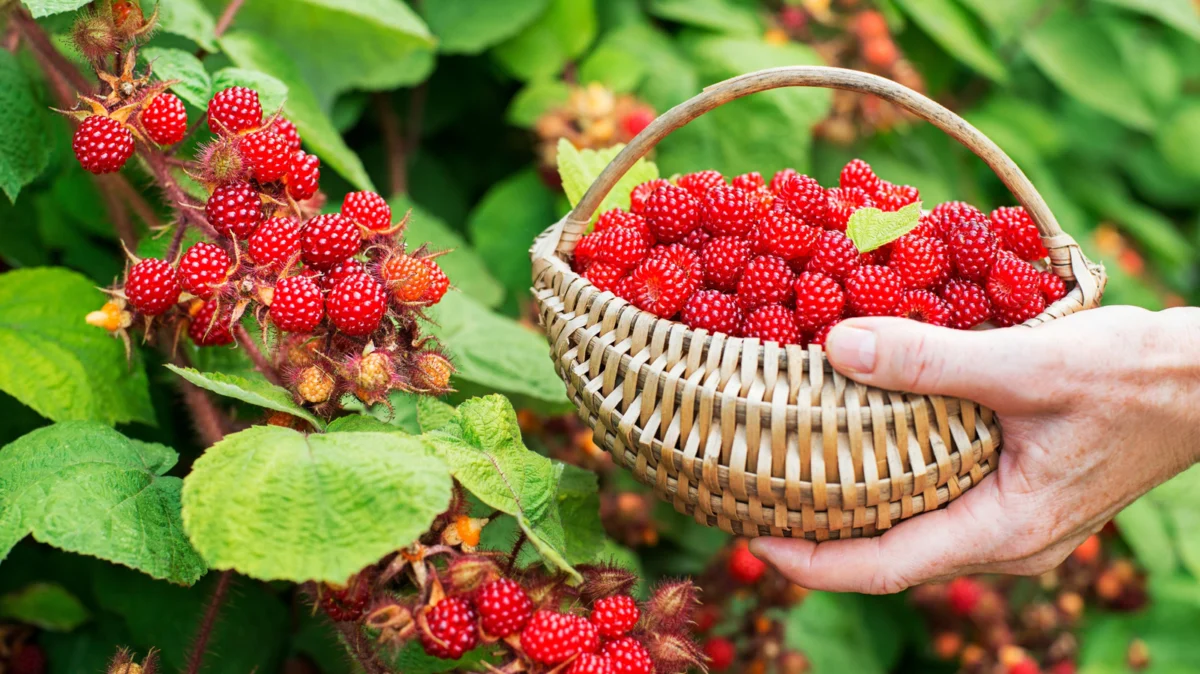
The soaring prices of fresh produce in grocery stores, particularly for seasonal delicacies, can be a powerful motivator for cultivating one’s own food supply. While the prospect of self-sufficiency is appealing, achieving cost savings through home gardening requires strategic planning. The true expense of homegrown fruit isn’t solely in the initial purchase of seeds or plants, but also encompasses the ongoing investment in garden supplies, water, and the invaluable expenditure of one’s time. To maximize economic benefits, gardeners should prioritize fruits that offer a high yield, demand minimal maintenance, and ideally, mature relatively quickly. The concept of "cheap" is also relative; fruits that are already affordable and readily available in supermarkets may not justify the effort and garden space required for their cultivation.
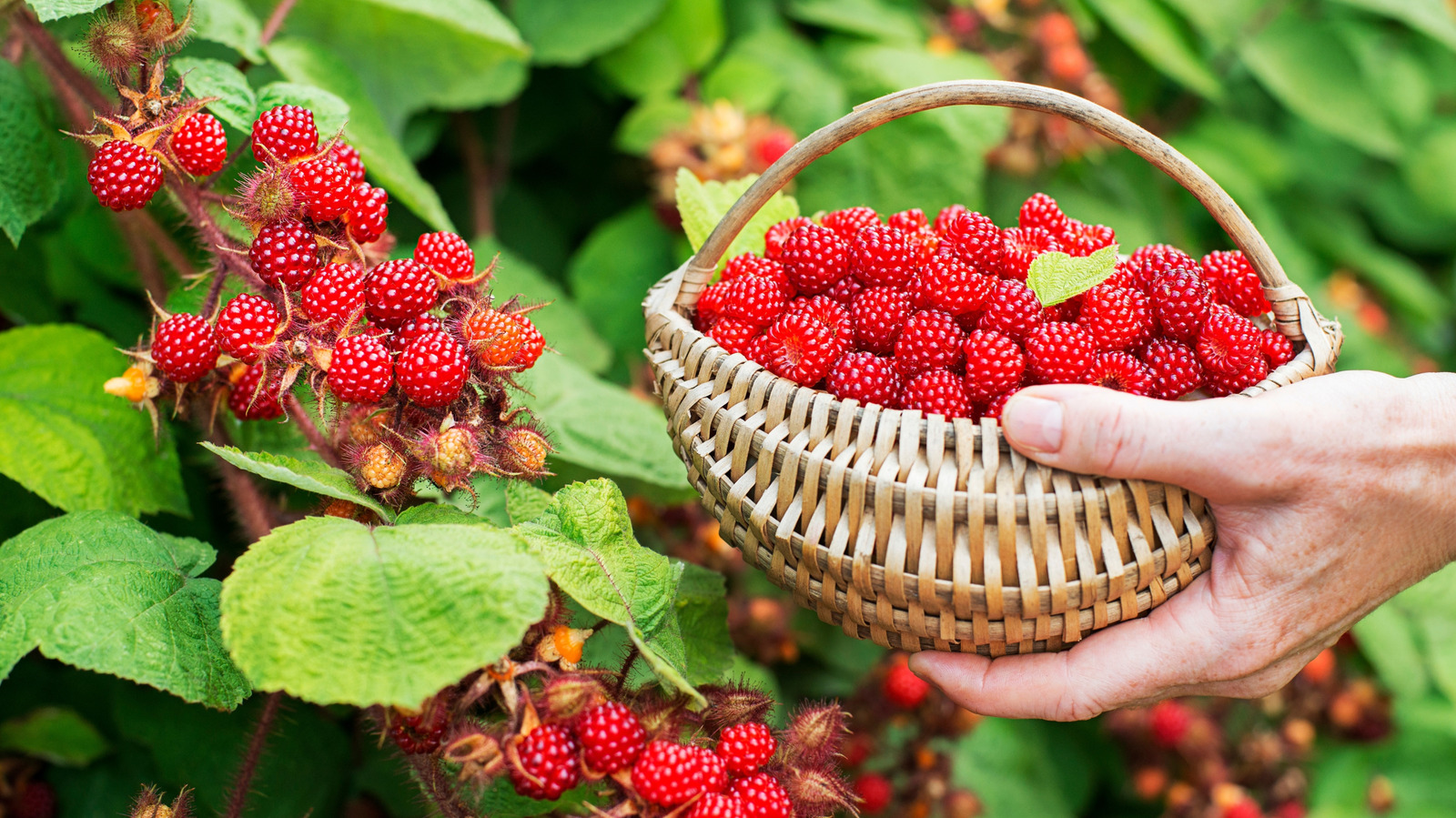
The most economical approach to starting a fruit garden often involves plants that can be grown from seeds. This method offers the lowest initial outlay, especially if seeds can be salvaged from store-bought produce, eliminating the recurring cost of purchasing new seeds each year. However, some fruits necessitate propagation through cuttings, seedlings, or saplings, which incurs a higher upfront cost but can significantly reduce the time to harvest and often improve the likelihood of success. Fruit trees and bushes, while requiring a larger initial investment, offer long-term value, becoming relatively low-maintenance once established and providing harvests for many years.
Strawberries: A Budget-Friendly Berry Bonanza
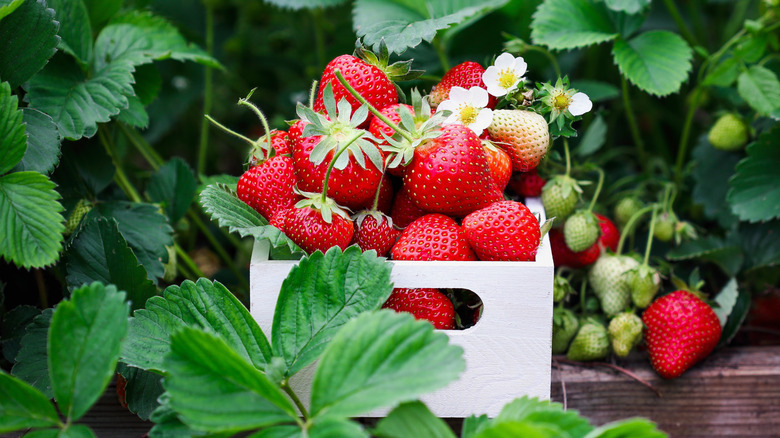
Despite their often premium price tag in retail settings, strawberries stand out as a surprisingly accessible fruit for home cultivation. Their adaptability is a key advantage; they can thrive in containers, window boxes, or traditional garden beds, making them suitable for a wide range of living situations. Once established, strawberry plants exhibit a remarkable ability to multiply annually, steadily increasing both the plant count and the fruit yield. While purchasing roots or starter plants from a nursery is a straightforward option, a more budget-conscious approach involves propagating new strawberry plants from slices of existing fruit. This technique, detailed in various horticultural guides, allows gardeners to expand their strawberry patch at minimal cost, leveraging existing resources for future harvests. The consistent production and relatively quick fruiting of strawberries make them an excellent choice for those seeking immediate gratification and long-term economic returns from their gardening efforts.
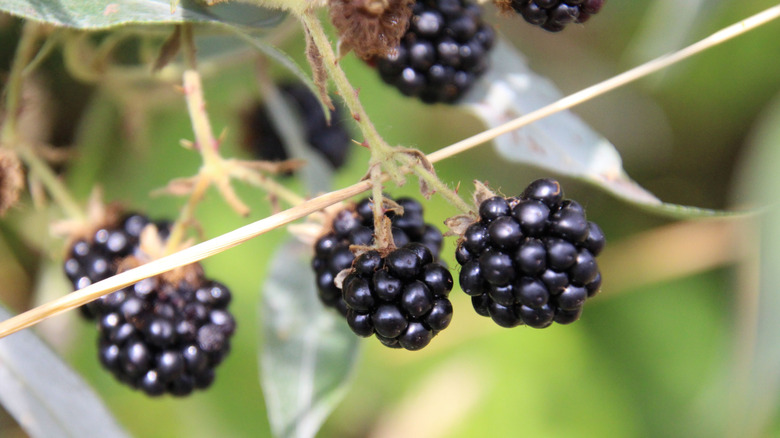
Blackberries: A Resilient and Rewarding Crop
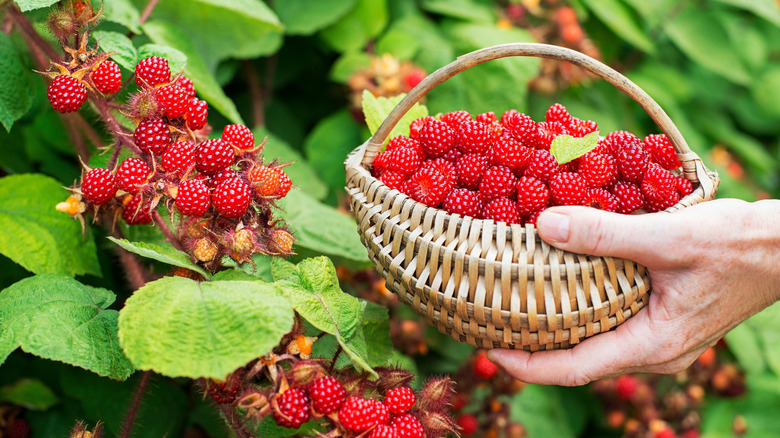
While it is technically possible to grow blackberries from seeds, initiating the process with cuttings significantly accelerates the timeline to the first harvest, typically yielding fruit within one to two years. This initial, modest investment is often repaid manifold by the plant’s prolific nature. Blackberry bushes are known for their high productivity, enabling gardeners to gather berries every few days throughout the summer months. These resilient plants can live for upwards of 15 years, providing a consistent source of fruit. Furthermore, a successful blackberry harvest can be so abundant that it not only satisfies household needs but also allows for sharing with local wildlife, such as the bluebirds that are often attracted to these vibrant bushes. The longevity and high yield of blackberry plants solidify their status as a cost-effective and rewarding addition to any home garden.
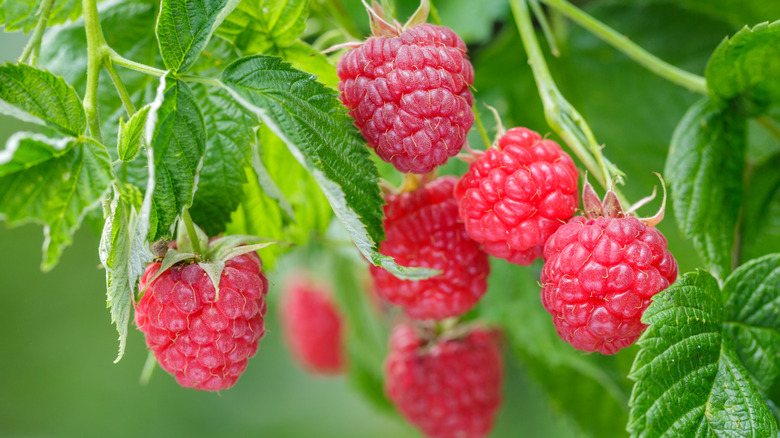
Raspberries: Versatile and Vigorous Growers
Similar to blackberries, raspberries are cane fruits that, once mature, demonstrate vigorous growth and fruit production. Gardeners have the option of planting summer-bearing or fall-bearing varieties, and by cultivating both types, they can extend the harvest season considerably. Raspberries are readily propagated from cuttings, offering an opportunity for free plant acquisition if a friend or neighbor has an established patch. From an initial investment, whether purchased or gifted, a raspberry planting can yield fruit for 10 to 15 years, with black raspberry varieties typically producing for five to 10 years. This sustained productivity underscores the long-term economic viability of growing raspberries at home, providing a consistent supply of this popular fruit with minimal ongoing costs.
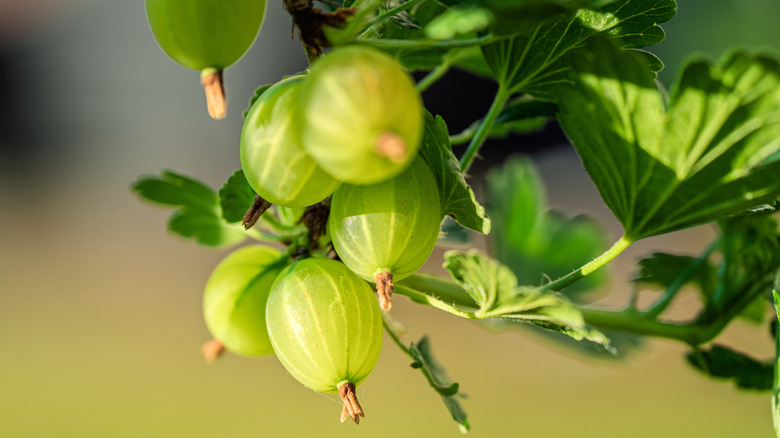
Gooseberries: The Underappreciated Tart Treasure
Gooseberries, though perhaps less celebrated than other berries, offer a unique tart flavor that can be transformed into a variety of culinary delights, including jams, pies, and even cocktails. When propagated from cuttings, gooseberry plants typically begin producing fruit within their first year, with more substantial harvests becoming available from the third year onward. It is crucial for prospective growers to verify local regulations, as gooseberries were historically banned in certain parts of the United States due to their susceptibility to white pine blister rust. While the ban has been lifted in many areas, it remains in effect in a few states, making it imperative to confirm permissibility before planting. Despite this historical caveat, gooseberries represent a low-cost, high-reward fruit for those in suitable regions.
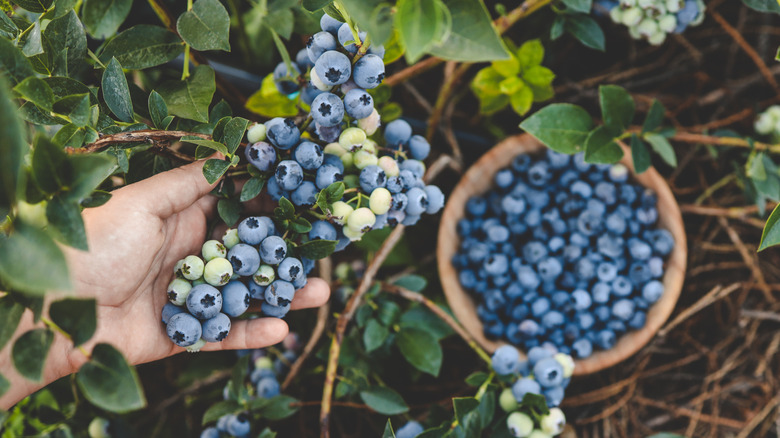
Blueberries: A Patient Path to Sweetness
When evaluating the cost-effectiveness of home-grown versus store-bought fruit, blueberries emerge as a particularly attractive option. While they are not rapid growers, blueberries are remarkably forgiving, making them suitable for novice gardeners. Their versatility extends to container gardening; with the selection of appropriate blueberry varieties, they can thrive even in limited spaces. Although it requires a patience of approximately three years before the first fruits appear, the long-term payoff is substantial, eliminating the recurring expense of purchasing blueberries from supermarkets. A mature blueberry plant can yield around eight quarts of fruit per harvest season, providing a generous and consistent supply for years to come.
Melons: A Warm-Weather Bounty
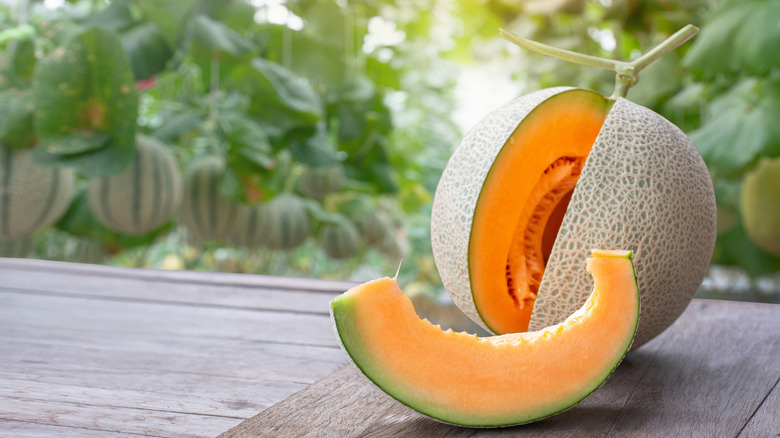
Melons can represent a highly economical fruit crop, particularly when grown from seed, provided that adequate space and a suitable climate are available. These plants require a period of approximately 80 to 100 days of warm weather and ample water to produce a satisfactory harvest, but they are otherwise relatively undemanding. The variety of melon types available offers flexibility for different garden sizes and preferences. For instance, the ‘Mini Love’ watermelon is ideal for smaller gardens, while the ‘Minnesota Midget’ cantaloupe can offer a harvest in as little as 60 days. The ability to grow these popular fruits from inexpensive seeds and enjoy a plentiful yield in favorable conditions makes them a strong contender for cost-effective home cultivation.
Grapes: Vertical Farming for Flavor
The cultivation of grapes might traditionally be associated with expansive vineyards, but it is entirely feasible to grow them in a home garden setting. This endeavor requires a degree of patience, as it can take up to three years before the vines begin to bear fruit. However, once established, grapevines are hardy and adept at utilizing vertical space, making them an efficient choice for maximizing garden yield. Selecting the appropriate grape variety is paramount for successful cultivation. Gardeners should prioritize table grape varieties over wine grapes and ensure that the chosen cultivar is well-suited to their specific regional climate. The long lifespan and potential for abundant harvests from a single vine contribute to the long-term cost-effectiveness of growing grapes.
Plums: A Long-Term Investment in Orchard Wealth
Fruit trees, as a category, offer exceptional long-term value, and plum trees are a prime example of this enduring economic benefit. While plum trees typically take around three years to begin producing fruit, they subsequently yield bountiful harvests for many years. Compared to other fruit trees, plums are relatively low-maintenance in terms of pruning requirements and are generally easy to cultivate. For optimal pollination and fruit set, it may be necessary to plant two plum trees; however, dwarf varieties are available for gardeners with limited space. The substantial and sustained yield from a plum tree makes it a wise investment for those seeking a long-term, cost-effective source of fresh fruit.
Figs: A Taste of Luxury Grown at Home
The exquisite flavor and aroma of fresh figs are difficult to replicate in commercially available produce, as their delicate nature means they do not travel well. For enthusiasts of this luxurious fruit, growing figs at home becomes an almost self-evident choice. Fig trees may require two to three years to start producing fruit, but certain varieties, particularly dwarf figs, can offer a modest harvest even in the first year after planting. The unparalleled taste of figs picked directly from the tree justifies the initial waiting period and the modest care required. This makes fig cultivation a rewarding endeavor for those who appreciate the unique pleasure of this sweet and aromatic fruit.
Tomatoes: The Technically Fruitful Budget Gardener’s Staple
While botanically classified as fruits, tomatoes are a cornerstone for budget-conscious gardeners due to their ease of cultivation and prolific yield. The cost-effectiveness is amplified by the ability to start tomato plants from seeds saved from ripe store-bought tomatoes, enabling a bountiful harvest by the end of the summer. The primary requirements for successful tomato growth are ample sunlight and warmth. Compact cherry tomato varieties offer the added advantage of being cultivable indoors on a windowsill in cooler climates. By saving seeds from each harvest, gardeners can perpetuate this cycle year after year, ensuring a continuous and inexpensive supply of fresh tomatoes.
The Economic Case for Homegrown Fruit
The decision to cultivate fruit at home, particularly focusing on these cost-effective options, presents a compelling economic argument. While the initial outlay for plants, soil amendments, and essential gardening tools is a factor, the long-term savings can be substantial. For instance, a single strawberry plant can produce fruit for several years, yielding dozens, if not hundreds, of berries per season, far exceeding the equivalent cost of purchasing pre-packaged strawberries. Similarly, a blackberry or raspberry bush, once established, can provide pounds of fruit annually for over a decade, a significant saving compared to the per-pound cost in supermarkets, which can fluctuate seasonally and geographically.
Furthermore, the resilience and longevity of fruit trees and bushes like plum, fig, and blueberry bushes offer a remarkable return on investment. While the initial purchase price of a young tree or shrub might seem higher than a packet of seeds, their multi-year, often decades-long, productivity amortizes this cost over an extended period. This transforms an initial expenditure into a sustained source of fresh, healthy produce, effectively hedging against future price increases in the retail market. The ability to propagate plants from cuttings or seeds further reduces ongoing costs, creating a self-sustaining cycle of fruit production.
Environmental and Nutritional Implications
Beyond the direct financial benefits, growing one’s own fruit has positive environmental and nutritional implications. Reducing reliance on commercially grown produce can decrease the carbon footprint associated with long-distance transportation and intensive agricultural practices. Homegrown fruits are typically harvested at peak ripeness, meaning they retain more of their vitamins, minerals, and antioxidants compared to fruits picked prematurely for shipping. This ensures a higher nutritional intake for the consumer. Moreover, the act of gardening itself can promote physical activity and mental well-being, contributing to an overall healthier lifestyle. The satisfaction of nurturing a plant from seed or cutting to harvest offers a unique sense of accomplishment and connection to the food supply.
Conclusion: Cultivating Savings and Sustainability
The pursuit of affordable, high-quality fruit is within reach for many through home gardening. By strategically selecting fruits that are known for their productivity, low maintenance, and cost-effective propagation methods, individuals can significantly reduce their grocery bills while enjoying the freshest, most nutritious produce. The investment in time and initial resources is often outweighed by the long-term savings and the inherent benefits of self-sufficiency, environmental stewardship, and improved personal health. The fruits highlighted—strawberries, blackberries, raspberries, gooseberries, blueberries, melons, grapes, plums, figs, and even tomatoes—represent a diverse and accessible range of options for anyone looking to cultivate a more sustainable and economical approach to their diet.
