

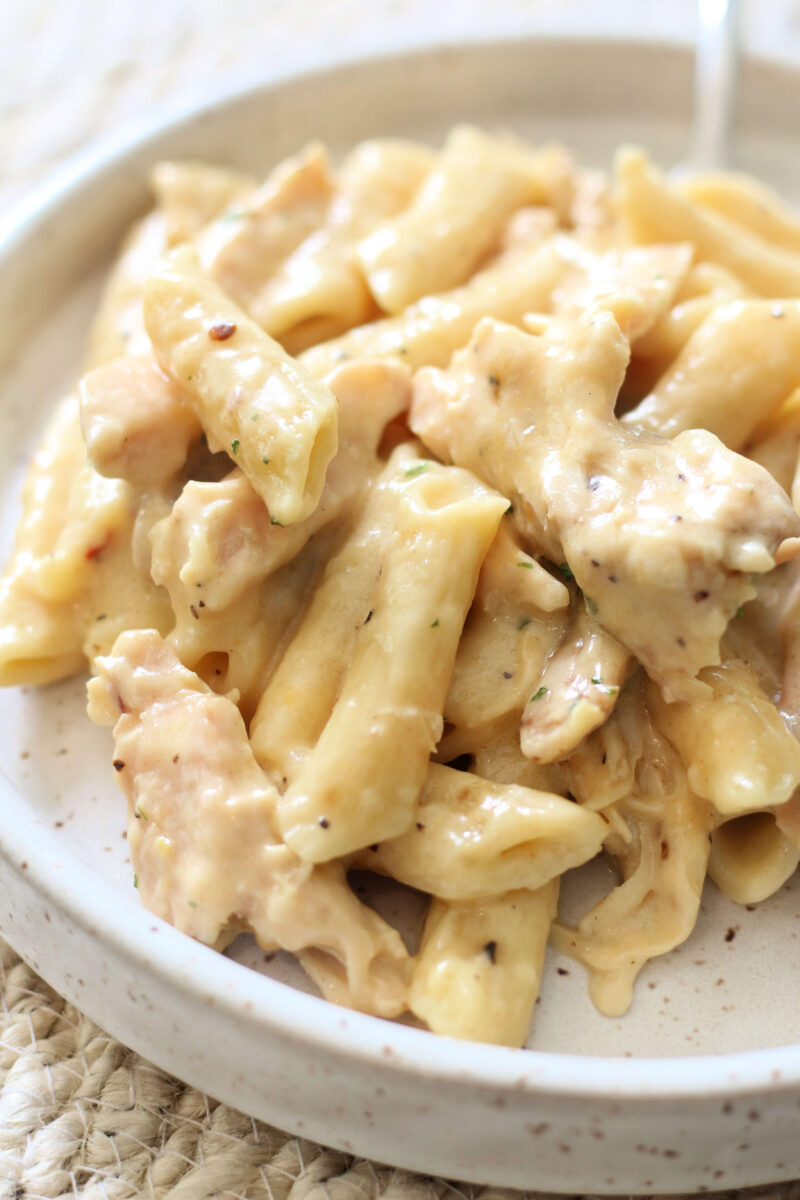
The modernization of classic Southern comfort food has reached a new milestone with the adaptation of traditional heavy-dish recipes into streamlined, high-pressure cooking formats. Paula Deen’s Chicken Casserole, originally conceived as a staple of oven-baked hospitality, has been reimagined for the Instant Pot era, representing a broader shift in American domestic life toward efficiency without the sacrifice of flavor profiles associated with "slow-cooked" aesthetics. This specific preparation, featuring tenderized poultry, penne pasta, and a multi-cheese emulsion, highlights the intersection of celebrity culinary influence and the technological advancement of kitchen appliances.

The Evolution of the American One-Pot Meal
The casserole has long served as a cornerstone of American culinary history, gaining significant traction in the mid-20th century as suburban households sought communal, easy-to-serve meals. Historically, these dishes relied on canned "cream-of" soups and extended oven times. However, the contemporary version of Paula Deen’s Chicken Casserole utilizes a sophisticated pressure-cooking method to achieve a similar creamy consistency in a fraction of the time.
This transition is not merely a change in hardware but a fundamental shift in how flavor is developed. In a traditional oven-baked casserole, moisture loss is a constant variable. In the Instant Pot environment, the pressurized vessel traps steam, forcing moisture and aromatics into the starch of the penne pasta and the fibers of the chicken. This results in a dish where the sauce and the primary proteins are more deeply integrated than their baked counterparts.
Technical Analysis of the Preparation Process
The success of this dish relies on a specific sequence of thermodynamic and chemical reactions, beginning with the sauté function of the multi-cooker.
Phase I: The Aromatic Foundation
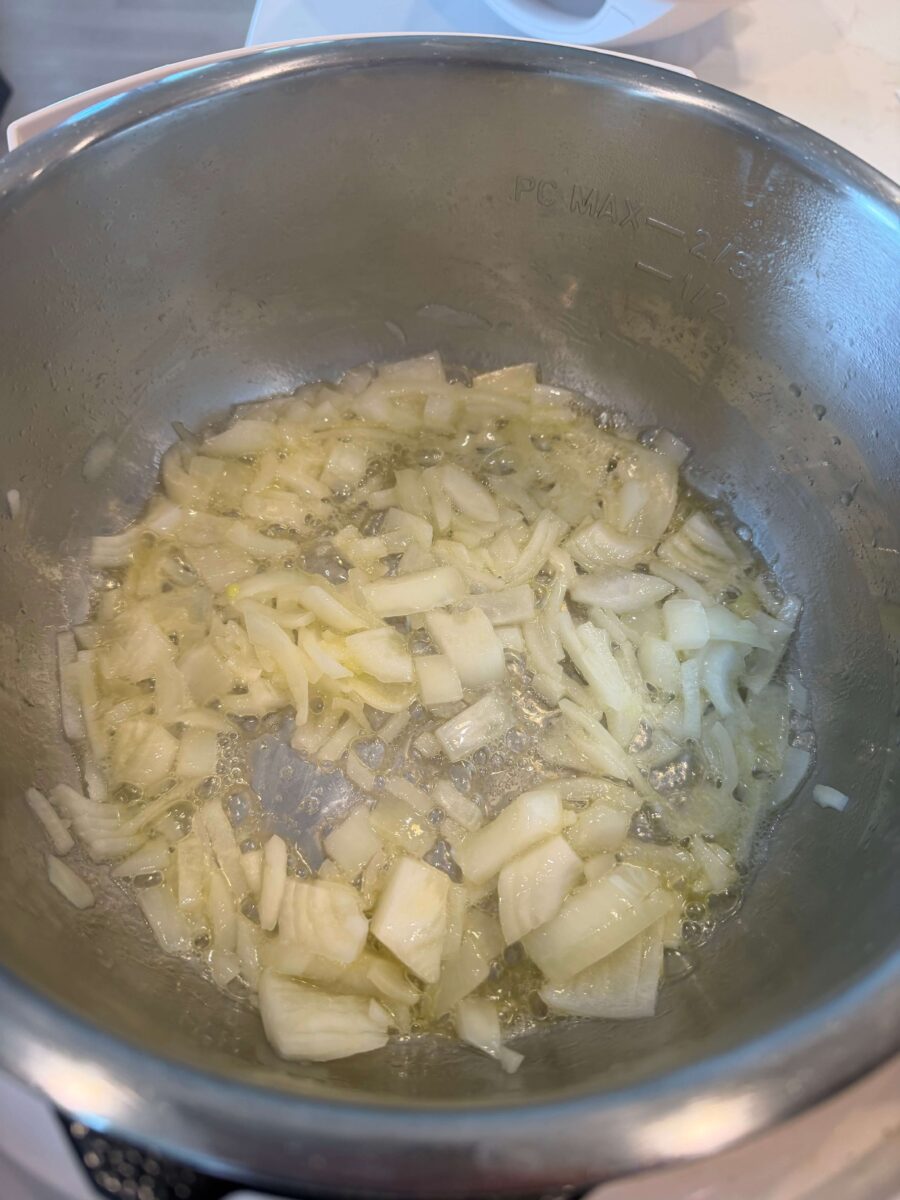
The process begins with the melting of lipids—specifically butter—which serves as the medium for the Maillard reaction in the chopped onions. By sautéing onions for approximately three minutes until translucent, the cook releases sulfurous compounds that provide the savory "backbone" of the dish. The subsequent addition of minced garlic for 30 seconds ensures the release of essential oils without the risk of carbonization, which would introduce bitterness into the final sauce.
Phase II: Deglazing and Layering
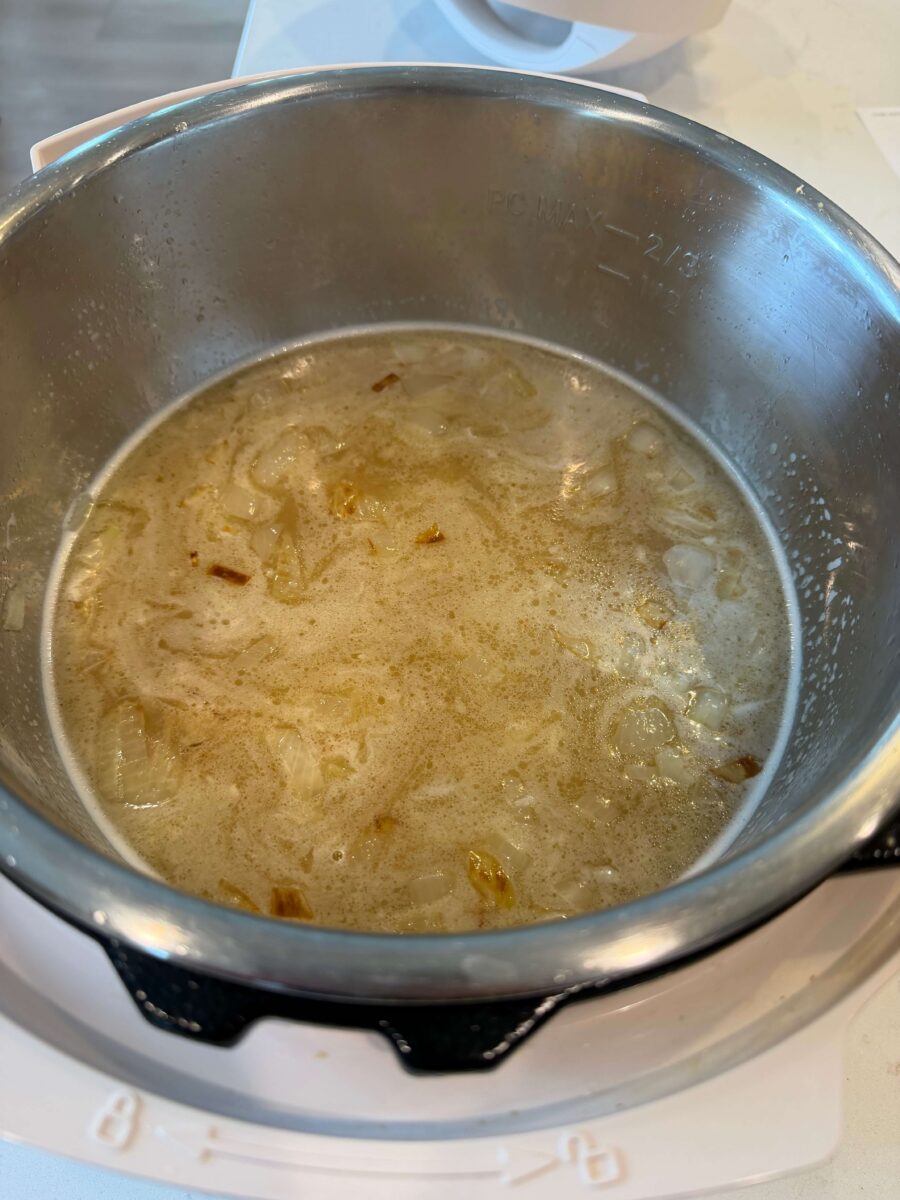
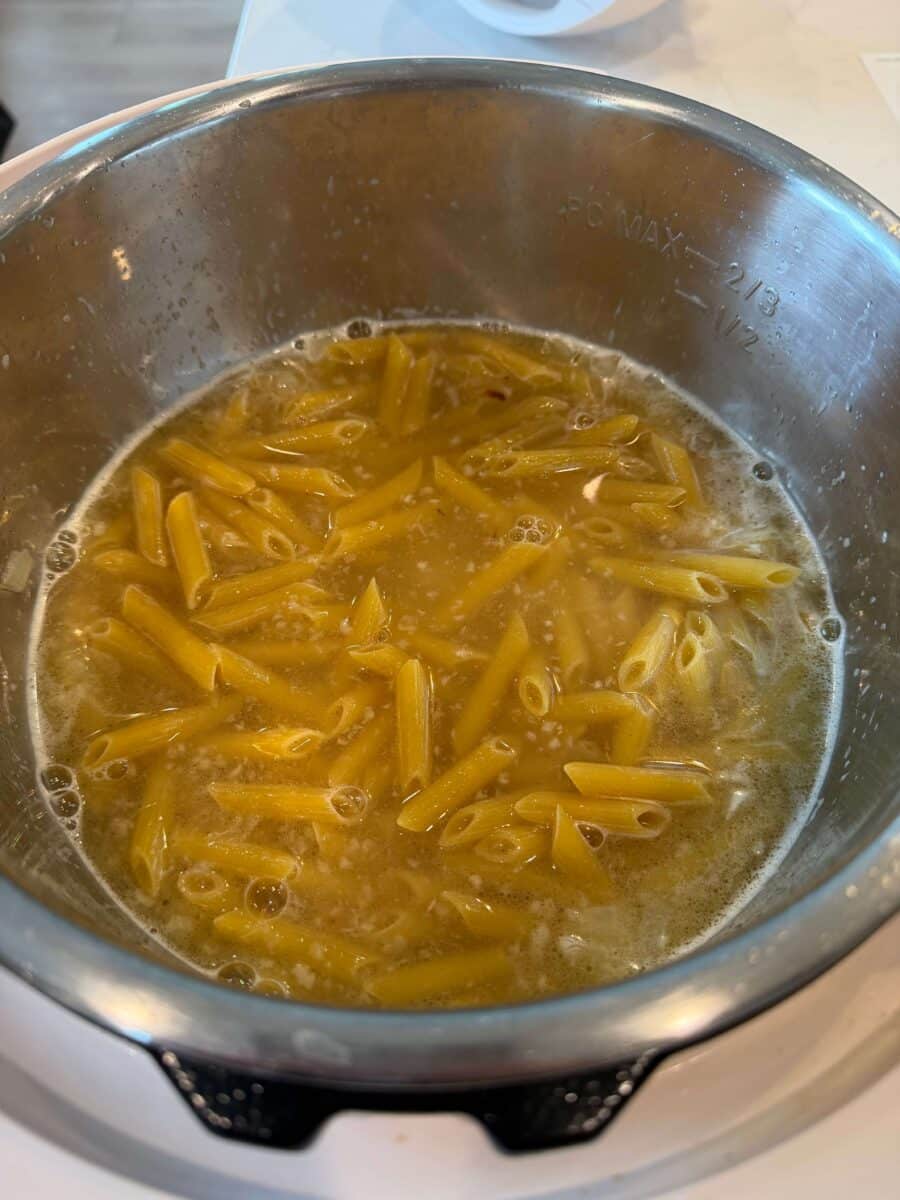
A critical step in the "one-pot" methodology is the introduction of chicken broth to deglaze the inner pot. This serves two purposes: it incorporates the browned bits (fond) from the bottom of the pot into the liquid, and it prevents the "burn" warning often associated with high-starch pressure cooking. The layering technique—placing the penne pasta first and the raw chicken cubes on top—is a strategic move to ensure the pasta is fully submerged in the cooking liquid while the chicken is steamed by the rising pressure, maintaining its tenderness.
Phase III: Pressurized Saturation
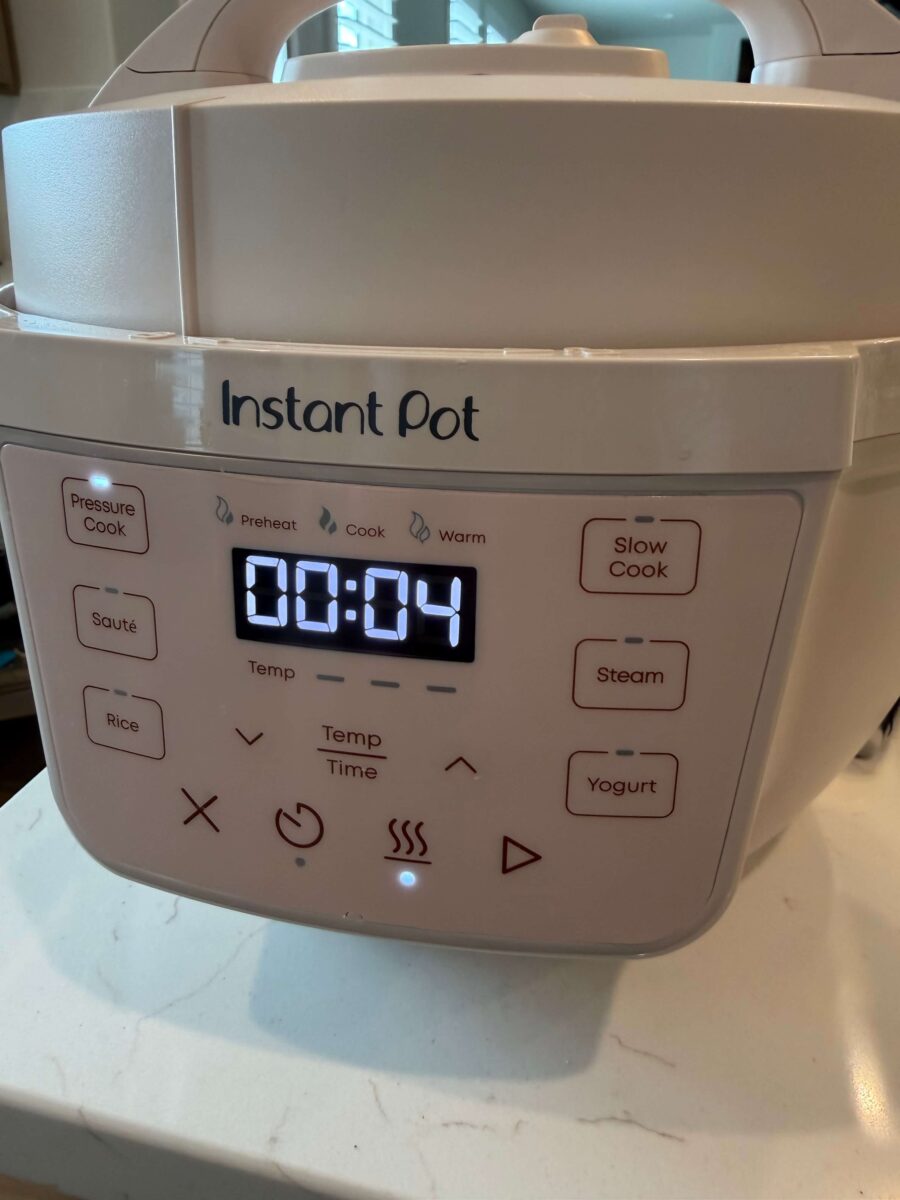
The four-minute high-pressure cycle, followed by a five-minute natural release, is the core of the recipe’s efficiency. During this time, the internal temperature of the vessel exceeds 240°F (115°C). The starch from the penne pasta begins to leach into the broth, creating a natural thickening agent that will later bond with the dairy components.
Chronology of Modern Casserole Development
To understand the significance of this dish, one must examine the timeline of home cooking technology and its influence on recipe development:
- 1950s–1970s: The "Golden Age" of the oven casserole. Recipes focused on shelf-stable ingredients and long bake times (45–60 minutes).
- 2009: The invention of the Instant Pot by Robert Wang. This introduced the concept of "set-and-forget" high-pressure cooking to the mass market.
- 2015–2020: The viral expansion of food blogging. Creators began adapting "Celebrity Chef" recipes—such as those from Paula Deen—for the Instant Pot to meet the demand for "dump-and-go" meals.
- 2024–Present: The refinement of the "Creamy One-Pot Pasta." Modern iterations, like the one discussed here, focus on using fresh aromatics and complex cheese blends (Cheddar and Monterey Jack) rather than condensed soups.
Supporting Data: The Impact of Pressure Cooking on Domestic Labor
Market research indicates that the primary driver for the popularity of dishes like Paula Deen’s Chicken Casserole is the reduction of "active labor" time. According to industry data, the average American household spends approximately 37 minutes on meal preparation for dinner. This Instant Pot preparation reduces the active "hands-on" time to less than 10 minutes, with the remainder of the process being automated.
Furthermore, the "one-pot" factor significantly impacts cleanup efficiency. Traditional chicken casseroles often require a pot for boiling pasta, a skillet for sautéing aromatics, and a ceramic dish for baking. By consolidating these into a single stainless-steel liner, the consumer reduces water usage and post-meal labor, a factor that has contributed to the Instant Pot’s 20% household penetration rate in the United States.
Culinary Dynamics: The Role of Emulsifiers
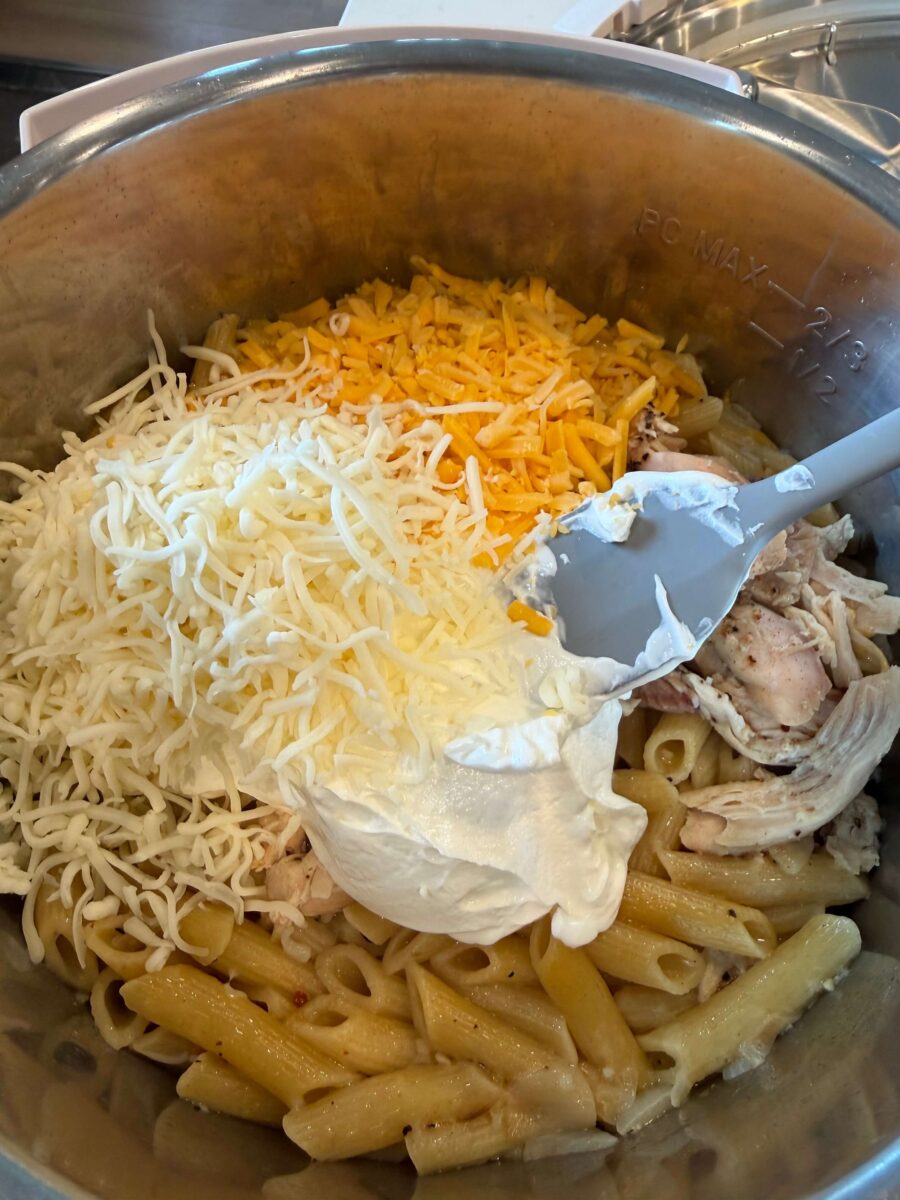
A standout feature of this recipe is the use of sour cream and a dual-cheese blend as the finishing agents. In professional culinary terms, this is the "emulsification phase." Unlike heavy cream, which can sometimes break under high heat, sour cream provides a stable, tangy fat content that cuts through the richness of the chicken and butter.
The choice of Monterey Jack and Cheddar is also deliberate. Monterey Jack has a high moisture content and a low melting point, ensuring a smooth, "stretchy" texture. Sharp Cheddar provides the necessary acidity and flavor depth. When stirred into the hot pasta and chicken post-pressure, these ingredients create a cohesive sauce that coats the penne without the need for a flour-based roux.
Market Trends and Consumer Customization
The flexibility of the chicken casserole format allows it to serve as a vehicle for nutritional fortification. Data from consumer food panels suggests that "customizable comfort food" is a leading trend in 2024. This recipe’s compatibility with green additives—such as spinach, peas, or broccoli—addresses the growing consumer desire to balance caloric density with micronutrients.
Additionally, the recipe’s adaptability to different pasta shapes (rotini, macaroni, or ziti) makes it an "inventory-friendly" meal. In an era of fluctuating grocery prices, the ability to utilize whatever dry pasta is on hand increases the dish’s economic appeal to middle-income households.
Broader Implications for the Food Industry
The transition of a "Paula Deen" recipe—traditionally associated with the slow, methodical cooking of the American South—into a fast-paced digital format reflects the broader "democratization of flavor." It suggests that the prestige of celebrity-endorsed recipes is no longer tied to the difficulty of the preparation but to the reliability of the result.

For the food industry, this shift signals a continued move toward "component cooking," where the appliance does the heavy lifting. Manufacturers of dairy and poultry products have noted an uptick in the purchase of "recipe-ready" ingredients, such as pre-cubed chicken breast and shredded cheese blends, which are specifically marketed for dishes like this casserole.
Conclusion and Future Outlook
Paula Deen’s Chicken Casserole in the Instant Pot is more than a convenient weeknight dinner; it is a case study in the resilience of comfort food. By evolving to meet the needs of the modern, time-constrained consumer, the dish maintains its cultural relevance. As smart kitchen technology continues to integrate with recipe databases, we can expect further refinements in these one-pot formulas, perhaps incorporating AI-driven adjustments for altitude or specific ingredient brands.
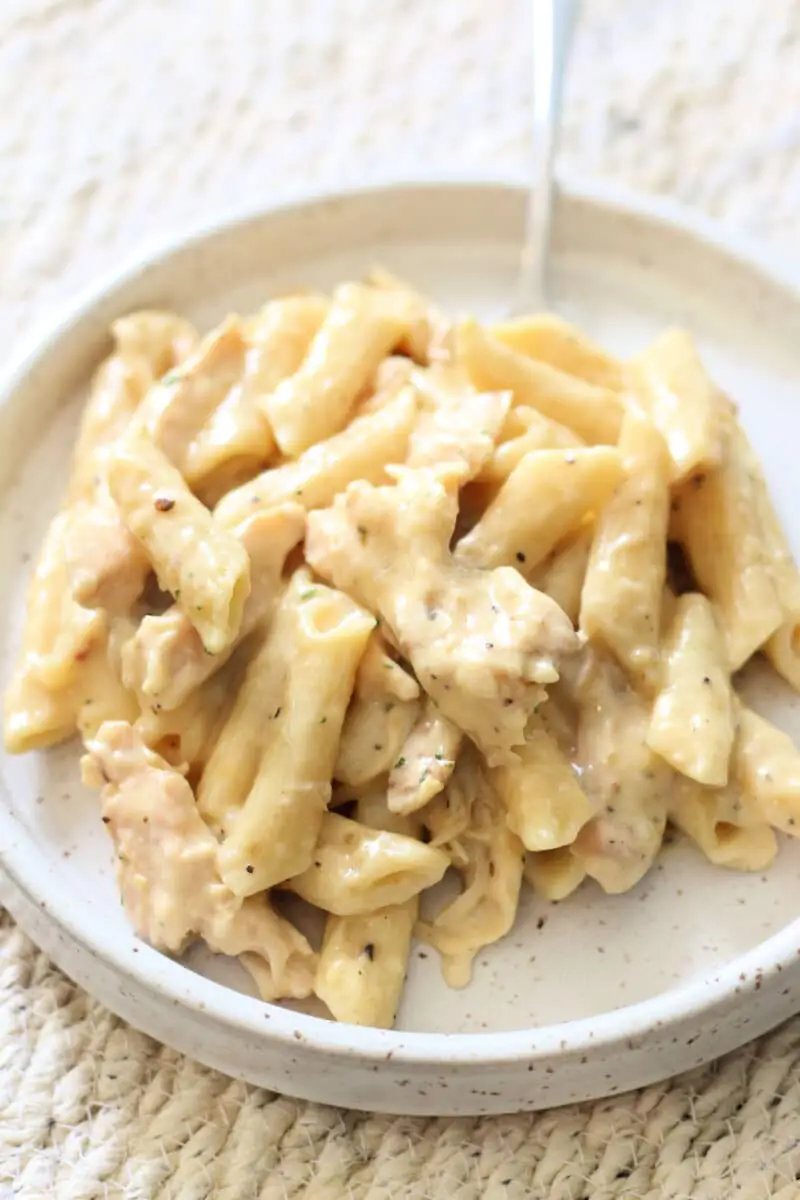
For now, the combination of tender poultry, perfectly al dente penne, and a rich, cheese-based sauce remains a benchmark for what modern home cooking can achieve: the warmth of tradition delivered with the speed of the 21st century. This dish stands as a testament to the fact that while the tools of the kitchen may change, the human desire for a satisfying, creamy, and communal meal remains constant.
