
The Evolution of the Convenience Meatloaf
The concept of the "Lipton Meatloaf" is rooted in the post-World War II era of the United States, a period marked by the rapid rise of convenience foods and the professionalization of the domestic kitchen. Thomas J. Lipton Co., originally known for its tea imports, expanded into the dehydrated soup market in the mid-20th century. The onion soup mix, in particular, became a "secret weapon" for home cooks because it provided a pre-measured blend of toasted onions, salt, cornstarch, and various seasonings.
Historically, meatloaf served as a way to stretch expensive meat proteins using fillers like breadcrumbs or grains, a practice that gained significant traction during the Great Depression. However, the modern iteration, as exemplified by the Lipton-based recipe, shifts the focus from "stretching" the meat to "enhancing" it. In contemporary culinary discourse, this transition signifies a move toward flavor-dense, time-efficient meals that cater to the schedules of working families.
Technical Specifications and Preparation Chronology
The preparation of the Lipton Meatloaf follows a precise chronological sequence designed to optimize the Maillard reaction—the chemical reaction between amino acids and reducing sugars that gives browned food its distinctive flavor.
- Thermal Calibration: The process begins with preheating the oven to 350°F (176°C). This temperature is considered the industry standard for meatloaf, as it is high enough to render fat and brown the exterior without burning the sugars in the glaze before the center reaches safety standards.
- Ingredient Integration: The recipe calls for two pounds of ground beef, though culinary analysts suggest a 50/50 blend of ground beef and ground pork to increase the fat content and improve the "mouthfeel" of the final product. The dehydrated soup mix is added directly to the raw meat, along with binding agents and the initial portion of the barbecue sauce.
- The Mixing Phase: A critical directive in the preparation is the avoidance of overmixing. Professional chefs note that overworking the meat proteins can lead to a dense, rubbery texture. By using clean hands to gently combine the ingredients, the cook ensures that air pockets remain, which helps distribute heat and moisture more evenly.
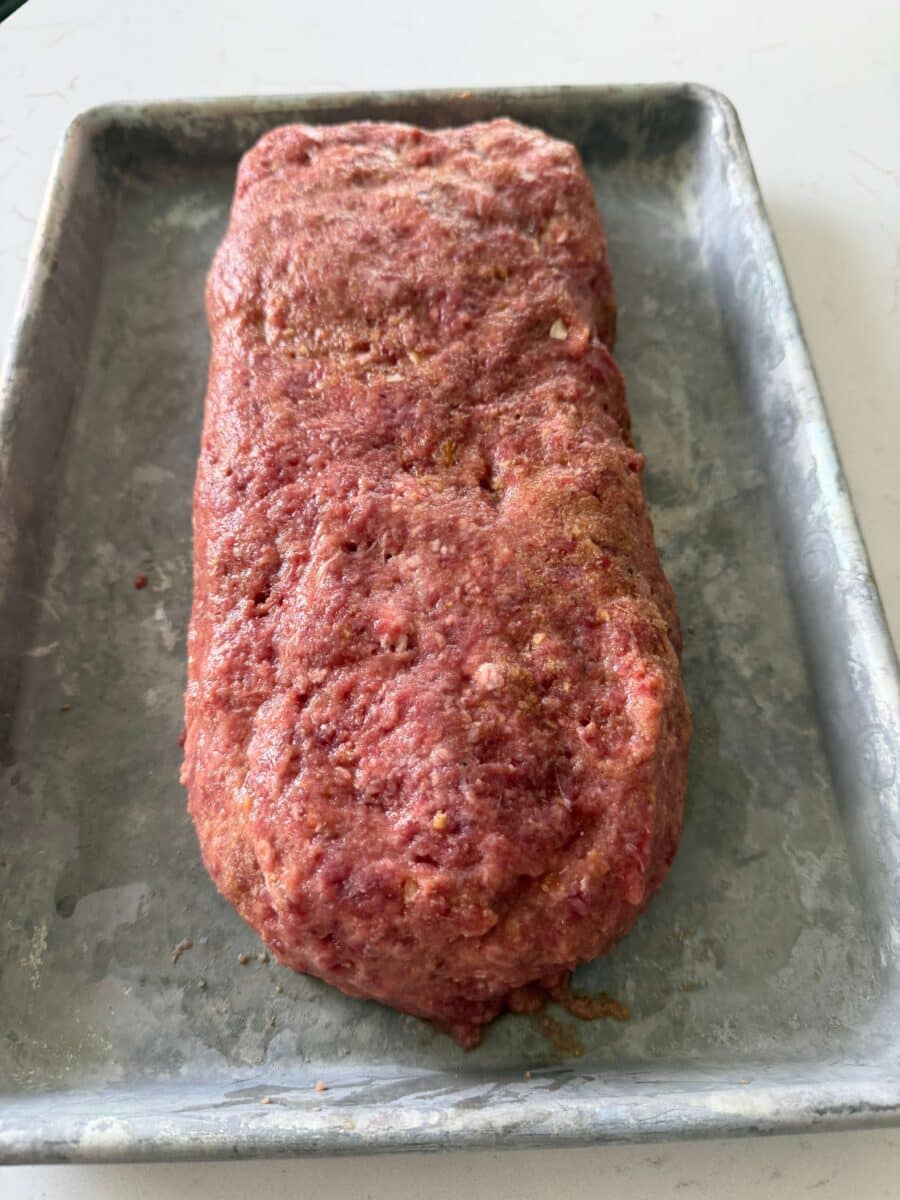
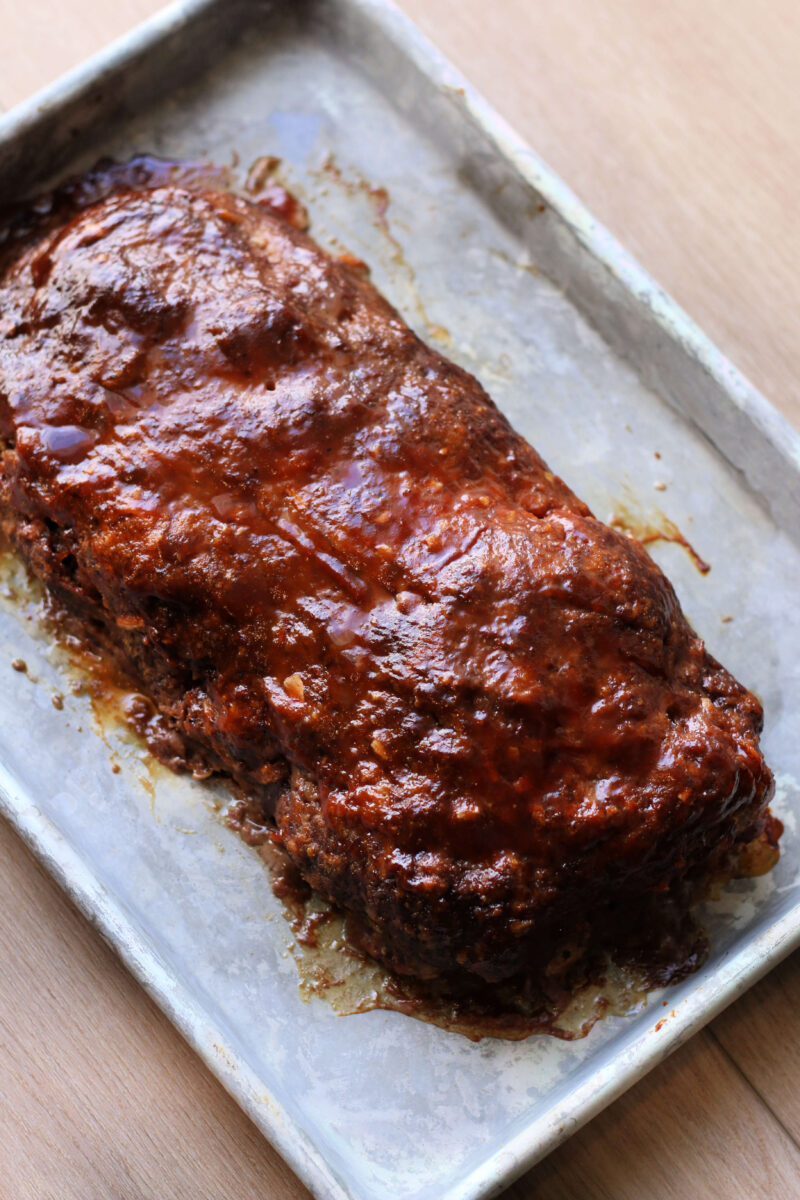
- Structural Shaping: The meat is formed into a loaf approximately nine inches long and three inches tall. This specific geometry is intentional; a uniform height ensures that the internal temperature reaches the USDA-recommended 160°F (71°C) simultaneously across the entire loaf.
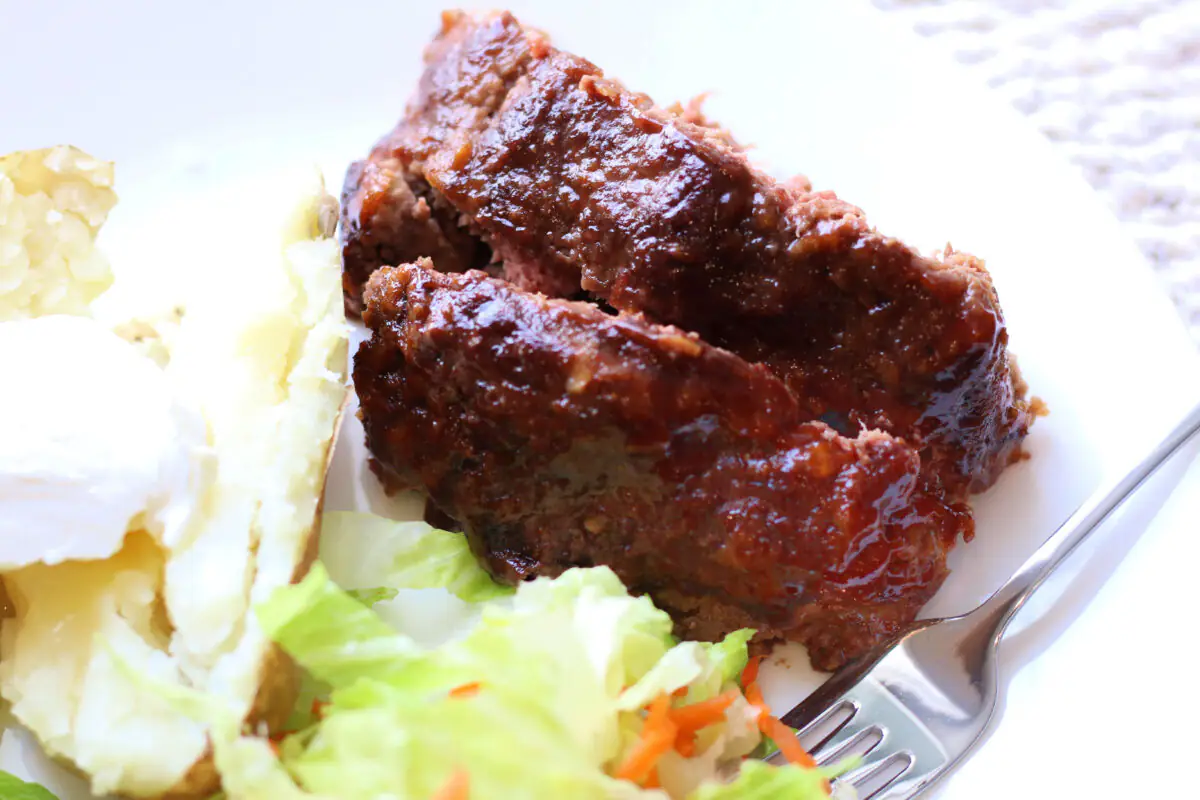
- Baking and Glazing: The loaf is baked for an initial 45 minutes. Following this period, a secondary layer of barbecue sauce is applied as a glaze. This step is followed by a "resting" period under aluminum foil for 10 minutes. Resting allows the muscle fibers to reabsorb juices, preventing the meatloaf from falling apart upon slicing.
Supporting Data: The Economics of the Meatloaf Dinner
Market data from the mid-2020s indicates a resurgence in the popularity of ground beef-based recipes. According to retail tracking reports, ground beef remains one of the most frequently purchased protein items in North America due to its versatility and relatively lower price point compared to whole-muscle cuts like ribeye or tenderloin.
Furthermore, the "back-of-the-box" recipe phenomenon—where consumers follow recipes printed on ingredient packaging—remains a powerful marketing tool. Data suggests that 65% of home cooks feel more confident trying a new dish when it involves a familiar, branded seasoning component like Lipton Onion Soup Mix. This reliance on "shortcut" ingredients has contributed to a multi-billion dollar industry for savory flavor enhancers and dry mix bases.
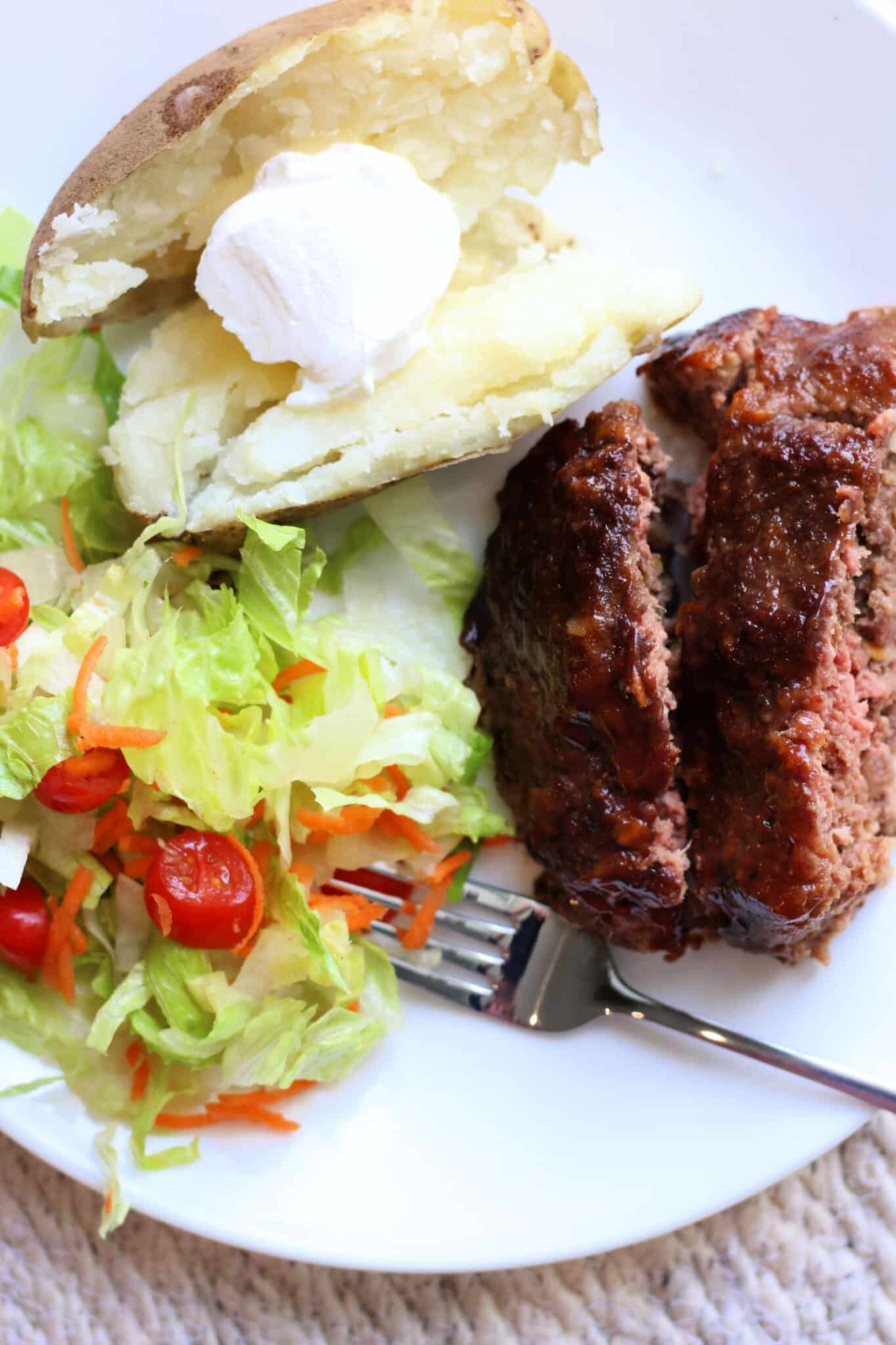
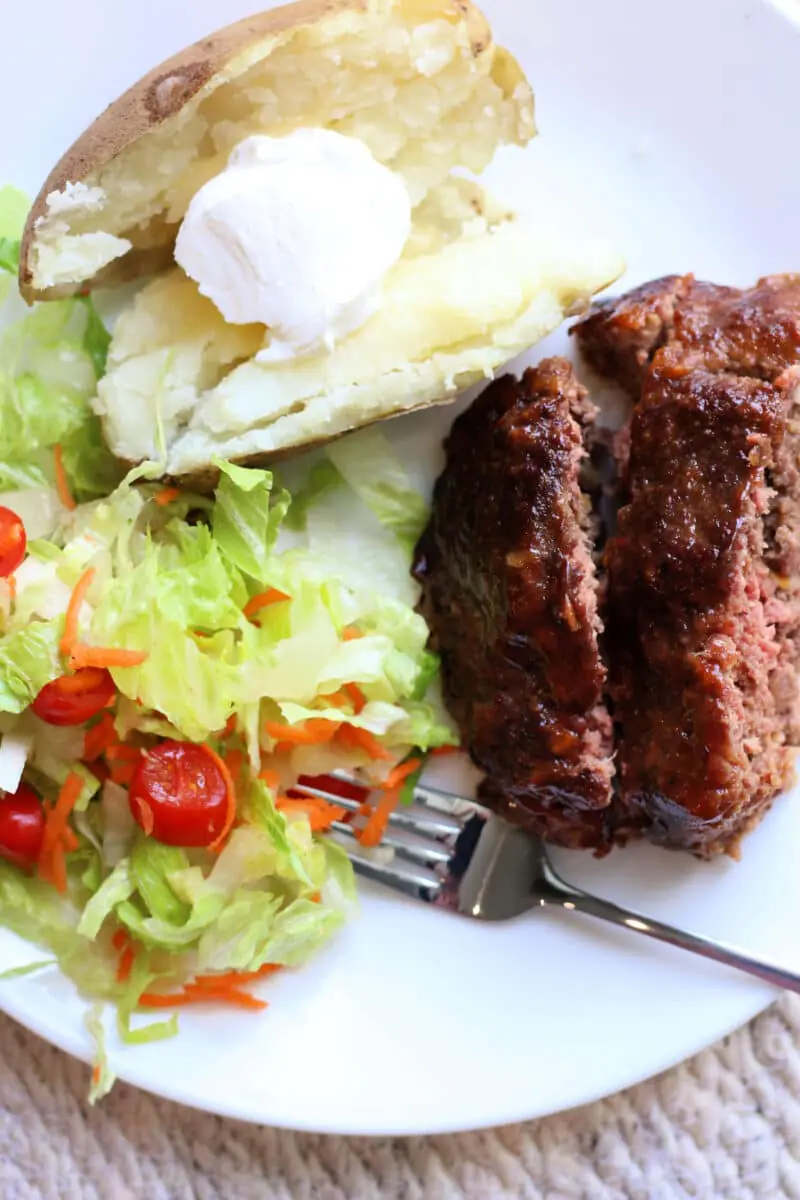
The inclusion of side dishes, such as Instant Pot baked potatoes and fresh green salads, reflects a holistic approach to meal planning. By utilizing modern appliances like the Instant Pot alongside traditional oven baking, home cooks can manage multiple components of a meal with varying cooking times, ensuring all elements are ready for service simultaneously.
Comparative Analysis of Meatloaf Variations
While the oven-baked Lipton Meatloaf is a classic, the culinary landscape has diversified to include several notable variations that cater to different dietary needs and equipment availability:
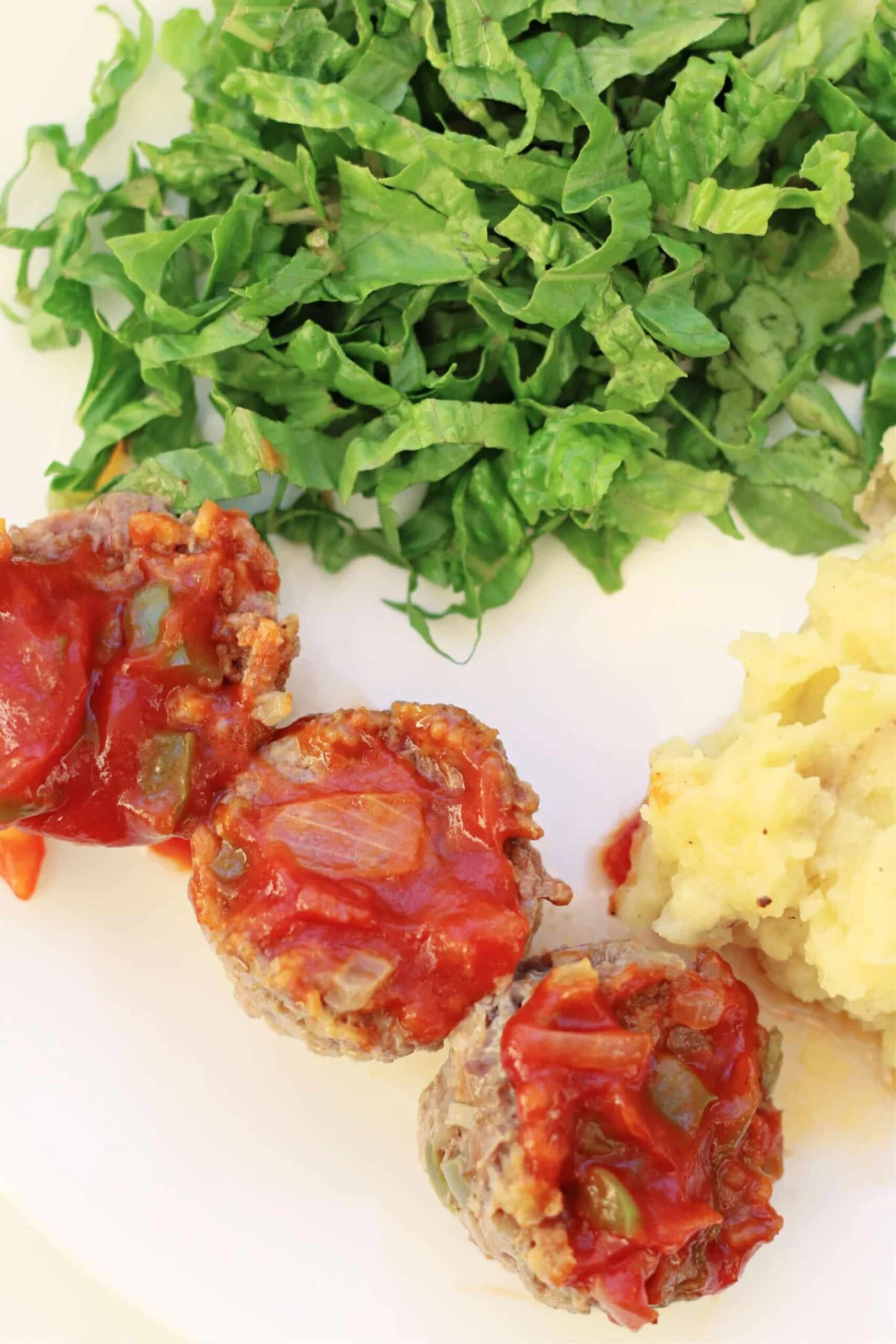
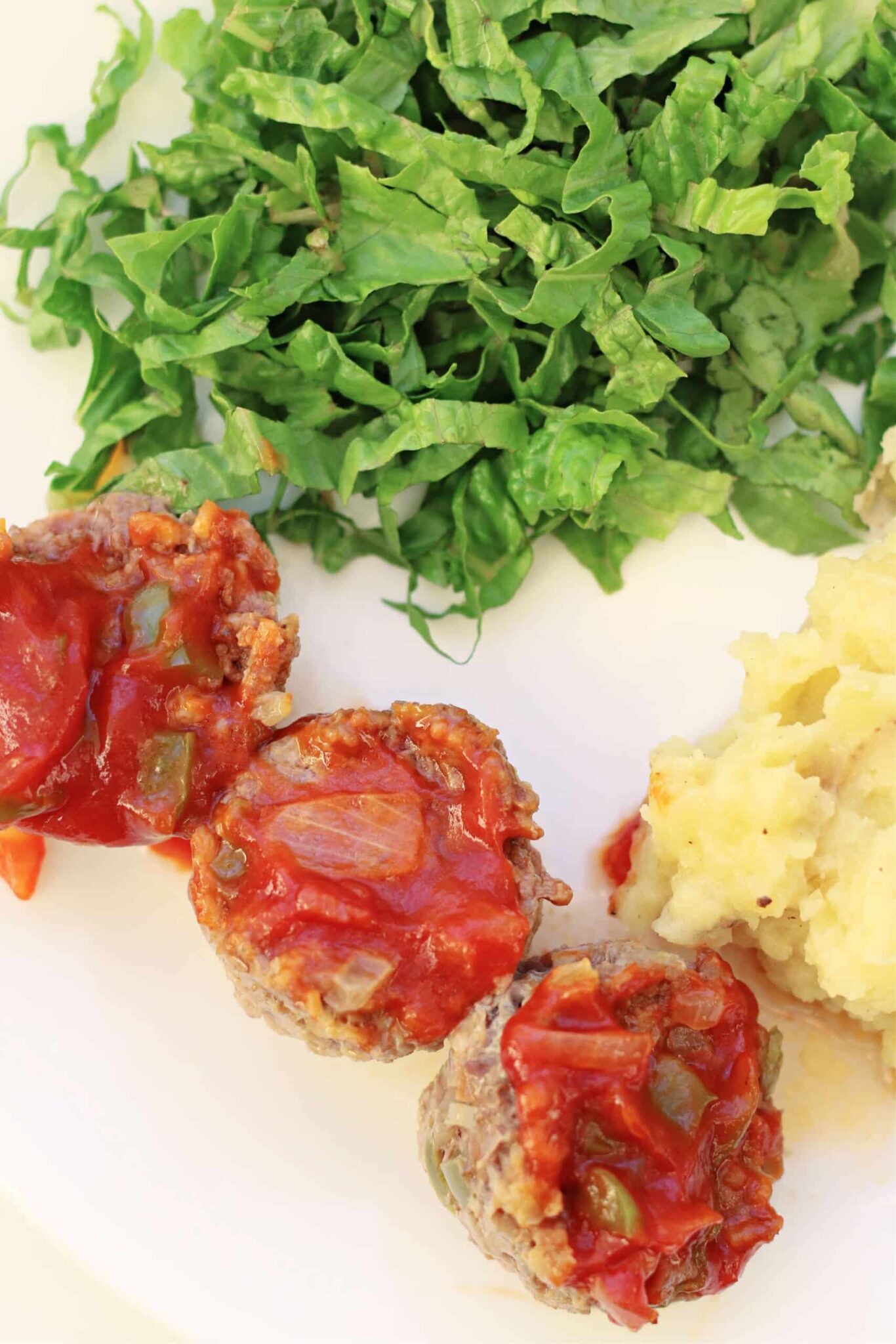
- The Instant Pot "Boarding House" Method: This variation focuses on "meatloaf bites" or smaller portions cooked under high pressure. This method significantly reduces cooking time and is often preferred for its ability to lock in moisture through steam.
- The Slow Cooker (Crockpot) Approach: Ideal for those with long working hours, the slow cooker method allows the meatloaf to simmer in its own juices over 6 to 8 hours, resulting in a very tender, albeit less "crusty," texture.
- The Hybrid Casserole: Recipes such as the "Cheesy Loaded Meatloaf Casserole" or "Mac and Cheese Meatloaf Casserole" represent a fusion of comfort foods. These dishes often layer the meatloaf base with mashed potatoes or pasta, creating a one-pan meal that simplifies cleanup and service.
Nutritional and Health Considerations
From a nutritional standpoint, the Lipton Meatloaf is a high-protein dish, but it is also subject to scrutiny regarding sodium content. A single packet of onion soup mix contains a significant portion of the recommended daily intake of salt. To address this, some health-conscious consumers and nutritionists suggest using "low-sodium" versions of the mix or supplementing the recipe with fresh onions and garlic to reduce the reliance on the processed powder.
The choice of barbecue sauce also impacts the nutritional profile. Many commercial barbecue sauces are high in high-fructose corn syrup. Professional dietitians often recommend seeking out vinegar-based or sugar-free glazes for those monitoring their glycemic index, though the traditional "tangy" flavor profile of the dish is largely derived from the sugar-and-acid balance found in standard BBQ sauces.
Market Trends and Official Responses
Spokespersons for major grocery chains have noted that during periods of economic volatility, there is a measurable uptick in the sale of "comfort food" staples. The meatloaf, which can be easily repurposed into sandwiches for the following day’s lunch, offers high "utility value" for the consumer dollar.
Inferred reactions from the culinary community suggest that while high-end gastronomy often eschews pre-packaged mixes, the "home-style" movement has embraced them. Professional food bloggers, such as Karen Petersen of 365 Days of Crockpot, play a pivotal role in this ecosystem. By providing filtered search options for meat types, low-carb variants, and specific appliance usage, these digital publishers act as modern-day curators of domestic efficiency.
Broader Impact and Implications for the Future of Home Cooking
The enduring legacy of the Lipton Meatloaf serves as a case study for the intersection of corporate branding and domestic tradition. It illustrates how a single product—a packet of dried soup—can become so integrated into a culture’s culinary identity that it ceases to be seen as an "additive" and instead becomes a "defining ingredient."
As we look toward the future of home cooking, the trends highlighted by this recipe suggest a continued move toward "semi-homemade" meals. Consumers are increasingly looking for ways to achieve "restaurant-quality" flavors at home without the need for extensive spice cabinets or professional-level knife skills. The Lipton Meatloaf, with its straightforward instructions and high success rate, remains a benchmark for this movement.
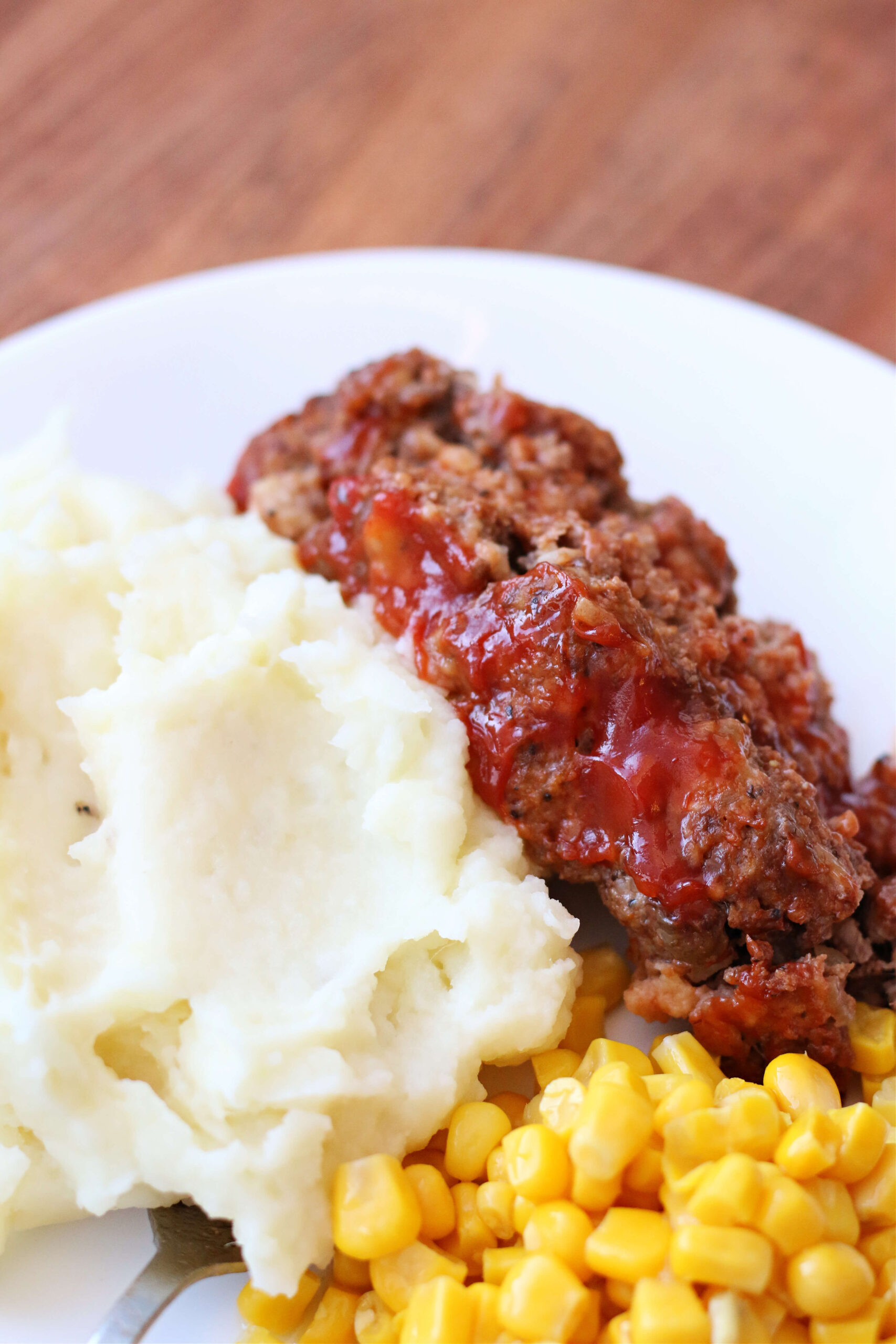
In conclusion, the Lipton Meatloaf is more than a simple dinner option; it is a reflection of economic necessity, the evolution of food technology, and the persistent human desire for nostalgic, savory comfort. Whether prepared in a traditional oven, an Instant Pot, or a slow cooker, the dish remains a testament to the power of a few simple, well-chosen ingredients to provide a satisfying and reliable meal for the modern household.
