
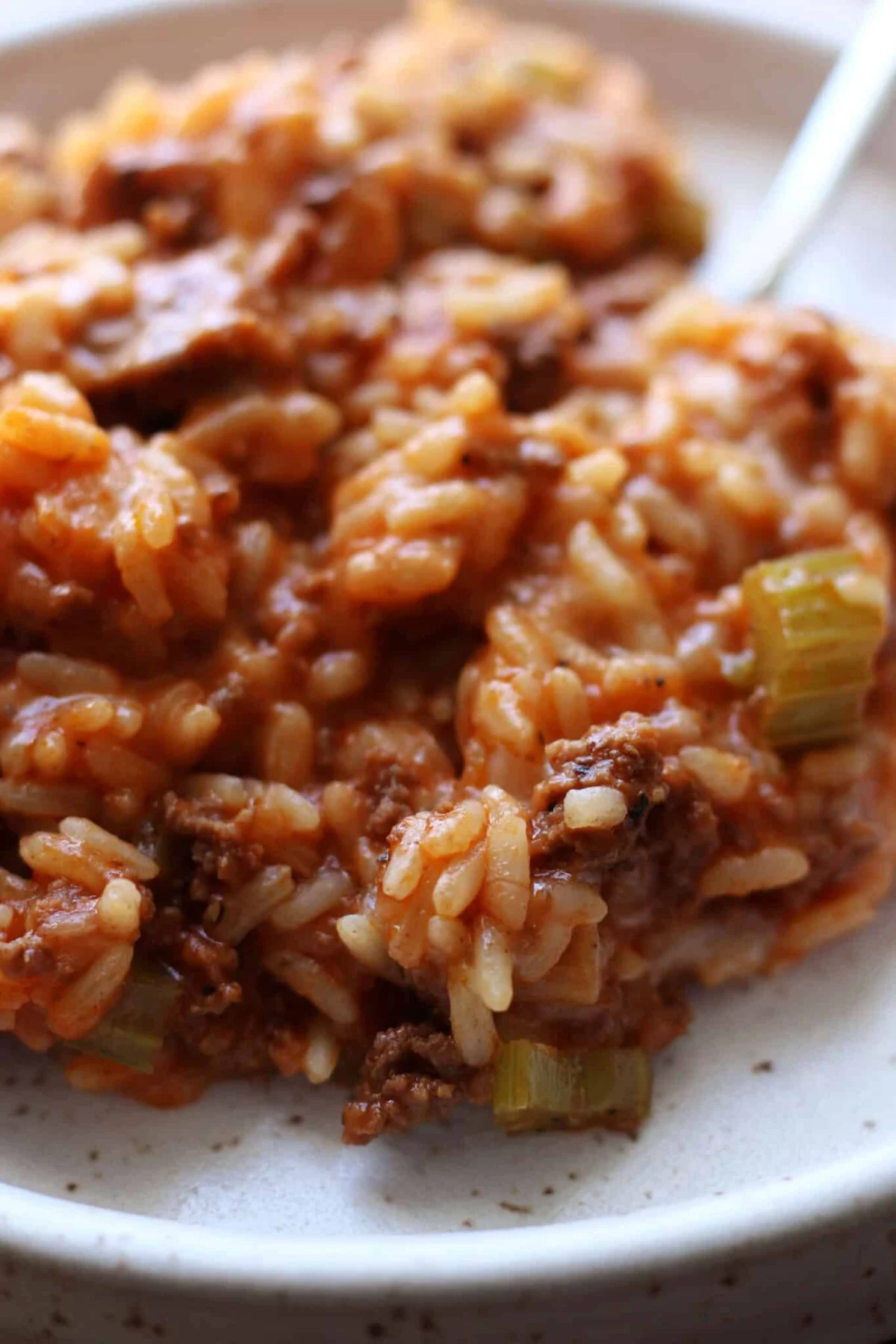
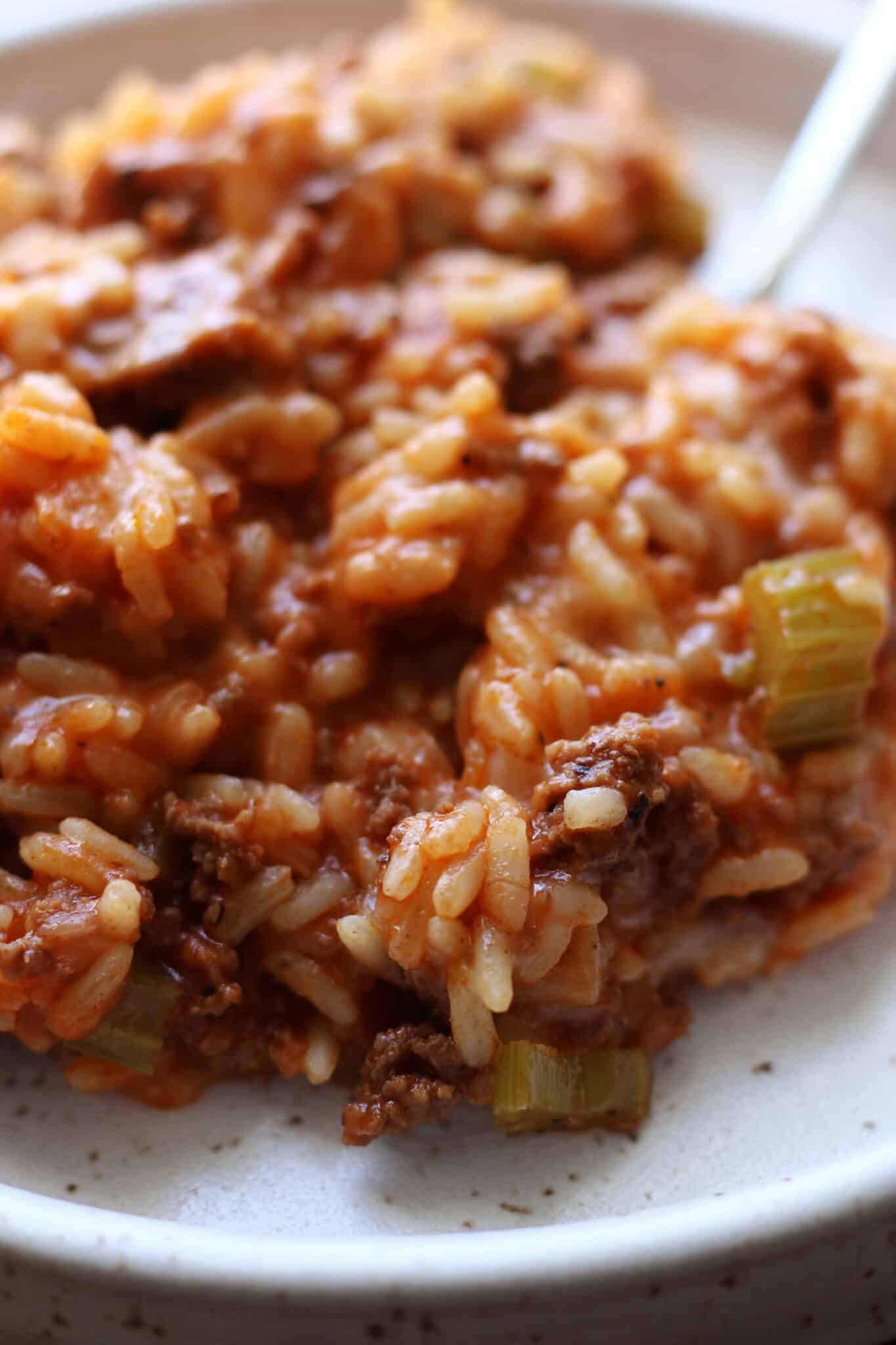
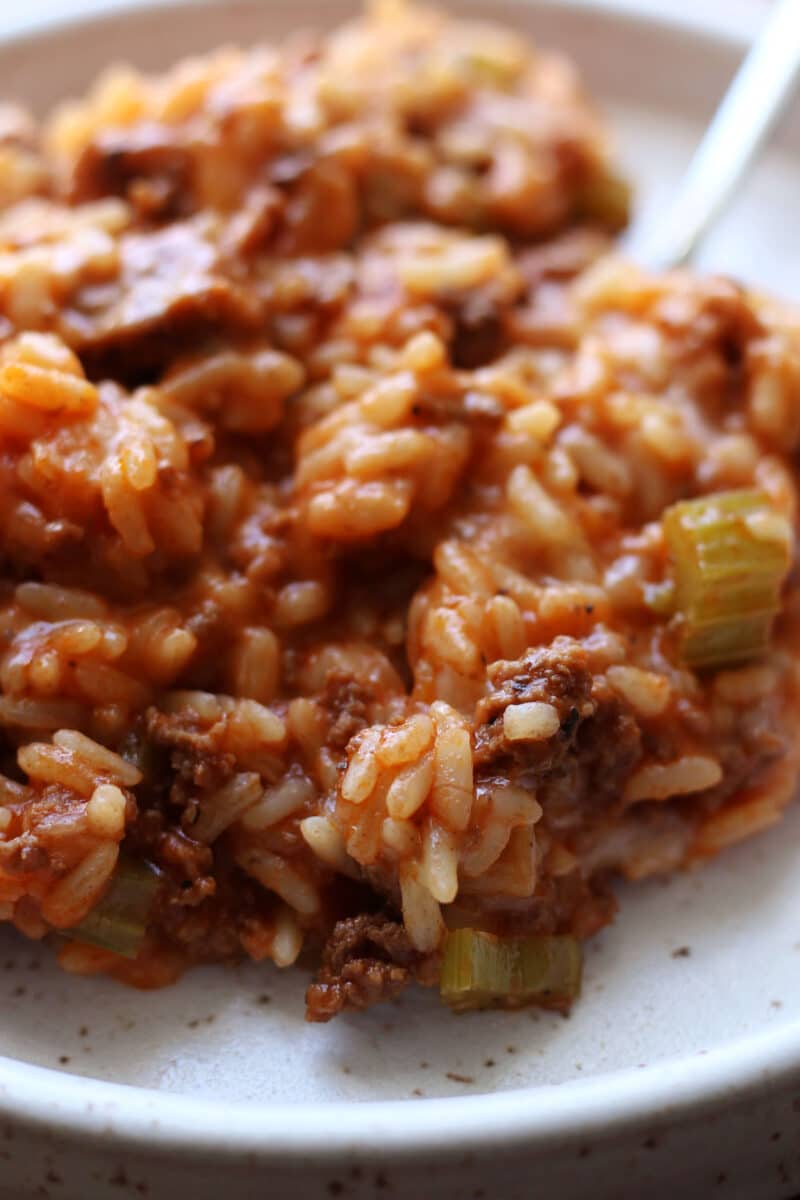
The Porcupine Supreme Casserole represents a significant evolution in American comfort food, transforming a mid-century staple into a streamlined, one-pot meal designed for the modern kitchen. This contemporary dish utilizes a blend of ground beef, long-grain rice, and a savory tomato-based sauce, topped with melted Monterey Jack cheese. By leveraging the technical capabilities of the Instant Pot and the slow cooker, the recipe addresses the increasing consumer demand for "dump-and-go" meals that do not sacrifice the nostalgic flavors of traditional home cooking. The dish serves as a functional reimagining of the classic porcupine meatball, a recipe that rose to prominence during the early 20th century as a means of extending protein portions with affordable grains.
Historical Context and the Evolution of the Porcupine Meatball
To understand the significance of the Porcupine Supreme Casserole, one must examine the history of its predecessor, the porcupine meatball. Emerging as a popular household staple during the Great Depression and through the rationing years of World War II, porcupine meatballs were born of economic necessity. By mixing uncooked white rice into ground beef, home cooks could create the illusion of a larger meat portion while providing the necessary carbohydrates for a filling meal. The name "porcupine" stems from the visual effect created during the cooking process: as the rice absorbs moisture and expands, the grains protrude from the surface of the meat, resembling the quills of a porcupine.
Traditionally, these meatballs were simmered in a condensed tomato soup or a thin tomato sauce on the stovetop for 45 to 60 minutes. While the flavor profile remained a favorite for generations, the labor-intensive process of hand-rolling individual meatballs has often been cited as a deterrent for modern time-constrained families. The "Supreme Casserole" iteration removes the manual shaping phase, opting instead for a deconstructed format where the beef is browned and the rice is distributed throughout the vessel. This transition from individual units to a unified casserole reflects broader culinary shifts toward efficiency and "bowl-style" eating patterns that have dominated the 2020s.
Technical Methodology: The Role of Modern Appliances
The development of the Porcupine Supreme Casserole is inextricably linked to the rise of multi-cookers, such as the Instant Pot, and the continued relevance of the slow cooker. These appliances have fundamentally changed the internal chemistry of home-cooked grains and meats.
The Pressure Cooking Phase
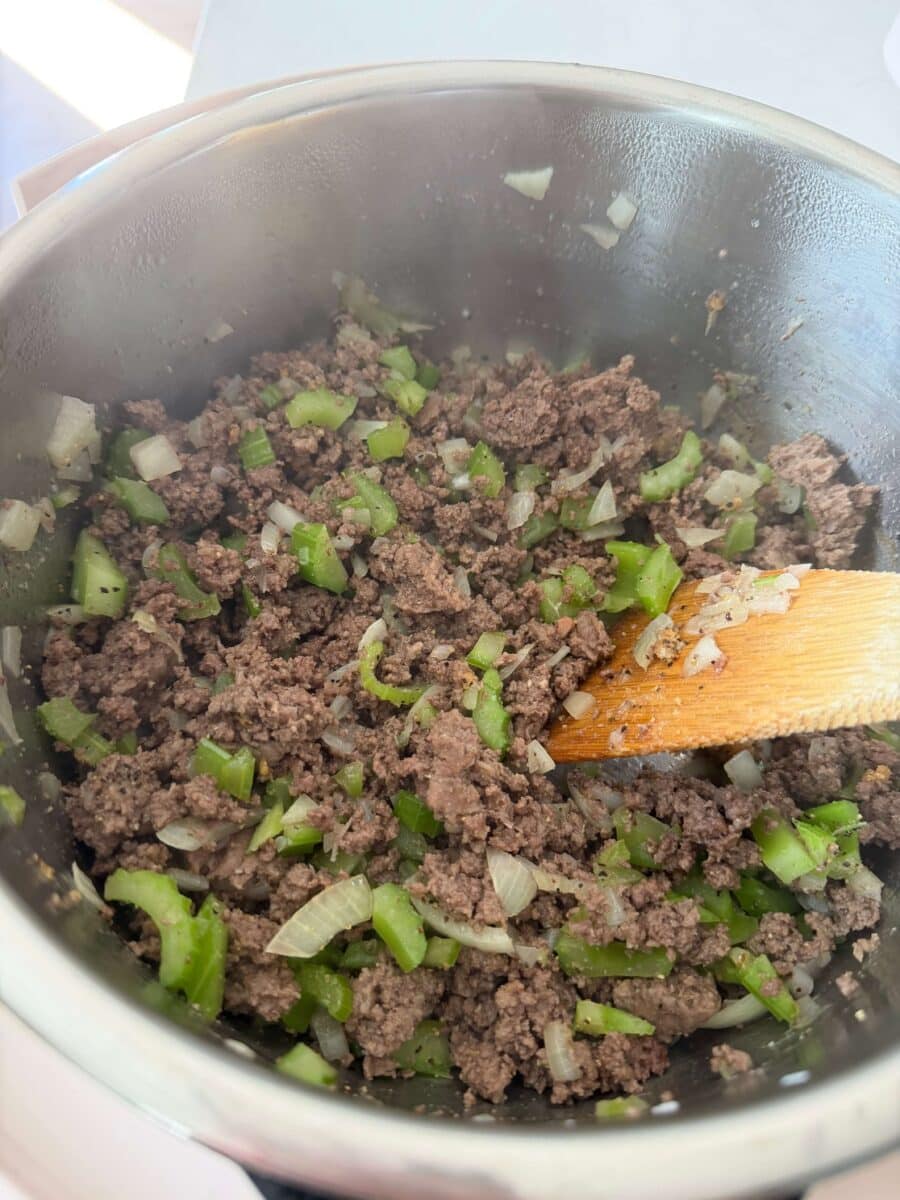
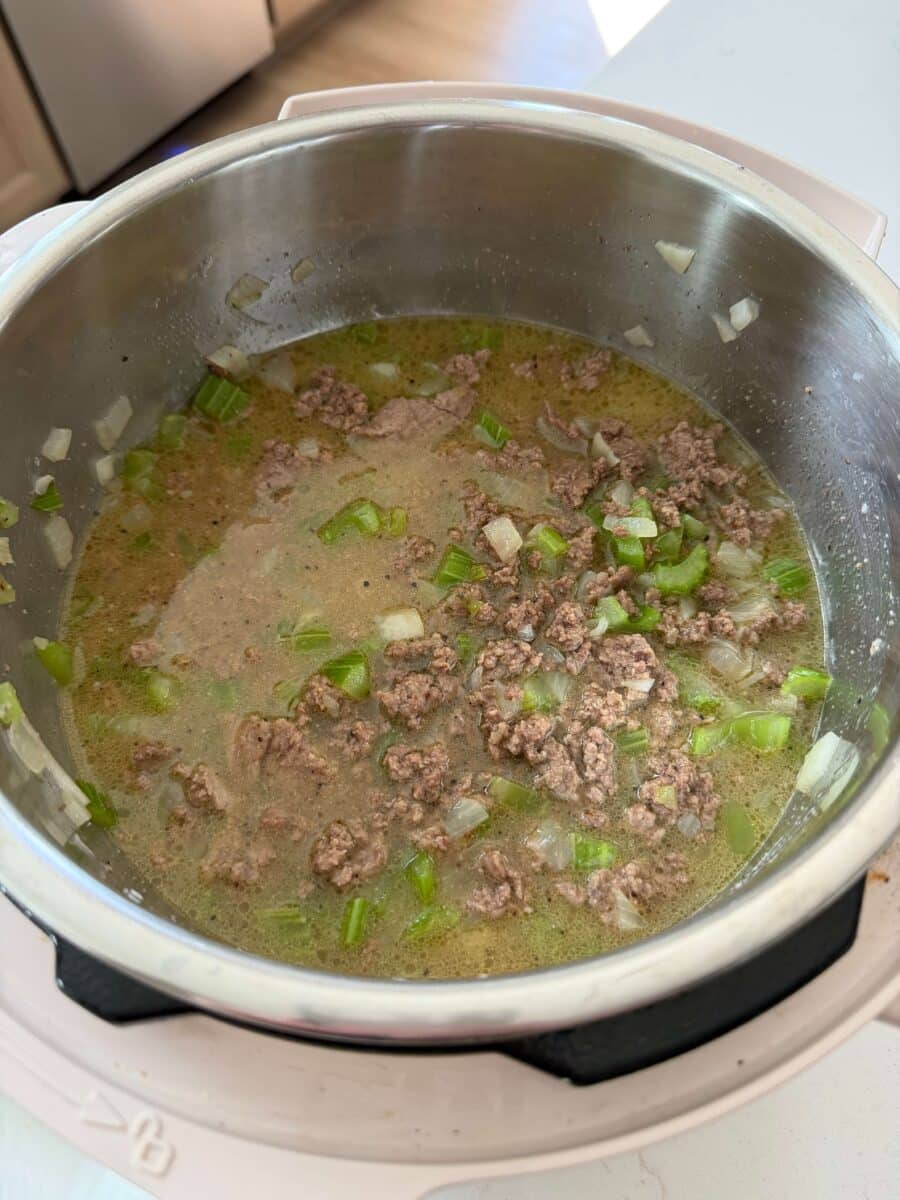
In the Instant Pot version of the recipe, the Maillard reaction is first achieved through the "Sauté" function, where the ground beef is browned alongside aromatics like onion and celery. Journalistic analysis of modern cooking habits indicates that this preliminary browning step is crucial for depth of flavor, a step often skipped in earlier "set-and-forget" recipes.
Following the browning of the meat and the addition of beef broth, rice is layered on top. The pressure cooking cycle is set for a remarkably short duration of four minutes. However, the true cooking occurs during the "natural release" period. By allowing the pot to remain sealed for ten minutes after the cycle ends, the rice can fully hydrate without becoming mushy—a common technical failure in stovetop rice casseroles. The pressurized environment forces moisture into the center of the rice grains quickly, ensuring that the beef remains tender while the starch reaches the ideal al dente texture.
The Slow Cooker Alternative
For the slow cooker methodology, the emphasis shifts from speed to convenience. While the beef must still be browned on a stovetop (or in a multi-cooker) to ensure food safety and flavor development, the subsequent four to six hours of low-heat cooking allow the acidity of the tomato sauce to break down the connective tissues in the ground beef, resulting in a cohesive, melt-in-the-mouth texture. This method is particularly favored by professionals who prepare meals in the morning for evening consumption, a demographic that continues to drive the sales of programmable slow cookers.
Ingredient Analysis and Flavor Profile
The Porcupine Supreme Casserole relies on a specific chemical balance between acidity, sweetness, and fat.
- The Protein Base: The use of ground beef provides the primary fat content. Culinary experts suggest a 90/10 or 85/15 lean-to-fat ratio to prevent the casserole from becoming overly greasy, although the recipe allows for the draining of excess fat after the initial browning phase.
- The Starch: Long-grain white rice is the standard choice. Unlike short-grain rice, which contains higher levels of amylopectin and becomes sticky, long-grain rice maintains individual grain integrity, which is essential for the "porcupine" aesthetic.
- The Sauce Chemistry: The combination of tomato sauce, Worcestershire sauce, and a small amount of granulated sugar creates a complex flavor profile. The sugar acts as a buffer to the high acidity of the canned tomato sauce, while the Worcestershire sauce provides umami through its fermented anchovy and tamarind base.
- The Cheese Component: Monterey Jack is selected for its high moisture content and superior melting point. Unlike aged cheddars, which can become oily when subjected to high heat, Monterey Jack creates a smooth, creamy "blanket" over the beef and rice, a hallmark of American "supreme" style casseroles.
Economic and Sociological Impact
The resurgence of rice-and-beef casseroles like the Porcupine Supreme is a reflection of current economic pressures. With global food inflation impacting the price of premium protein cuts, ground beef remains a relatively accessible option for the average household. By incorporating rice as a primary filler, the cost-per-serving of the dish is significantly reduced.

Furthermore, the dish has gained traction in digital spaces, particularly on platforms like Pinterest and TikTok. The terminology used by younger generations to describe the dish—such as the slang term "gas," meaning high quality or excellent—indicates that these retro-inspired meals are successfully bridging the generational gap. The transition of "mom’s favorite recipe" into a viral digital format demonstrates the cyclical nature of food trends, where comfort and nostalgia are repackaged for a high-tech kitchen environment.
Market Trends in One-Pot Cooking
The popularity of the Porcupine Supreme Casserole aligns with broader market data regarding kitchen appliance usage. According to industry reports, the global multi-cooker market is projected to continue its growth at a compound annual growth rate (CAGR) of over 6% through 2030. Consumers are increasingly seeking appliances that reduce cleanup time and energy consumption.
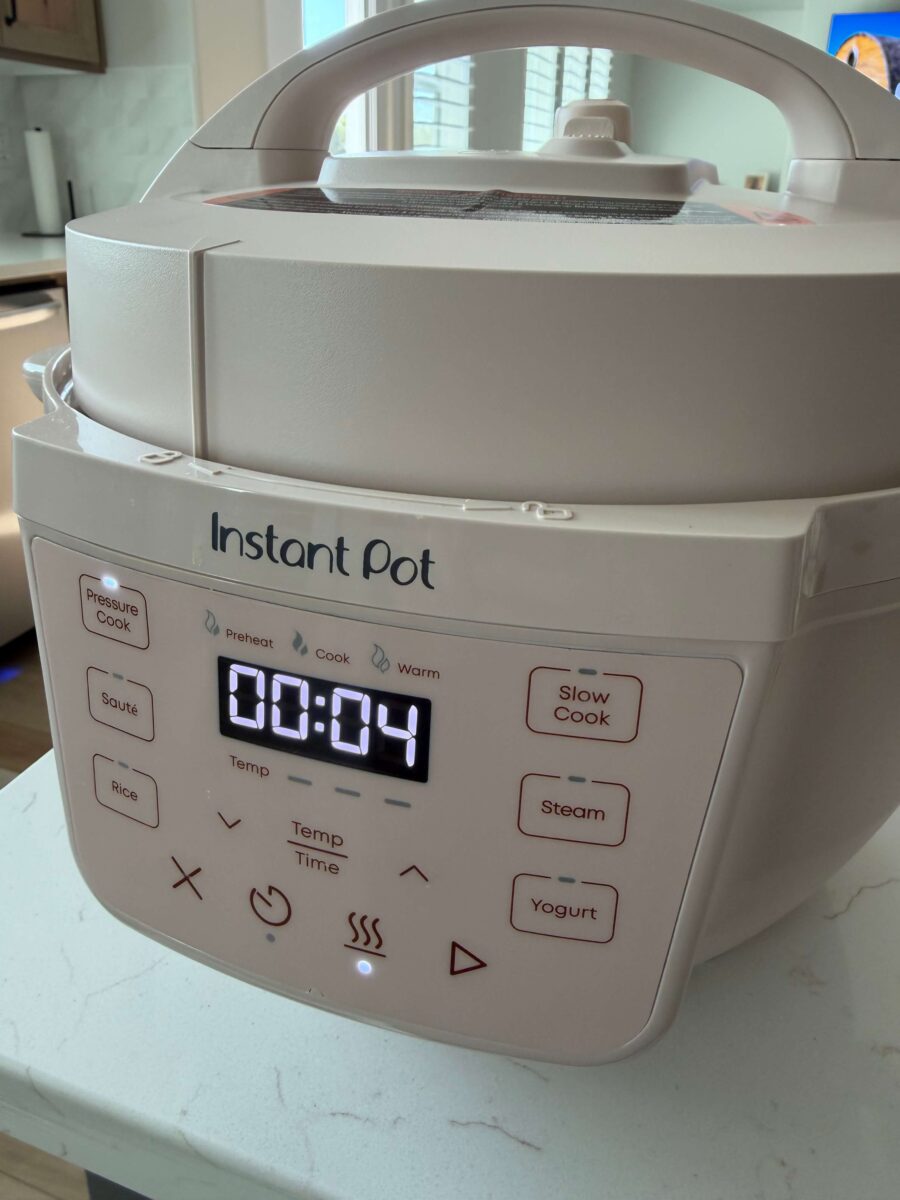
The "one-pot" nature of this casserole appeals to the 64% of home cooks who cite "cleaning up" as their least favorite part of the cooking process. By browning, deglazing, and pressure cooking within a single stainless steel liner, the Porcupine Supreme Casserole minimizes the environmental and labor footprint of a family dinner.
Chronology of Preparation
The successful execution of the Porcupine Supreme Casserole follows a strict chronological sequence to ensure textural integrity:
- T-Minus 0:00: The Instant Pot is heated to the "High Sauté" setting.
- T-Plus 0:04: The beef is browned, and aromatics (onions and celery) are introduced to soften.
- T-Plus 0:06: Seasonings including garlic powder, onion powder, salt, and pepper are integrated.
- T-Plus 0:08: Deglazing occurs. Beef broth is added, and the bottom of the pot is scraped to prevent the "Burn" notice, a common technical hurdle in pressure cooking.
- T-Plus 0:10: The rice and tomato-based liquids are layered. Critically, the rice is not stirred vigorously into the bottom to prevent sticking.
- T-Plus 0:15: The pot reaches pressure and begins the 4-minute countdown.
- T-Plus 0:29: Following a 10-minute natural release and a manual vent, the lid is removed.
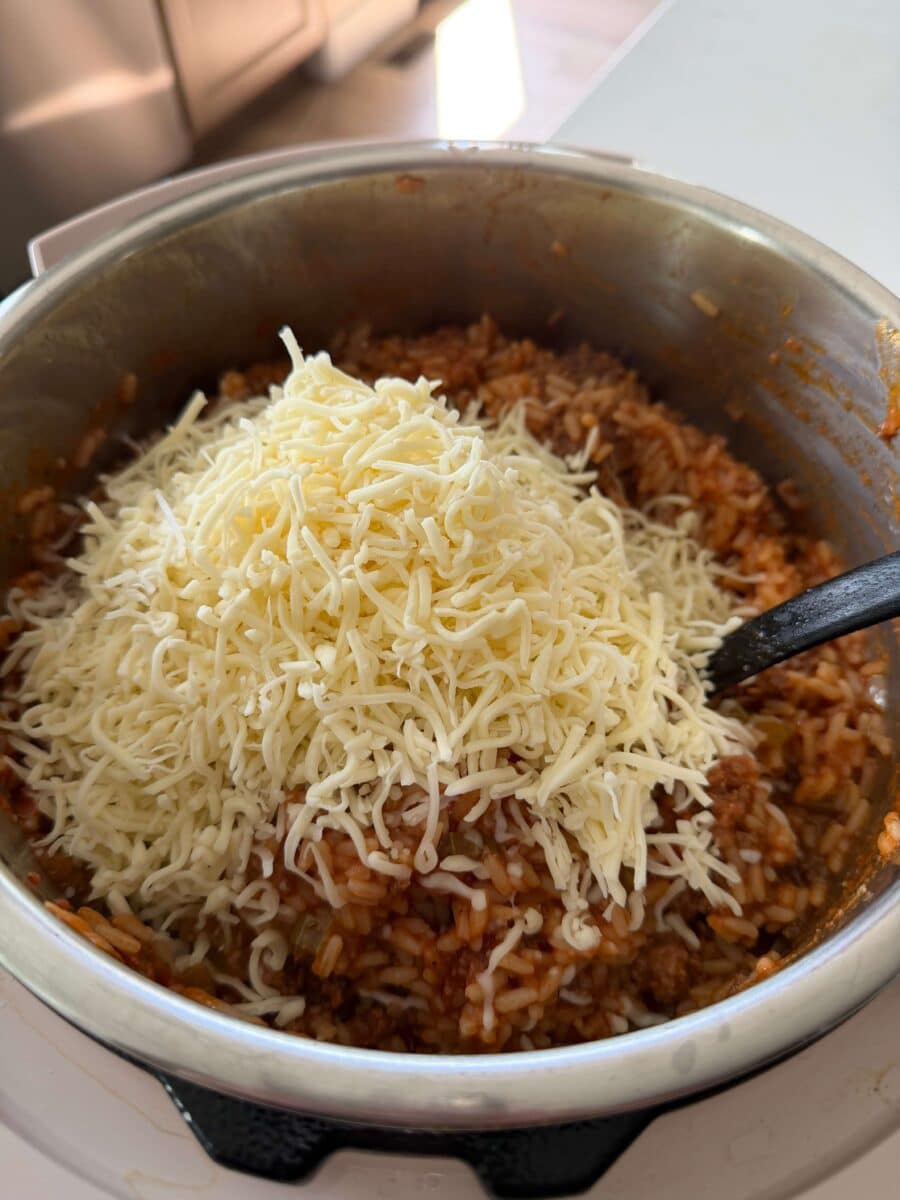
- T-Plus 0:31: Monterey Jack cheese is folded into the hot mixture, utilizing residual heat for melting.
Implications for Modern Meal Planning
The Porcupine Supreme Casserole is more than a simple recipe; it is a case study in the modernization of domestic labor. It highlights a shift where the "craft" of cooking (rolling meatballs) is traded for the "science" of cooking (calibrating pressure and release times).
As families continue to navigate busy schedules, the reliance on such "supreme" casseroles is expected to rise. These dishes provide a sense of security and continuity, linking the Great Depression-era kitchen to the 21st-century smart home. The success of this specific recipe—noted for its "cheesy, melty" finish and its ability to please both nostalgic adults and "slang-savvy" teenagers—suggests that the future of home cooking lies in the thoughtful re-engineering of the past.

By focusing on accessible ingredients and utilizing the efficiency of the Instant Pot, the Porcupine Supreme Casserole secures its place as a quintessential example of contemporary American cuisine: efficient, economical, and deeply rooted in the comfort of tradition.
