
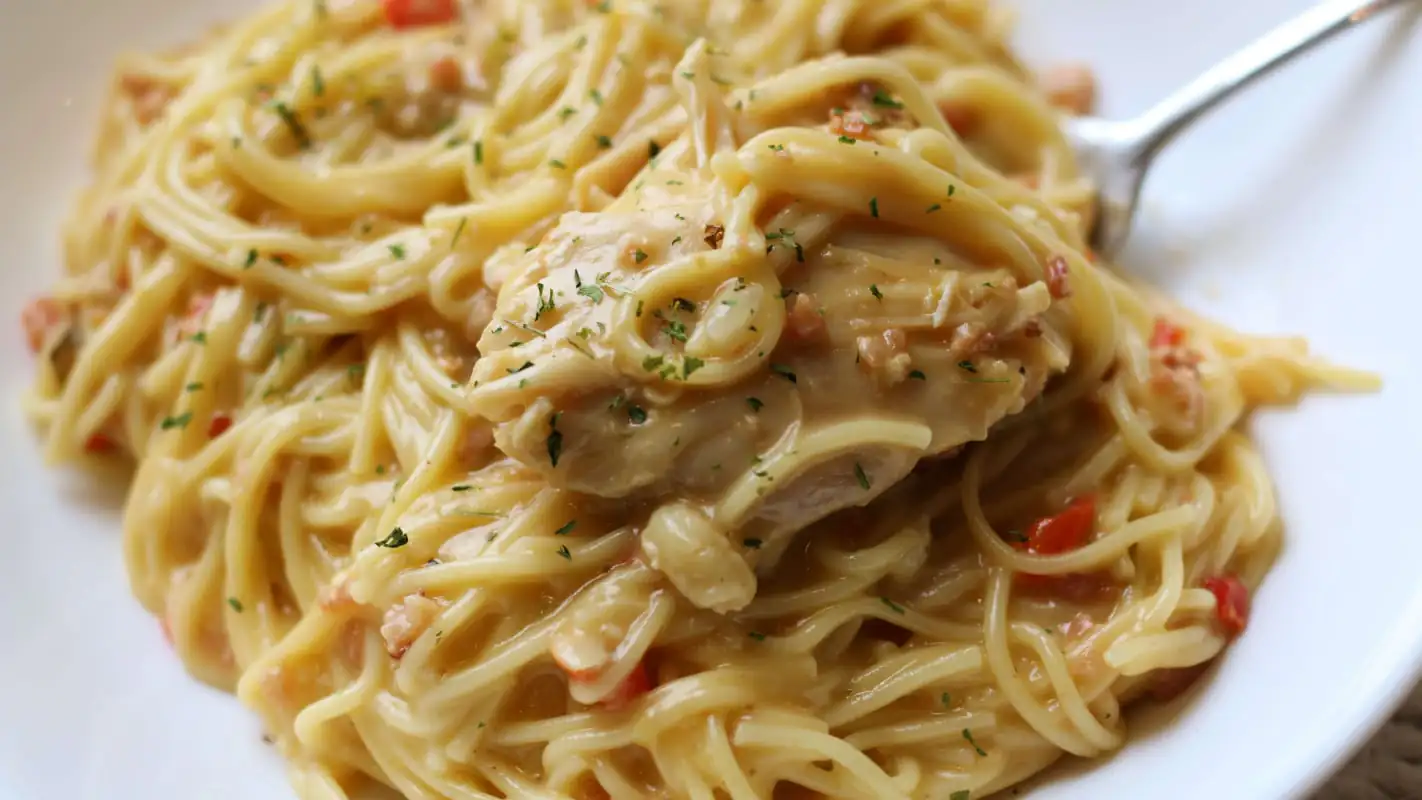
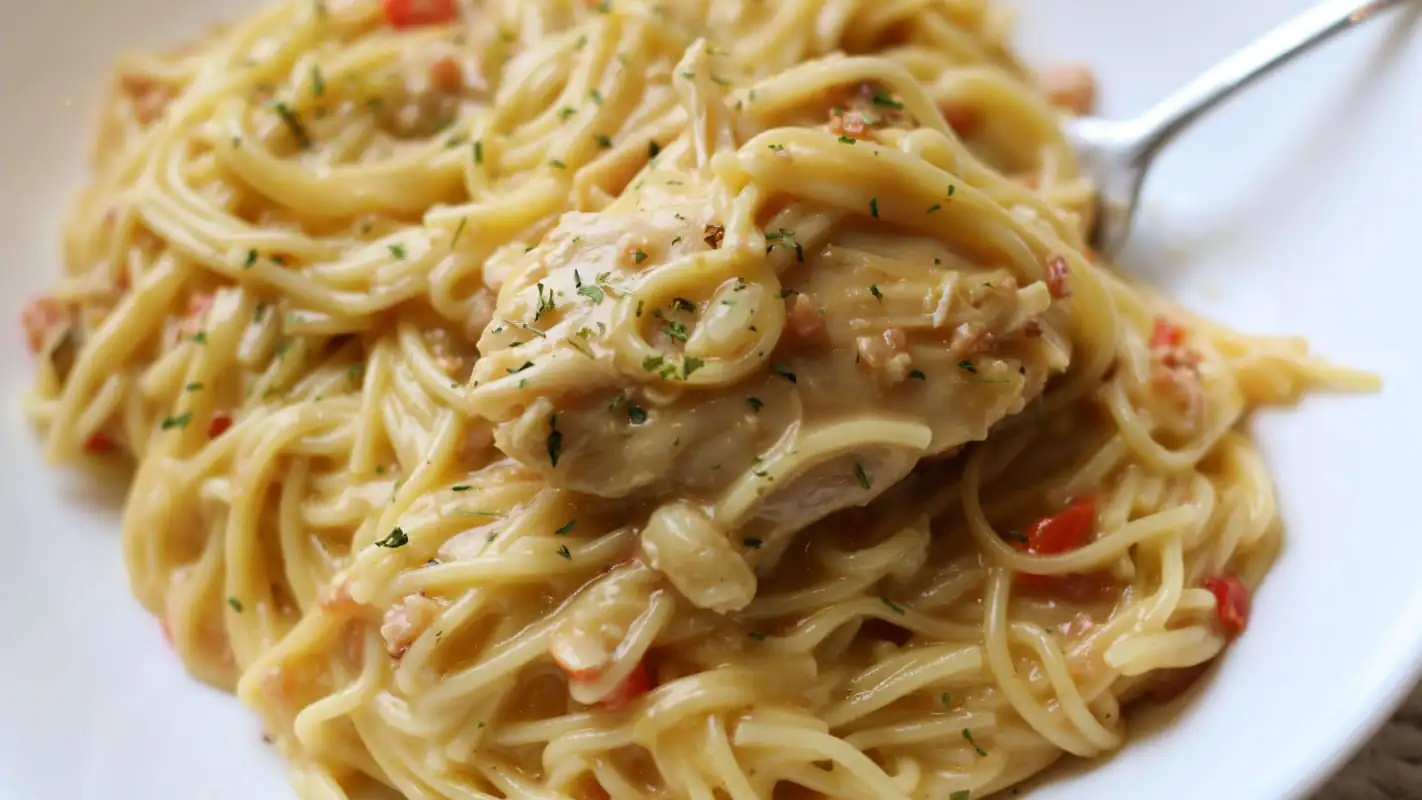
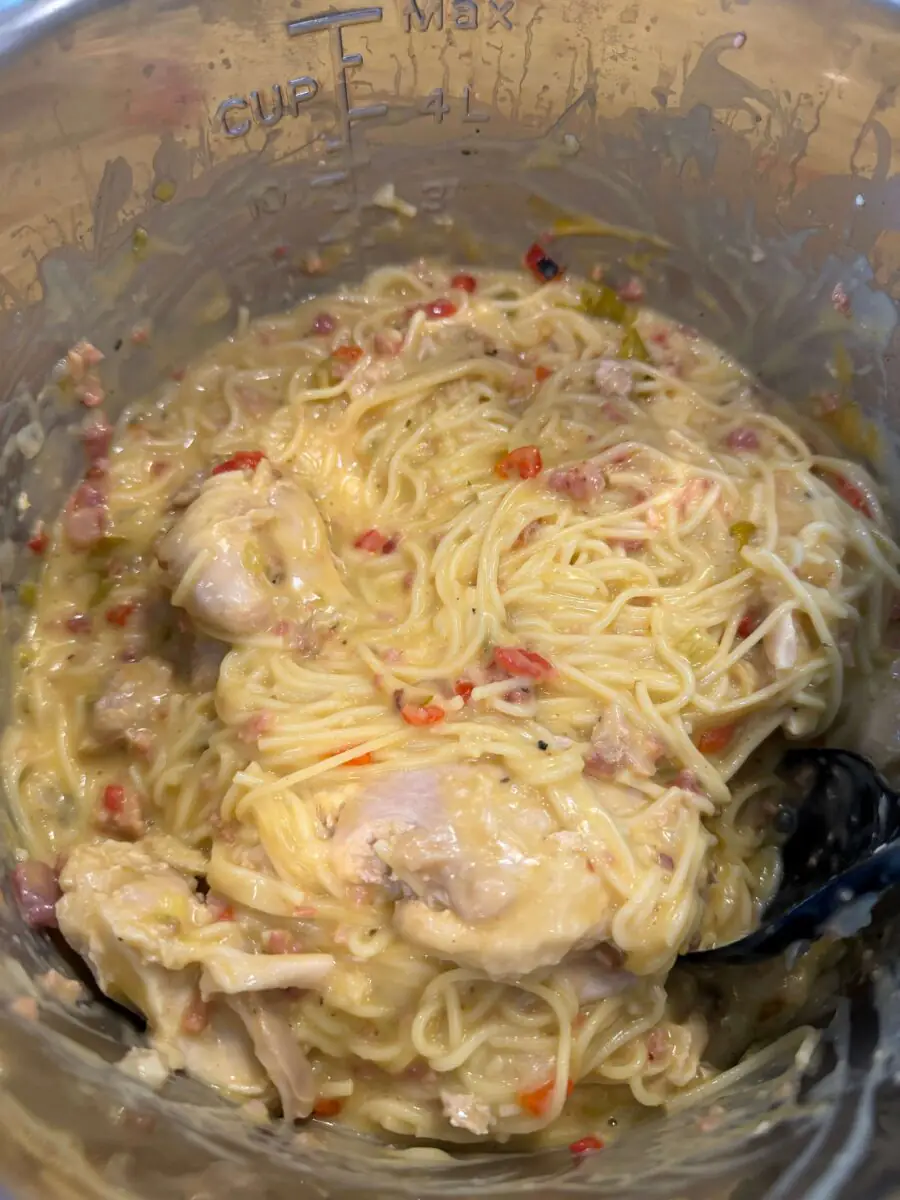
The recipe’s composition—a rich assembly of angel hair pasta, shredded chicken, crispy bacon, and a piquant blend of green chiles and cheddar cheese—is designed to provide a high-calorie, satisfying meal suitable for large families. The inclusion of pimentos and cayenne pepper offers a subtle nod to the regional influences of the American South and Southwest, where heat and creaminess are often paired to create a balanced palate.
Historical Context and Culinary Lineage
To understand the significance of the Pioneer Chicken Casserole, one must look at the history of its predecessor: the classic Chicken Spaghetti. Unlike traditional Italian pasta dishes, Chicken Spaghetti is a distinctly American creation, with roots deeply embedded in the potluck and church social cultures of the Southern United States, particularly in Texas. Historically, it was a way to stretch a single chicken to feed a dozen people, utilizing pantry staples like canned cream soups to create a shelf-stable, reliable sauce.
The Pioneer Woman, Ree Drummond, revitalized this dish for a digital audience in the late 2000s, cementing its status as a quintessential comfort food for the modern era. However, the original Drummond recipe typically requires boiling the pasta separately, sautéing vegetables on the stovetop, and finishing the dish in the oven to melt the cheese and develop a crust. The adaptation of this meal for the Instant Pot—a multi-functional pressure cooker—marks the next step in the dish’s chronology. It reflects a societal move toward "active time" reduction, where the total duration of cooking is less important to the consumer than the reduction of manual labor and cleanup.
Technical Execution and Chronological Process
The transition of a baked casserole to a pressure-cooked format requires a precise understanding of moisture ratios and heat distribution. The process for the Pioneer Chicken Casserole is divided into three distinct phases: the protein tenderization phase, the starch integration phase, and the emulsification phase.
Phase 1: Protein Tenderization and Infusion
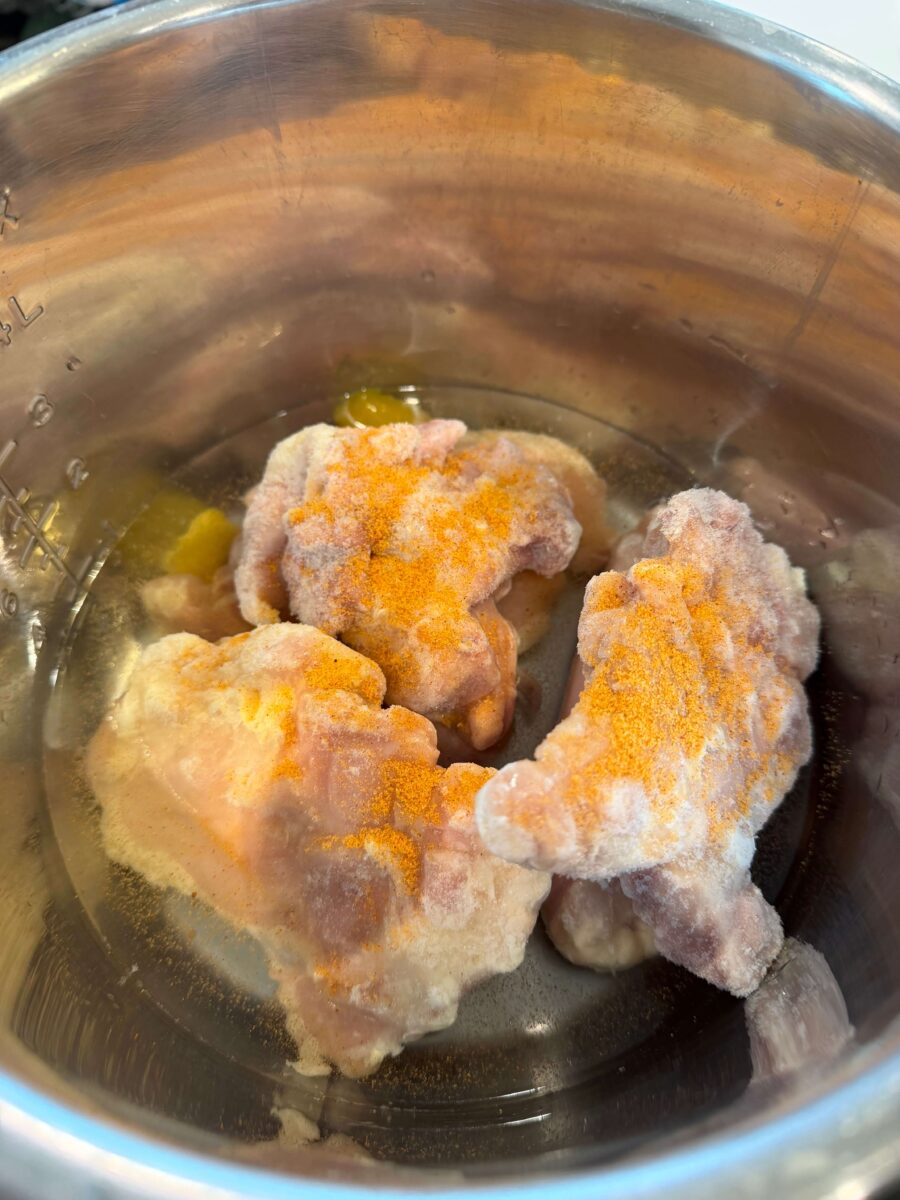
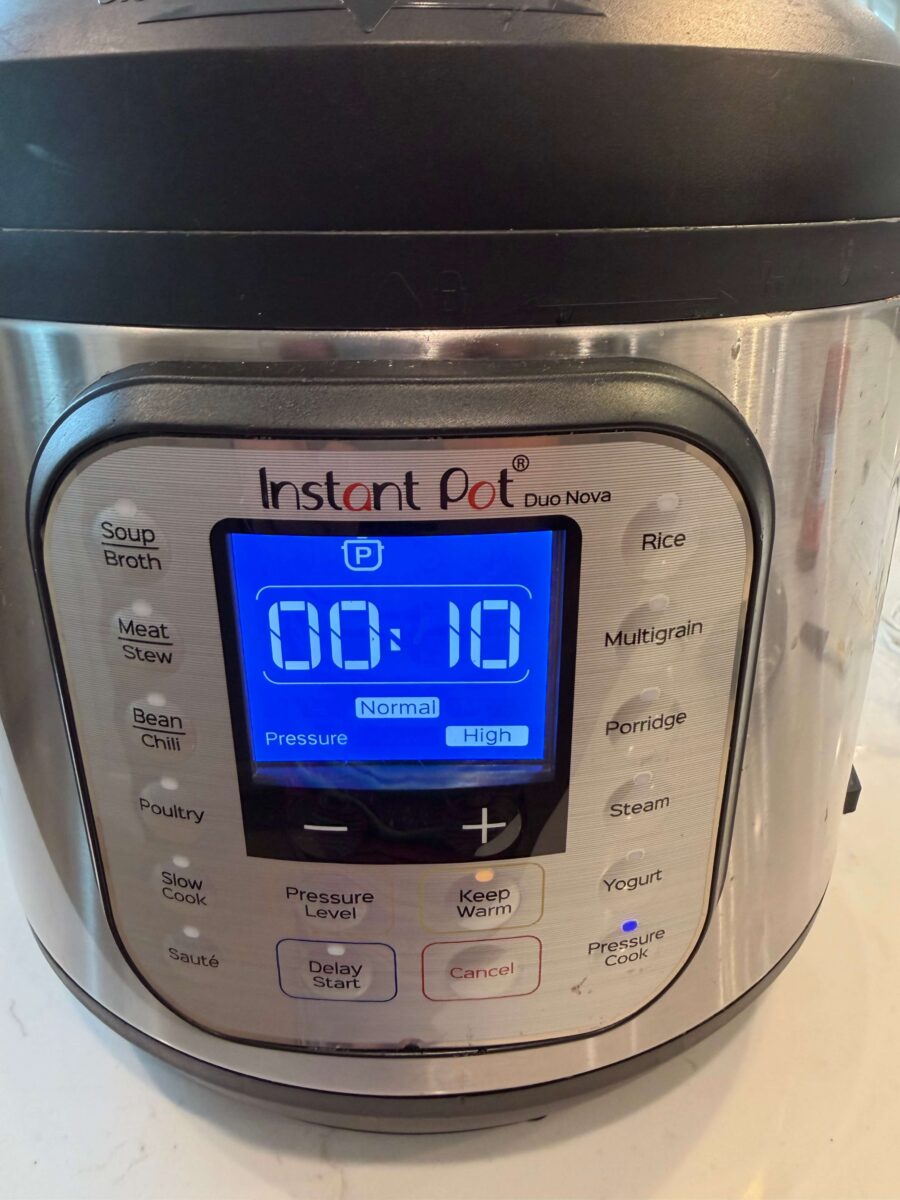
The process begins with the placement of chicken—often frozen thighs or breasts—into the pressure cooker with chicken broth and seasoned salt. Under high pressure (typically 10.2 to 11.6 psi), the connective tissues in the chicken break down rapidly. A 10-minute cycle at high pressure achieves a level of tenderness that would traditionally require hours of simmering. This phase not only cooks the meat but also creates a concentrated "base liquor" of chicken essence and broth that serves as the cooking medium for the pasta in the subsequent step.
Phase 2: Controlled Starch Hydration
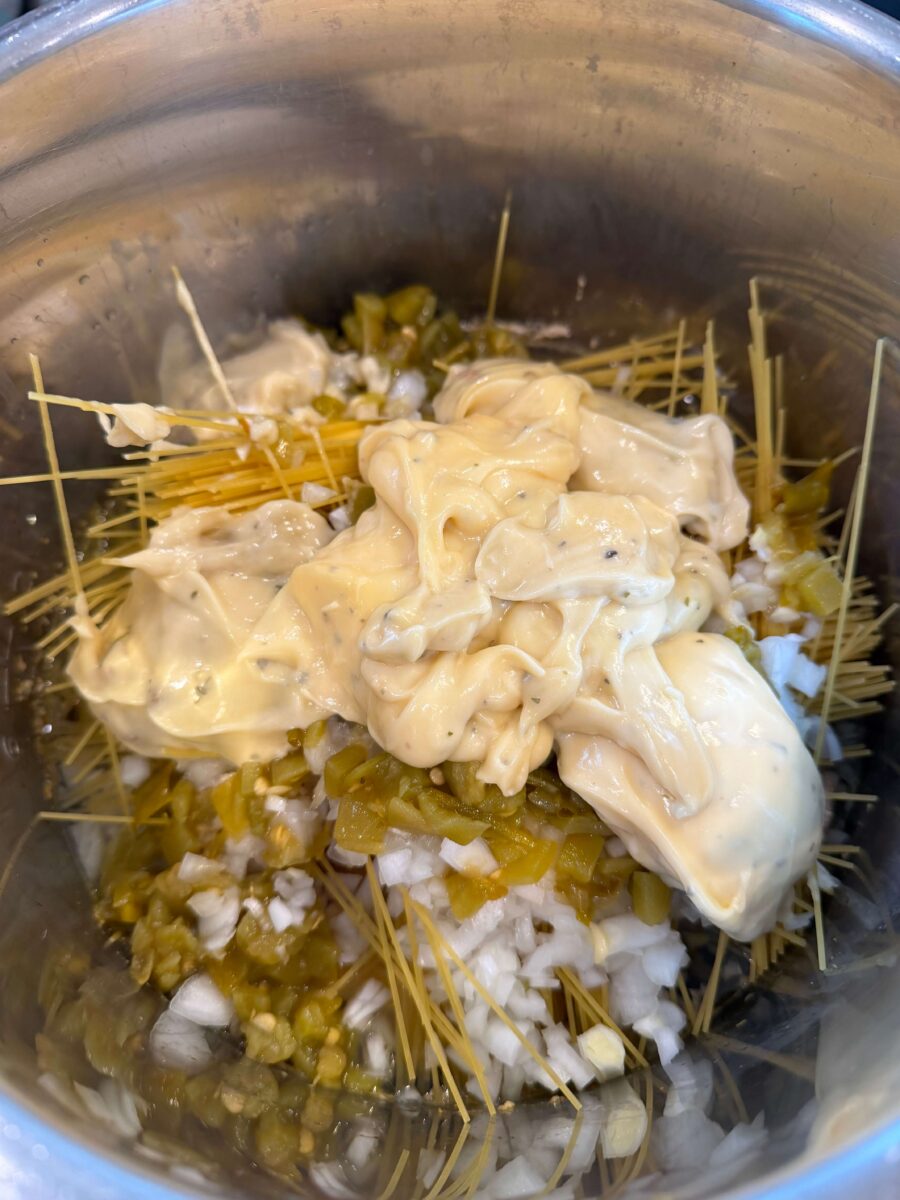
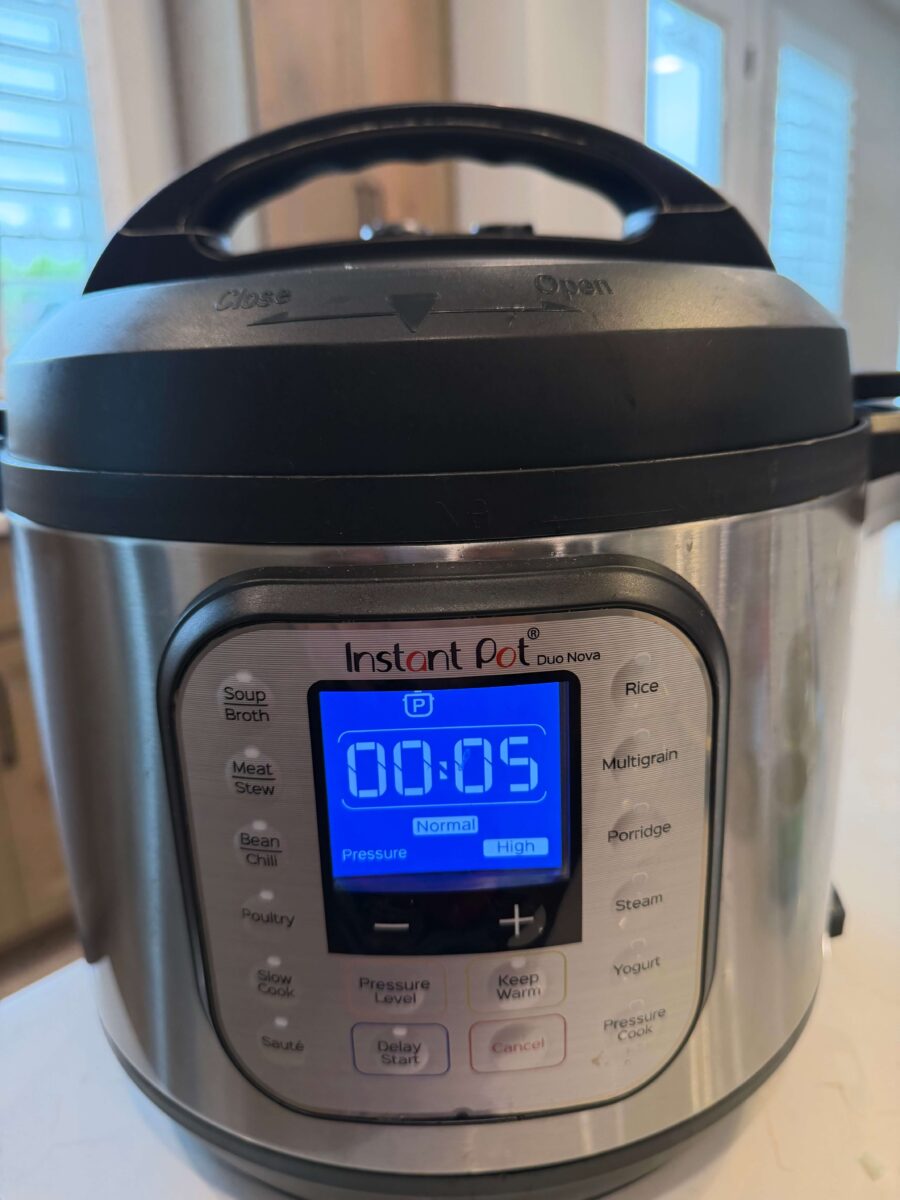
The second phase involves the addition of angel hair pasta. In a traditional setting, angel hair is prone to overcooking within minutes. However, when layered in a crisscross pattern—to prevent "clumping" or the "burn" notice common in high-starch pressure cooking—and topped with aromatics like onions and green chiles, the pasta absorbs the flavored broth under pressure. A short five-minute cycle, followed by a five-minute natural release, allows the noodles to reach an al dente state while simultaneously thickening the surrounding liquid into a rudimentary sauce.
Phase 3: Final Assembly and Emulsification
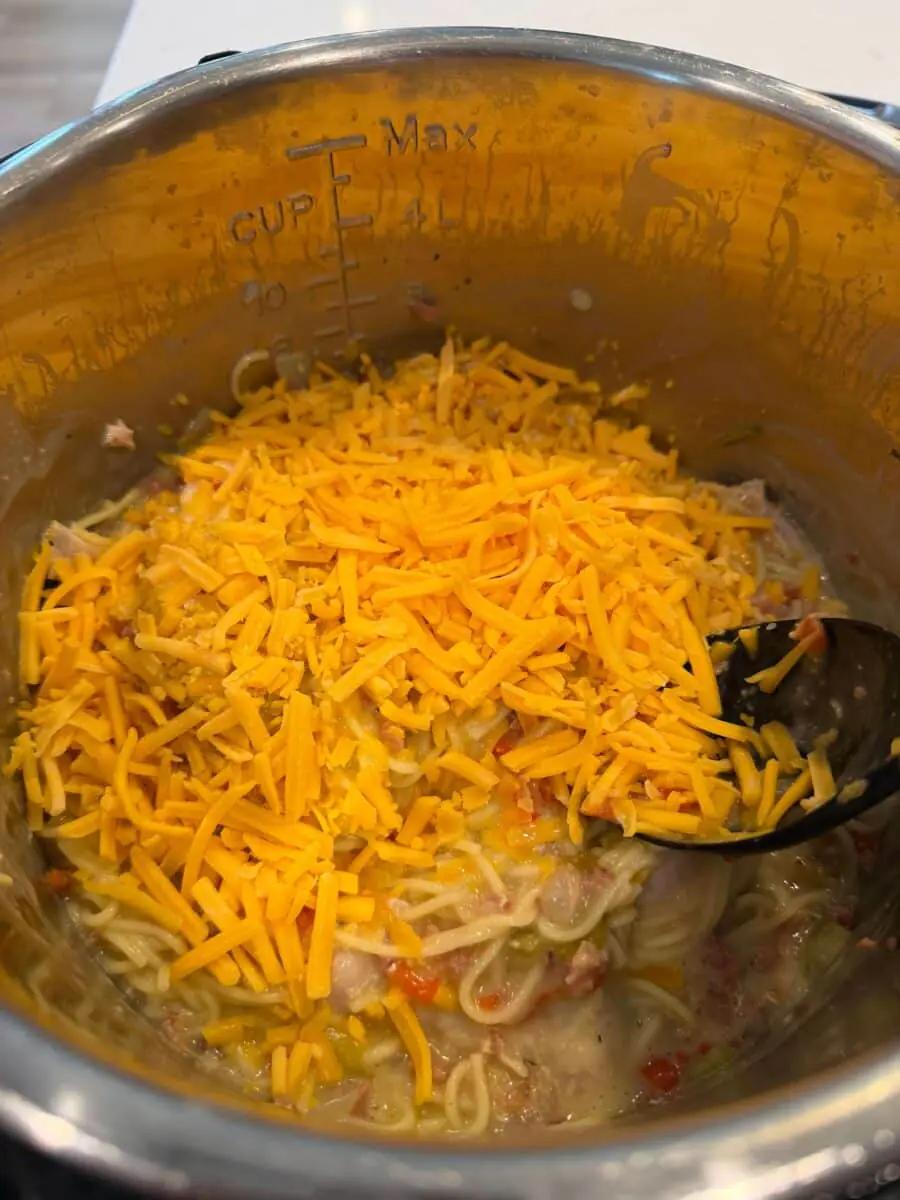
The final stage occurs after the pressure has been released. The heat retained within the ceramic or stainless-steel inner pot is sufficient to melt shredded cheddar cheese and integrate the heavy cream-based components (such as cream of chicken soup). The addition of pre-cooked bacon provides a structural contrast (crunch) to the soft pasta, while pimentos add aesthetic vibrancy and a mild sweetness.
Market Trends and the Rise of Multi-Cooker Technology
The popularity of recipes like the Pioneer Chicken Casserole is supported by significant market data regarding kitchen appliance trends. According to market research firm NPD Group, sales of multi-cookers saw a meteoric rise between 2017 and 2020, with millions of units sold annually in the United States alone. This surge was driven by a demographic of "time-poor" professionals and busy parents who sought to replicate "Sunday Supper" quality on a weeknight schedule.
Furthermore, the "casserole economy" remains a vital part of American grocery habits. Data from the Bureau of Labor Statistics indicates that while the cost of dining out has risen sharply, the cost of bulk staples—such as pasta, canned soups, and frozen poultry—has remained relatively accessible. Casseroles are strategically favored by budget-conscious households because they are highly "scalable" and possess excellent refrigeration stability, allowing for multiple meals from a single preparation cycle.
Supporting Data: Nutritional and Economic Impact
A standard serving of a chicken-based pasta casserole provides a dense profile of macronutrients. By utilizing chicken thighs, the dish incorporates higher fat content and iron compared to breast meat, contributing to the "satiety factor" that consumers associate with comfort food.
| Ingredient Component | Role in Dish | Economic Profile |
|---|---|---|
| Chicken Thighs | Primary Protein | Low-cost, high-moisture retention |
| Angel Hair Pasta | Primary Carbohydrate | High surface area for sauce adhesion |
| Cheddar/Cream Soup | Lipid/Emulsifier | Provides "mouthfeel" and caloric density |
| Green Chiles/Pimentos | Micronutrients/Flavor | Low-cost flavor enhancers |
From an economic standpoint, the Pioneer Chicken Casserole is estimated to cost between $1.50 and $2.25 per serving when ingredients are purchased at standard retail prices. This positions it as a high-value alternative to processed frozen dinners or fast-food options, which often lack the fresh protein and customizable spice levels found in home-cooked versions.
Community Response and Culinary Implications
The digital response to this Instant Pot adaptation has been overwhelmingly positive, particularly among the "365 Days of Crockpot" community, a platform managed by culinary creator Karen Petersen. Statements from home cooks frequently highlight the "leftover potential" of the dish. In the context of food science, the flavors in the Pioneer Chicken Casserole often deepen after 24 hours of refrigeration, as the pasta continues to absorb the aromatics and the fats in the cheese stabilize.
Professional culinary analysts suggest that the success of such recipes lies in their "fail-safe" nature. The Instant Pot’s sealed environment prevents the evaporation of moisture, a common pitfall in traditional oven-canning where casseroles can become dry or "rubbery." By keeping the moisture trapped, the chicken remains succulent, and the sauce maintains a silky consistency.
Broader Cultural Impact and Future Outlook
The Pioneer Chicken Casserole is more than a simple recipe; it is a cultural artifact that represents the intersection of tradition and innovation. It acknowledges the legacy of figures like Ree Drummond, who romanticized the "ranch wife" aesthetic, while simultaneously embracing the high-tech, automated future of the kitchen.
As the food industry continues to grapple with inflation and shifting work-life balances, the reliance on "dump-and-go" recipes is expected to grow. Industry experts predict a secondary wave of innovation in the multi-cooker space, focusing on "smart" integration where appliances can adjust pressure and temperature based on the specific weight and moisture content of the ingredients.
In conclusion, the Pioneer Chicken Casserole serves as a benchmark for modern domestic efficiency. It proves that the core values of the American dinner table—heartiness, family-style service, and flavorful ingredients—can be preserved even as the methods of production are radicalized by technology. For the modern consumer, it offers a rare combination of nostalgia and convenience, ensuring its place in the permanent rotation of the contemporary digital cookbook.
