
This sophisticated dessert, renowned for its ethereal texture and elegant presentation, combines a delicately crisp exterior with a soft, marshmallowy interior, all rolled around a luscious cream filling. A naturally gluten-free option, the meringue roulade is celebrated as a show-stopping centerpiece for special occasions, embodying both culinary challenge and immense reward. Its allure lies not only in its delightful taste but also in the meticulous technique required to achieve its signature structure and aesthetic appeal.
The Historical Tapestry of Meringue and Roulades
To fully appreciate the meringue roulade, one must delve into the origins of its constituent parts. Meringue itself is believed to have originated in the Swiss village of Meiringen, with its invention often attributed to a pastry chef named Gasparini in the early 18th century. Composed primarily of whipped egg whites and sugar, meringue quickly gained popularity across Europe, particularly in France, where it was refined and integrated into high-end patisserie. The addition of cream of tartar, a stabilizer, and cornstarch, which contributes to its chewiness and reduces fragility, are later innovations that enhance its structural integrity, particularly crucial for a rolled application.
Roulades, or "rolls," are a broader category of culinary preparations found in various forms across global cuisines, from savory meat dishes to sweet cakes. The concept of rolling a delicate baked sheet with a filling has a long tradition in European baking, with sponge cake roulades being a familiar example. The meringue roulade represents a particularly delicate iteration of this form, marrying the airy lightness of meringue with the structural demands of a roll. This fusion creates a dessert that is visually striking, with its elegant spiral, and texturally complex, offering a symphony of crispness, chewiness, and creamy indulgence.
Deconstructing the Meringue: A Scientific Approach to Lightness
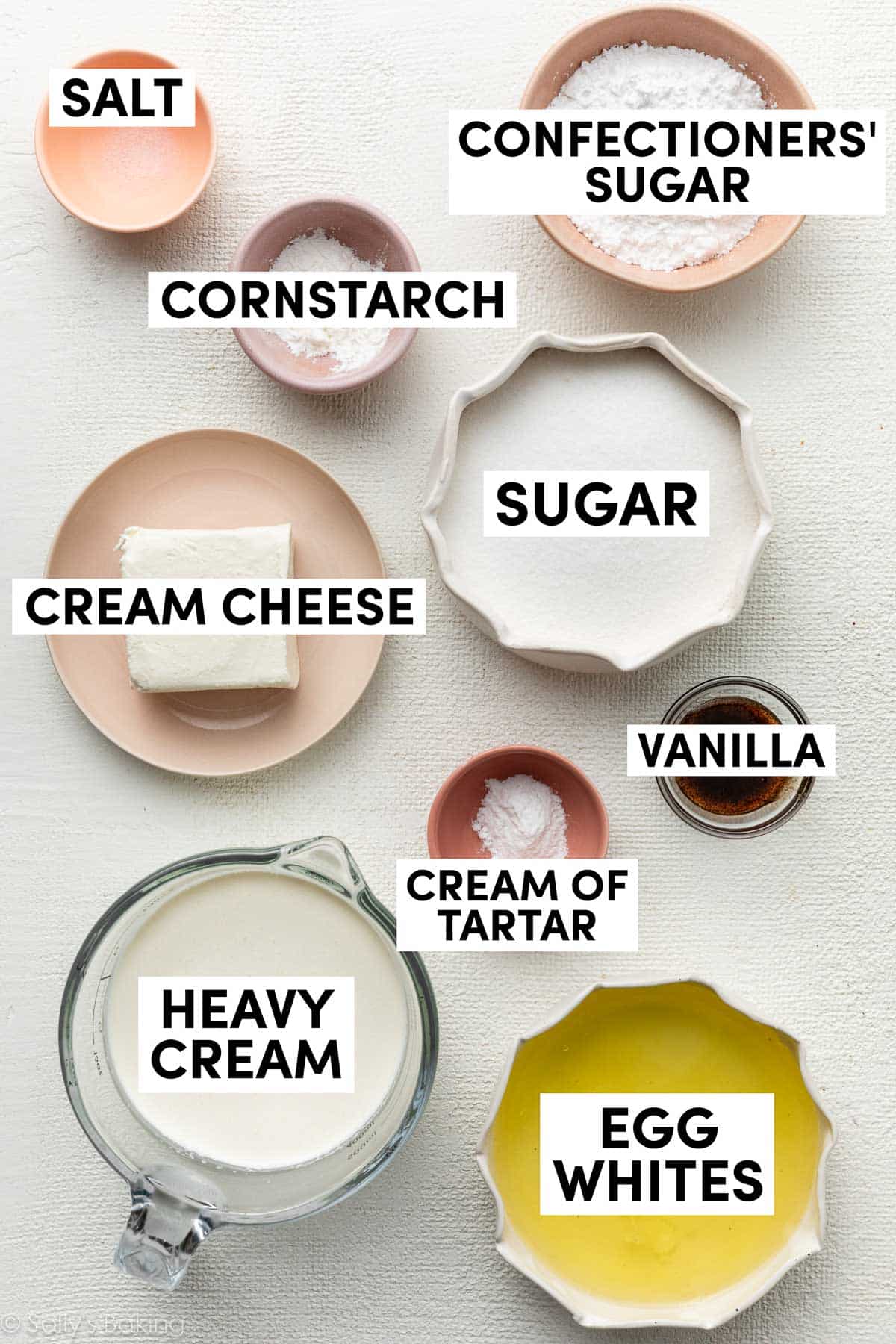
The foundation of a successful meringue roulade is, naturally, the meringue itself. This seemingly simple concoction of egg whites and sugar is a marvel of food science. When egg whites are whipped, the proteins within them unfold and trap air, forming a foam. Sugar then dissolves into this foam, stabilizing the air bubbles and adding sweetness, while also contributing to the crispness of the baked meringue.
- Egg Whites: Fresh, room-temperature egg whites are often recommended as they whip to a greater volume more easily than cold whites. The absence of any fat (even a speck of yolk) is paramount, as fat inhibits the egg proteins from forming a stable foam.
- Sugar: The type and addition method of sugar are critical. Superfine or caster sugar is preferred over granulated sugar because its smaller crystals dissolve more readily, preventing a grainy texture and promoting a stable meringue. If only granulated sugar is available, pulsing it briefly in a food processor can approximate superfine sugar. Sugar must be added gradually, a tablespoon at a time, allowing it to fully dissolve into the whipping egg whites, ensuring a strong, stable matrix.
- Cream of Tartar: This acidic ingredient acts as a stabilizer. It helps the egg proteins coagulate more quickly and prevents over-whipping, ensuring the meringue holds its structure and volume.
- Cornstarch: Often included in recipes for pavlovas and roulades, cornstarch contributes to the signature soft, marshmallowy interior. It absorbs moisture during baking, helping to create that chewy, tender crumb while maintaining a crisp exterior.
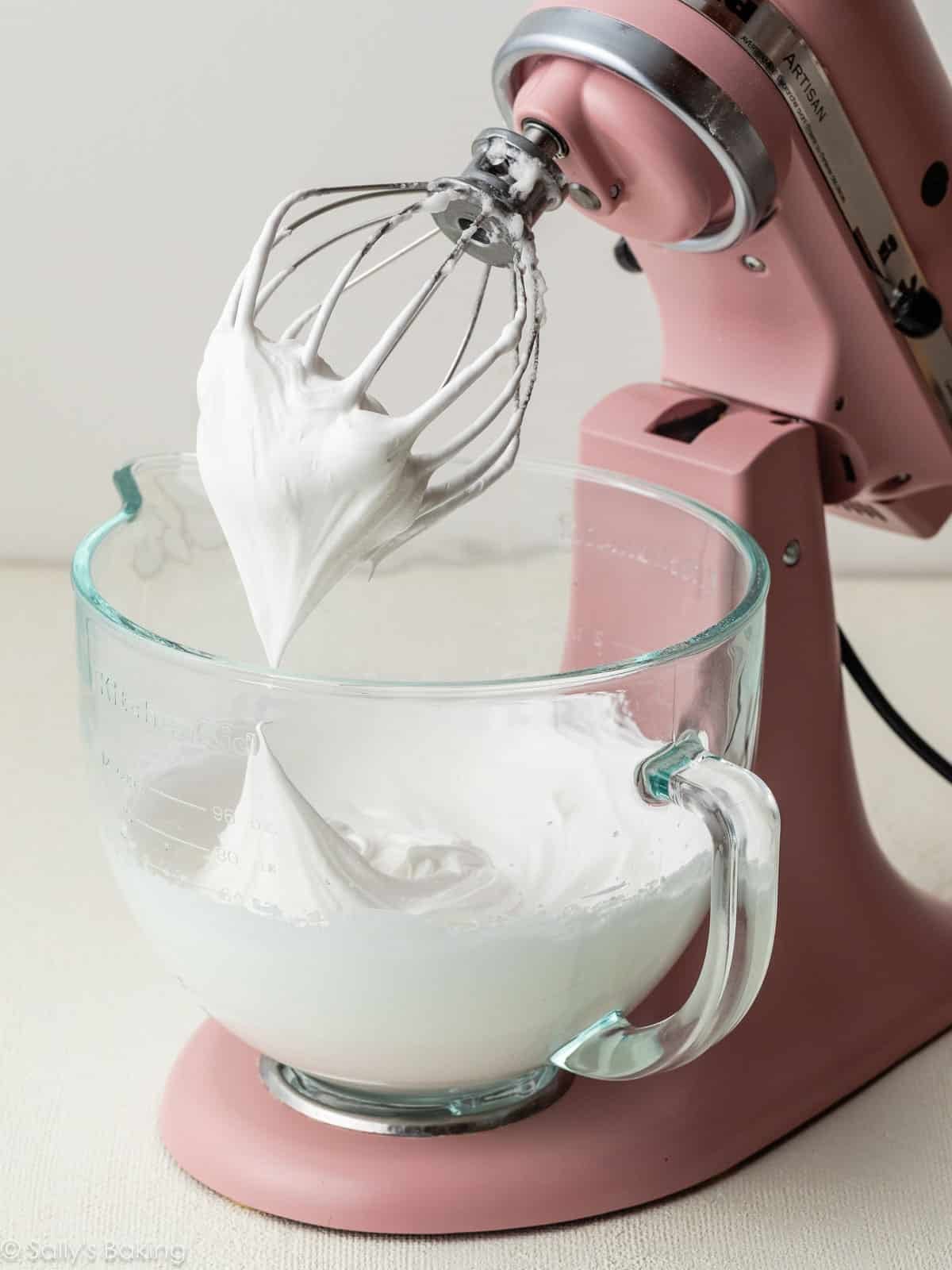
The goal in whipping is to achieve "stiff peaks" – a stage where the meringue is glossy, firm, and holds its shape rigidly when the whisk is lifted. Under-whipped meringue lacks structure and will collapse, while over-whipped meringue can become dry and brittle, prone to cracking during rolling.
The Roulade’s Rigors: Mastering the Baking and Rolling Process
Unlike a traditional pavlova, which is designed to be a static meringue shell, a roulade requires a meringue sheet that is flexible enough to be rolled without shattering. This necessitates a precise baking process that yields a meringue that is cooked through but retains a degree of pliability.
Critical Factors for Success:
- Immaculate Equipment: Any trace of grease or oil on mixing bowls or whisks will prevent egg whites from whipping properly. Bowls and utensils should be thoroughly cleaned and dried.
- Proper Whipping: As detailed above, achieving stiff, glossy peaks is non-negotiable for meringue stability.
- Controlled Baking: The oven temperature and bake time are crucial. The meringue needs to bake long enough to develop a crisp outer shell but remain soft and slightly springy within. Over-baking will lead to a brittle meringue that inevitably cracks upon rolling.
- Strategic Cooling and Rolling: This is arguably the most critical stage. The meringue must be rolled while still warm. Cooling for precisely 10 minutes post-bake is often cited as the "sweet spot." If it cools too much, it becomes rigid and will crack extensively.
Step-by-Step Insights into Creation:
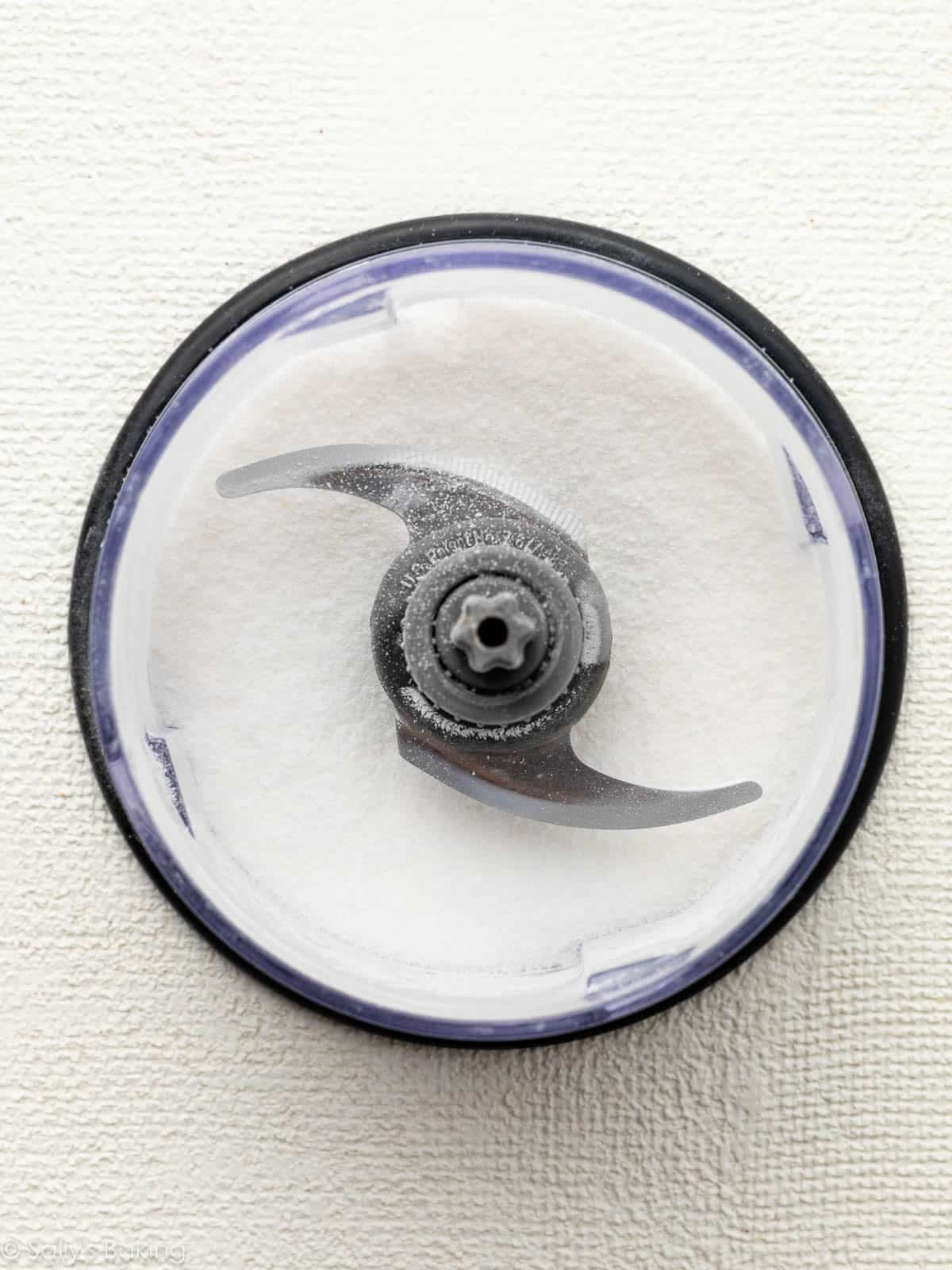
- Sugar Preparation: Begin by ensuring the sugar is superfine. If using granulated sugar, a quick pulse in a food processor refines the crystals, promoting faster dissolution and a smoother meringue.
- Whipping the Meringue: Egg whites are initially whipped until foamy. Cream of tartar is then added to stabilize. Subsequently, the superfine sugar is incorporated gradually, one tablespoon at a time, allowing each addition to fully dissolve before the next. This slow addition ensures a strong, stable meringue that can hold its shape. The whipping continues until the mixture is glossy and forms stiff peaks that do not droop. The remaining meringue ingredients (vanilla, cornstarch, salt) are then gently folded in.
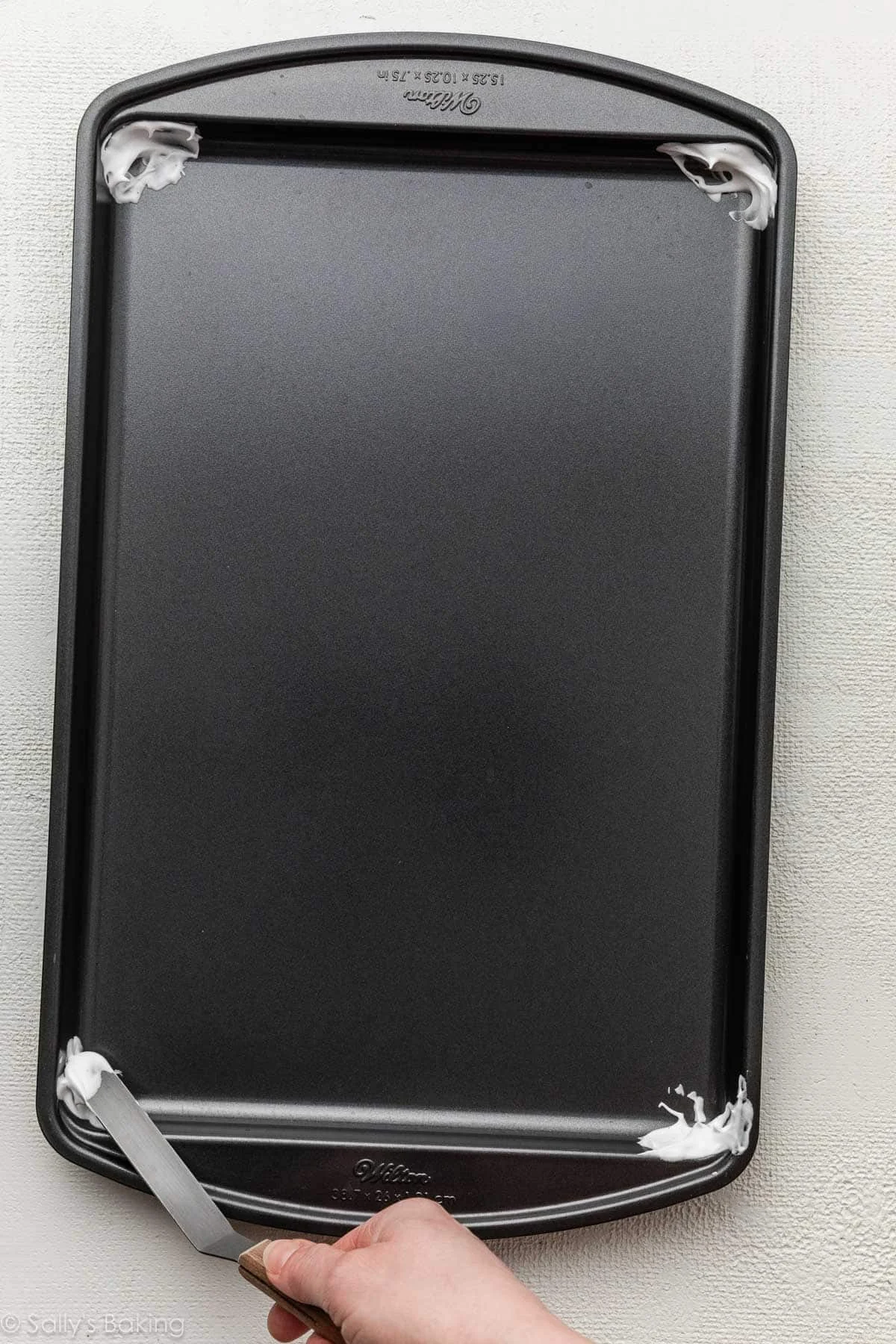
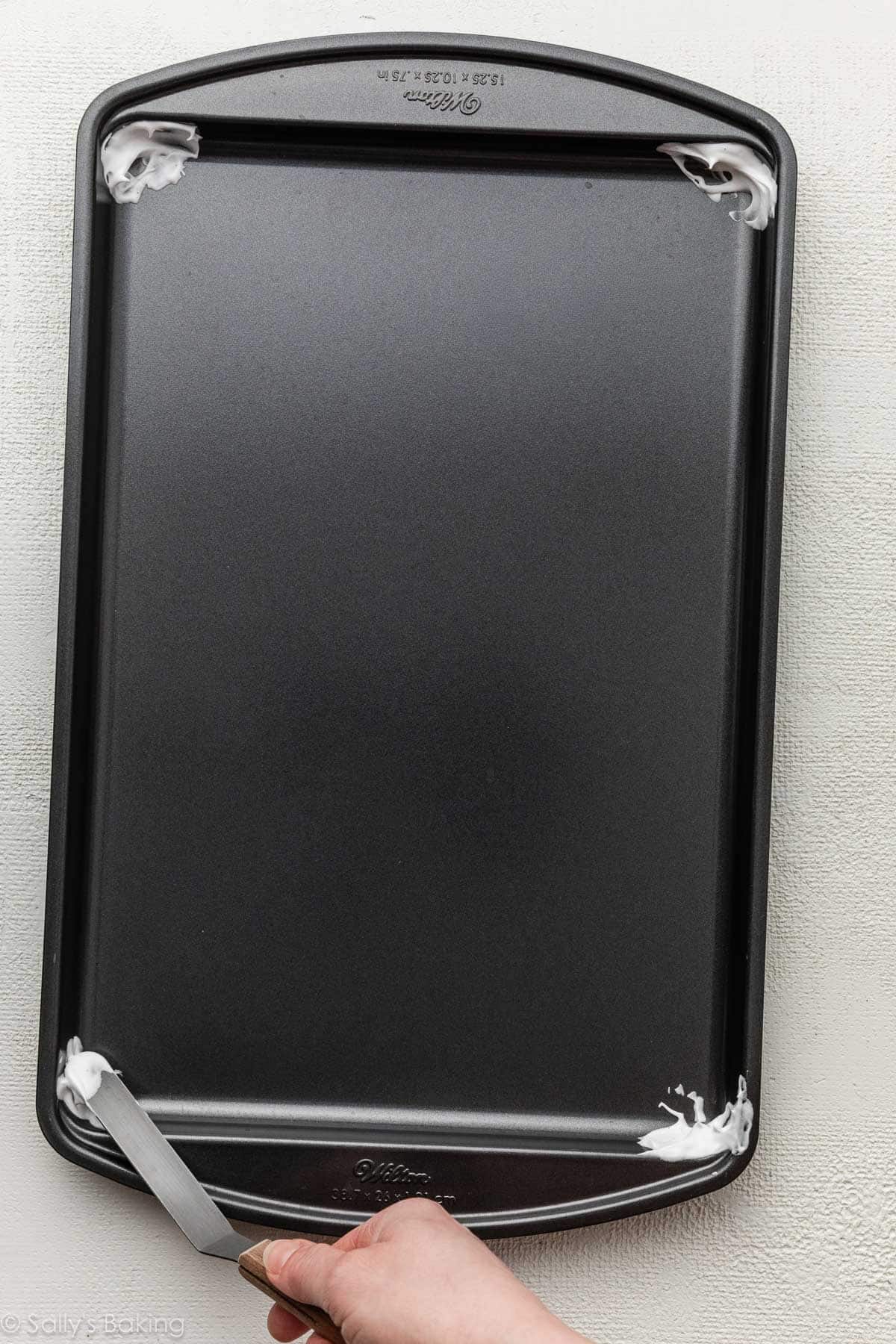
- Pan Preparation – The "Meringue Glue" Trick: To prevent the meringue from sticking to the parchment paper during baking and subsequent removal, a clever technique is employed. Dabbing small amounts of meringue onto the corners of the baking sheet before placing the parchment paper acts as a natural adhesive, securing the paper and preventing it from shifting. Furthermore, a light dusting of granulated sugar over the parchment before spreading the meringue creates a non-stick layer.
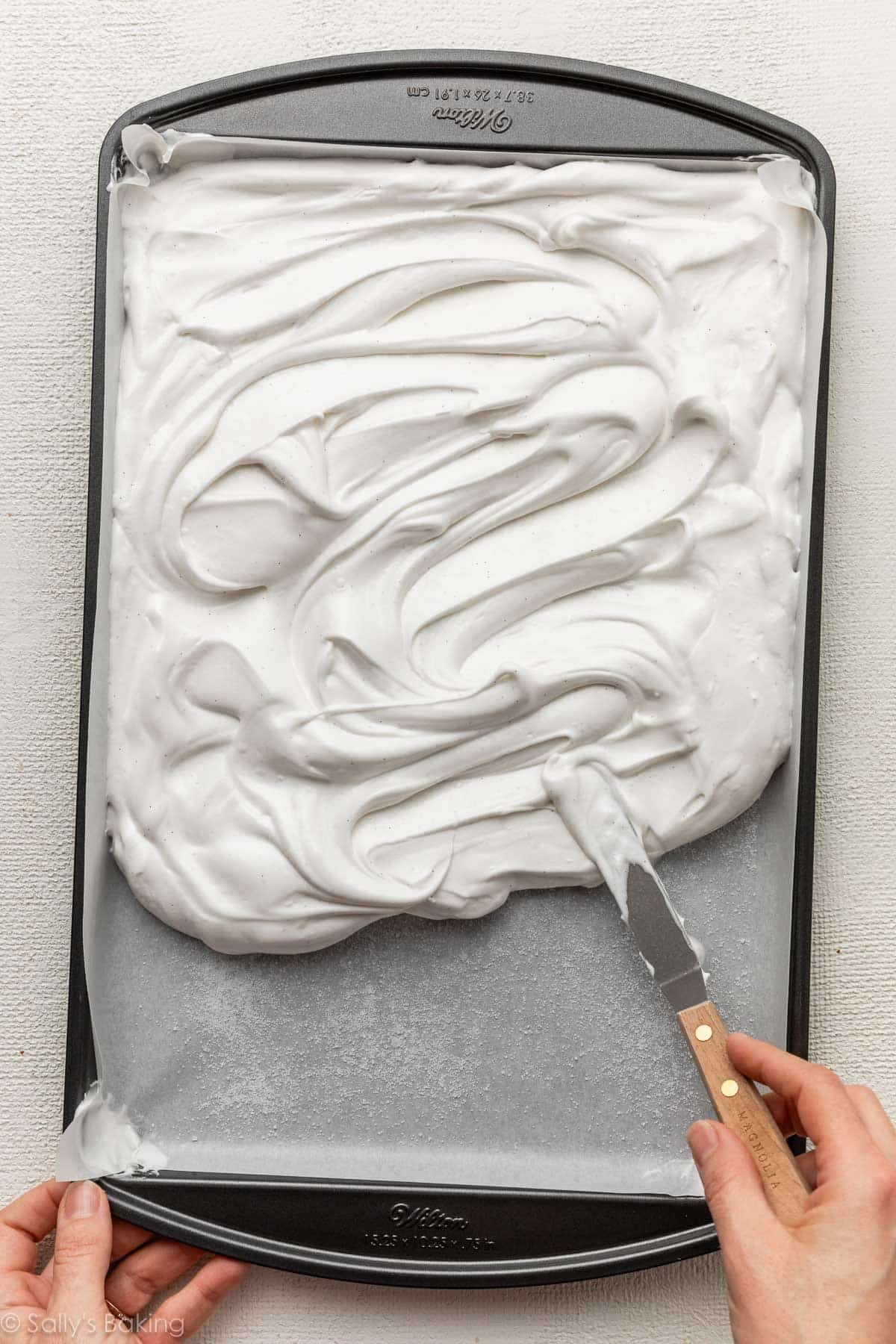
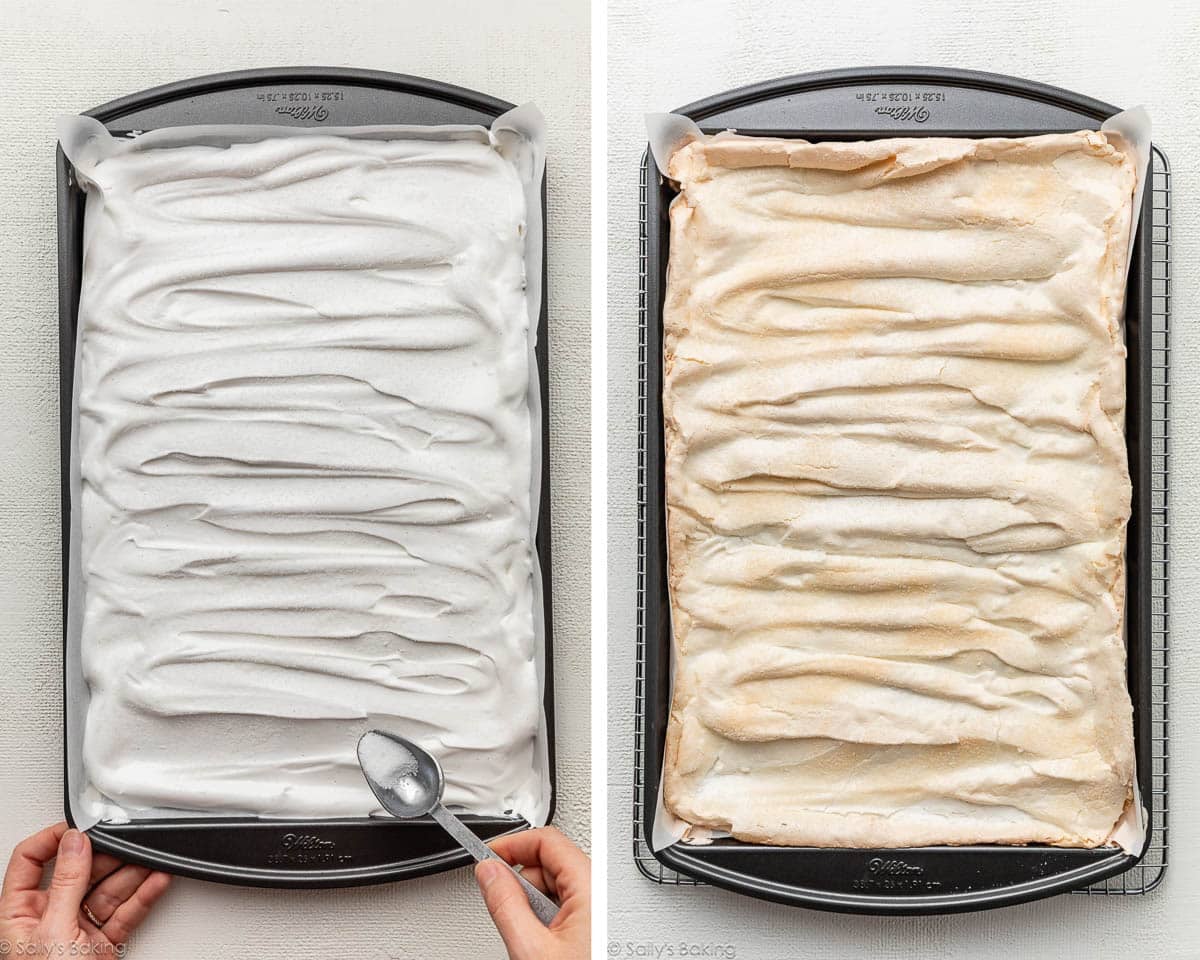
- Spreading and Baking: The meringue mixture is then carefully spread evenly across the prepared parchment paper, ideally using a small offset spatula to ensure a uniform thickness right to the edges. A final light sprinkle of sugar before baking aids in developing a slightly crisp crust. The baking process is a delicate balance: the meringue will puff in the oven, and the surface should feel lightly crisp but springy when gently touched, remaining pale with just a hint of golden color.
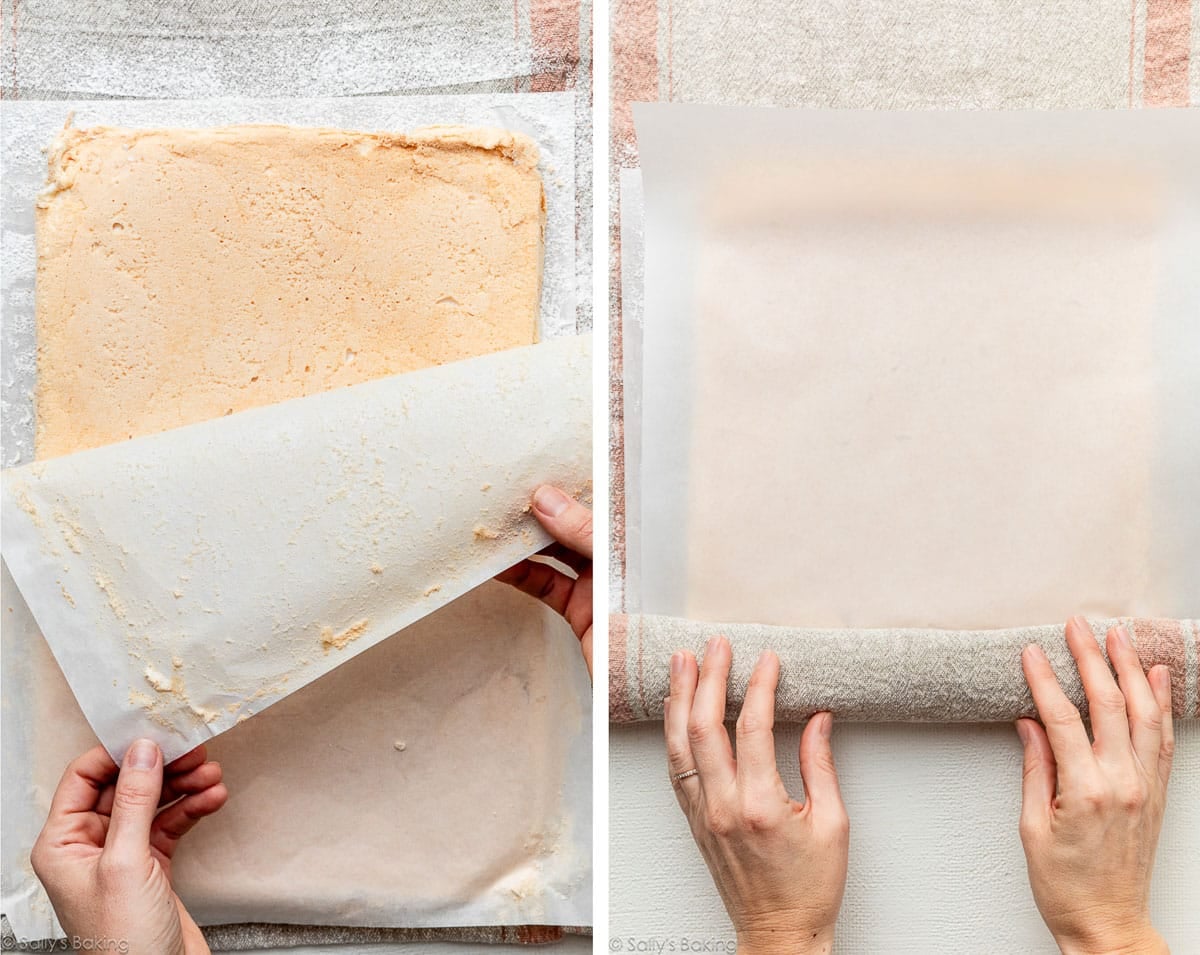
- The Crucial First Roll (Training the Meringue): This pre-rolling step, without filling, is essential for "training" the meringue sheet to accept its rolled form. After the critical 10-minute cooling period, the baked meringue is inverted onto a clean kitchen towel topped with a fresh sheet of parchment dusted with confectioners’ sugar. The original baking parchment is then carefully peeled away. The meringue is then gently rolled from one short end, along with the parchment and towel, to create a loose spiral. This initial roll helps to set the internal structure and minimize cracking when the filling is introduced. The rolled meringue is then left to cool completely in this form.
The Cream Filling: A Stable and Customizable Core
The filling plays a pivotal role in both flavor and structural support. A stable cream filling is essential to prevent the roulade from becoming soggy or collapsing. In this context, a cream cheese-based filling provides superior stability compared to plain whipped cream.
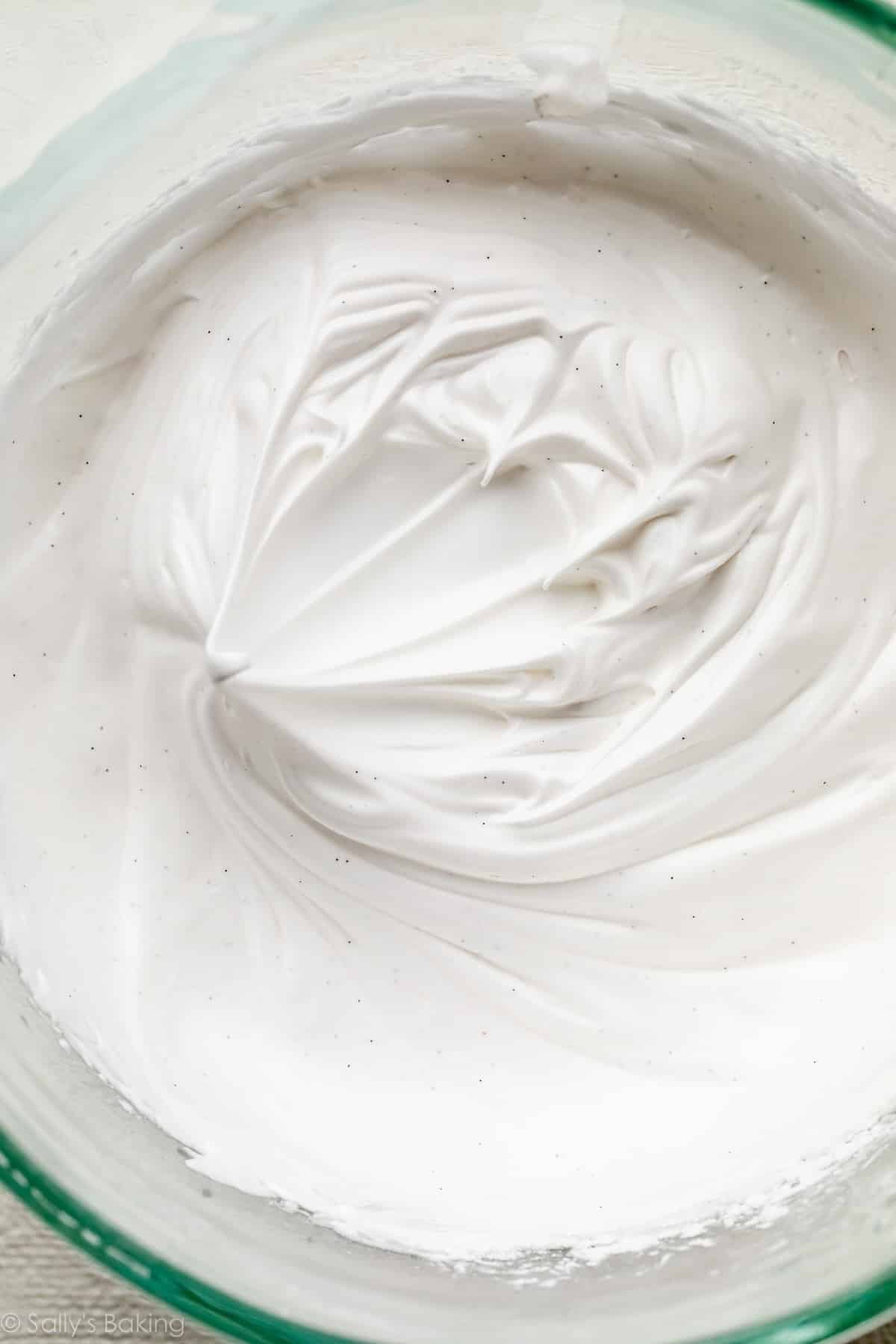
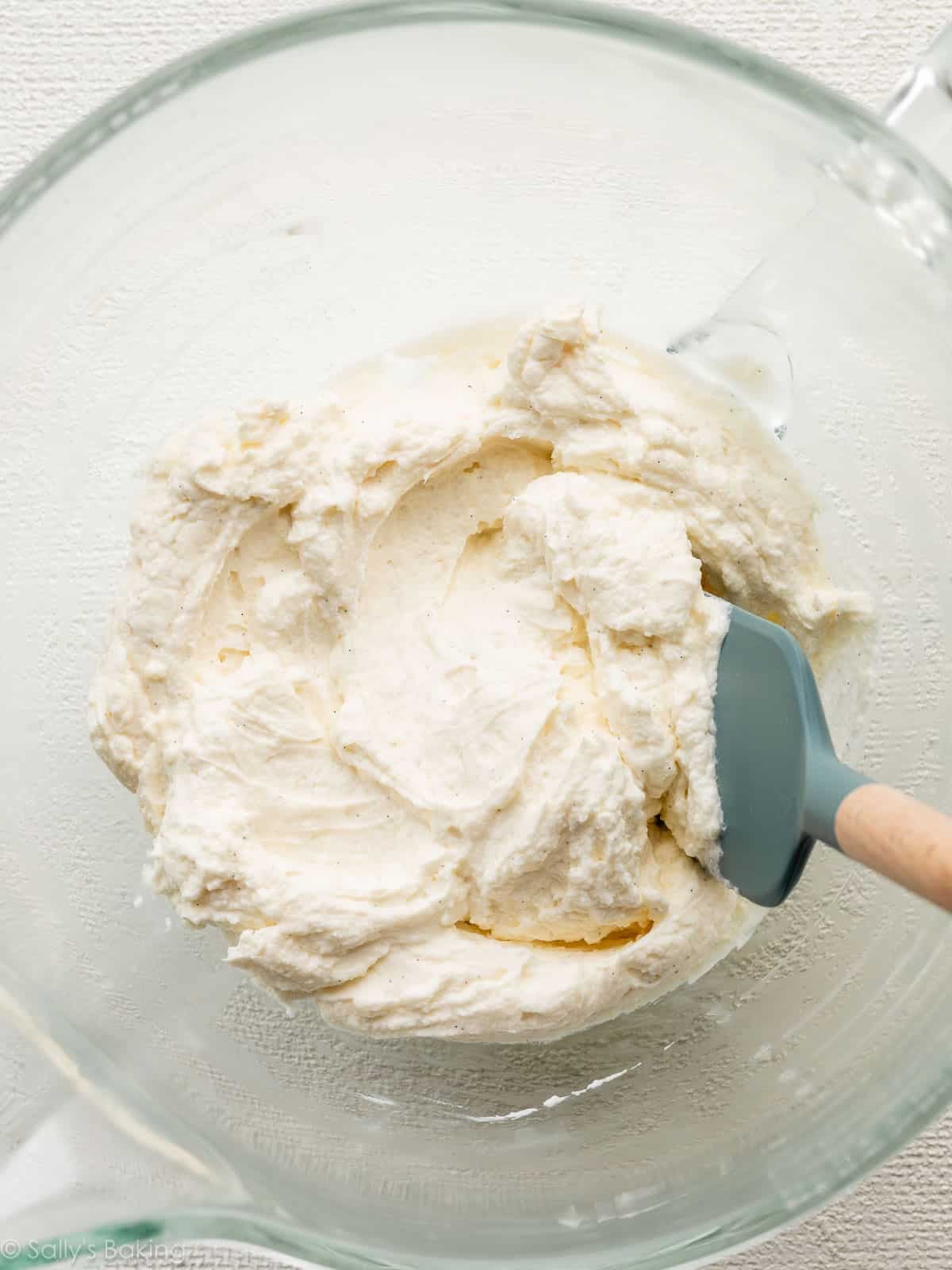
- Components: Heavy cream, sugar, and vanilla are whipped to soft peaks. Separately, softened cream cheese (or mascarpone, for a richer, tangier note) is beaten until smooth. These two components are then combined, resulting in a rich, tangy, yet stable cream.
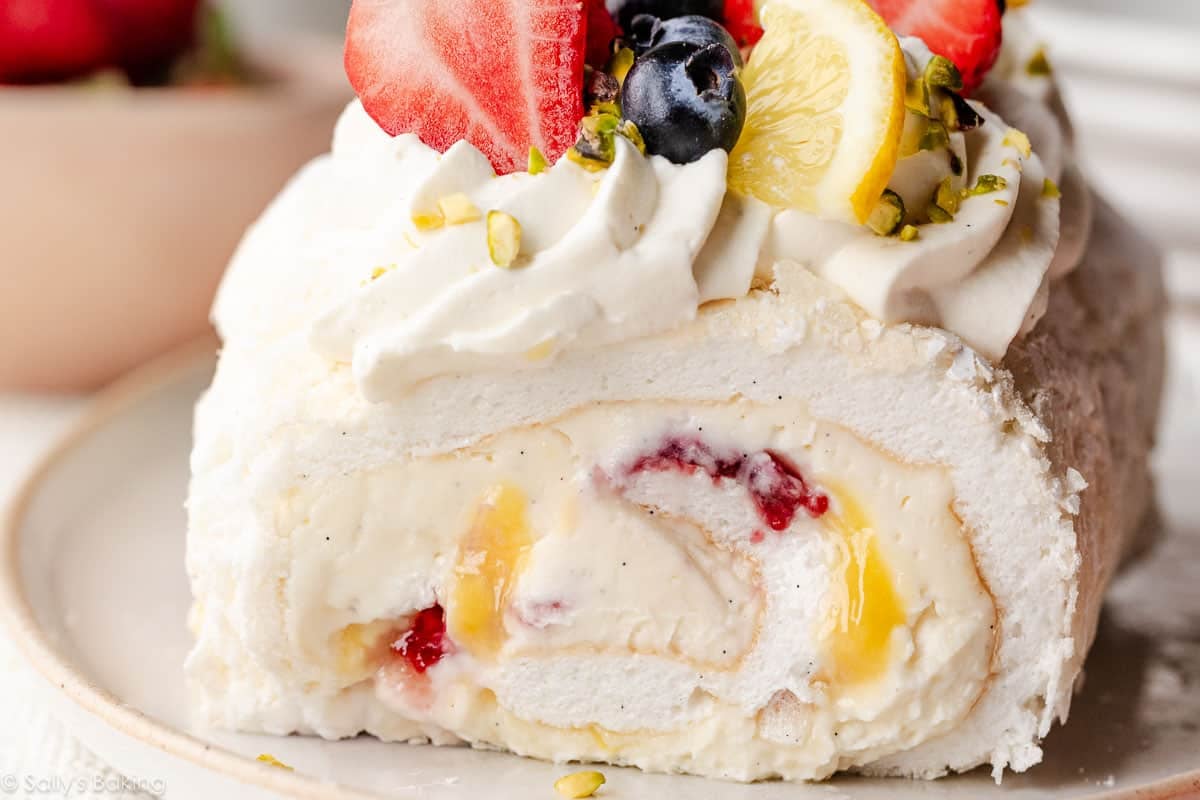
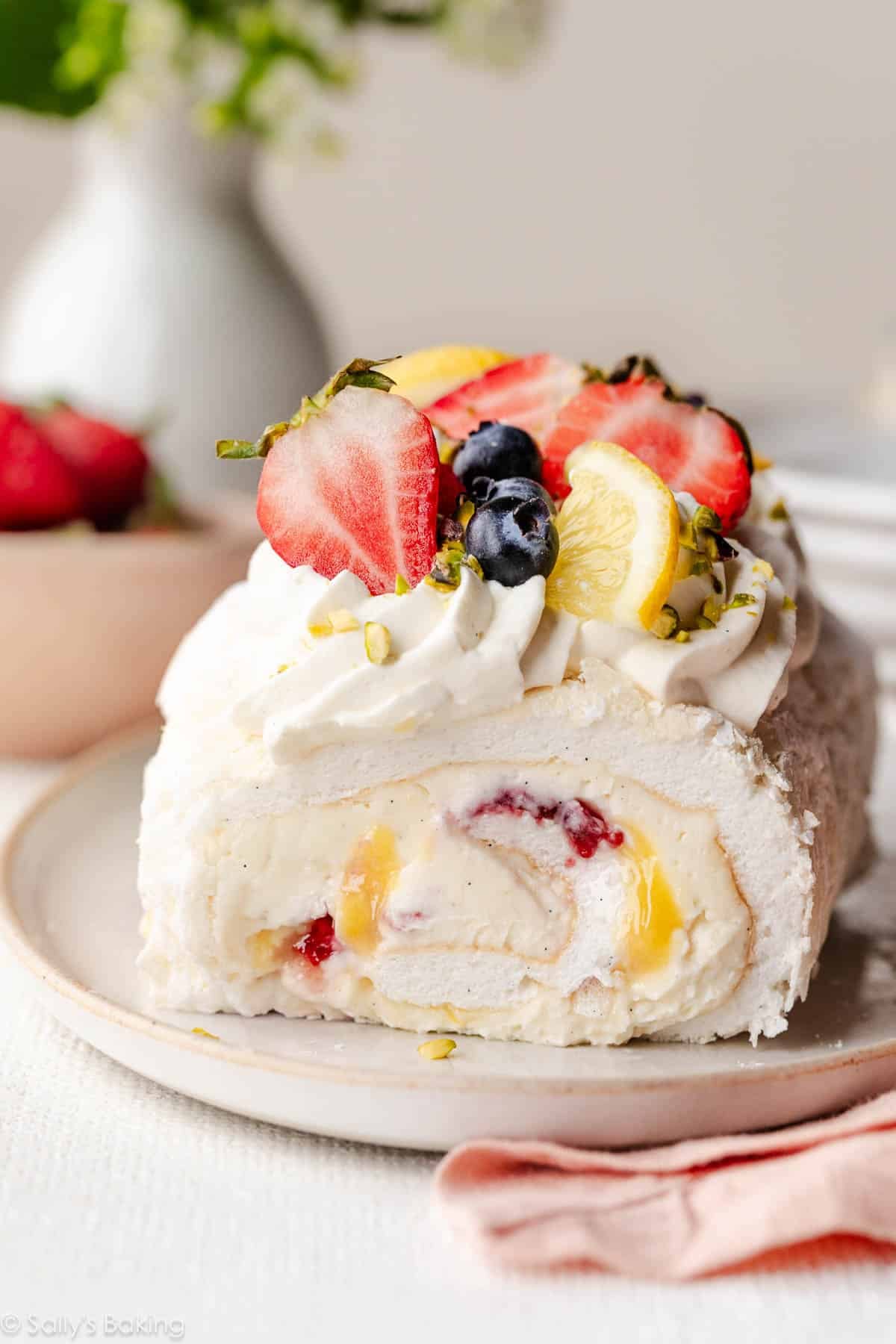
- Flavor Variations: This vanilla cream serves as a perfect canvas for additional flavors. Tangy lemon curd, sweet raspberry jam, or other fruit purees can be swirled in, adding layers of taste and visual appeal. The ability to customize the filling makes the meringue roulade adaptable to various palates and seasonal ingredients.
Assembling the Masterpiece: The Final Act
Once the meringue has cooled in its pre-rolled state, it is gently unrolled. It is important to note that some minor cracking is expected and adds to the rustic charm of the dessert. However, excessive cracking or the meringue falling apart often indicates over-baking or allowing it to cool too long before the initial roll.
The stable cream filling is then spread evenly over the unrolled meringue. This is the stage for incorporating additional flavor elements like lemon curd or fruit jams, artfully dolloped and swirled for a beautiful cross-section. The meringue is then rolled back up, this time without the towel, using the bottom parchment to assist and guide the process. The aim is a firm but not overly tight roll, preventing the filling from squeezing out excessively and minimizing further cracks.
Customization and Presentation: The Visual Feast
Beyond its exquisite taste, the meringue roulade is a visual spectacle. Its elegant spiral and pristine white (or subtly colored) exterior make it an ideal dessert for celebratory occasions.
Garnish Ideas:
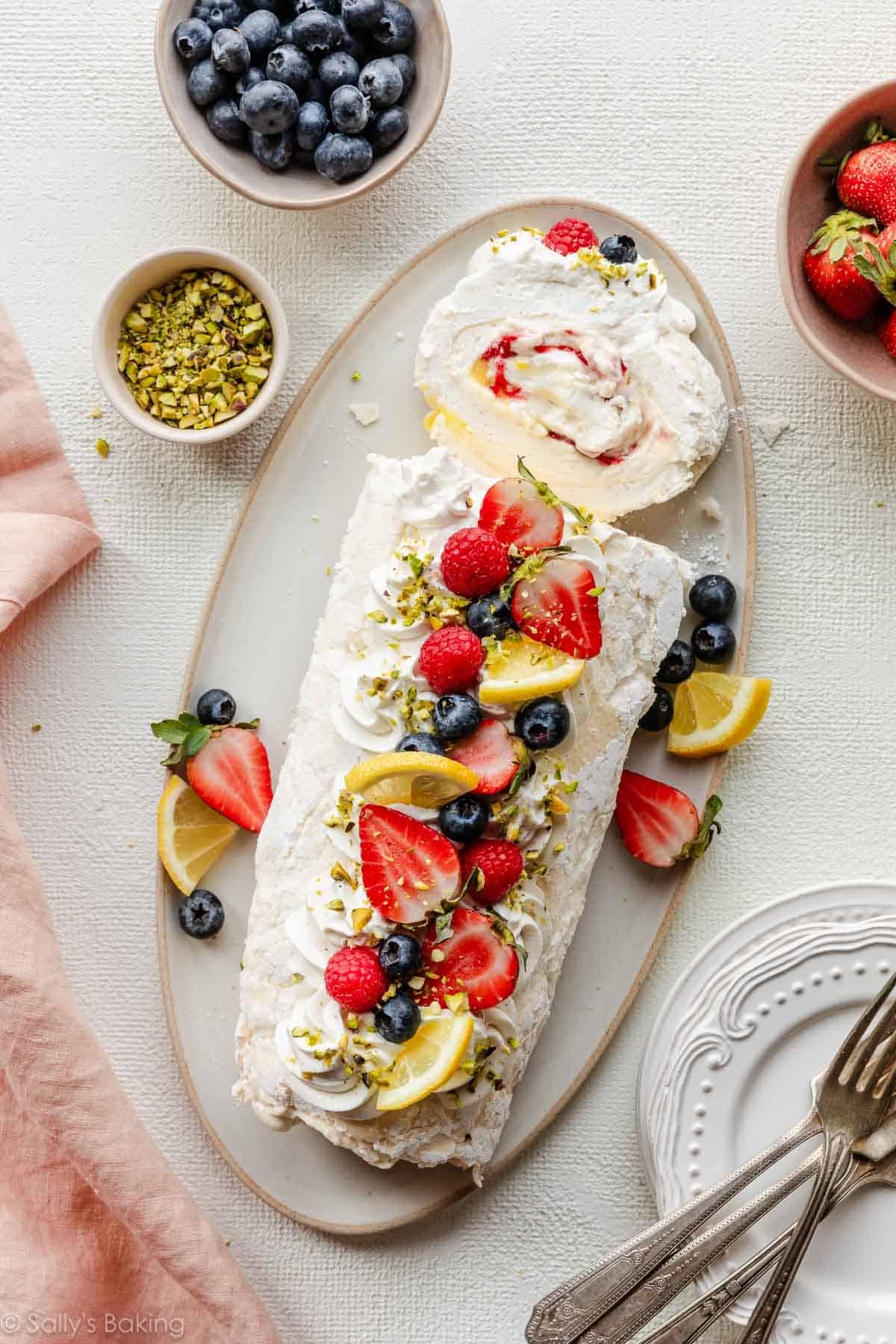
- Fresh Fruits: Berries (raspberries, strawberries, blueberries), sliced kiwi, or passion fruit provide vibrant color, contrasting textures, and a refreshing tartness.
- Citrus Zest: Finely grated lemon, lime, or orange zest adds aromatic brightness.
- Edible Flowers: A delicate touch for an extra layer of elegance.
- Chocolate: Shavings of white, milk, or dark chocolate, or a light drizzle of chocolate sauce.
- Nuts: Toasted slivered almonds, pistachios, or pecans add crunch and a nutty flavor.
- Powdered Sugar: A simple dusting provides a classic finish and enhances its pristine appearance.
- Meringue Kisses: Small, baked meringue drops can add textural contrast and visual height.
Addressing Common Challenges and Implications
The meringue roulade, while rewarding, presents specific challenges that home bakers frequently encounter. Understanding these issues and their underlying causes is key to success.
- Cracking: A few small cracks are inherent to the nature of a rolled meringue. However, extensive cracking is typically due to over-baking (making the meringue too brittle), allowing it to cool too much before the initial roll (losing its flexibility), or rolling it too tightly. While aesthetically imperfect, a cracked roulade still tastes delicious, and garnishes can effectively camouflage imperfections.
- Stickiness: Meringue is highly susceptible to humidity. Sugar, being hygroscopic, attracts moisture from the air, causing the meringue to become sticky and soft. This is why it is often advised to avoid making meringue on very humid days. Additionally, ensuring the parchment paper is lightly dusted with granulated sugar before spreading the meringue helps prevent sticking to the baking surface.
- Weeping: This phenomenon, where liquid leaks from the meringue, can occur if the meringue is under-beaten, or if the sugar has not fully dissolved. An unstable meringue structure will release trapped moisture. Using superfine sugar and ensuring the meringue reaches stiff, glossy peaks helps to mitigate weeping. While some weeping can occur if the roulade is stored overnight, immediate weeping suggests an issue with the meringue’s initial preparation.
- Make-Ahead Considerations: For optimal texture, the meringue roulade is best enjoyed shortly after assembly. The meringue softens over time as it absorbs moisture from the filling. However, individual components can be prepared in advance. The baked meringue, once cooled and rolled, can be stored un-filled for a short period, and the cream filling can be made ahead and refrigerated. Assembling just before serving will yield the freshest results.
- Equipment Alternatives: While a 10×15-inch jelly roll pan is ideal, a larger half sheet pan can be adapted. The parchment paper can be cut to fit, secured with dabs of meringue, and the meringue spread within a defined border to achieve the correct dimensions.
The Advanced Baker’s Triumph
The meringue roulade is indeed categorized as an advanced baking recipe. It demands not just adherence to instructions but also an intuitive understanding of visual cues, texture, and timing. The journey from egg whites and sugar to a stunning rolled dessert requires patience, precision, and a willingness to learn from potential missteps.
However, the satisfaction derived from presenting a homemade meringue roulade is unparalleled. It is a dessert that elicits gasps of admiration, a testament to the baker’s skill and dedication. As numerous home bakers attest, the detailed guidance provided in comprehensive recipes transforms a daunting challenge into an achievable triumph. The experience, as one reader noted, involves "some skill," but with clear instructions, "it’s hard to go wrong." Another remarked on the profound sense of accomplishment: "I never thought I could make such an elegant dessert. It was time consuming but so worth it." The perceived difficulty adds to the allure and the bragging rights associated with creating such a delicate and impressive confection. Ultimately, while aesthetics contribute to its charm, the melt-in-your-mouth taste and unique texture are the true rewards, making every effort undeniably worthwhile.
