
The Nutritional Profile and Health Implications
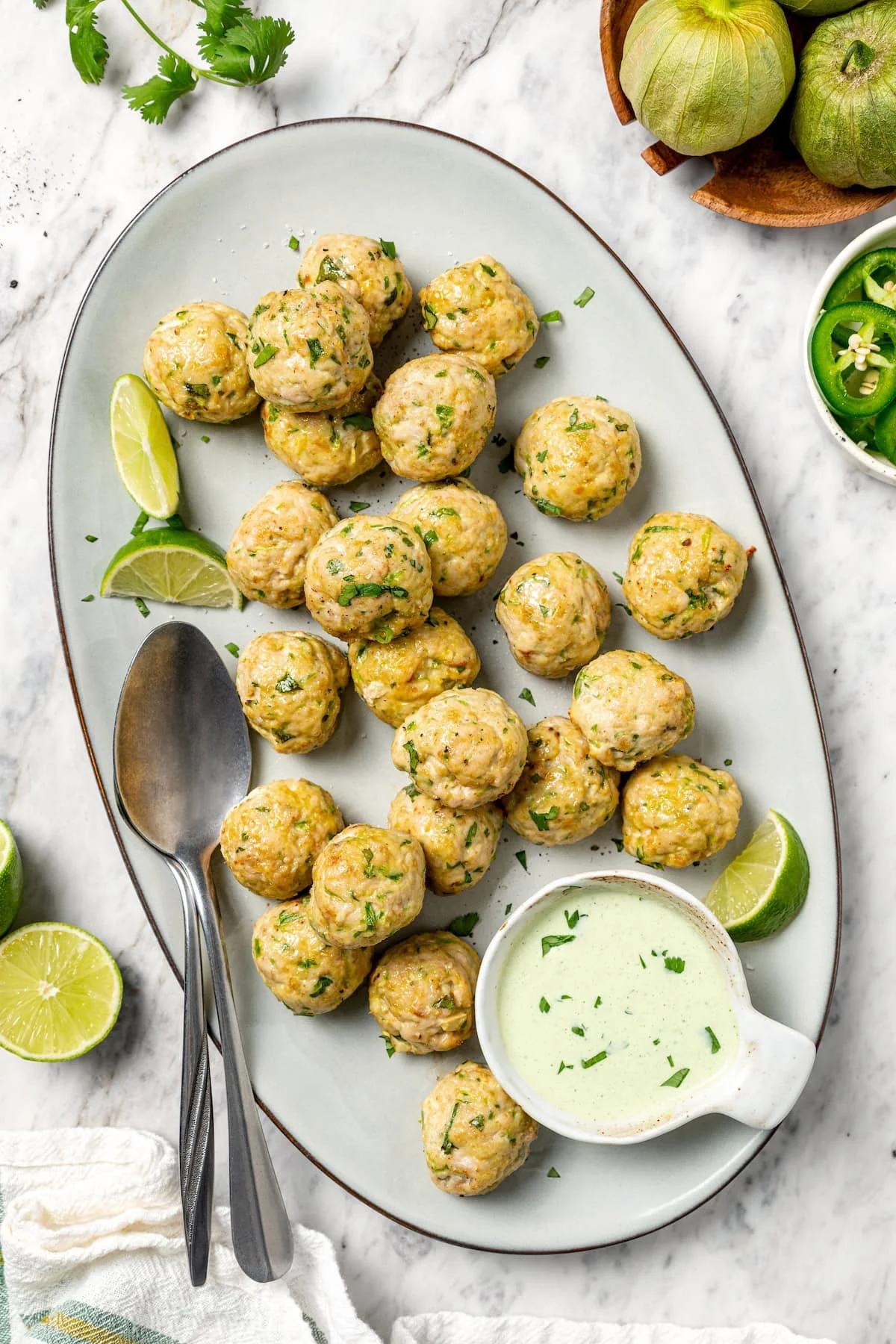
The shift toward lean poultry in meatball production is largely driven by data regarding cardiovascular health and caloric management. According to the provided nutritional breakdown for this specific preparation, each serving of two meatballs contains approximately 67 calories, 10.5 grams of protein, and only 2 grams of fat. This high protein-to-fat ratio makes the dish an attractive option for individuals adhering to various dietary frameworks, including those focused on weight management or muscle synthesis.
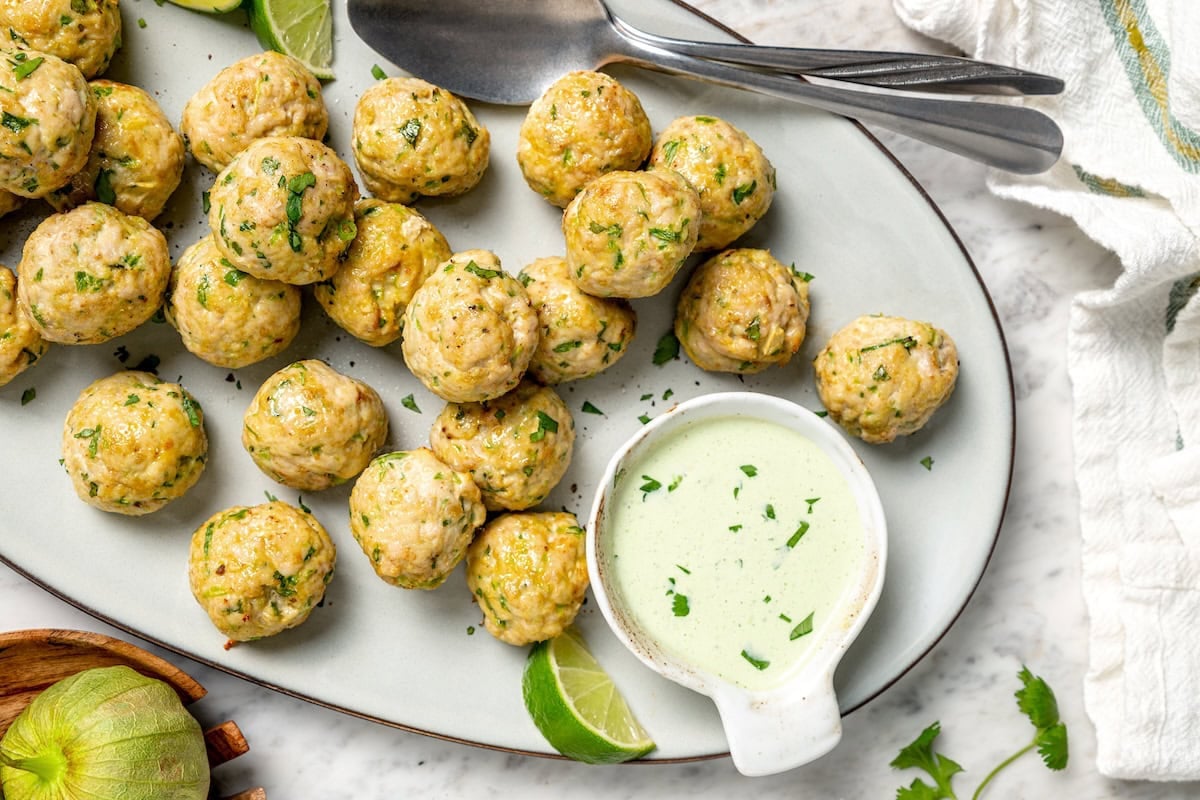
The inclusion of fiber-rich aromatics and herbs contributes to the satiety levels of the dish, despite its low caloric footprint. By replacing the high-sodium, high-fat profiles of traditional pork-and-beef blends with lean turkey, home cooks can achieve a significant reduction in saturated fat intake. This aligns with broader public health guidelines that encourage the consumption of lean protein sources as a means of reducing the risk of metabolic syndrome and related lifestyle diseases.
Evolution of the "Southwest" Culinary Movement
The integration of Tex-Mex and Southwest flavor profiles into non-traditional formats—such as the transition from taco fillings to baked meatballs—reflects a broader evolution in American home cooking. Historically, the Southwest flavor profile has been confined to specific regional dishes like enchiladas or fajitas. However, the current trend involves deconstructing these flavor components and applying them to staples like meatballs, burgers, and salads.

This trend is not merely a matter of taste; it represents a fusion of global influences and domestic demand for convenience. The use of jalapeño and cumin provides a depth of flavor that offsets the naturally mild, often bland nature of ground turkey. This "flavor boost" is essential in modern nutrition, as it allows for the consumption of healthier, lower-calorie proteins without sacrificing the sensory satisfaction typically associated with richer, fattier meats.
Preparation and Cooking Methodology
The methodology for these Southwest-inspired meatballs emphasizes efficiency and consistency. The process, which requires only 25 minutes from prep to table, is designed for the modern, time-constrained consumer. The use of a food processor to finely mince aromatics such as cilantro, scallions, and jalapeños ensures that the flavors are evenly distributed throughout the meat mixture.
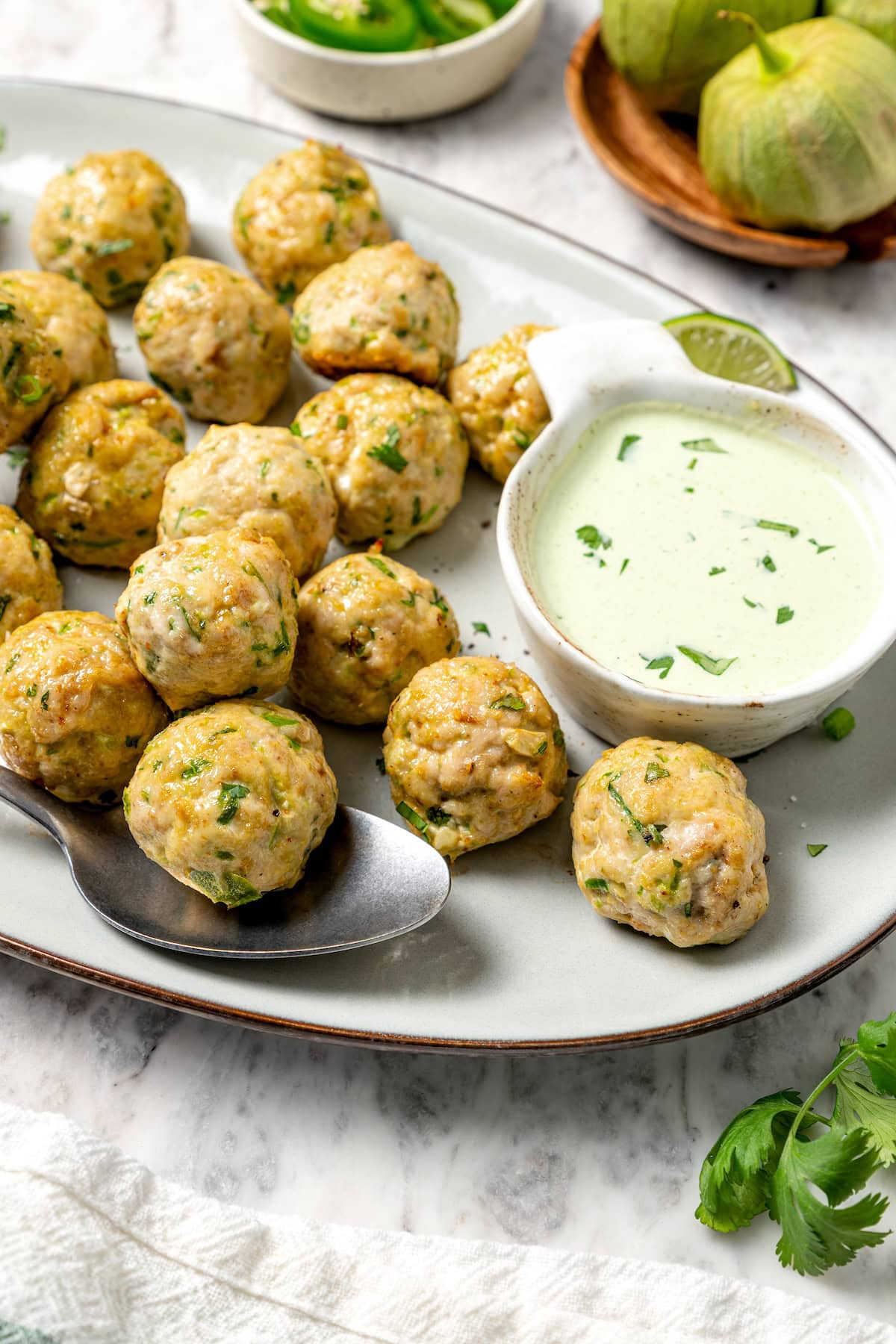
This culinary approach addresses a common technical challenge with lean turkey: the tendency for the meat to become dry or rubbery when cooked at high temperatures. By baking the meatballs in a controlled environment, the moisture content is preserved more effectively than in traditional stovetop frying methods. Furthermore, the practice of baking instead of frying eliminates the need for additional cooking oils, further maintaining the dish’s low-fat integrity.
Strategic Role in Meal Prep and Long-Term Nutrition
In the context of the contemporary food economy, the ability to "meal prep" has become a critical skill for households looking to optimize both their budgets and their health. The Southwest turkey meatball is uniquely positioned for this practice. Because the meatballs retain their structural integrity and moisture levels during reheating, they are highly suitable for batch cooking.

Nutritional analysts suggest that the ability to store and reheat protein-dense meals reduces the likelihood of "impulse dining," where consumers opt for processed, high-sodium fast food due to time constraints. By providing a base that can be paired with diverse side dishes—ranging from cauliflower rice to quinoa or traditional salads—this recipe provides a modular solution to meal planning. It allows individuals to maintain nutritional discipline throughout the work week while keeping their culinary routine varied.
Industry Trends and Consumer Reception
The rise of such recipes on platforms like Skinnytaste mirrors a broader transition in digital media, where home cooks are increasingly seeking data-driven, health-conscious, and transparent recipes. The inclusion of precise metrics—such as calorie counts, carbohydrate totals, and protein yields—is now a standard expectation for audiences.

Industry experts note that this transparency is vital for the modern consumer, who often tracks nutritional intake via mobile applications or wearable health devices. By providing standardized nutritional data, creators like Gina Homolka are effectively acting as partners in their audience’s health journeys. The high engagement rates and positive user feedback associated with these recipes suggest that the appetite for "health-positive" comfort food is showing no signs of slowing down.
Broader Implications for Home Cooking
The long-term impact of this culinary movement is the democratization of healthy, gourmet-quality food. By simplifying the process of cooking with lean proteins and bold spices, the barrier to entry for healthy home cooking is lowered significantly. As more households adopt these practices, the aggregate effect on public health could be substantial.

Furthermore, the versatility of these meatballs demonstrates that "diet" food need not be synonymous with deprivation. The integration of fresh herbs and bold spices proves that flavor is a viable tool for behavior change. When healthy food is rendered as delicious as its traditional counterparts, the likelihood of long-term adherence to healthier eating habits increases exponentially.
Conclusion: A Sustainable Future for Protein
As of late 2026, the Southwest turkey meatball serves as a case study for the intersection of nutrition science and culinary innovation. It provides a blueprint for how home cooks can maximize the utility of lean, affordable proteins while satisfying a craving for complex, multi-dimensional flavors.
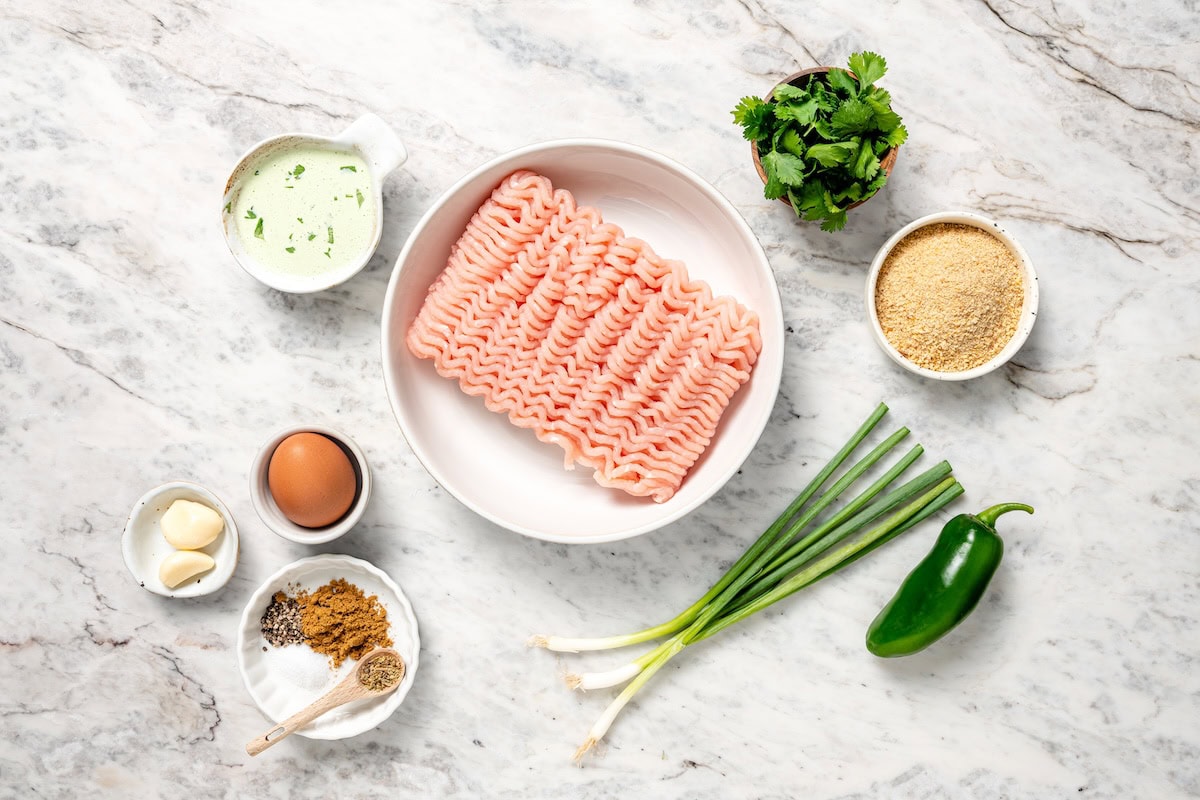
Whether served as a sophisticated appetizer with a creamy cilantro-tomatillo dipping sauce or as the central component of a high-protein lunch bowl, these meatballs address the diverse needs of the modern consumer. They are a testament to the fact that with the right seasoning and cooking techniques, simple, whole-food ingredients can offer a premium dining experience that supports both personal health and a sustainable lifestyle. As public awareness of the benefits of lean protein continues to rise, it is highly probable that similar recipe variations—blending global spices with healthy, accessible ingredients—will continue to define the future of the home kitchen.
