
Among the myriad of tools that populate a modern kitchen, few possess the indispensable utility and inherent satisfaction of a well-crafted knife. A sharp, meticulously maintained kitchen knife, irrespective of its pedigree or price point, stands as a culinary ally, transforming mundane tasks into moments of precision and pride. The act of effortlessly slicing paper-thin cucumber rounds or expertly carving a roasted fowl is a testament to a cook’s skill, a feat achievable only when a knife consistently performs at its peak. This optimal performance, however, is contingent upon vigilant care and a mindful approach to its upkeep, regardless of the specific type of knife in question.
Contrary to a pervasive, yet misguided, notion that sharp knives pose an inherent danger, the reality is that a dull blade is the far greater hazard. The frustration and inefficiency of a knife that has lost its edge are compounded by the increased risk of slippage, often leading to unintended injuries when tackling everyday ingredients like onions or tomatoes. To ensure your cherished kitchen knives remain both sharp and safe for years of reliable service, it is crucial to identify and rectify common practices that inadvertently lead to their degradation. This comprehensive guide explores five prevalent mistakes that chefs and home cooks alike may be making, unknowingly compromising the integrity and longevity of their most vital kitchen implements.
The Dishwasher Dilemma: A Blade’s Worst Nightmare
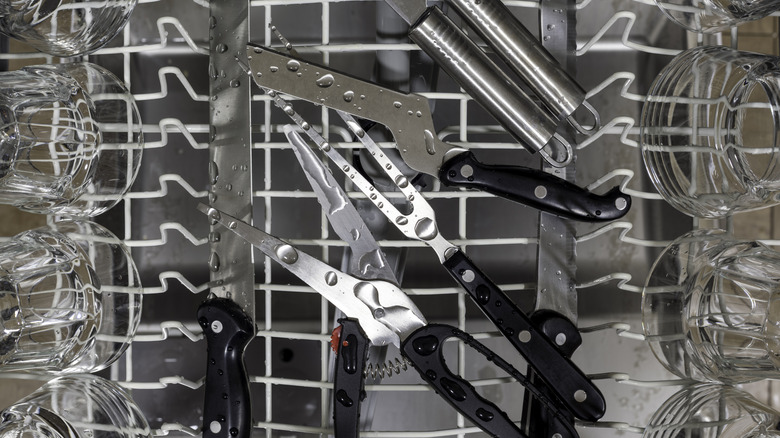
Perhaps the most egregious error one can commit in the pursuit of knife longevity is subjecting them to the harsh environment of a dishwasher. While the allure of a "sterilized" and "degreased" blade via an automated cycle might seem appealing, the consequences are profoundly detrimental. The intense heat of the dishwasher’s wash cycle can induce microscopic fissures along the blade’s surface, creating pathways for corrosion, particularly in high-carbon steel knives, which are inherently more susceptible to rust when compromised. For more brittle materials, such as ceramic knives, a mere handful of cycles in a dishwasher can render them irrevocably damaged.
Beyond the thermal assault, the forceful water jets within a dishwasher create a chaotic environment. Knives are prone to rattling, colliding with other metallic utensils, and even striking the machine’s interior. This constant abrasion not only compromises the structural integrity of the blade but, more critically, abrades and dulls its finely honed edge. Furthermore, the potent chemical detergents employed in dishwashers, while effective at breaking down grease, can also aggressively degrade both the blade and the handle materials, leading to discoloration, brittleness, and eventual weakening. The cumulative effect of these factors transforms a precise cutting instrument into a dull, potentially damaged tool.
The Drawer’s Peril: A Haven for Damage
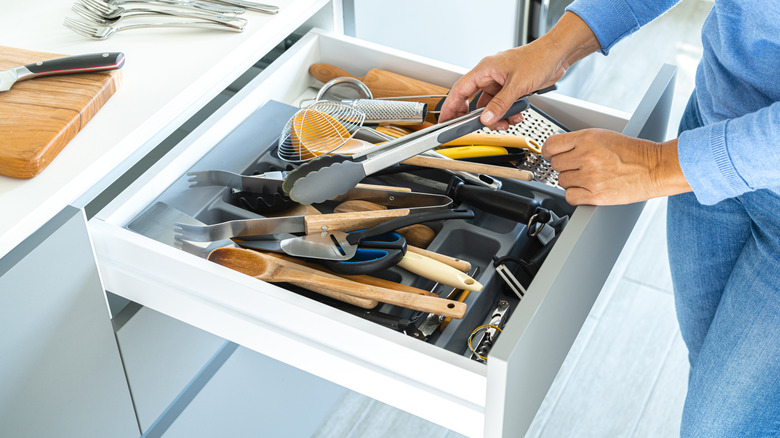
Just as the turbulent waters of a dishwasher wreak havoc on knife edges, the seemingly innocuous practice of storing knives loosely in a kitchen drawer presents a significant threat to their condition. This common habit, often born out of convenience or a lack of dedicated storage solutions, exposes knives to a gauntlet of potential damage. Each time the drawer is opened or closed, knives are subjected to a cacophony of clanking and scraping as they collide with other cutlery, utensils, and even each other. This constant friction leads to micro-nicks, chips, and a progressive dulling of the blade’s edge, diminishing its cutting efficacy over time.
The risks associated with drawer storage extend beyond mere blade damage. The haphazard arrangement of sharp objects within a confined space creates a genuine safety hazard. Reaching into a drawer filled with various utensils can easily result in an accidental encounter with a protruding blade, leading to painful cuts. This inherent danger makes the drawer a less-than-ideal storage solution for valuable kitchen knives.
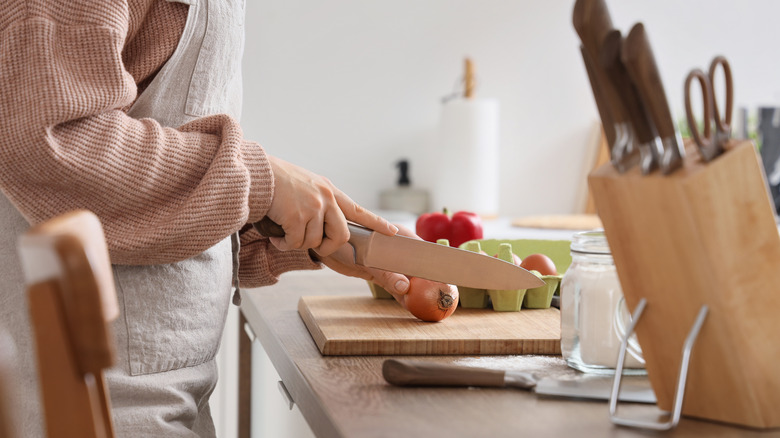
Fortunately, a plethora of superior and safer storage alternatives exist. Traditional wooden knife blocks, a staple in many kitchens, offer individual slots that protect each blade and keep them organized. For those prioritizing counter space, magnetic knife strips provide an accessible and visually appealing solution, keeping blades safely mounted on the wall. If drawer storage is the only practical option, investing in an in-drawer knife organizer is highly recommended. These specialized inserts feature slots or magnetic strips designed to securely hold knives in place, preventing them from shifting and damaging each other, while also offering a layer of protection for the user.
The Soaking Trap: An Unseen Erosion
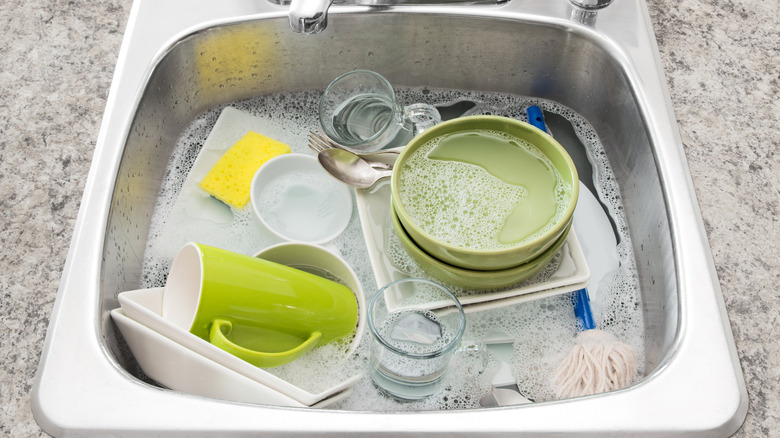
Another prevalent habit that silently erodes the quality of kitchen knives is the practice of leaving them to soak in the sink. While the intention might be to loosen stubborn food residue, prolonged immersion in water, especially hot, soapy water alongside other dirty dishes, is profoundly detrimental. Similar to the dishwasher scenario, extended contact with moisture can lead to corrosion and rust, particularly affecting the blade and potentially compromising the handle’s adhesive or material integrity.
The danger is amplified by the hidden nature of knives submerged in soapy water. The opaque suds conceal sharp edges, creating a significant risk of accidental cuts when one reaches into the sink to retrieve them. This practice is not only damaging to the knives but also introduces an unnecessary element of peril into the kitchen.
The most effective and chef-approved method for cleaning knives involves immediate attention after each use. Wiping down the blade with a damp dishcloth to remove food particles promptly is crucial. Subsequently, the knife should be thoroughly dried with a clean, dry towel. This immediate cleaning and drying process prevents moisture from lingering on the blade and handle, thus mitigating the risk of corrosion and maintaining the knife’s optimal condition. Air-drying on a rack or counter is an inferior alternative that allows moisture to persist.
Misapplication of Force: The Wrong Tool for the Task
The diverse array of knives available in a well-equipped kitchen is not merely for aesthetic variety; each design is meticulously engineered for specific culinary tasks. From the broad, curved blade of a chef’s knife designed for chopping and slicing to the flexible, narrow blade of a filleting knife for fish, the shape, size, and flexibility of a knife are optimized for its intended purpose. Utilizing the wrong knife for a particular job not only makes the task at hand more arduous and less efficient but also places undue stress on the blade, leading to premature dulling and potential damage.
For instance, employing a serrated knife to slice through soft, acidic foods like tomatoes or citrus fruits is counterproductive. The serrations are designed to saw through tough exteriors, and their interaction with softer, more yielding surfaces can lead to a jagged cut and a more rapid dulling of the teeth. Similarly, using a delicate paring knife to chop through hard vegetables or attempting to pry open containers with a chef’s knife—a practice akin to using it as a screwdriver—can result in chipped blades, bent tips, or even a fractured handle. Adhering to the principle of using the right tool for the right job is paramount for both culinary success and the preservation of your knife collection. Understanding the specific function of each knife in your arsenal ensures that each cut is precise, efficient, and, most importantly, safe for the knife itself.
The Cutting Board Conundrum: Surface Matters
The importance of the cutting board in preserving the integrity of your kitchen knives cannot be overstated. While visually appealing, cutting boards crafted from hard materials such as metal, glass, or stone are a formidable adversary to even the sharpest blades. The unyielding nature of these surfaces exerts significant abrasive force on the knife’s edge with every slice. This constant, harsh contact can lead to rapid dulling, chipping, and warping of the blade, rendering even high-quality knives ineffective after only a limited number of uses.
The ideal cutting surface should be one that is softer than the knife’s steel, allowing the blade to glide with minimal resistance and wear. Wooden cutting boards, particularly those made from hardwoods like maple or walnut, are widely considered the gold standard for knife preservation. Their natural properties provide a forgiving surface that is gentle on the blade while offering excellent stability and hygiene when properly maintained. Plastic cutting boards also offer a viable alternative, though they can be more prone to scratching and harboring bacteria if not regularly cleaned and sanitized.
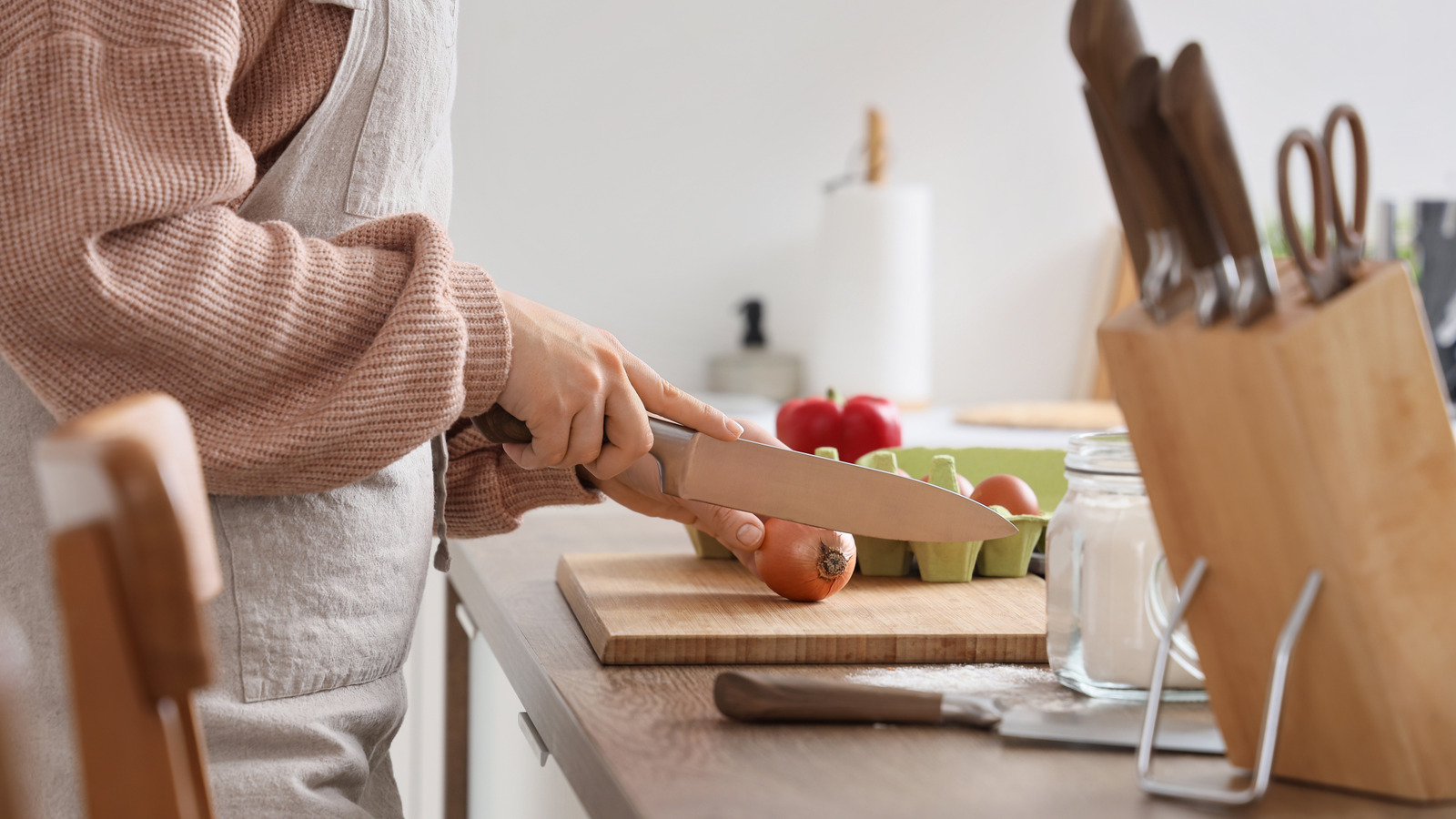
When selecting a cutting board, consider dedicating specific boards to different tasks. For instance, a larger wooden board might be ideal for general chopping and slicing, while a smaller plastic board could be designated for raw meats to prevent cross-contamination. By choosing appropriate cutting surfaces and maintaining them diligently, you not only enhance your food preparation experience but also significantly extend the lifespan and sharpness of your valuable kitchen knives. This symbiotic relationship between knife and cutting board is a cornerstone of effective and sustainable kitchen practice.
