
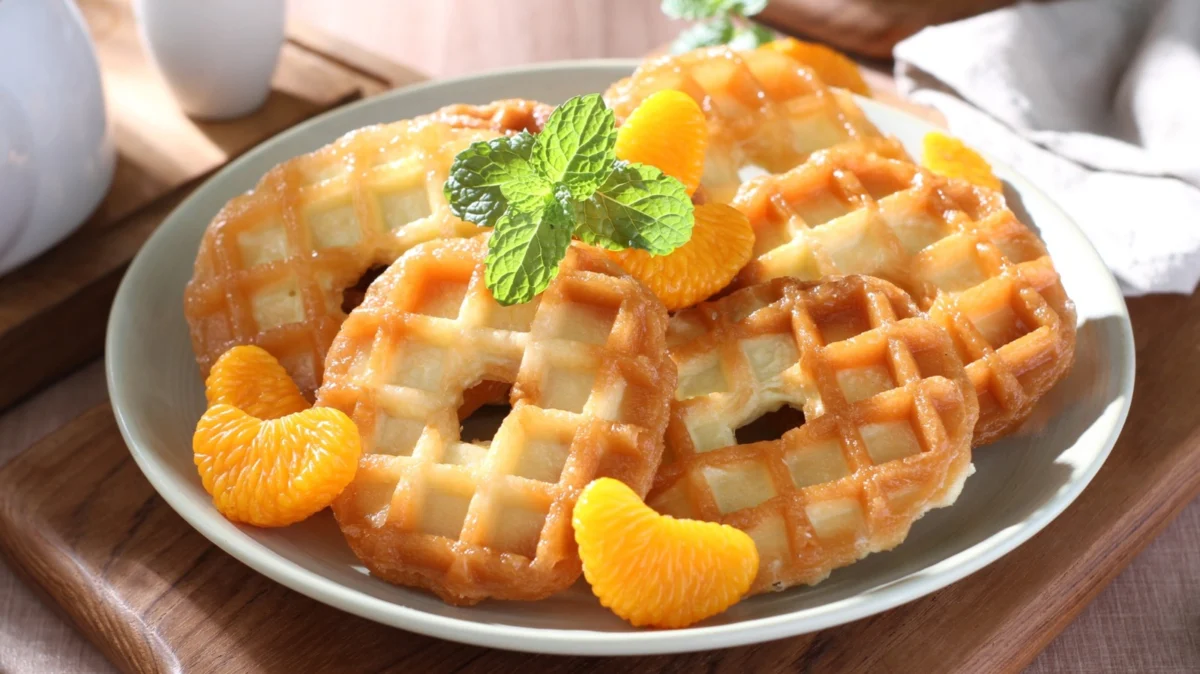
The humble donut, a beloved confection often enjoyed for its pillowy softness and sweet glaze, can be transformed into an entirely new culinary experience with a simple kitchen appliance: the waffle iron. This unexpected method elevates a standard donut by introducing a delightful crispness and a rich, caramelized flavor profile, creating a treat that is both familiar and remarkably innovative. While not a widely publicized technique, its efficacy in enhancing the texture and taste of donuts warrants significant attention. The process, surprisingly straightforward, involves heating a donut within a waffle iron, allowing the appliance’s grids to impart a satisfying crunch and a depth of flavor previously unattainable through conventional consumption.
The Genesis of the Waffled Donut Hack
The origins of this particular culinary hack are not precisely documented, but its emergence likely stems from the broader trend of repurposing kitchen appliances for unconventional uses. Waffle irons, known for their ability to create intricate patterns and crisp textures in batters, are a natural candidate for experimenting with other dough-based items. The inherent sugars in donut glazes, when subjected to the direct heat of a waffle iron, undergo a process of caramelization, a chemical transformation that deepens their sweetness and introduces complex, toasted notes. This interaction between the donut’s structure, its glaze, and the heated grids of the waffle iron results in a textural contrast that is the hallmark of this preparation method.
Optimal Donut Selection and Preparation
For this innovative donut treatment, the type of donut plays a crucial role in achieving the desired outcome. Raised glazed donuts, particularly those with a light and airy crumb structure like the iconic Krispy Kreme Original Glazed, are ideal. Their soft interior readily yields to the pressure of the waffle iron, while the glaze melts and caramelizes beautifully. The yeast-leavened nature of these donuts allows them to compress and reform within the waffle iron’s grids, creating pockets of crispiness and retaining a tender core.
Conversely, cake donuts are generally less suitable for this technique. Their denser, more crumbly texture can lead to them falling apart or breaking into pieces within the waffle iron, resulting in a less cohesive and aesthetically pleasing final product. The starch structure in cake donuts does not lend itself as well to the pressing and reforming process required for successful waffling.
The preparation itself is remarkably simple. Once the waffle iron reaches its optimal temperature, a single donut can be placed in a mini waffle maker, or up to four donuts can be accommodated in a standard-sized iron. It is advisable to allow the donut to soften slightly under the initial heat for approximately 30 seconds before gently applying pressure to the lid. This allows the donut to begin yielding to the heat before being pressed, preventing it from being crushed too aggressively. The goal is to lightly mash the donut into the waffle iron’s shape, not to flatten it completely. The process should be monitored to avoid overcooking, which could lead to a burnt or excessively hard texture.
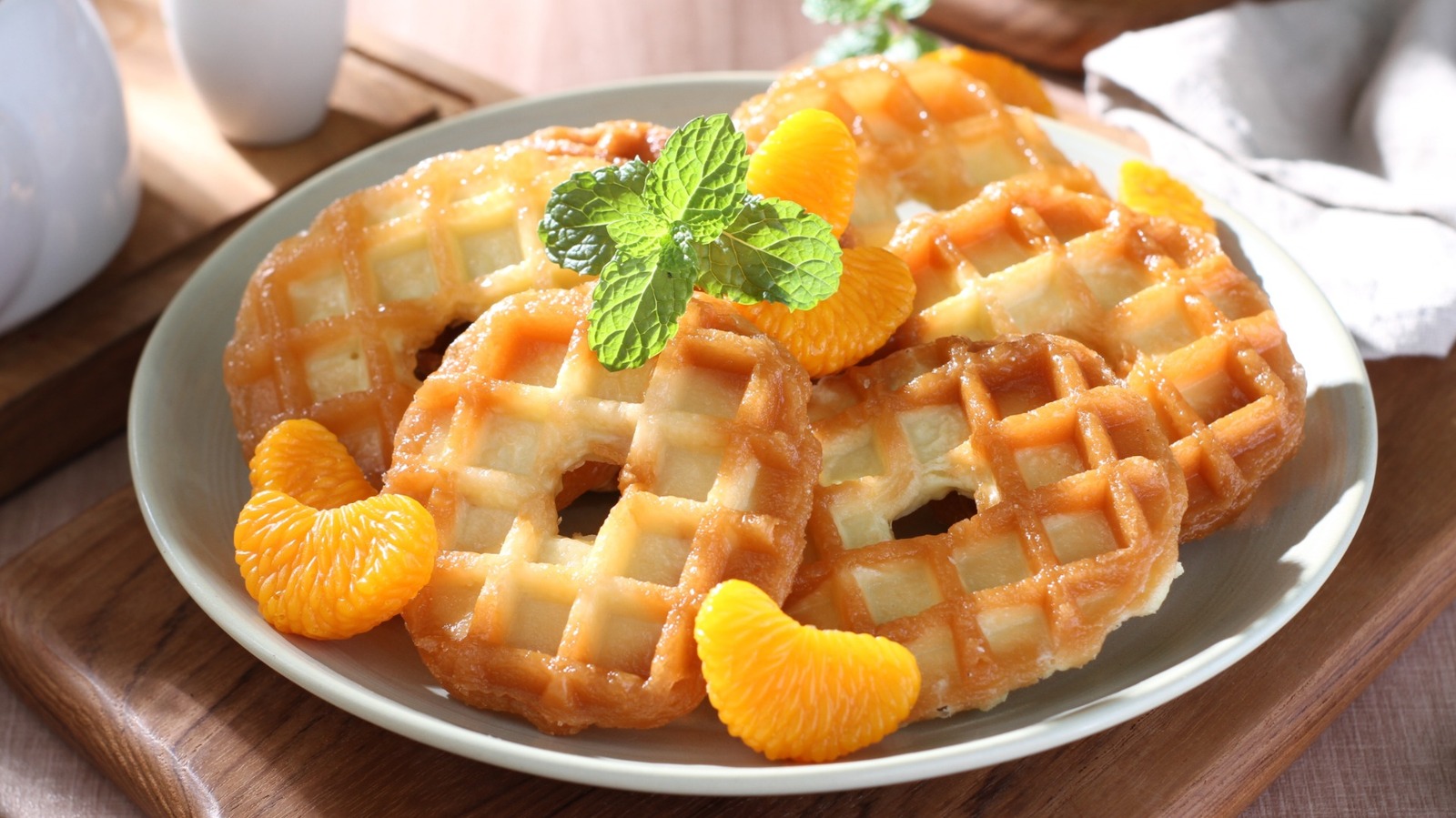
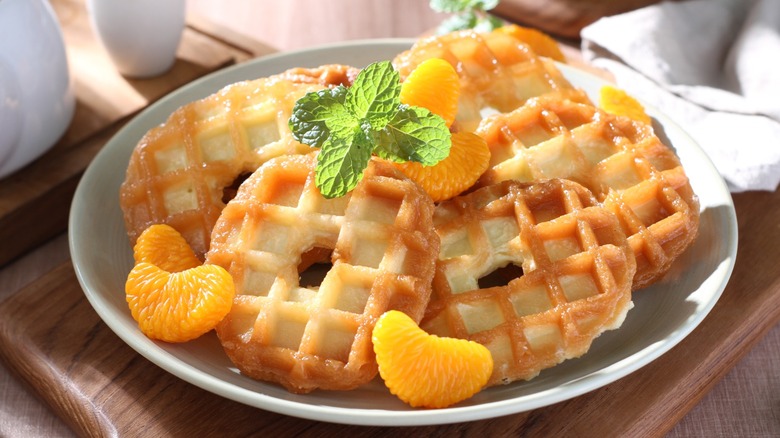
Upon completion, the waffled donut should be carefully removed from the waffle iron using a fork, rather than direct hand contact, to prevent burns. The result is a warm, gooey donut with distinct waffle indentations, a crispy exterior, and a still-pillowy soft interior, all enhanced by the caramelized glaze.
The Science of Caramelization and Texture Contrast
The appeal of the waffled donut lies in the interplay of sensory experiences. The waffle iron’s heat triggers the Maillard reaction and caramelization within the donut’s sugars. The Maillard reaction, a complex chemical process between amino acids and reducing sugars, is responsible for the browning and rich flavors developed in cooked foods. Caramelization, the browning of sugars when heated, contributes sweet, nutty, and sometimes slightly bitter notes, adding a layer of complexity to the donut’s inherent sweetness.
This process transforms the simple glaze into a sticky, flavorful coating that adheres to the crisp waffle pockets. The contrast between the crunchy, caramelized exterior and the warm, soft, and gooey interior creates a multi-dimensional texture that is highly satisfying. This textural innovation offers a novel way to appreciate a familiar treat, appealing to consumers seeking new and exciting culinary experiences. The efficiency of this method, requiring minimal additional ingredients and time, makes it an accessible way to achieve gourmet results at home.
Expanding the Culinary Horizon: Customization and Pairings
The waffled donut experience can be further enhanced through various customization options and thoughtful pairings. For those seeking to amplify the warmth and comfort of this creation, a sprinkle of cinnamon or a small pad of butter placed on top of the donut just before waffling can introduce subtle spice notes or a richer mouthfeel as it melts into the waffle’s crevices. This approach is also an effective strategy for revitalizing day-old donuts, masking any slight staleness with fresh flavors and a renewed texture.
However, a word of caution is warranted regarding the addition of maple syrup. While seemingly a natural pairing with waffles, the combined sweetness of the syrup and the caramelized donut glaze can result in an overwhelmingly saccharine experience. For those who desire a maple flavor, opting for a maple-glazed donut as the base ingredient is a more balanced approach.
The versatility of the waffled donut extends to creating elaborate desserts and even savory breakfast options. Topping a warm, waffled donut with a scoop of vanilla bean ice cream transforms it into an instant summer dessert. Sandwiching a waffled donut between two others and adding sprinkles creates a delightful ice cream sandwich. For a more decadent treat, consider a "donut waffle" creation by pressing two donuts together.
On the savory side, the waffled donut can serve as a unique base for breakfast sandwiches. Pairing it with crispy fried bacon, ham, or sausage, and an over-easy egg, offers a sophisticated and indulgent take on a special occasion breakfast. The inherent sweetness of the donut, especially when maple-glazed, provides a compelling counterpoint to the savory elements.
The Broader Impact: Culinary Innovation and Resourcefulness
The waffled donut hack exemplifies a broader trend in home cooking: the resourceful repurposing of common kitchen tools and ingredients to achieve innovative culinary outcomes. In an era where consumers are increasingly seeking unique food experiences and are mindful of reducing food waste, such simple yet effective techniques gain significant traction. The accessibility of waffle irons and donuts makes this a widely replicable hack, allowing individuals to experiment and personalize their culinary creations.
The popularity of such hacks also highlights the influence of social media and online food communities in disseminating culinary trends. Platforms like TastingTable.com, which feature articles on innovative kitchen techniques, play a vital role in introducing these ideas to a wider audience. This democratizes culinary exploration, empowering home cooks to experiment and discover new ways to enjoy their favorite foods.
Conclusion: A Sweet Transformation
The simple act of placing a donut into a waffle iron unlocks a new dimension of flavor and texture, transforming a familiar treat into something extraordinary. The caramelization of the glaze, the crisping of the edges, and the contrasting soft interior create a delightful sensory experience. Whether enjoyed as a quick indulgence, a base for creative desserts, or an unexpected breakfast sandwich, the waffled donut proves that culinary innovation can be both simple and profoundly satisfying. As home cooks continue to explore the potential of their kitchen appliances, the waffled donut stands as a testament to the enduring appeal of creativity and the joy of discovering delicious new possibilities. It encourages a playful approach to cooking, proving that sometimes, the most delightful transformations come from the most unexpected places.
